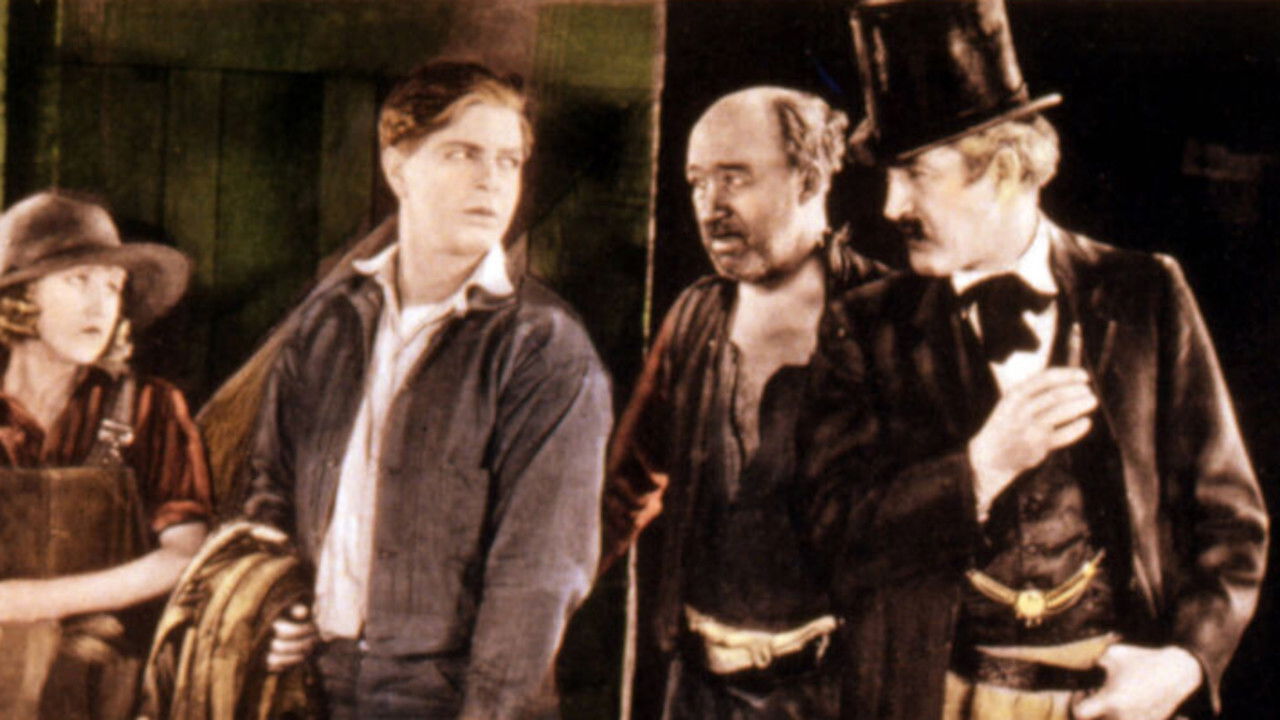
Action (1921)
Three Outlaws came across a stranded baby and must decide to save the child or escape from the law.
Three Outlaws came across a stranded baby and must decide to save the child or escape from the law.
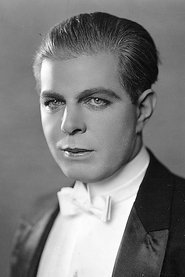 Hoot GibsonSandy Brouke
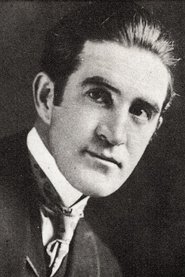 Francis FordSoda Water Manning
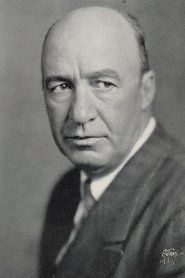 J. Farrell MacDonaldMormon Peters
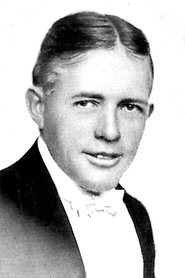 Buck ConnorsPat Casey
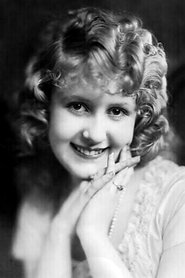 Clara HortonMolly Casey
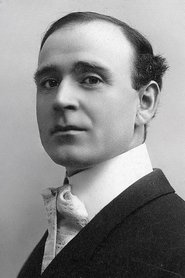 William Robert DalyJ. Plimsoll
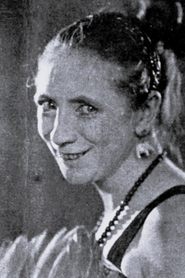 Dorothea WolbertMirandy Meekin
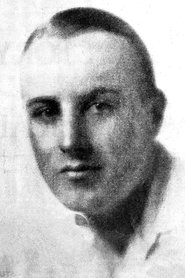 Byron MunsonHenry Meekin
 Charles NewtonSherriff Dipple
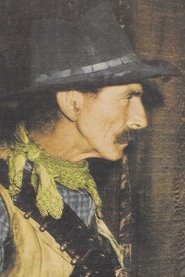 Jim CoreySam Waters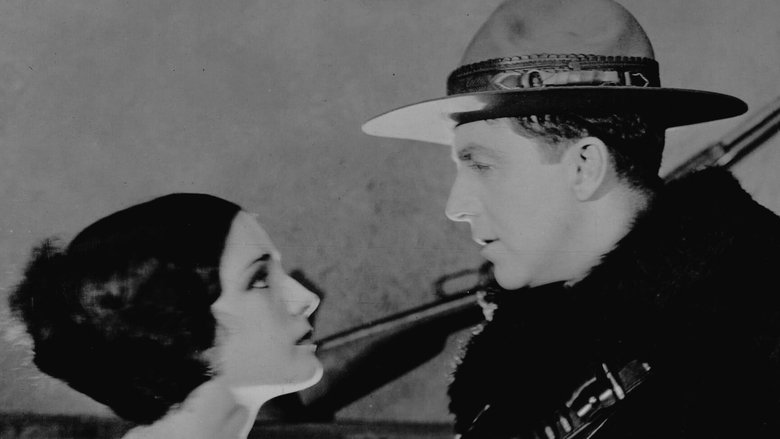
A foppish Londoner joins the Royal Canadian Mounties and tries to break a smuggling ring.
A short silent western produced by Gaston Mèliès in San Antonio.
"A senorita. With whom two young matadors, Jose and Pepe, are in love, tries in keep both on the string. She lends each to believe that he is the chosen one, creating a strong jealousy between them. Pepe calls to see the girl and she receives him with a show of great affection and preferment. While they are courting, a caballero, friendly to the other lover, Jose, tells him of the girl's duplicity. In a rage he goes to his inamorata and, demanding an explanation, accuses her of harboring his rival in the house. She cajoles him, and playfully stealing his dagger from him without his knowing it, endeavors to hold his attention by caresses as Pepe tries to make his escape. Unfortunately he is seen and pursued by the enraged Jose, who, coming up with him as he seeks the protection of a priest busy pruning trees in the grounds of the monastery, engages in a terrible struggle in which the priest Is powerless to interfere." - Moving Picture World synopsis excerpt
"Swift Arrow, a lithe and willowy Indian, leaving the encampment of his fellow braves, is well on his journey when he is thrown from his horse and receives a broken leg and injuries from which he is disabled and lies helpless and alone." -Moving Picture World Synopsis excerpt
It is a beautiful morning in Indian Summer, and White Doe is out in her birch bark canoe, engaged in a fishing expedition for food. She paddles home under the overhanging trees and vines, lights the small fire in front of her tepee and cooks her primitive breakfast. The air is bracing, the birds are singing, life is free and good. Also White Doe is happy for she had caught a gleam of admiration in the eyes of a stalwart cowboy, when she visited a ranch a few days before with her offering of plaited baskets and the famous blankets of her Navajo tribe. She begins her work of basket weaving, dreaming the love dreams of her people and her heart singing with coquetry and the happiness of conquest, for she is also loved by a brave of her tribe, a wealthy son of a chief with a hundred horses.
A Navajo Indian has crossed the great desert, and his water bottle has been emptied. He is in a frenzy from thirst and sees mirages of water everywhere. He comes upon Nat Perry, a young settler, who is conveying his household goods across the burning sands. Perry has just taken a drink from his precious canteen when the Indian falls at his feet and implores a little water. The young pioneer heartlessly turns him over with his foot and leaves him to die.
After graduating from an Indian school where he has acquired an education and schooling in the ways of the white man. Ta-wa-wa, a young Indian, returns to his native territory and far western home. On the way to the tribe's encampment he stops at Vail's ranch, meets Kawista, his boyhood sweetheart, who greets him cordially and with a frank admiration for his gentlemanly appearance. While they are exchanging greetings the postman enters and hands a letter to Mr. Vail from Col. Leigh, an Englishman, stating that he will visit the ranch with Lord Wyndham, an English lord who expresses a desire to see a real Indian powwow.
Full of booze, bluster, and fight "Black Pete," a big "bad man" of the wild west comes from the local saloon ready to put daylight through anybody and everybody within the range of his voice and the reach of his gun and, to further convince the crowd that he is the terror of the territory, lands on an inoffensive bystander knocking him down. "Billy" is an entirely different sort of a citizen; he is a young chap living with his sister whom he loves very dearly; their love is mutual. Billy has received a letter and stops on his way home in an opening in the woods to read it. While thus engaged, an Indian girl is making her way through the woods. "Black Pete" coming along the pass sees and attacks her. Billy springs to her defense and knocks "Pete" down; in falling he strikes his head on a stone and is killed.
In the mountain wilds of Tennessee there is no end to the manufacture of moonshine whiskey. Whole families live on this nefarious trade and many of them die by it. The men who work at this business are constantly hunted by United States revenue officers as violators of the law for manufacturing of liquor without a special license. The "Mountain wife" loves her husband and stands by and shields him from his enemies, the officers; when they are on his track she hides him, then throws them off his trail, giving him time to escape in the mountain fastnesses, as we are shown in this interesting and thrilling picture.
Nora, who is the president of the Bachelor's Club, receives a letter announcing the death of her uncle in the west and that he has made her heir to his immense fortune. Including a ranch at Grey Oaks. Nora decides to go west and take charge of the ranch and run it herself a la suffragette fashion. She invites all the girls to go with her and they start for their new home. Arriving at Grey Oaks they pay no attention to the cowboys who greet them at the station but go at once in the old stage-coach to the ranch. The cowboys follow, approach the ranch, offer their services and are rewarded by being driven from the premises. The boys make up their minds to "get next" to the girls and devise a scheme.
Braggs, the young western settler, comes into view leading his broncho while he leads his little child on the horse's back. Placing the child on the ground and watering the pony, he takes his knife from his pocket to make an extra hole in the saddle strap. The knife slips and penetrates his wrist, severing an artery. His wife comes to his assistance, makes a tourniquet with strips of her apron, jumps on the broncho's back, bids her husband to care for the child and keep up courage while she rides to town for the doctor.
In the farewell beams of evening the pioneer with his wife and child stop the prairie-schooner and strike stakes for the night. Sounds of the Indian war cry disturb the quiet calm, and seen approaching in the distance is a band of savage red men. Terror-stricken, the settler seizes his gun and stands ready to defend his family. At the first volley from the Indians' rifles he falls dead. The brave wife makes a desperate resistance to protect her child. The poor woman is quickly slain by the hostile savages, leaving the helpless babe to their mercy.
Padre Dominguis, the village priest of a quiet little spot in old Mexico, has been on a visit to the daughter of his dead sister and is about to return to his charges. He is much surprised and more than a little pleased to find that his niece is in love with John Brown, a progressive American, who has settled among them, for the Padre is a broad-minded man and knows that Mexico needs the influx of American energy to make her a great country.
Margie, of the "Flying B" ranch, knew it was to run across a snake in the tall Texas grass, but she did not realize that there are people who, like snakes, conceal themselves until they are ready to sting. Consequently, when a sleek looking tenderfoot asked to become a boarder at the "Flying B" Margie favored him, though her father was suspicious. Margie is soon smitten with the stranger, much to the chagrin of Jack, the foreman, with whom Margie had previously been very friendly. Jack does not get ugly over the matter, but keeps his eyes open.
"I do hate learnin', but oh! you schoolmarm!" is what the boys at the gulch said when Mary came to town; and, from "Big Bill" down to Hop Lee, the Chink, they all took to study, and to courtship. The rivalry is friendly until the new foreman blows in and takes the inside track, then "Big Bill" gets jealous. At the swell (?) reception the foreman cuts Bill out and Bill decides to "lay for him." The foreman soon discharged a greaser who later robs the paymaster and contrives to fix the blame on the foreman.
It was April weather on Lloyd's ranch, but all was not sunshine. The mortgage was due, and while there were enough cattle to sell to pay it, they were woefully short of men to handle them. Finally Lloyd decided to entrust the job to his son, Hal, and detailed El Paso Pete, one of his trusted men, to accompany the boy to Waco. The cattle were rounded up and shipped. Hal sold them to advantage and collected the money and was on his way to settle the mortgage, when he ran into an adventure. Jim Dempsey, a rough gambler, was having an altercation with his daughter, Rose. A Texan will ever respond to the call of beauty in distress and, regardless of the relationship, Hal interfered and followed them to see it safely through. He was led to a dance hall and was surprised and somewhat disappointed to see that Rose was a dancer there, but discovered that her father forced her to thus earn her living.
Rawhide, Arizona, was certainly some tough town when Reverend Simpson first blew in from civilization and started his campaign of redemption. From Alkali Ike to Shorty Smith, not a man of them had seen the inside of a church in fourteen years; there has never been a sermon preached in the county, and the only hymns that had ever been heard were those of the coyotes. The Rev. Simpson soon set up the "Rawhide Mission," but in spite of the hot weather, the result was a heavy frost. Nobody came even as far as the door, except Black Mike, who was drunk and who thought he was at the XXX saloon. The worthy pastor pleaded, prayed and billed the town without result.
Edith Gates, whose father runs the X.Y. Ranch, has a burning desire to become a newspaper woman, but it is not so easy to accomplish as she imagines. She is turned down by one editor after another, and finally is insulted in the office of the "Blade" by Jim Ford, who is one of the star assignment men. Jack Burton, a cub reporter, comes to Edith's assistance, and is discharged for his gallantry. Edith returns to her home, and Jack secures employment on the "Express," the deadly enemy of the "Blade," where he "makes good." A month later the "Limited" is held up and the bandits escape.
Robert Burton was an only son and his indulgent mother had spoiled him. Bob was not all bad, but he was woefully weak and could not stick long at any one task. Also he paid more attention to rolling cigarettes than he did to his work. One day he was discharged by the foreman of the crockery store where he worked and appeared at home disgusted and sullen. His mother tried to comfort him, but the boy was anxious to have his way and announced his intention of going west, where he thought there would be better opportunities for him.
John Burton, a railroad clerk from the east, was spending his vacation hunting in the wild lands about John Walsh's shack. One morning, as he was eagerly following a large hawk, which he had already wounded, he lost his balance on the edge of a cliff and plunged down to the stony ground below. His cries for help attracted Walsh's attention and he was taken to the latter's cabin, where he was tenderly cared for by Walsh and his wife, until he was able to return to his duties in the east. Walsh's wife was the apple of his eye, but, like most things that we love, she did not last, and twenty years later we find him a broken old man, living in the days that are gone.