
The Fatal Telephone (1986)
Experimental feature about two young men trying to make a film.
Experimental feature about two young men trying to make a film.
Miran ŠušteršičMatjažVinči Vogue AnžlovarIgorBrane AtanaskovičPeter BarbaričMira BergincBrane BitencRoman DecmanAlenka DolinarJože DolmarkAndrew Horn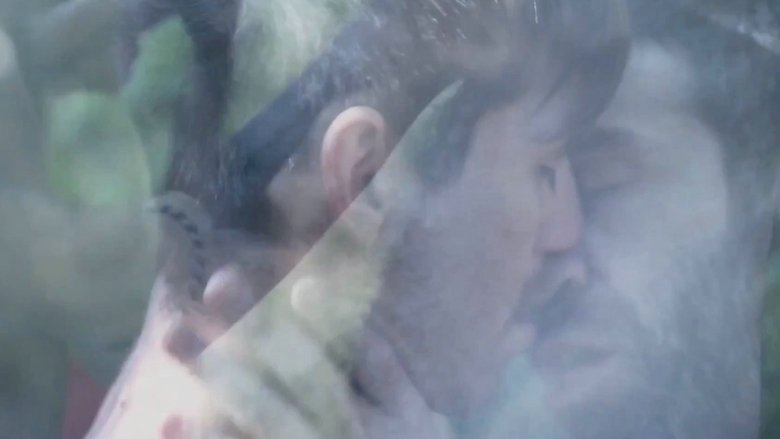
Two men walk agitatedly on a dirt road, between underbrush and large trees. One follows the other: both inspect the place. After a while, they stop in the middle of the foliage.
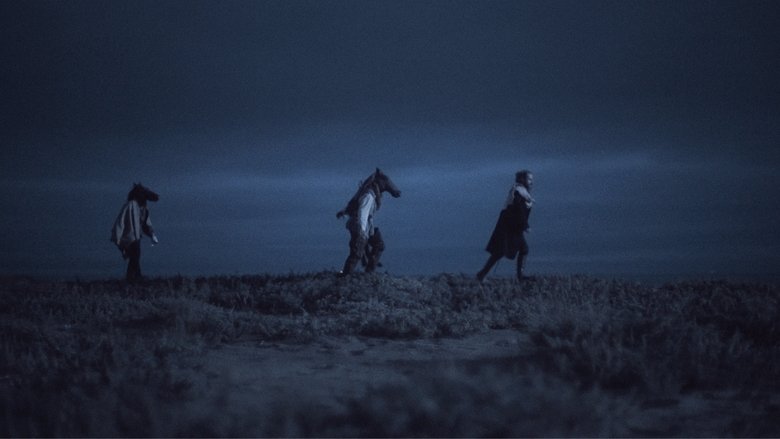
In the nineteenth century, a French adventurer sets off to establish a kingdom in the inhospitable South of Chile, uniting the feared Mapuche under him. The response of the Chilean army is devastating.
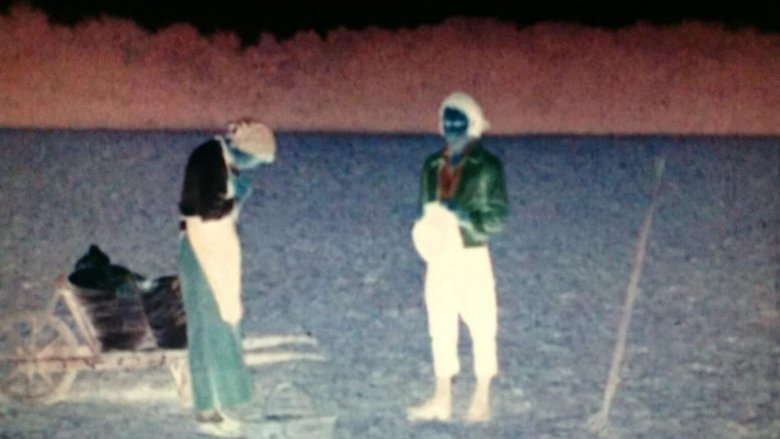
This is the only feature directed by the famed French painter and sculptor Martial Raysse. In keeping with the revolutionary spirit of the time, the movie has no plot to speak of and appears to have been largely made up on the spot. We follow the cat man into a bizarre fantasy universe presented in negative exposure that reverses color values (black is white and vice versa) and written words. The cat man steals a car and then picks up a young girl he promises to take to “Heaven.” Heaven turns out to be a country chateau inhabited by several more animal mask wearing weirdoes...

A dark take on media manipulation and political situation in Malaysia. The idea is to convey how normal citizens even though sometimes they know what they read and heard are absurd and not right but still with not much options to react but to accept them in order to maintain their livelihood. And at the same time powerful figures whom understands the mentality of the citizens continues to drives their ridiculous and absurd ideas and opinions to the mass.
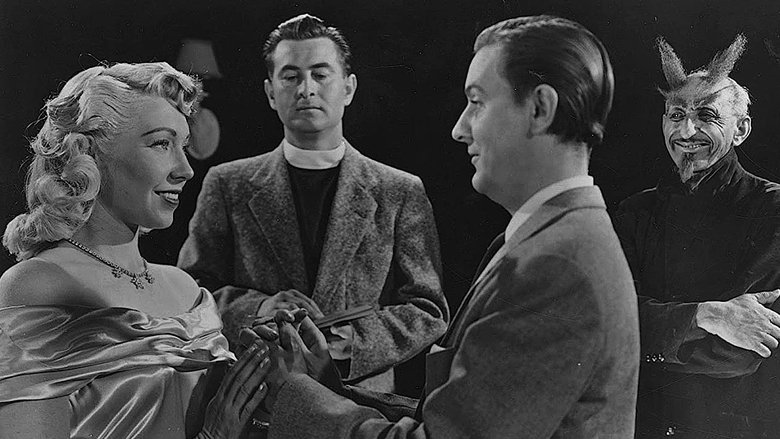
A psychiatrist tells two stories: one of a trans woman, the other of a pseudohermaphrodite.
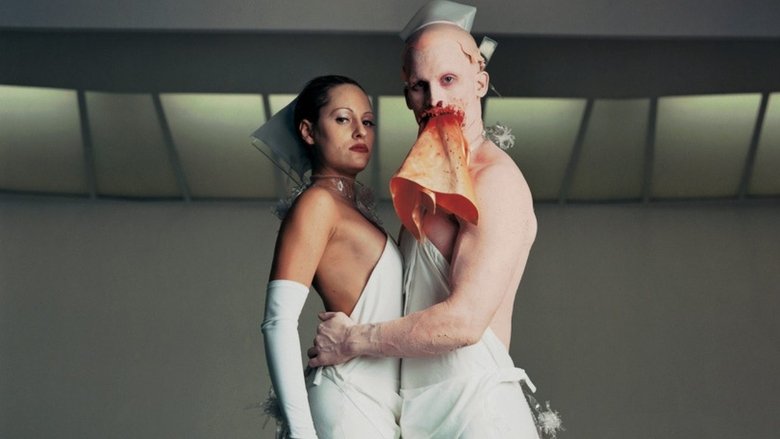
CREMASTER 3 (2002) is set in New York City and narrates the construction of the Chrysler Building, which is in itself a character - host to inner, antagonistic forces at play for access to the process of (spiritual) transcendence. These factions find form in the struggle between Hiram Abiff or the Architect ...
Between a man and his lover lies a wall, between the man and the country he loves lies another wall. Can a one-sided dialouge breaks the walls and expresses the man’s feelings and sentiments? Or does the lover or the country wants the wall to be broken in the first place? This short was inspired by Amy Len’s dance choreography “Wall” and colloborated with Loh Bok Lai. The dance was originally choreographed for a performance in Japan Dance Wave Fukuoka ‘06 - Asian Contemporary Dance Now and later made into an experimental video combining elements of an actor and monologue. The video footages were also used for the dance piece itself in KL.
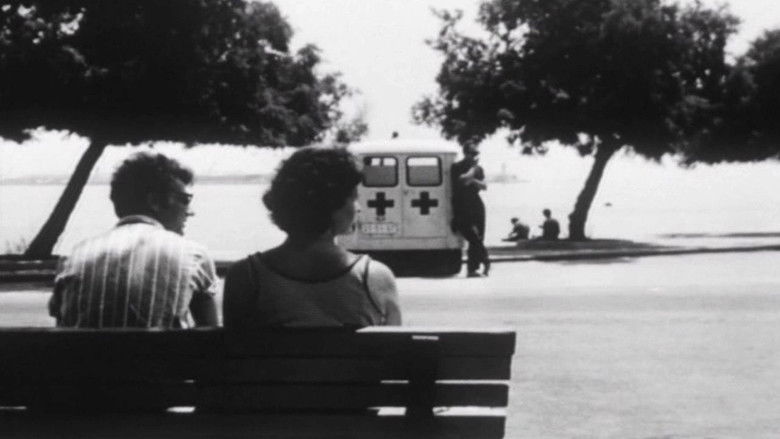
The Focus is the film about easy death on the Mediterranean sun.
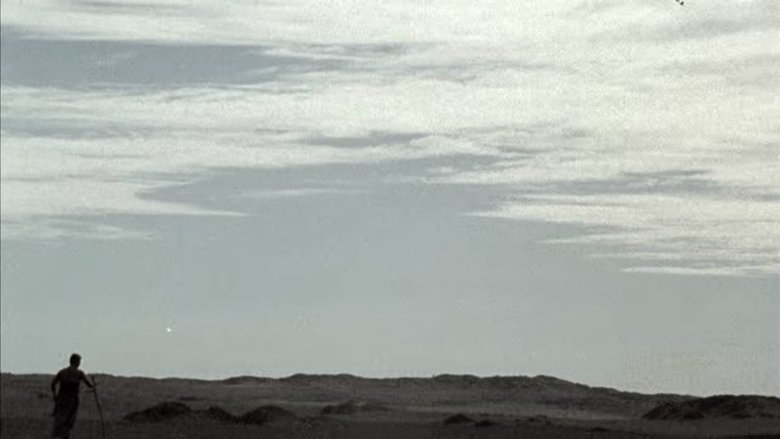
Colossal explores the complexities of grief and the process of grieving as understood through the myth of a Man as he ventures through shifting landscapes ruminating.
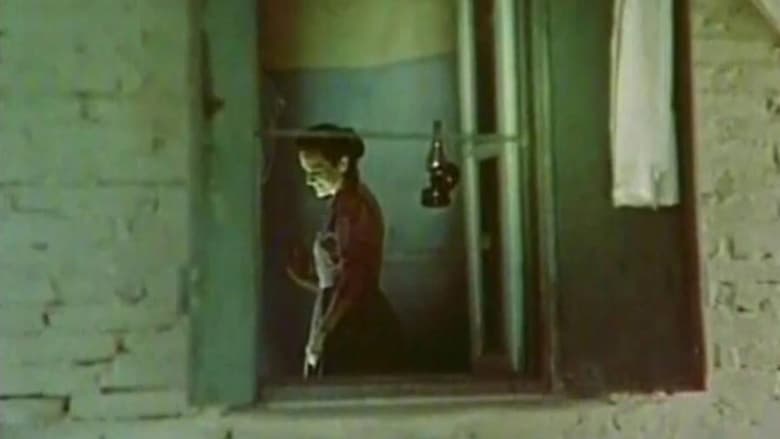
Originally edited in two versions. Version I, 70 minutes; version II, 90 minutes. (The only known existing version is not Markopoulos’s edit and contains additional titles, music and voice-over added later than 1961. 65 minutes.) Filmed in Mytilene and Annavysos, Greece, 1958. Existing copy on video, J. and M. Paris Films, Athens.
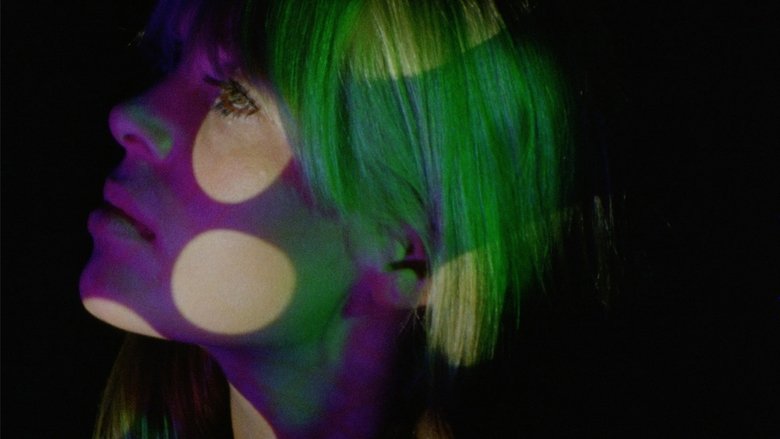
Lacking a formal narrative, Warhol's mammoth film follows various residents of the Chelsea Hotel in 1966 New York City. The film was intended to be screened via dual projector set-up.
Diwan, a lyric anthology, an outdoor movie with people. With people living in the surrounding precious and very beautifully photographed nature, are neither more nor less than one part of it. What Nekes manages there with landscape, as a cunning and quote many fine artist in a medium that runs in time, as he defeated the time changed, by themselves for change of scenery uses, as it interferes with the laws of chronology through the rewind ability of the camera or destroyed, which is a compelling and highly aesthetic experimental company.
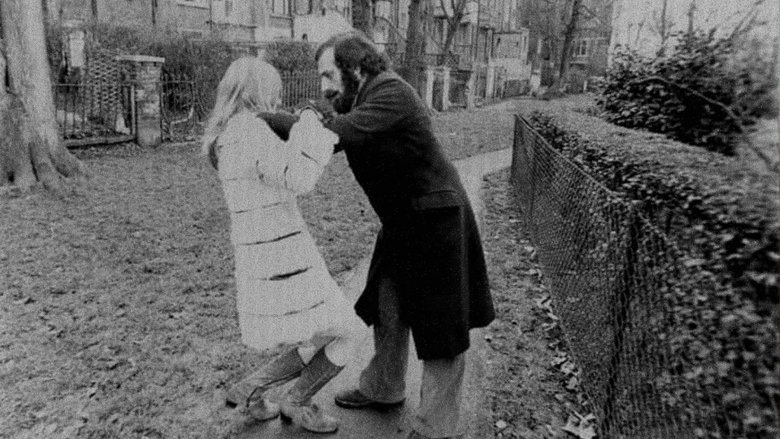
First film by Julio Bressane shot in exile, "Memoirs" is a film about a man who repeatedly kills the same type of woman in same places, the same way. Filmed on the streets of London.
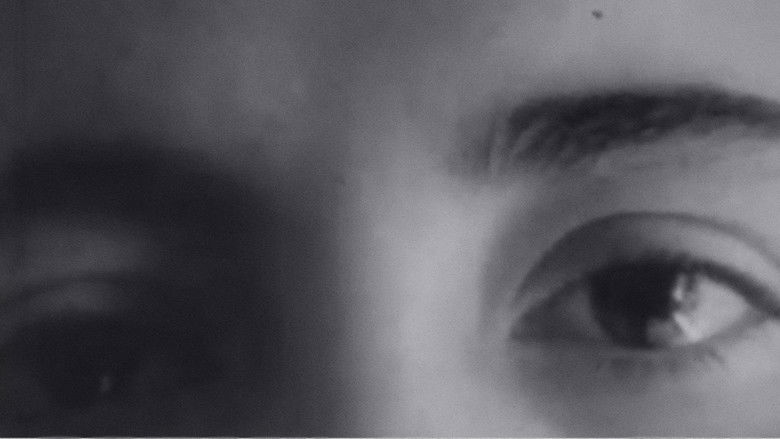
Bressane's second London film, shot in six days in his apartment. "I had seen the French avant-garde films of the 1920's and naturally the title cites Breton. But underneath it can also be read in many ways. It is a cinema that is invented on the spur of the moment, like you invent an instrument to play music and then abandon it. This film came out like an improvisation, a total risk. It is a deconstruction of meaning but not in the analytical, intellectual sense. I have always tried to lose myself with my films. There is no trace of American or French underground cinema. If anything, it is the idea of home movies, there were many ideas for digital films long before digital film existed. This film made itself, it was like a jazz improvisation. Amor Louco is a lost object, it doesn't speak any language, it has no signs, no letters, no captions. And in the scene where the cataract is cut with the razor blade, it was the adventure of the film itself that was put to the test".
Miguel, a debutant director, and his young team live a series of tribulations during the shootings of their first film, which unrolls between Lisbon, Venice, Paris and Madrid.
Time-Consciousness offers four mutually contradictory versions of a series of events. The constant factors are a middle-aged poet with a gammy leg, a prostitute who may or may not be dead, and the woman’s humble room (which may or may not be tidy), where the poet does his writing. Asking "What did happen at 9:20 that evening?," the film underlines the unreliability of memory and the impossibility of objectivity.
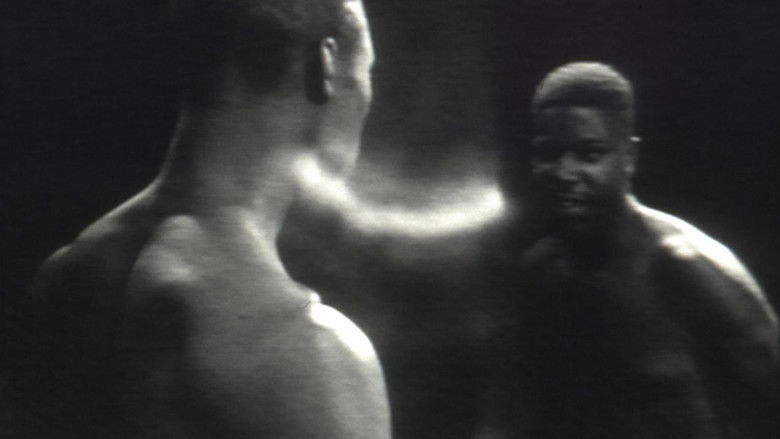
Bear (10 minutes, 35 seconds) was Steve McQueen's first major film. Although not an overtly political work, for many viewers it raises sensitive issues about race, homoeroticism and violence. It depicts two naked men – one of whom is the artist – tussling and teasing one another in an encounter which shifts between tenderness and aggression. The film is silent but a series of stares, glances and winks between the protagonists creates an optical language of flirtation and threat.
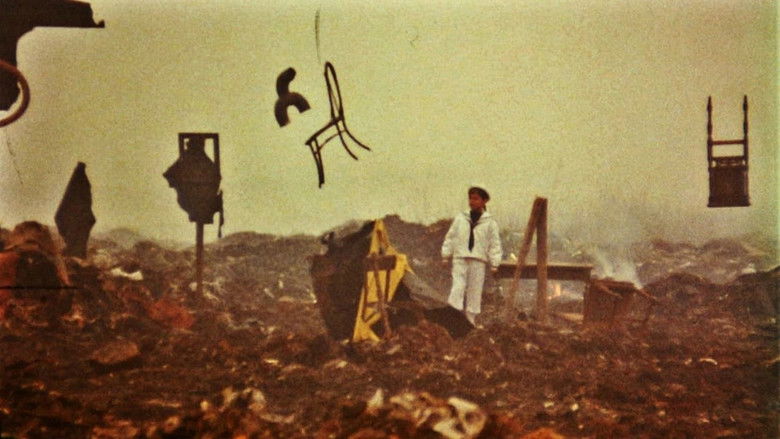
A divorced journalist Marko Požgaj starts his working day by taking his son to the school. During the day many thoughts and images pass through his mind - the memories of childhood, ex-wife, current girlfriend, but mostly his father who died in a war.
An experimental film about a peaceful and carefree life in a small Dalmatian town, which turns into bloodshed and horror on the eve of the Italian occupation of the country.
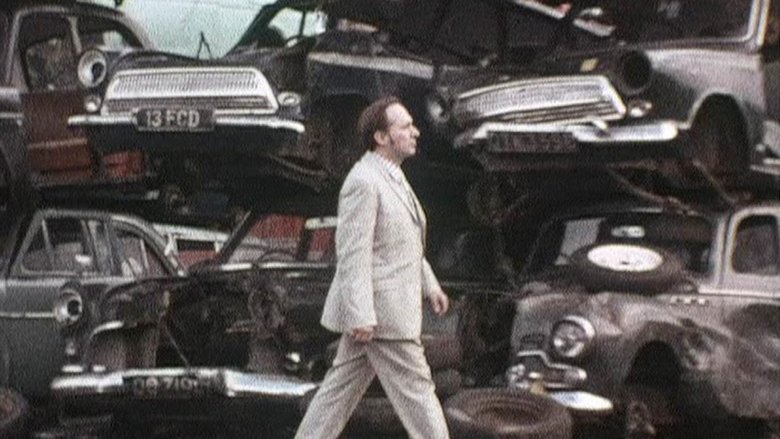
Short film produced by the BBC about JG Ballard's Crash. “The film was a product of the most experimental, darkest phase of Ballard’s career. It was an era of psychological blowback from the sudden, shocking death of his wife in 1964, an era that had produced the cut-up ‘condensed novels’ of Atrocity plus a series of strange collages and ‘advertisers’ announcements. After Freud’s exploration within the psyche it is now the outer world of reality which must be quantified and eroticised. Later there were further literary experiments, concrete poems and ‘impressionistic’ film reviews, and an aborted multimedia theatrical play based around car crashes. After that came an actual gallery exhibition of crashed cars, replete with strippers and the drunken destruction of the ‘exhibits’ by an enraged audience.” (from: http://aaaaaaaaaaaaaaaaaaaargh.blogspot.de/2013/01/short-film-adaptation-of-jg-ballards.html)