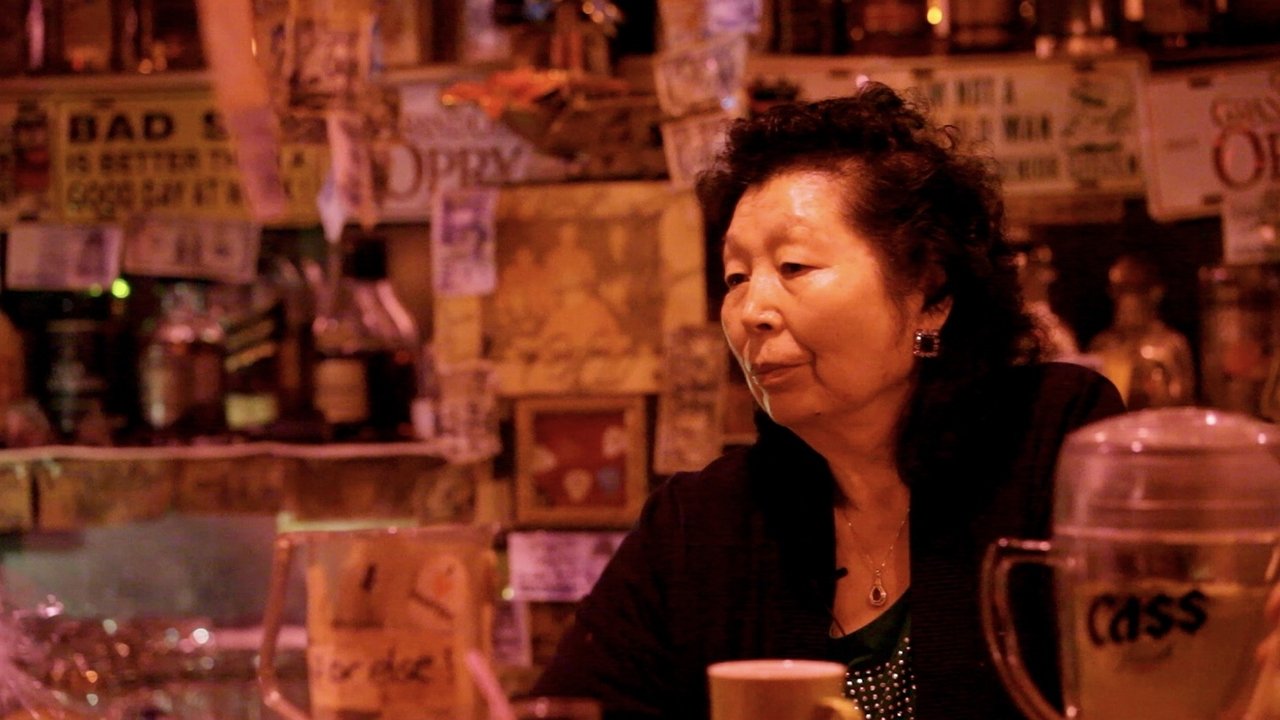
Itaewon (2019)
Stories of three women who have been living in Itaewon, Seoul, Korea since the era that the town was run by U.S dollars of the U.S. Army.
Stories of three women who have been living in Itaewon, Seoul, Korea since the era that the town was run by U.S dollars of the U.S. Army.
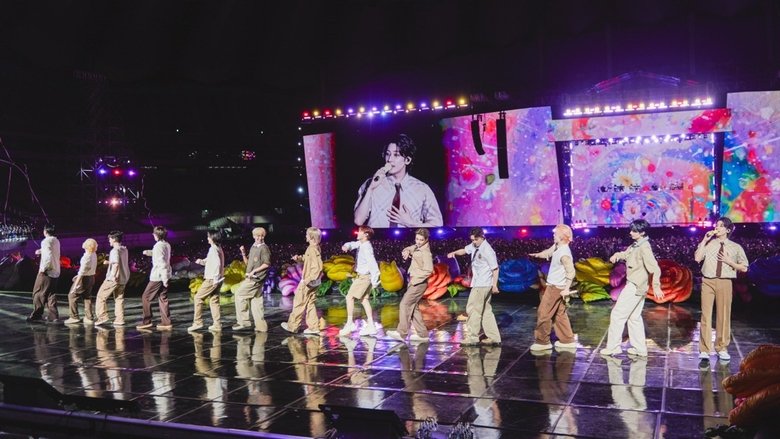
Rewriting history every step of their way, SEVENTEEN’s first Seoul World Cup Stadium concert and encore tour [SEVENTEEN TOUR ‘FOLLOW’ AGAIN TO SEOUL] is coming to big screens worldwide this August! From the eagerly awaited full thirteen-member performances to the premiere of “MAESTRO” and unique unit performances of “Spell”, “LALALI”, “Cheers to youth”, the film captures these unforgettable moments with cinematic cameras from multiple angles, ensuring an immersive experience. This concert film begins with a powerful daylight performance that transitions into an event brimming with a diverse array of music. Culminating under a night sky illuminated by CARAT lightsticks, it captures the essence of SEVENTEEN’s record-breaking nine-year legacy. Relive the exhilaration of the concert in ScreenX, 4DX, and ULTRA 4DX for an unparalleled experience.
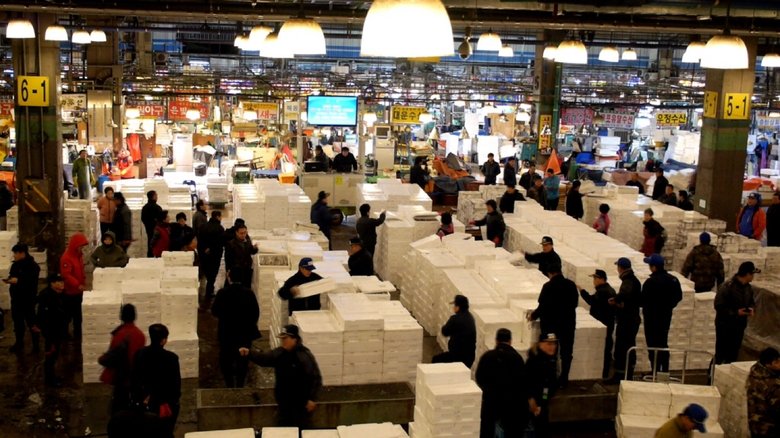
Over 98 days from August 20th to November 25th 2013, 2821 people from around the world sent 11,852 video featuring many different faces of Seoul. 154 were selected, edited, and made into a movie.

The Seongdong area of Seoul has been home to many small and medium-sized manufacturers. The once iconic red brick factories have given way to redevelopment, making way for galleries, cafes, and upscale restaurants. As a result, Seongdong has seen the largest increase in land rental prices in South Korea. Regrettably, this transformation also reveals a harrowing story: for the past five decades, hundreds of shoemakers have worked tirelessly for up to 18 hours a day, making shoes for wages below the minimum standard. Each day, these workers leave their homes for work, not knowing if it will mark their final day in this relentless cycle.

The Grand Canal project was one of the key pledges of the former President Lee. He first said that he was carrying out a project to save the four rivers but it was a lie. He eventually proceeded the project which was a hotbed of all kinds of irregularities. After ten years, now the river is dying. Some people collaborated to the past regime, and some resisted it. On whom will we stand?
The group Seventeen has found all its members already, but they have been training without having been able to debut yet. They are asked to complete a set of missions in order to gain the right to have a one hour long live debut broadcast as the goal of the reality show.
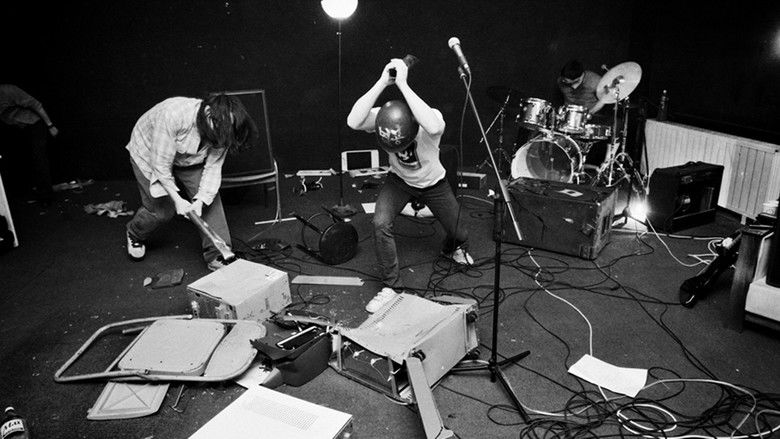
Grindcore punks Bamseom Pirates make music suitable for a sick society.

We no longer see children running around playing in the alleys of Seoul. Starting from elementary school, children go to private classes after their school. However, we see these people who are making efforts to protect children’s right to be a child and play like a child.
Journey with the musicians of the Berlin Philharmonic and their conductor Sir Simon Rattle on a breakneck concert tour of six metropolises across Asia: Beijing, Seoul, Shanghai, Hong Kong, Taipei and Tokyo. Their artistic triumph onstage belies a dynamic and dramatic life backstage. The orchestra is a closed society that observes its own laws and traditions, and in the words of one of its musicians is, “an island, a democratic microcosm – almost without precedent in the music world - whose social structure and cohesion is not only founded on a common love for music but also informed by competition, compulsion and the pressure to perform to a high pitch of excellence... .” Never before has the Berlin Philharmonic allowed such intimate and exclusive access into its private world.

A documentary covering the 1988 Summer Olympic Games in Seoul.
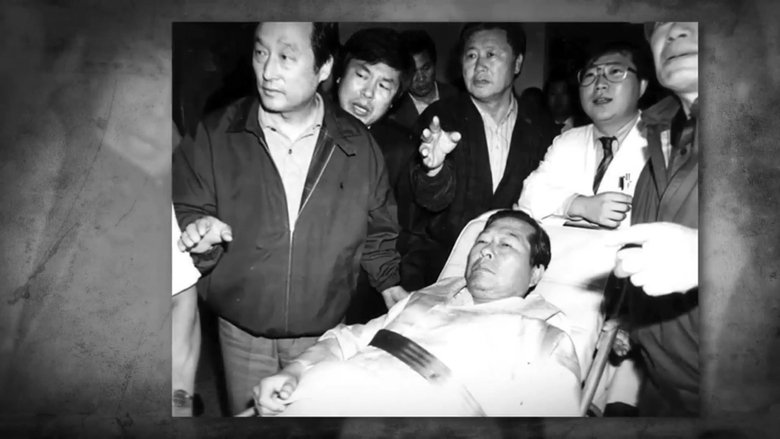
This documentary celebrates the life of former President Kim Dae-joong, who fought for democracy in South Korea and peace in the Korean Peninsula. It marks the 10th anniversary of his passing and covers his challenging journey, from his childhood on an island to his imprisonment, exile, near-death experiences, and ultimately becoming the president.
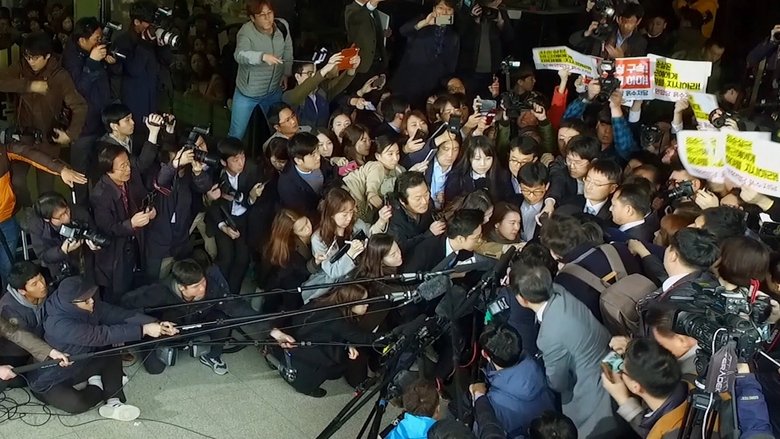
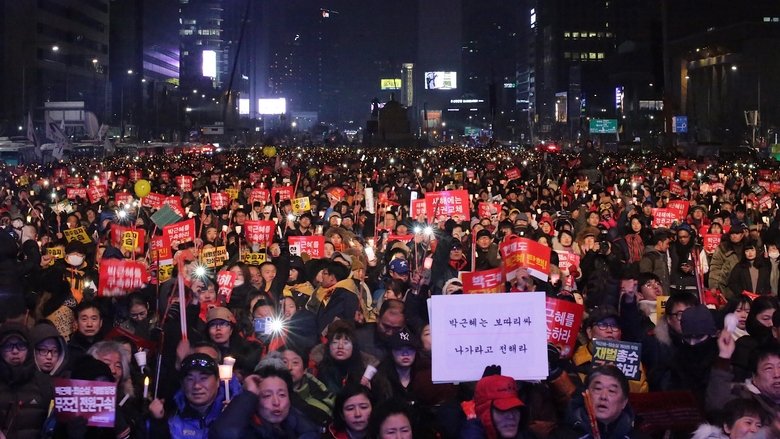
The film traces PARK Geun-hye's life back to the 1970s, when the leader-follower relationship began between PARK, who became the first lady of the Yushin regime, and CHOI Taemin, the leader of a pseudo-religion. It then examines the Sewol ferry incident, CHOI Soonsil Gate, candlelight rallies, and finally the impeachment.

I enjoy religion, I appreciate belief systems and how they offer structure to people's lives. I also appreciate how spirituality manifests itself in Asian cultures as this almost earthbound presence guiding people through every day life and when they need an extra bit of help they need only ask whichever deity holds dominion over their desire. Here is an experimental film I made with videos from my iPhone. Shot across Taiwan and South Korea. An experimental film I made with videos from my iPhone. Shot across Taiwan and Korea. My aim was to explore success in how it pertains to every day life, the satisfaction of small moments, spirituality, superstition, and daily rituals.
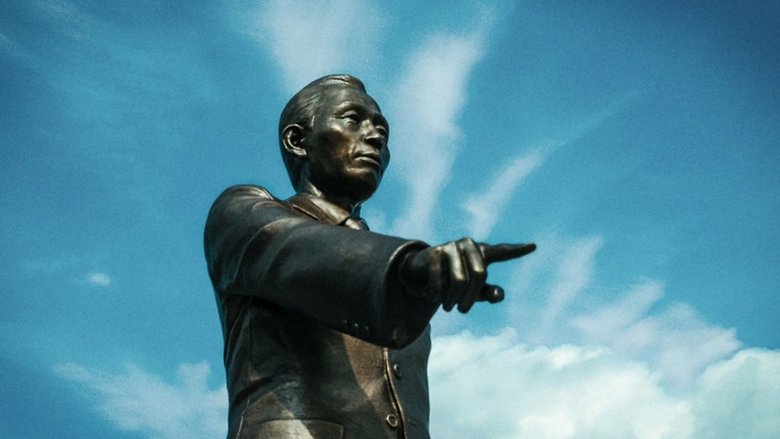
My father led a coup in 1961. Two years later, I became the president's daughter.
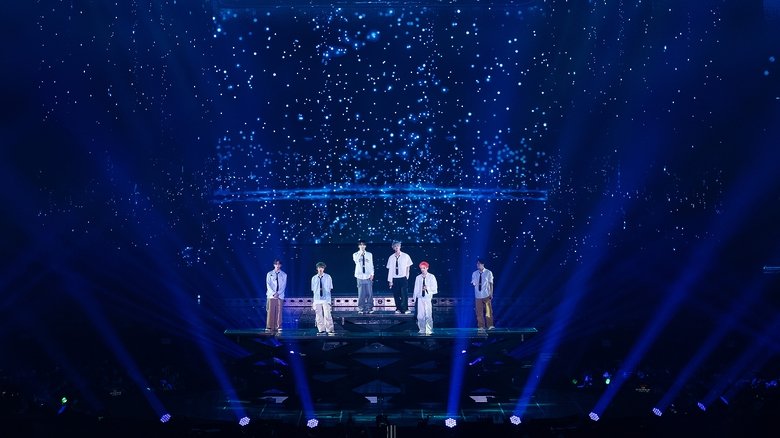
NCT DREAM’s third world tour, ‘THE DREAM SHOW 3: DREAM( )SCAPE,’ is coming to the big screen once again, bringing back the vibrant world bathed in Pearl Neo Champagne! Join the journey as the story of the Mystery Lab unfolds—a special laboratory where the secrets of growth are discovered on the path to one’s dreams, and where the prescription for comfort and healing is shared. Captured from Seoul's Gocheok Sky Dome, witness their breathtaking performances that radiated youthful energy, plus the passionate efforts behind the scenes. Don’t miss NCT DREAM Mystery Lab: DREAM( )SCAPE in Cinemas—a stage for both escaping into dreams and embracing new beginnings.
STEP INTO THE RINK WITH YU-NA KIM AS SHE AIMS TO MAKE HISTORY AS ONE OF THE WORLD'S GREATEST FIGURE SKATERS
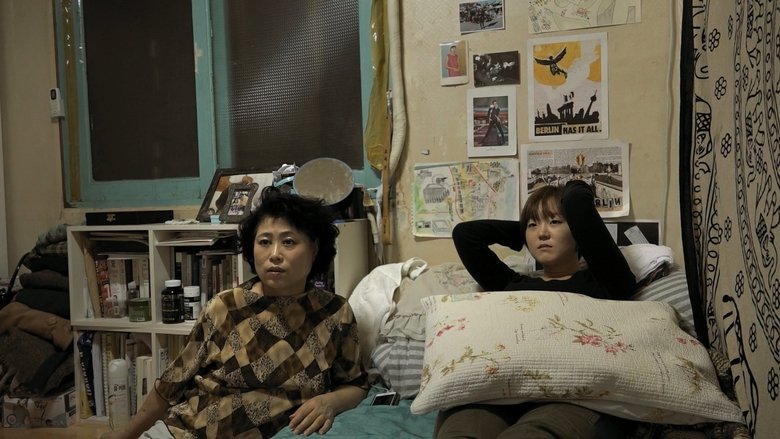
My parents were real estate developers and dealers in the 1980s. They achieved the ‘middle class dream’ thanks to the development boom. However, the Asian financial crisis swept everything away.
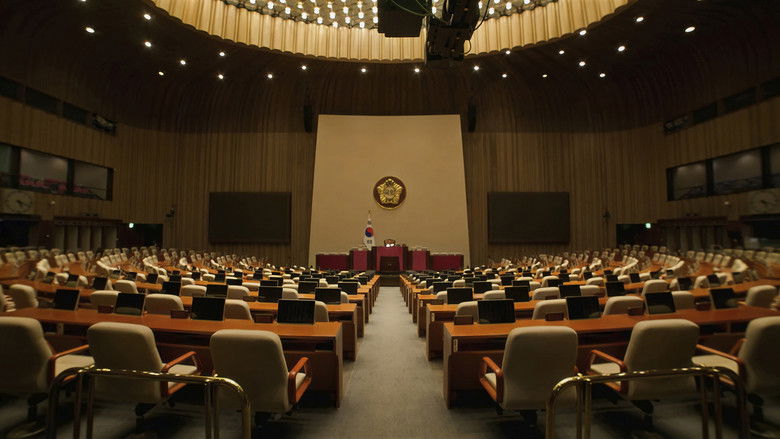
On 3 December 2024, at 22:27 KST, President Yoon Suk Yeol declared martial law, accusing the Democratic Party of collaborating with North Korean communists and compromising state security. Police vehicles and soldiers blocked the National Assembly, preventing members of parliament from opening a session and repealing the martial law. What they totally underestimated was the collective memory of the Gwangju Massacre and its aftermath. People, along with the press, poured onto the streets and stood up against the armed martial law troops.

The documentary Two Doors traces the Yongsan Tragedy of 2009, which took the lives of five evictees and one police SWAT unit member. Left with no choice but to climb up a steel watchtower in an appeal to the right to live, the evictees were able to come down to the ground a mere 25 hours after they had started to build the watchtower, as cold corpses. And the surviving evictees became lawbreakers. The announcement of the Public Prosecutors’ Office that the cause of the tragedy lay in the illegal and violent demonstration by the evictees, who had climbed up the watchtower with fire bombs, clashed with voices of criticism that an excessive crackdown by government power had turned a crackdown operation into a tragedy.