
Der Weg zu Dir (2014)
A movie about intersexuality
A movie about intersexuality
The fourth generation in his family to be born intersex, Jewish Rabbi Levi was assigned the female gender at birth and grew up thinking he was sick and defective. "In the Image of God" tells the story of his struggles and transitions, culminating today in a life as a religious leader and an LGBTQI+ activist living happily in Los Angeles with his wife.
For some time now, there have been schools in Germany whose aim is not to segregate any child. Everyone should be integrated with their minor or major handicaps, advantages or weaknesses, whether highly gifted or severely disabled. Klassenleben tells the story of such a school, its teachers, its children and the immense challenge of learning. From winter to summer 2004, Hubertus Siegert and his film team accompanied class 5d at the Fläming elementary school in Berlin. At eye level with its protagonists, the film observes the learning and life of pupils with extremely different abilities in a class of 20 children, four of whom have learning difficulties or severe multiple disabilities, and 16 "normal pupils", including some so-called gifted pupils. Do lessons succeed in such a heterogeneous group? Is everyone motivated to learn where the competition is not between "gifted" children?
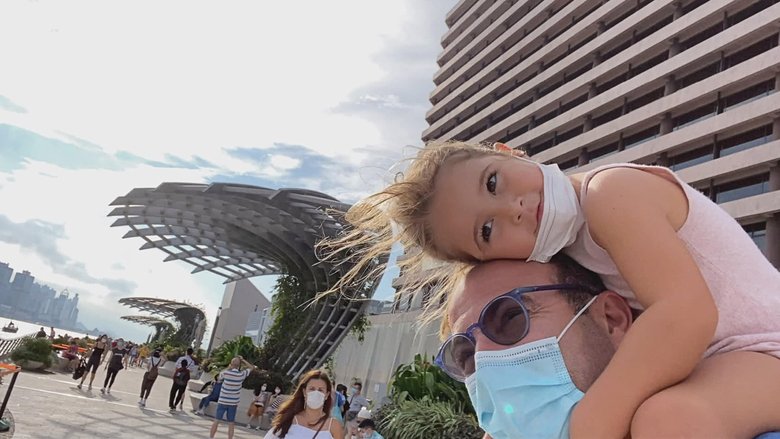
In the beginning it felt like a holiday, then everything changed due to Covid19.
This short film offers a children's guide to anger management.
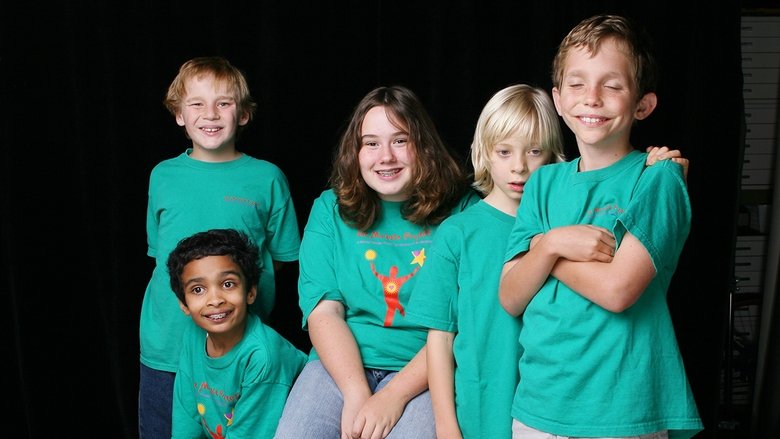
Follows five autistic children as they work together to create and perform a live musical production.
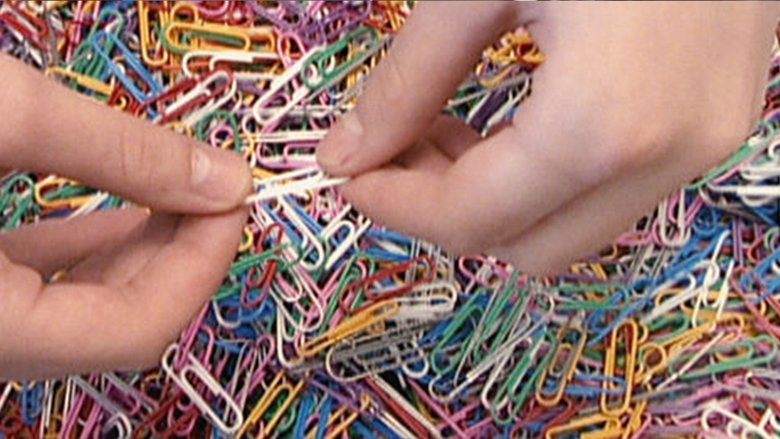
Whitwell, TN is a small, rural community of less than two thousand people nestled in the mountains of Tennessee. Its citizens are almost exclusively white and Christian. In 1998, the children of Whitwell Middle School took on an inspiring project, launched out of their principal's desire to help her students open their eyes to diversity in the world and the horrors and enormity of the holocaust.
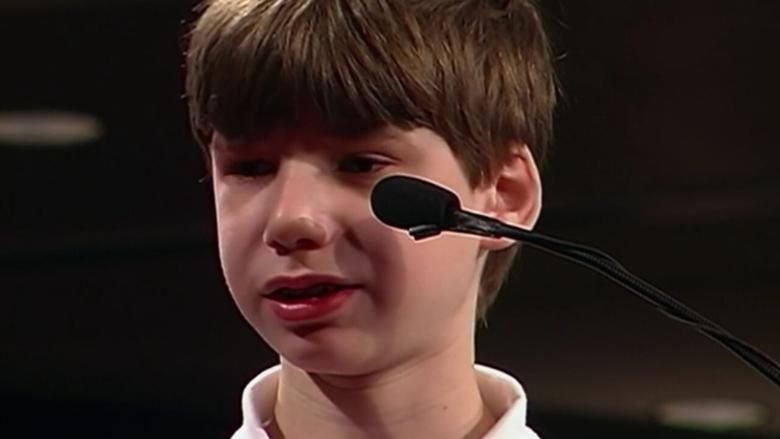
This documentary follows 8 teens and pre-teens as they work their way toward the finals of the Scripps Howard national spelling bee championship in Washington D.C.
In the vast expanse of desert East of Atlas Mountains in Morocco, seasonal rain and snow once supported livestock, but now the drought seems to never end. Hardly a blade of grass can be seen, and families travel miles on foot to get water from a muddy hole in the ground. Yet the children willingly ride donkeys and bicycles or walk for miles across rocks to a "school of hope" built of clay. Following both the students and the teachers in the Oulad Boukais Tribe's community school for over three years, SCHOOL OF HOPE shows students Mohamed, Miloud, Fatima, and their classmates, responding with childish glee to the school's altruistic young teacher, Mohamed. Each child faces individual obstacles - supporting their aging parents; avoiding restrictions from relatives based on traditional gender roles - while their young teacher makes do in a house with no electricity or water.
A portrait of Highlights Magazine following the creation of the cultural phenomenon's 70th Anniversary issue, from the first editorial meeting to its arrival in homes, and introducing the quirky people who passionately produce the monthly publication for "the world's most important people,"...children. Along the way, a rich and tragic history is revealed, the state of childhood, technology, and education is explored, and the future of print media is questioned.
On May 8, 1989, Sports Illustrated ran an article about Ultimate frisbee… about a team with no name hailing from New York City that was about to change the sport forever. From its 1968 New Jersey birth to its unanimous 2015 recognition by the International Olympic Committee, FLATBALL circles the globe to showcase four decades of world-class Ultimate and goes even further: to a set of fields in the Middle East to understand and demystify the unique spirit of the game.
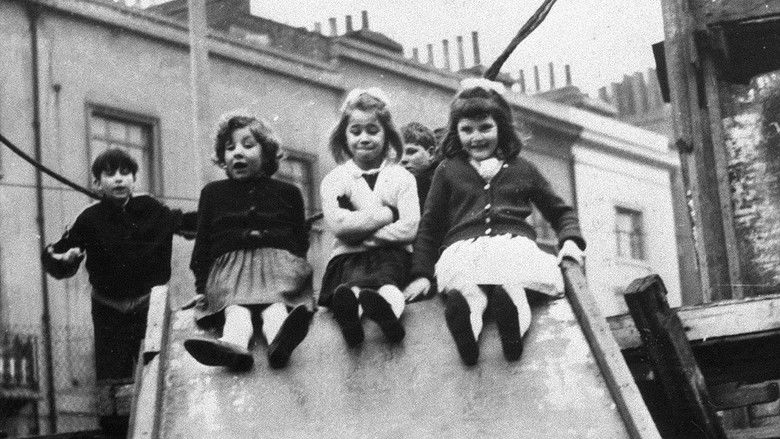
A group of British children aged 7 from widely ranging backgrounds are interviewed about a range of subjects. The filmmakers plan to re-interview them at 7 year intervals to track how their lives and attitudes change as they age.
Not My Life comprehensively depicts the cruel and dehumanizing practices of human trafficking and modern slavery on a global scale. Filmed on five continents, in a dozen countries, Not My Life takes viewers into a world where millions of children are exploited through an astonishing array of practices including forced labor, sex tourism, sexual exploitation, and child soldiering.
Alex is intersex. Although he has XY chromosomes, his sex is ambiguous. When Alex was an infant, his mother authorised genital reassignment surgery, and he was thereafter raised female. Now Alex is an adult, and he is consumed by feelings of anger and loss. After meeting other "XY women" and doing a lot of soul-searching, he decides he wants to live as a man.
Children get ready to start the first grade. They start learning the first letters.
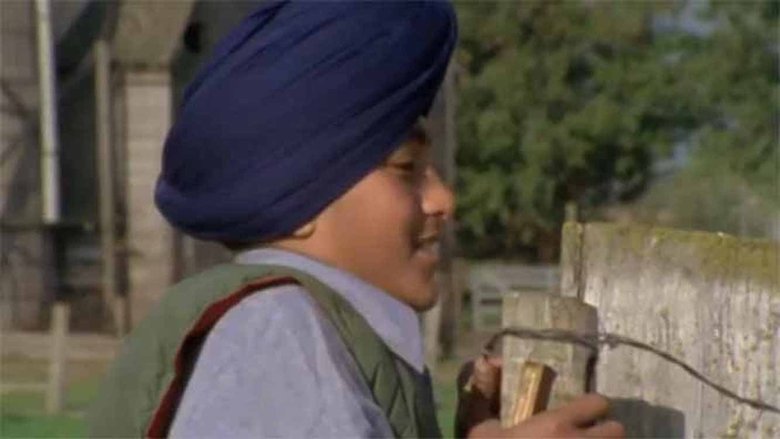
Gurdeep is a thirteen-year-old Canadian Sikh whose family runs a dairy farm near Chilliwack, British Columbia. They have retained their language and religion. Attendance at the Sikh temple, playing soccer with his schoolmates, and working on the farm are all part of Gurdeep's well-integrated life, but sometimes he feels a little different from the other children because he wears a turban. This film is part of the Children of Canada series.

Promotional video that came from local Child World/Children's Palace toy store chains in a box that included a bag of Krunchers potato chips. The video features a mild plot involving mostly all children who are running a video production studio. It also includes a curly haired rapping man named "Robo-T". The video is a giant commercial with live skits in between as a fun bit until the next commercial.
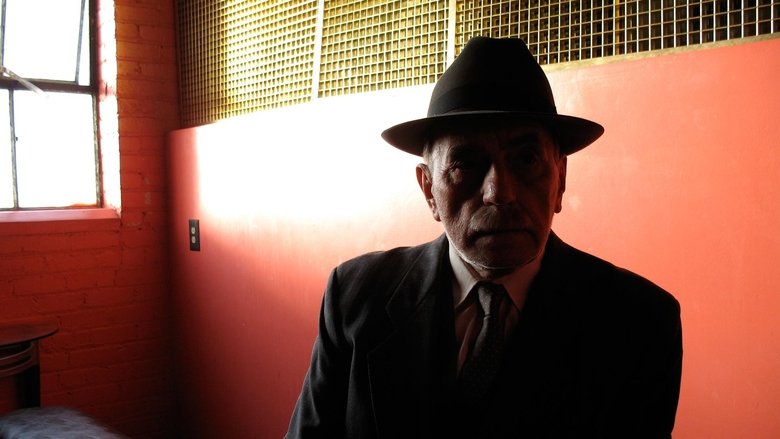
Albert Fish, the horrific true story of elderly cannibal, sadomasochist, and serial killer, who lured children to their deaths in Depression-era New York City. Distorting biblical tales, Albert Fish takes the themes of pain, torture, atonement and suffering literally as he preys on victims to torture and sacrifice.
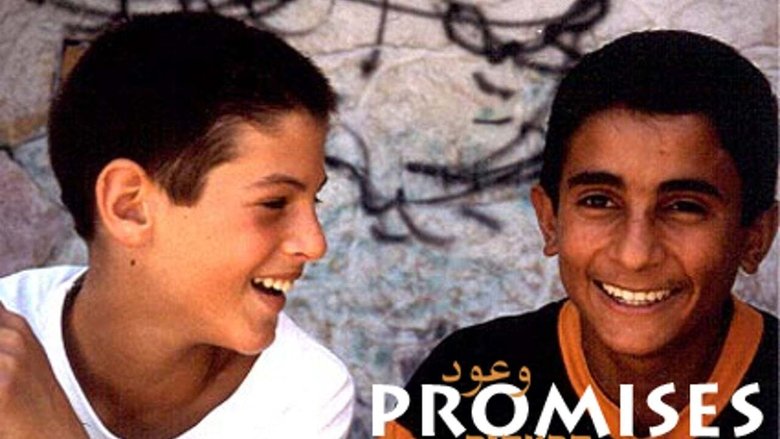
Documentarians Justine Shapiro and B.Z. Goldberg traveled to Israel to interview Palestinian and Israeli kids ages 11 to 13, assembling their views on living in a society afflicted with violence, separatism and religious and political extremism. This 2002 Oscar nominee for Best Feature Documentary culminates in an astonishing day in which two Israeli children meet Palestinian youngsters at a refugee camp.
For doctors “MARASMA” was a diagnosis: a state of deep organic deterioration, total loss of strength. In mental hospitals, people did not die of mental illness, but of marasmus. This is what the medical records say, which today reveal the most difficult stories: those of the last among the weakest, children and women. Through their testimonies we can also give voice to those who do not know, who do not want or can not remember.
Rites and operation of the circumcision of thirty Songhai children on the Niger. Material of this film has been used to make "Les Fils de l'Eau".