100 Years of Japanese Cinema (1995)
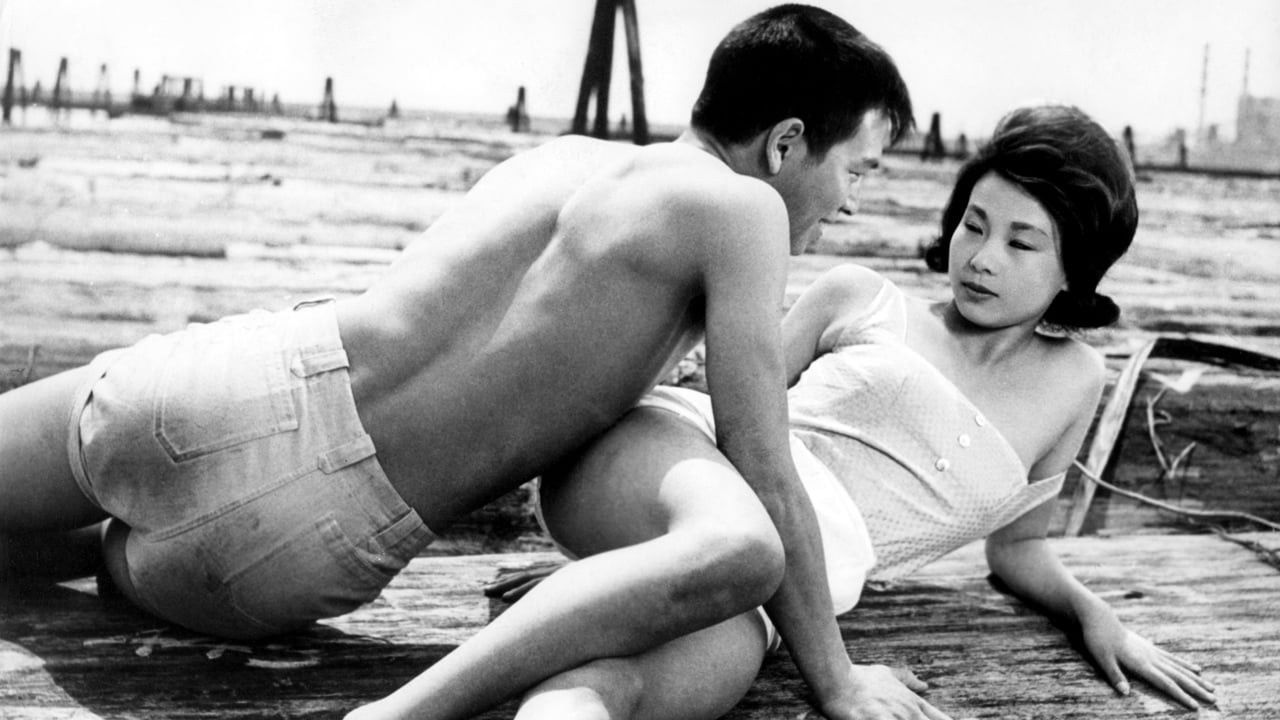
The story of the first century of Japanese cinema from the point of view of the controversial Japanese filmmaker Nagisa Ōshima.
The story of the first century of Japanese cinema from the point of view of the controversial Japanese filmmaker Nagisa Ōshima.
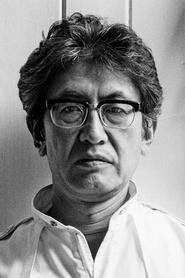 Nagisa ŌshimaSelf - Narrator (voice)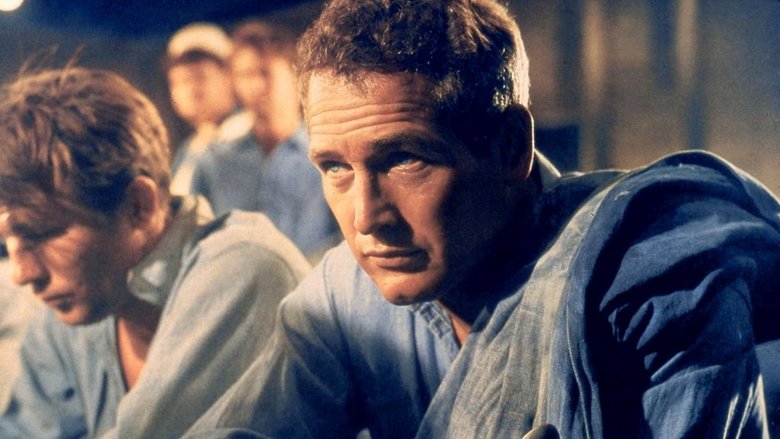
Multi-talented, Paul Newman is one of the greatest American actors of all time. With his silhouette of a Greek statue and his unreal blue eyes, he embodied the quintessential Hollywood star. But he never seemed satisfied. The son of a Jewish sporting goods retailer who despises him and a Catholic mother who adores him, driven by self-doubt and an inherited need for approval from his childhood, he has worked throughout his fifty-year career to break the image of the pretty boy. He made his first experiences in the famous Actors Studio. The breakthrough as a screen star came in 1958 with "Cat on a Hot Tin Roof". From then on he preferred characters on the edge of the American dream. With archive images and film excerpts, the documentary paints a portrait of a socio-politically committed man with many facets and also pays tribute to the role of his wife Joanne Woodward.
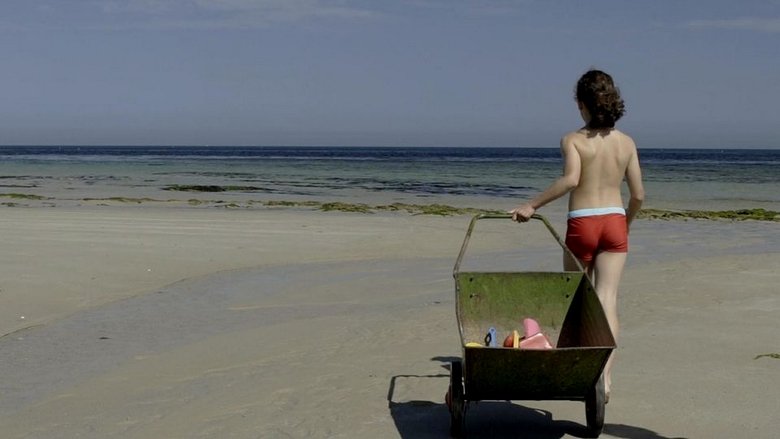
An account of the last two centuries of the Anthropocene, the Age of Man. How human beings have progressed so much in such a short time through war and the selfish interests of a few, belligerent politicians and captains of industry, damaging the welfare of the majority of mankind, impoverishing the weakest, greedily devouring the limited resources of the Earth.
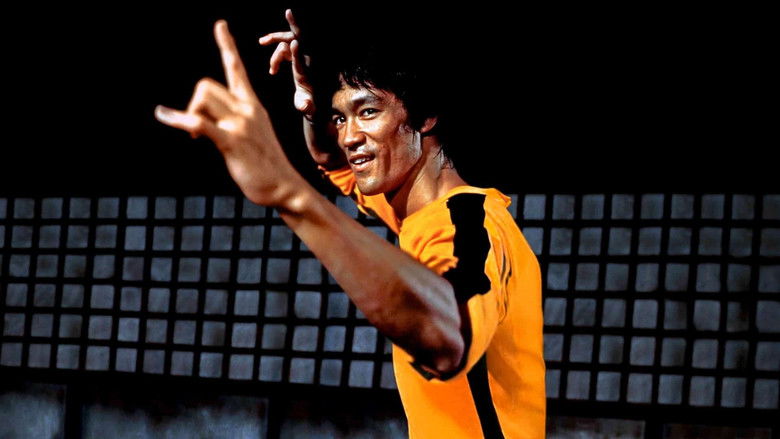
The fantastic story of how an ancient martial art, Chinese kung fu, conquered the world through the hundreds of films that were produced in Hong Kong over the decades, transformed Western action cinema and inspired the birth of cultural movements such as blaxploitation, hip hop music, parkour and Wakaliwood cinema.
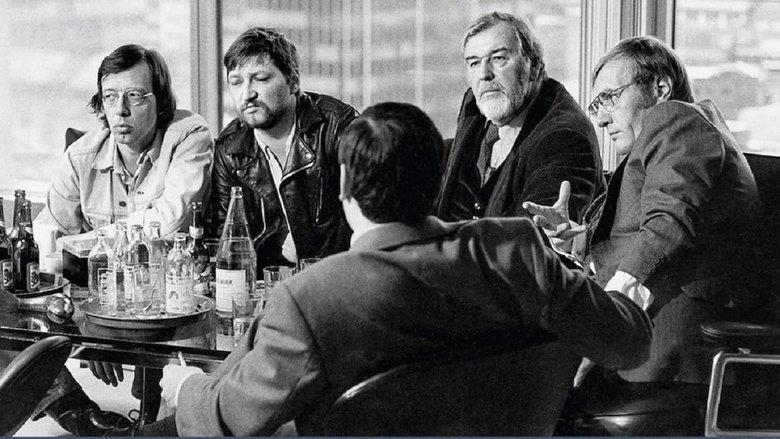
Documentary about filmmakers of the New German Cinema who were members of the legendary Filmverlag für Autoren (Film Publishing House for Authors). Among them are Werner Herzog, Rainer Werner Fassbinder, and Wim Wenders.

Music is an integral part of most films, adding emotion and nuance while often remaining invisible to audiences. Matt Schrader shines a spotlight on the overlooked craft of film composing, gathering many of the art form’s most influential practitioners, from Hans Zimmer and Danny Elfman to Quincy Jones and Randy Newman, to uncover their creative process. Tracing key developments in the evolution of music in film, and exploring some of cinema’s most iconic soundtracks, 'Score' is an aural valentine for film lovers.
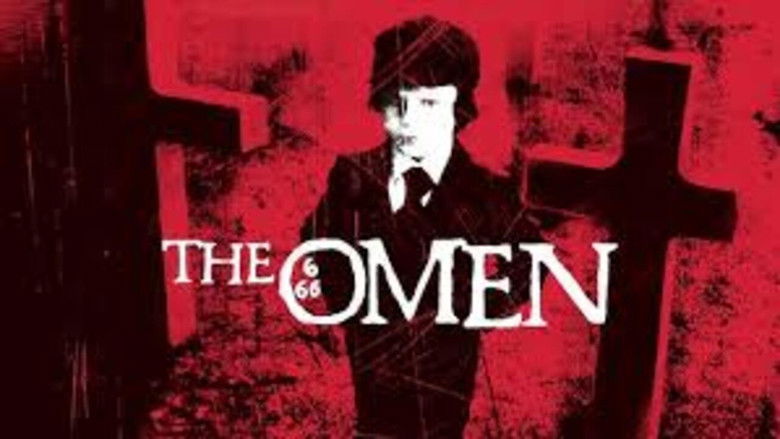
The true stories that spawned the serie tale of Damien, a small boy with an angelic face, whose very name still conjures up thoughts of Satan. This documentary shares spine-tingling information about the the all-too-memorable flick that has terrorized film audiences since 1976.
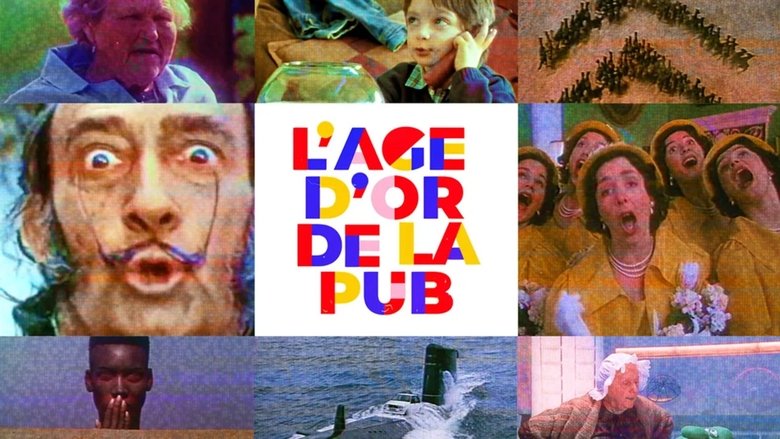
55 years ago, on October 1 1968, the first brand advertising spot appeared on the French television screen. Over the next three decades, thousands of creative little films would seduce and build our collective memory. Kitschy or cult spots, humor, slogans, music, stars, gimmicks, grand spectacle or sex appeal: during its golden age, how did advertising convince? Thierry Ardisson has brought together almost 400 advertising clips to relive the era of the conquest of minds and wallets.
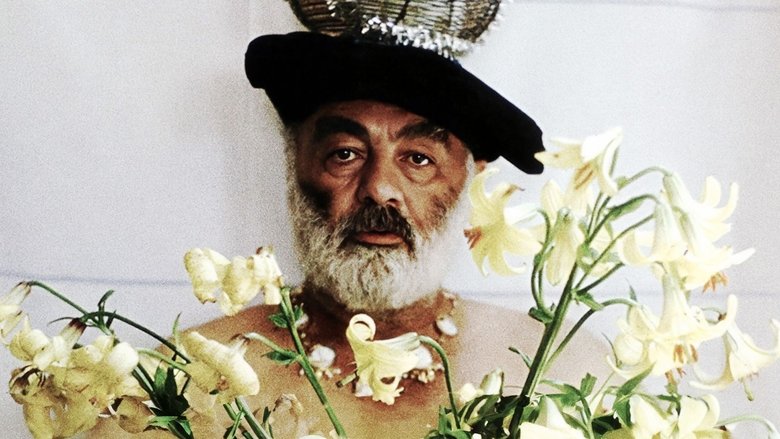
The author of the film decides to leave the country where she lives, in connection with the outbreak of the dramatic events, and return home to Armenia in search of a worthy example and solutions on how to live on. Paradjanov's house becomes a place of inspiration and a point of no return to toxic reality.
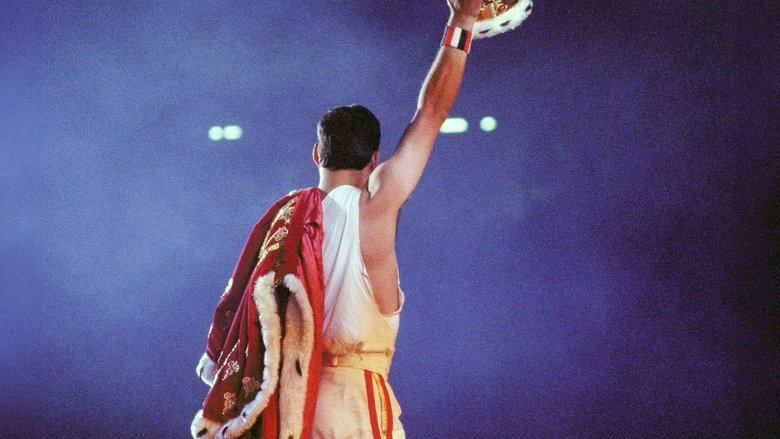
We Are the Champions isn’t just a Queen track, it’s the sound of victory itself. This documentary traces how Freddie Mercury’s vision of a communal anthem leapt from News of the World into stadiums across the globe, becoming the ultimate soundtrack to triumph. With Brian May and Roger Taylor reflecting on its creation, and with decades of archive footage showing fans, athletes, and nations singing as one, the film makes a case for why this towering arena ballad still rules the winners’ podium.
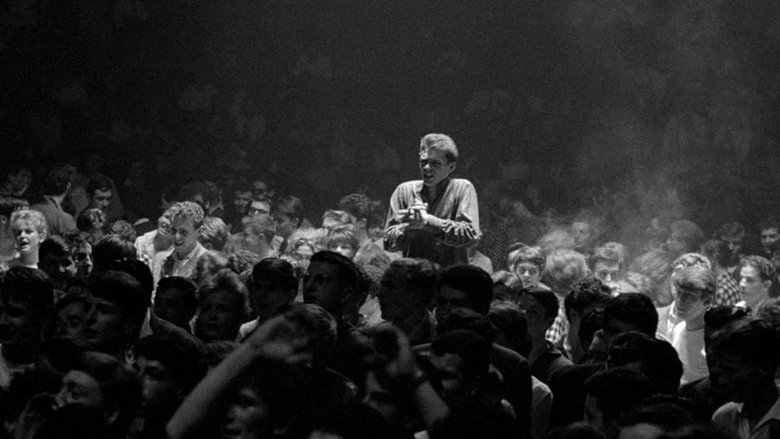
The rock-wild youth of the 1960s during the apparitions of their idols.

This documentary depicts the filmmaker Alejandro Jodorowsky talking about his life, his loves, his career as a filmmaker, graphic novelist, and workshop leader, and his eccentricities including tarot reader and theatrical director during The Panic Movement. Directed by Louis Mouchet, La Constellation Jodorowsky includes a lengthy on-camera interview with Jodorowsky in Spanish with subtitles. Marcel Marceau, Fernando Arrabal, Peter Gabriel, Jean "Moebius" Giraud, and Jean Pierre Vignau make appearances discussing their various projects with the director. In addition to the interview and film clips, Mouchet features some bizarre footage from Jodorowsky’s absurdist plays in which topless women splattered with paint writhe around the stage in a theatrical production meant to represent The Panic Movement, i.e., an artistic expression in which reason cannot fully express the human experience.
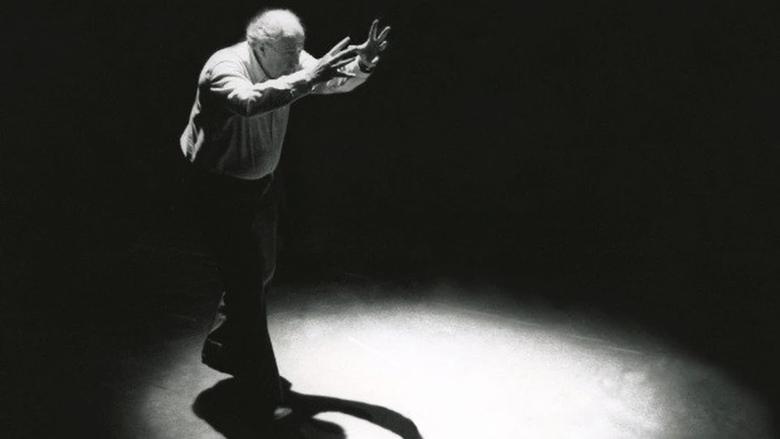
Robert Altman's life and career contained multitudes. This father of American independent cinema left an indelible mark, not merely on the evolution of his art form, but also on the western zeitgeist. With its use of rare interviews, representative film clips, archival images, and musings from his family and most recognizable collaborators, Altman is a dynamic and heartfelt mediation on an artist whose expression, passion and appetite knew few bounds.
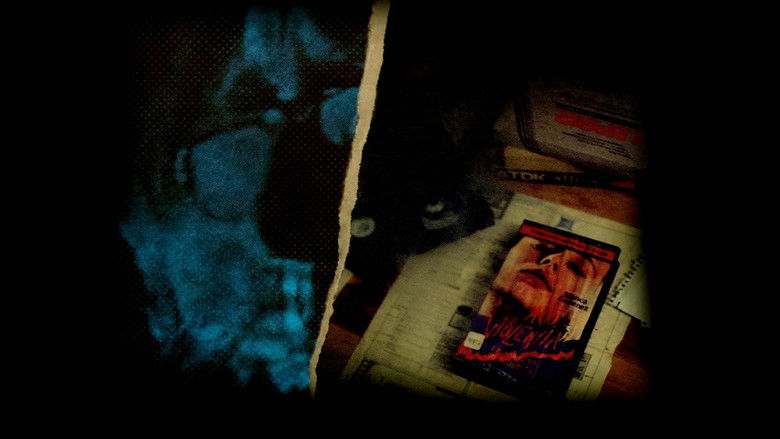
Act of Violence Upon a Young Journalist is a film shot in 1988 and released on VHS in 1989; a mysterious cult work of Uruguayan cinema surrounded by strange theories about Manuel Lamas, its unknown creator. Until now.
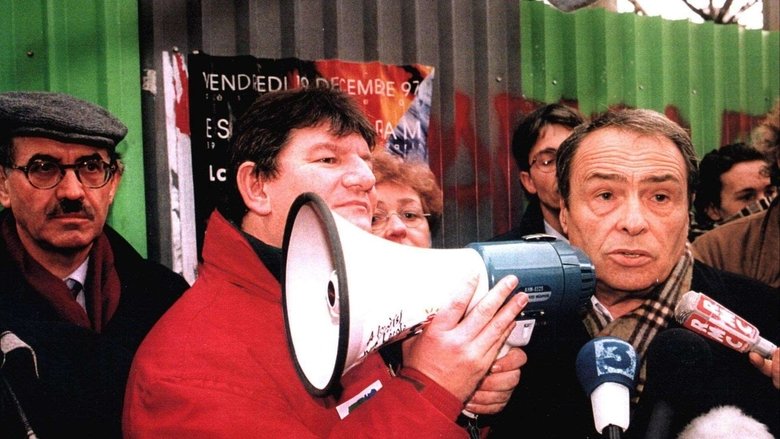
"I often say sociology is a martial art, a means of self-defence. Basically, you use it to defend yourself, without having the right to use it for unfair attacks." (Pierre Bourdieu) The world has witnesses who speak out loud what others keep to themselves. They are neither gurus, nor masters, but those who consider that the city and the world can be thought out. The sociologist, Pierre Bourdieu is one such witness." Over a three- year period, Pierre Carles' camera followed him through different situations: a short conversation with Günter Grass, a lively conference with the inhabitants of a working-class suburb, his relations with his students and colleagues and his plea that sociology be part of the life of the city. His thinking has a sort of familiarity, which means it is always within our reach. It is the thinking of a French intellectual who has chosen to think his times.
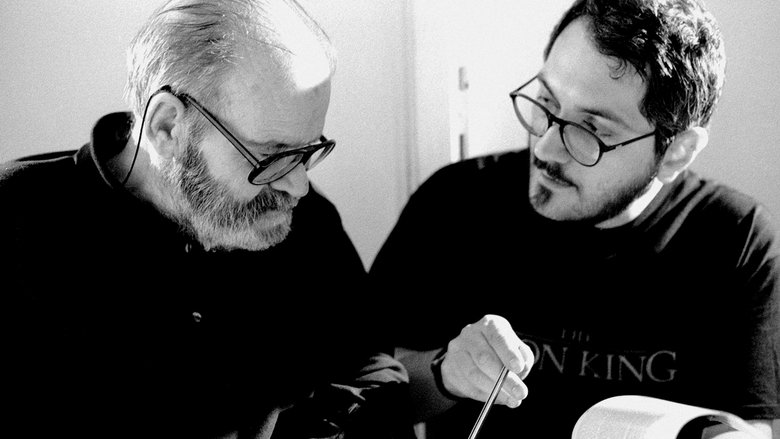
Rome, Italy, June 1993. Antonietta De Lillo and Marcello Garofalo interview legendary Italian film director Lucio Fulci (1927-96).
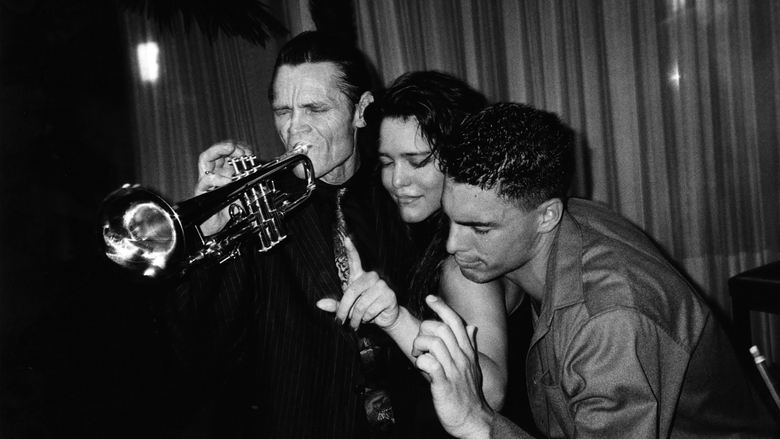
Documentary about jazz great Chet Baker that intercuts footage from the 1950s, when he was part of West Coast Cool, and from his last years. We see the young Baker, he of the beautiful face, in California and in Italy, where he appeared in at least one movie and at least one jail cell (for drug possession). And, we see the aged Baker, detached, indifferent, his face a ruin. Includes interviews with his children and ex-wife, women companions, and musicians.
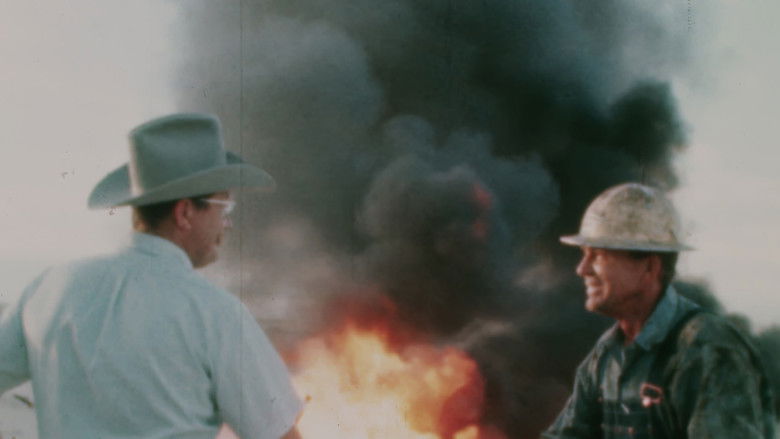
Exploring the dramatic origin story of the climate crisis and how a political battle in the George H.W. Bush administration changed the course of history.
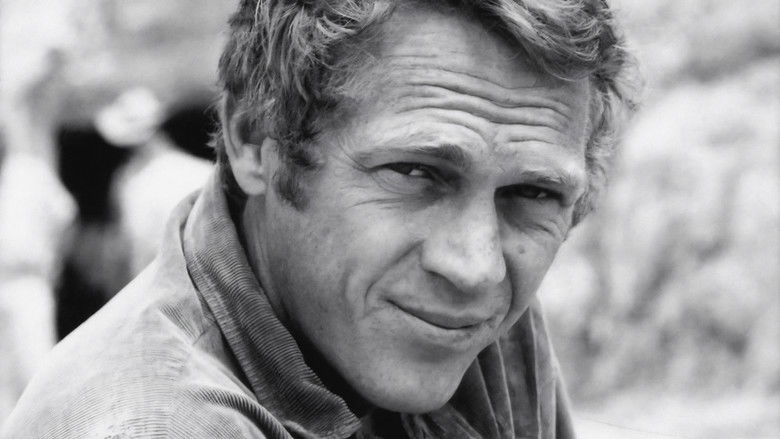
A walk through the incredible personal and artistic history of legendary actor, race car driver and cultural icon Steve McQueen (1930-80).
A brief portrait of famous and brave bullfighter Manuel Benítez el Corbobés; an account on still photos of his triumphs and failures.