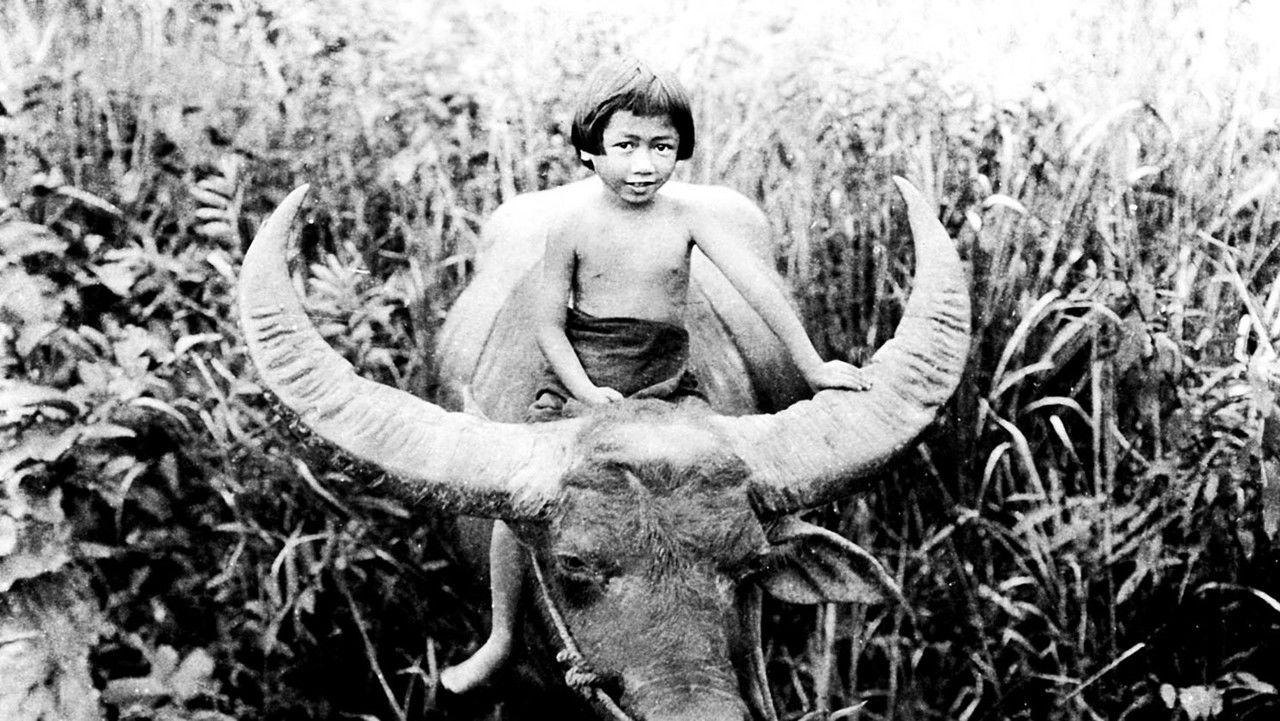
Chang: A Drama of the Wilderness (1927)
Elephants disrupt the lives of a family deep in the jungles of Northern Siam, and an entire village.
Elephants disrupt the lives of a family deep in the jungles of Northern Siam, and an entire village.
 Natives of the WildThemselvesWild BeastsThemselvesThe JungleItselfKruKru - the Lao TribesmanChantuiChantui - His WifeNahNah - Son and Heir of the House of KruLadahTheir Little GirlBimbo the MonkeyNamulThanA Friend from the Lao Village
It is a dramatic film, with its colossal explosion and smouldering remains. Within seconds of the chimney's collapse, crowds swarm in to inspect the site; issues of the crowd's health and safety are clearly not a concern, as people smile, wave and salute the camera.
In 1908, Director/Producer Shozo Makino (father of Japanese cinema) directed and produced the first dramatic film in Kyoto. “Honnô-ji Gassen” was shot at Shinnyo-Do Temple. Considered a lost film.
It was the first film version of the Hunchback of Notre Dame.
A troupe of gypsies takes a traveler along with them on their day trip.
Inal, Nia, Aska, Yanti, Attar, and Ondeng struggled to get education in a free school built by the teacher. Inal, who is blind and Ondeng, who has “backwardness”, have to go through winding journeys to and from school. Ondeng's ability to draw sketches makes him always "record" everything he is passionate about: his father's life as a fisherman and the fragile bridge that his friends always walk on. His goal: to build the bridge. When that fragile bridge collapsed while they were crossing, it didn't discourage them. Ondeng's thoughts that always remember his father and his fear of being abandoned by his father made Ondeng out of control and did not realize the dangers of taking his own boat to the sea.

In 18th century France, the Chevalier de Fronsac and his Native American friend Mani are sent by the King to the Gevaudan province to investigate the killings of hundreds by a mysterious beast.
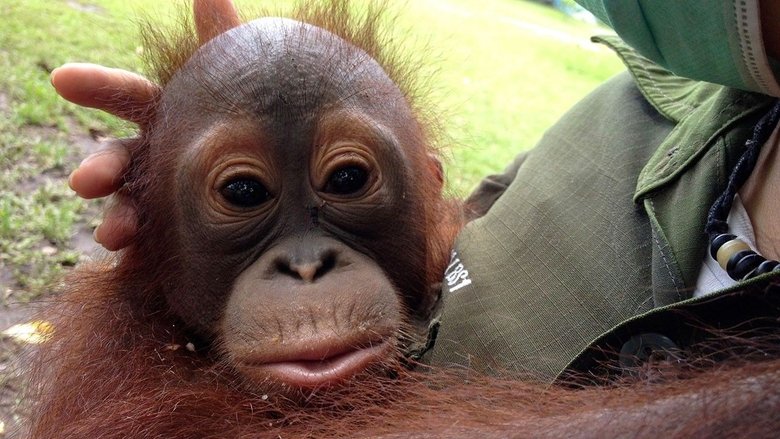

Kang lives alone in a big house, Non in a small apartment in town. They meet, and then part, their days flowing on as before.

A group of self-absorbed actors set out to make the most expensive war film ever. After ballooning costs force the studio to cancel the movie, the frustrated director refuses to stop shooting, leading his cast into the jungles of Southeast Asia, where they encounter real bad guys.

Shun and Nagisa first meet and fall in love during their first year of high school. While Shun is graduating from university, Nagisa tells him that he doesn't see a future for them. Despite Shun's strong feelings, they go their separate ways. Years later, Shun is now a store owner, living alone in a rural area. Out of the blue, Nagisa arrives with his six-year-old daughter, Sora. Spending time together, Shun realizes he still harbors feelings for Nagisa. Can Nagisa reconcile with his feelings for Shun, which have been there all along?
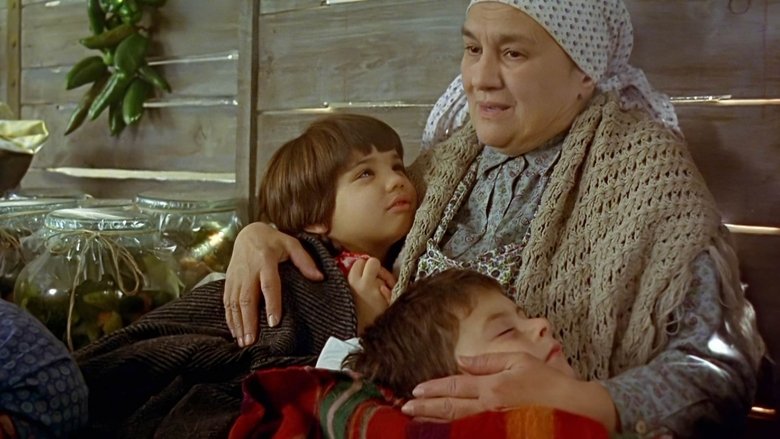
In 1941, the inhabitants of a small Jewish village in Central Europe organize a fake deportation train so that they can escape the Nazis and flee to Palestine.

Heinz Strunk, plagued by crater-like skin rashes, lives with his sick mother in Hamburg-Harburg in the 1980s. As a saxophonist, he tours the North German lowlands with the dance combo "Tiffanys". In this bizarre universe of Korn, Klaus & Klaus and Koteletts, bandleader Gurki teaches him how to deliver cheerful, upbeat music. To escape the vicious circle of shooting festivals and village weddings, Heinz wants to start a solo career and become a hit producer...
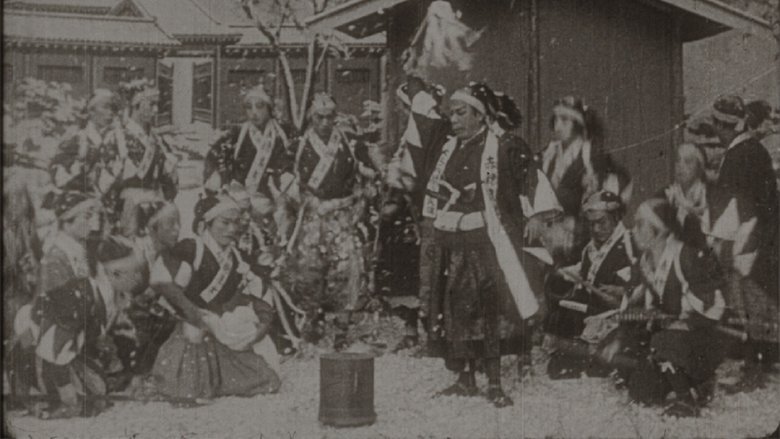
An adventure film with Benshi performers. Sometimes considered the 'first Japanese feature film', it survives today as a compilation of scenes from various different 1910s adaptations totaling nearly three hours in length. The bulk of the content comes from the 1911 adaptation by legendary Japanese filmmaker Makino Shozo.
Daughters of Today was a 1928 silent film from Lahore, in present-day Pakistan (then British India). It was produced by G.K Mehta and directed by Shankradev Arya. This was the first feature film made in Lahore, and helped to establish the city of Lahore as one of the centers of filming in India. The Lahore film industry is now known as Lollywood. Production started in 1924 and took three years to complete, mainly due to financial problems. Two participants later became prominent personalities of the South Asian film industry: A.R. Kardar was one of the most famous Bombay film directors in the 1930s, 1940s and 1950s; and actor M. Ismael's film career spanned over five decades.
From an early age, Arnold believes he is an extraterrestrial. Day in, day out, he is busy trying to build a flying machine that will finally take him "home". Protected by his mother Ida and her long-time admirer, the country doctor Emil, he is regarded as a quirky but lovable outsider in his home village.
Yeong-deuk and Jeong-sun and engaged. Yeong-deuk comes back home after completing his studies and meets the wrong kind of friends who revel in liquor and women.
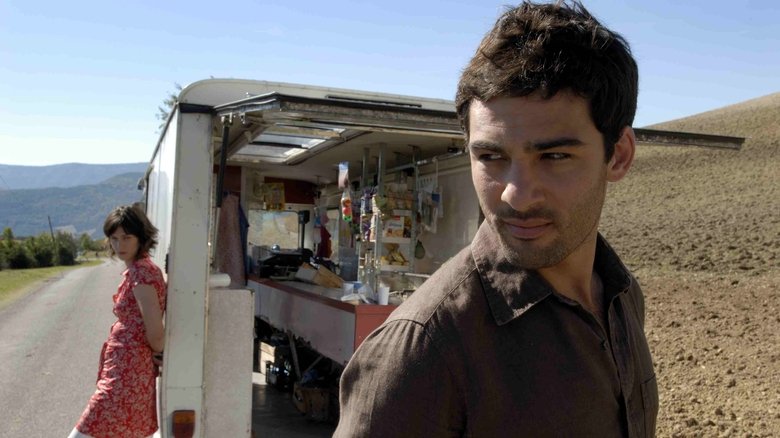
Antoine Sforza, a thirty-year-old young man, left his village ten years before in order to start a new life in the big city, but now that his father, a traveling grocer, is in hospital after a stroke, he more or less reluctantly accepts to come back to replace him in his daily rounds.

Shot in various villages throughout Yugoslavia, this is a disturbing document of a time when people were stabbing each other with knives without any real reason. Murderers, people who witness these murders and the families of victims all talk about the senseless violence and the human condition.
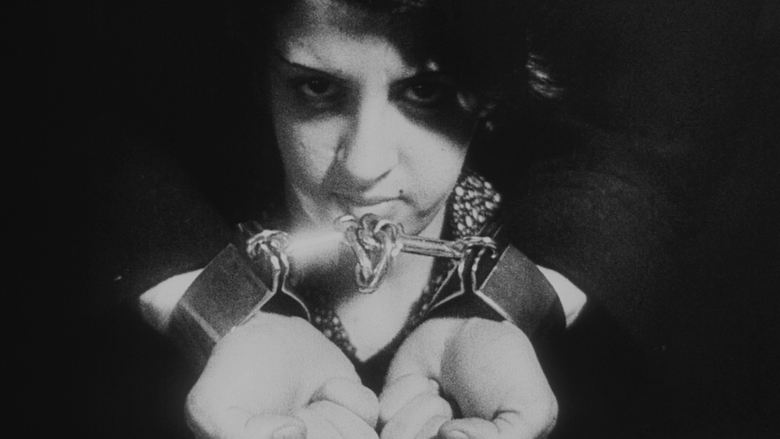
Adrift in the vast expanse of the ocean, a solitary boat carries three castaways—a man and two women. Stranded and devoid of any glimmer of rescue, they find solace in recounting the tales of their lives to one another. As they delve into their personal narratives, reminiscing about the circumstances that led them to this desolate predicament, they navigate through the depths of three distinct destinies. Bound by the confines of their shared space, every aspect of their existence becomes a boundary, underscoring their plight.
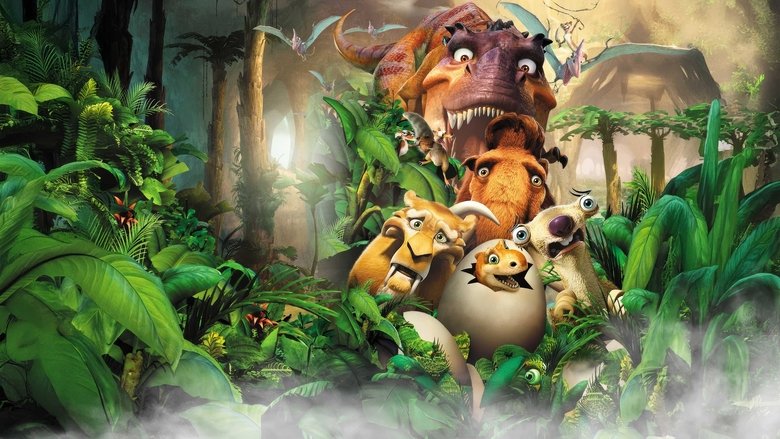
Times are changing for Manny the moody mammoth, Sid the motor mouthed sloth and Diego the crafty saber-toothed tiger. Life heats up for our heroes when they meet some new and none-too-friendly neighbors – the mighty dinosaurs.