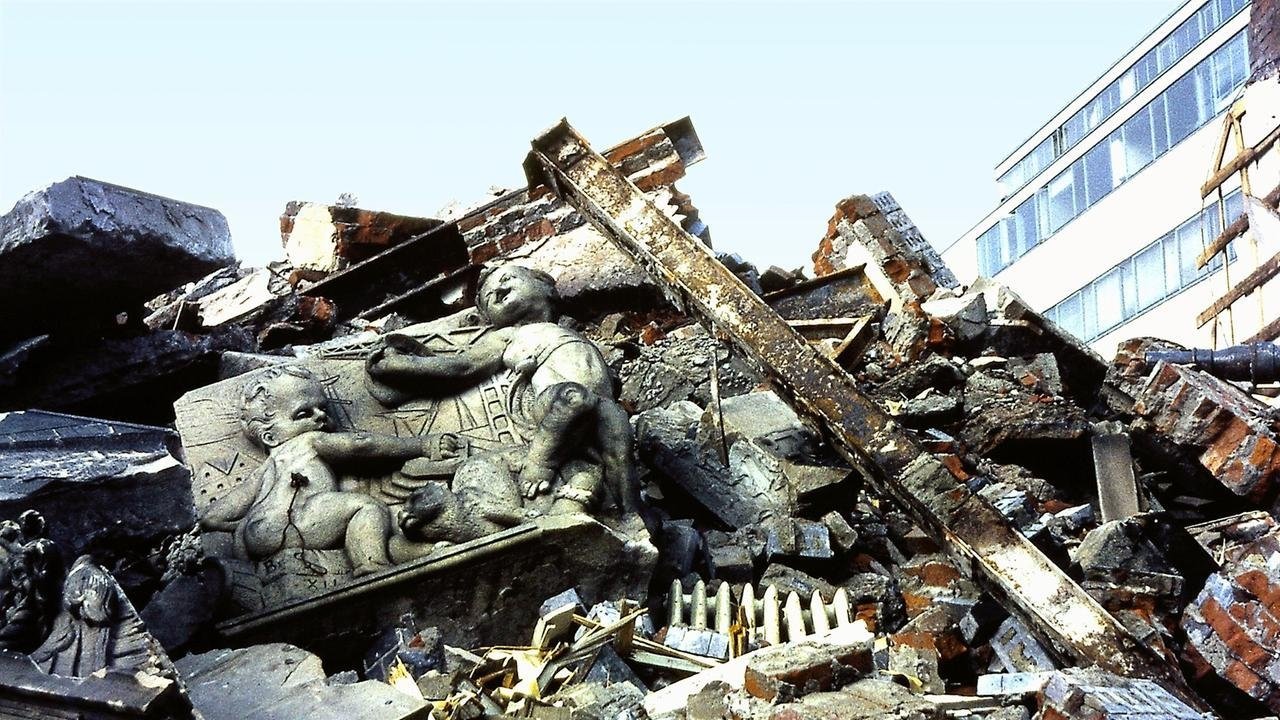
Unsere Städte nach '45 (2017)
A documentation about the reconstruction and destruction of german cities after the 2nd World War.
A documentation about the reconstruction and destruction of german cities after the 2nd World War.
 Gabi BlumNarrator
From the inner workings of the RAF. Former RAF-member Peter-Jürgen Boock reveal the many secrets and myths about the Baader-Meinhof gang a.k.a. RAF - Rote Armee Fraktion.
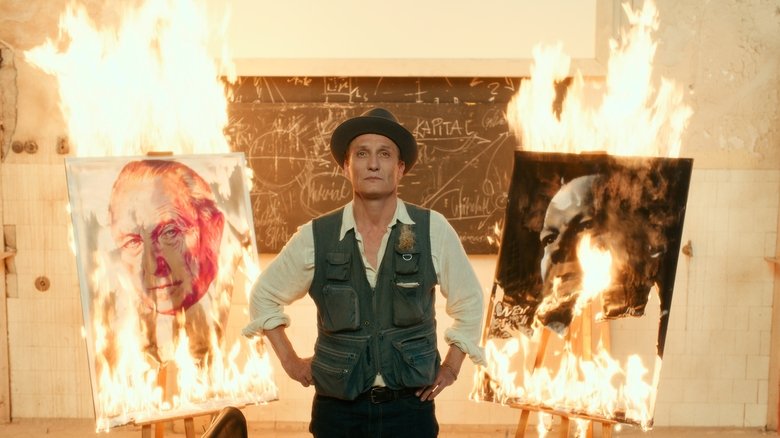
German artist Kurt Barnert has escaped East Germany and now lives in West Germany, but is tormented by his childhood under the Nazis and the GDR regime.
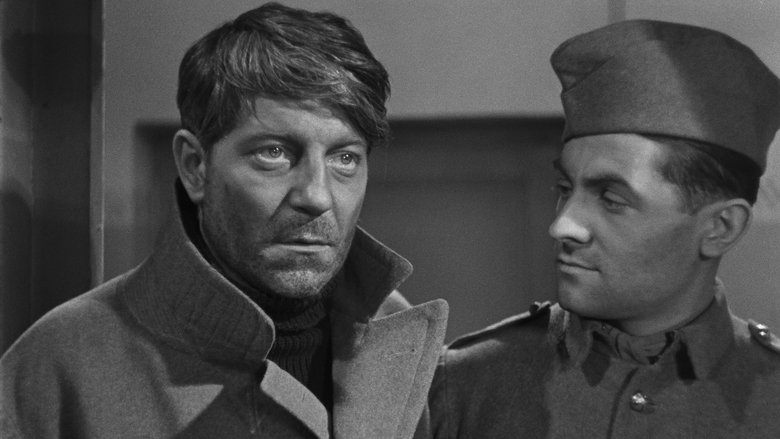
A group of French soldiers, including the patrician Captain de Boeldieu and the working-class Lieutenant Maréchal, grapple with their own class differences after being captured and held in a World War I German prison camp. When the men are transferred to a high-security fortress, they must concoct a plan to escape beneath the watchful eye of aristocratic German officer von Rauffenstein, who has formed an unexpected bond with de Boeldieu.
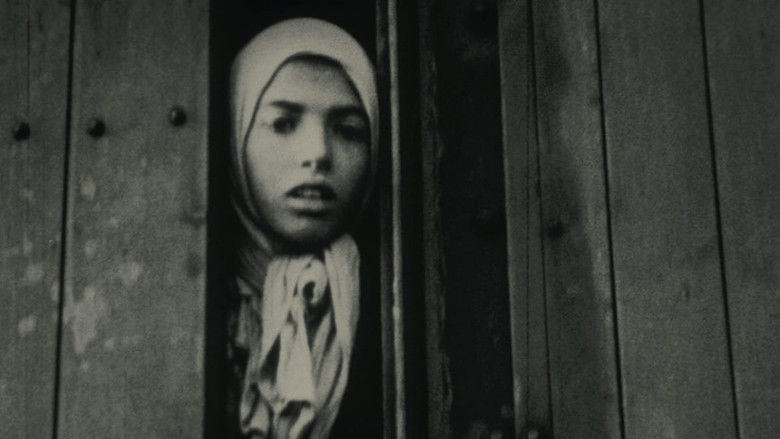
Filmmaker Alain Resnais documents the atrocities behind the walls of Hitler's concentration camps.
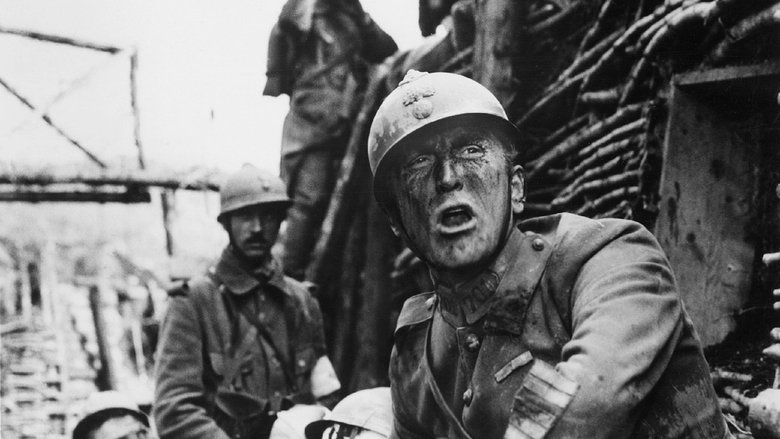
A commanding officer defends three scapegoats on trial for a failed offensive that occurred within the French Army in 1916.
Henry Ford, the legendary automobile manufacturer, James D. Mooney, the GM manager and Tom Watson, the IBM boss, were all awarded the Grand Cross of the German Eagle, the Nazis' highest distinction for foreigners, by Hitler for their services to the Third Reich. At this time, in 1937 and 1938, Hitler's armaments industry was running at full speed. The German subsidiaries of these American companies - Opel, the Ford Werke AG and Dehomag - had willingly allowed themselves to be integrated into the "Führer's" war preparations. The film concentrates on the companies which were indispensable for Hitler to wage war. The documentary is supported by new archive material, as well as interviews with contemporary witnesses and experts.
2024 is likely to be a decisive year for Sahra Wagenknecht's political future. In the arena of power, she might assume a role that she is already very familiar with. In the early years following the fall of the Berlin Wall, Sahra Wagenknecht became the "most famous face" of the PDS, the successor party to the SED. Yet, even as the youngest member of the party's executive board, she was considered a "disruptive factor." She is unyielding and swims against the tide. Sahra Wagenknecht does not distance herself from Stalinism, nor from the Berlin Wall, and wishes for a reformed GDR.

A documentary of the German national soccer team’s 2006 World Cup experience that changed the face of modern Germany.
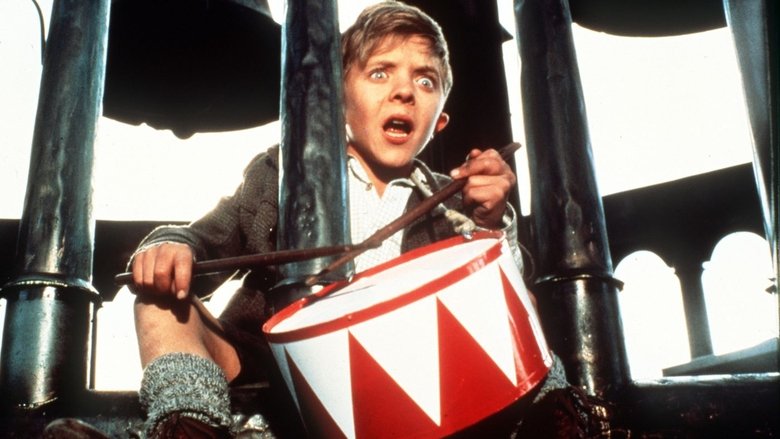
Oskar Matzerath is a very unusual boy. Refusing to leave the womb until promised a tin drum by his mother, Agnes, Oskar is reluctant to enter a world he sees as filled with hypocrisy and injustice, and vows on his third birthday to never grow up. Miraculously, he gets his wish. As the Nazis rise to power in Danzig, Oskar wills himself to remain a child, beating his tin drum incessantly and screaming in protest at the chaos surrounding him.
Moona Moon is a poet and kanaktivist. She appears on stage with her texts at Spoken Word Performances. Her topics include racism, sexism and life/survival in a white German society.
Journey to united Germany, a nation physically and culturally at the crossroads of history. See quaint medieval villages, beautifully restored cities and unequaled cultural wonders. Visit the cradle of German civilization, Lake Constance. Lose yourself in the Black Forest, a fairy-tale land of cuckoo clocks and half-timbered, thatched-roofed houses. Admire imaginatively painted housefronts in quaint Bavarian villages nestled among Alpine peaks.
The real Great Escape didn't feature Steve McQueen racing through the Third Reich on a motorcycle like in the 1963 movie, but the big breakout was still thrilling in every way. This program sheds new light on the audacious escape of 76 Allied airmen from a Nazi POW camp during World War II.

Dark green, impenetrable forests cover a landscape with secluded valleys and rugged mountain ridges. 2.000 rivers and streams dig deep into the underground and transport their water into reservoirs or "Germany's Wild Amazon", the Wupper. These forests and rivers, together with heath-lands and moors, are home to a diverse fauna. Martens, badgers, wild boars, hares, roe deer, red deer and wild boars, even black grouse and hazel deer find shelter in these parts. Wolves have also have a dominant presence, not to mention those who live underground, such as lizards, bats, and snakes. Accompany us on a journey where we explore every corner of this rugged land. Climb underground into the Bergisches Land, through the vast hidden cave systems that sprawl far beneath the forests. There is also much to be discovered in the water, dive with us in crystal clear streams and rivers with their diverse flora and fauna.
In the months and years following the end of the World War Two, Allied forces faced a series of bombings and attacks in occupied Germany. Nazi loyalists attempted to derail the rebuilding process by killing any Germans collaborating with the enemy. And the mysterious SS-Werewolves underground organization boasted of the coming rebirth of the Party.
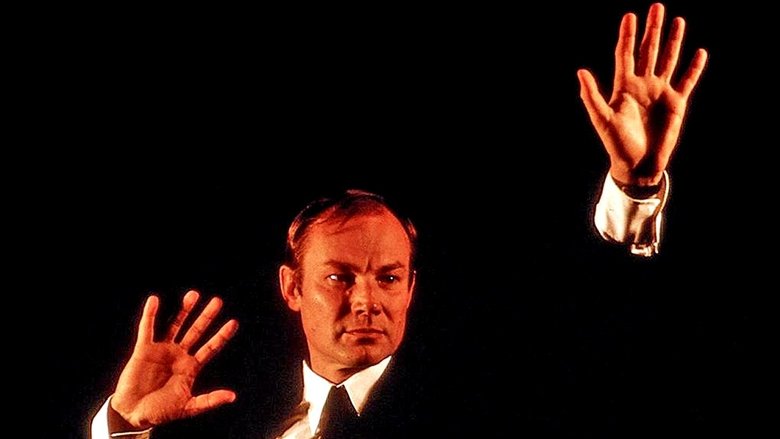
A man's story parallels Hitler's rise. Austrian Klaus Schneider, wounded in World War I, recovers in the care of Dr. Emil Bettleheim. Bettleheim discovers that Schneider possesses powers of empathy and of clairvoyance, such that could aid suicidal patients. After the war, with one friend as his manager and another as his lover, Schneider changes his name to Eric Jan Hanussen and goes to Berlin, as a hypnotist and clairvoyant performing in halls and theaters. He always speaks the truth, which brings him to the attention of powerful Nazis. He predicts their rise (good propaganda for them) and their violence (not so good). He's in pain and at risk. What is Hanussen's future?
An examination of Israel and its society after many months of war, seen initially through the prism of viral social media posts - and exclusive interviews with the soldiers behind them. These posts, some shared millions of times, show soldiers humiliating bound Palestinians, ransacking their homes, joking as they detonate schools and whole districts, and laughing as they launch high explosive ordnance into densely-packed areas. The award-winning team behind this Basement Films production traveled to Israel to interview some of these soldiers, who proudly defended themselves and their videos, some expressing callous disregard for Palestinians in Gaza. Through additional interviews with Israeli radical groups, politicians, and media figures, the film reveals Israeli Jewish society in the aftermath of October 7th, gripped by a vengeance and hate that puts into question any possibility for peace.
An unusual friendship in an agitated political context.