
Q'eros: The Shape of Survival (1979)
Exploration of the way of life of the Q’eros Indians of Peru, who have lived in the Andes for more than 3,000 years.
Exploration of the way of life of the Q’eros Indians of Peru, who have lived in the Andes for more than 3,000 years.
 Robert GardnerNarratorCaitlin FitzgeraldNarrator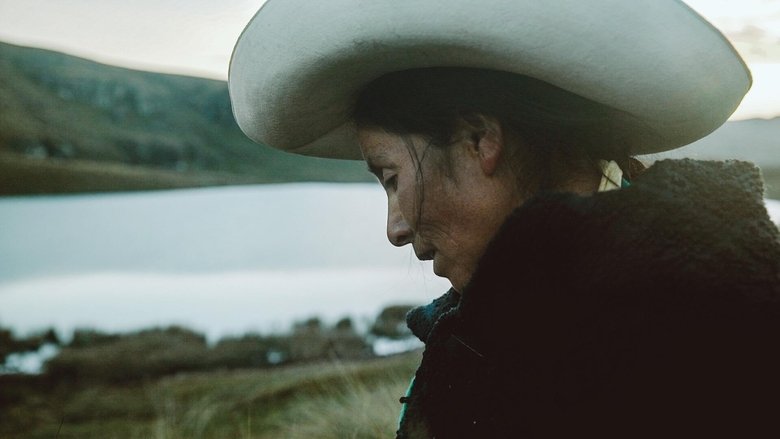
A multi-billion-dollar mining project is launched by the American Newmont Mining Corporation and lays claim to the land belonging to Preuvian highlander Máxima Acuña.
The Andes Mountains travel the western side of South America. Unlike many other mountain ranges of their altitude, the Andes do support human life on their high altitude slopes. Modern life is slowly making its way to the high altitude Andes, but the natives for the most part continue with the traditional ways of their ancestors, growing limited crops such as beans and potatoes - where the crop originated - raising sheep and pigs, and living in crude huts. The llama is the most useful of their work animals. The most conspicuous aspect of the native dress is their derby hats, the origins which are unknown. Further down the slopes, agriculture and ranching is more productive and is carried out by descendants of the Spanish settlers. There is a famous lake district in the Chilean part of the Andes, where resort hotels are located.
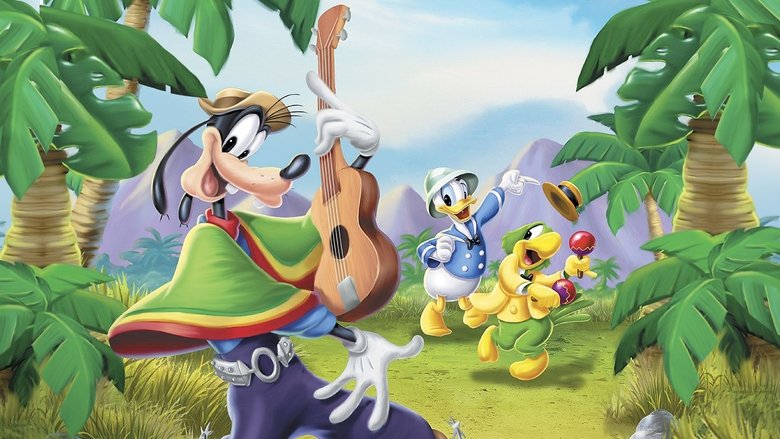
A whimsical blend of live action and animation, "Saludos Amigos" is a colorful kaleidoscope of art, adventure and music set to a toe-tapping samba beat. From high Andes peaks and Argentina's pampas to the sights and sounds of Rio de Janeiro, your international traveling companions are none other than those famous funny friends, Donald Duck and Goofy. They keep things lively as Donald encounters a stubborn llama and "El Gaucho" Goofy tries on the cowboy way of life....South American-style.
In this documentary film a team of researchers examine the social contexts that influenced the emergence and permanence of heavy metal music in Chile, Argentina, Mexico and Peru. Colonialism, dictatorships, terrorism and neoliberal exploitation serve as points of reference for how heavy metal in the region has been directly linked to each country's social and political context.
The Road Forward is an electrifying musical documentary that connects a pivotal moment in Canada’s civil rights history—the beginnings of Indian Nationalism in the 1930s—with the powerful momentum of First Nations activism today. Interviews and musical sequences describe how a tiny movement, the Native Brotherhood and Sisterhood, grew to become a successful voice for change across the country. Visually stunning, The Road Forward seamlessly connects past and present through superbly produced story-songs with soaring vocals, blues, rock, and traditional beats.
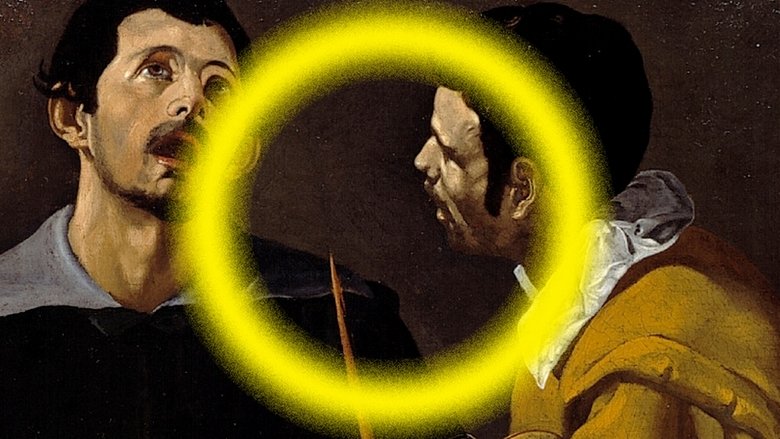
A journey through the Spain of the Baroque, the glorious 17th century, an unfortunate era of endless wars and political tribulations; but also of great painters and sculptors who created astonishing pieces of art: el Siglo de Oro.
Deep in the jungles of Peru, a silky anteater is fighting to stay awake and a mother humming bird is struggling to raise her chick. Through millions of years of evolution they have developed bizarre relationships and unexpected strategies to overcome them changing conditions, but for all their ingenuity, they were never prepared for the arrival of a new species on the scene.
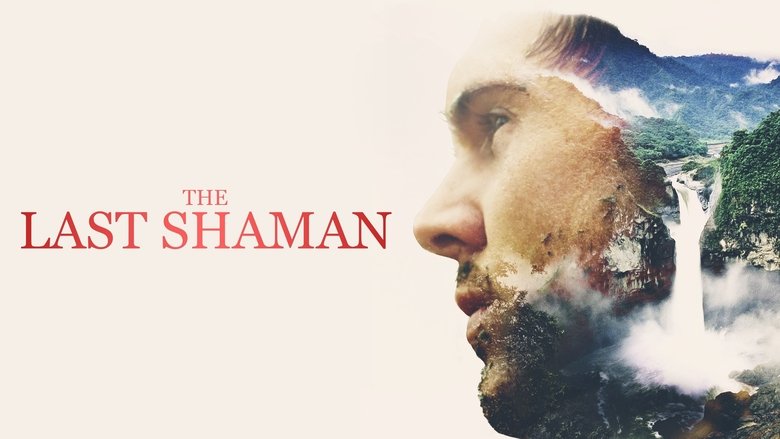
James, giving himself 12 months before he has "a license to kill himself," sets off to the Amazon rainforest with hopes of finding a shaman who can save his life.
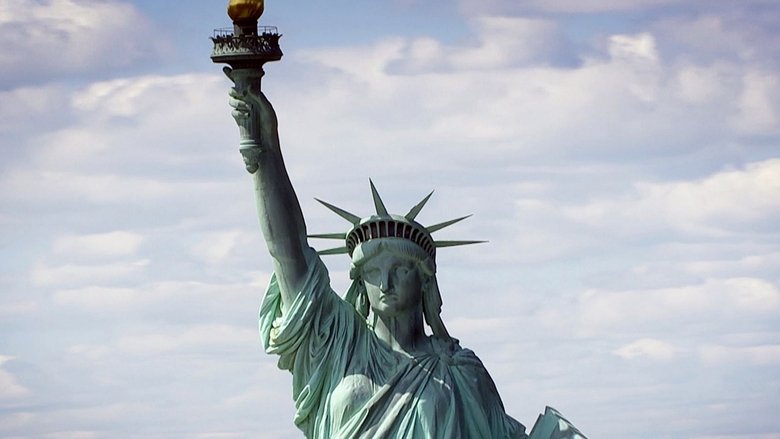
The history of Europeans in North America, from the arrival of Columbus in 1492 to the business success of German immigrants such as Heinz, Strauss or Friedrich Trumpf, Donald Trump's grandfather. During the 19th century, thirty million people — Germans, Irish, Scots, Russians, Hungarians, Italians and many others — left the old continent, fleeing poverty, racism or political repression, hoping to make a fortune and realize the American dream.
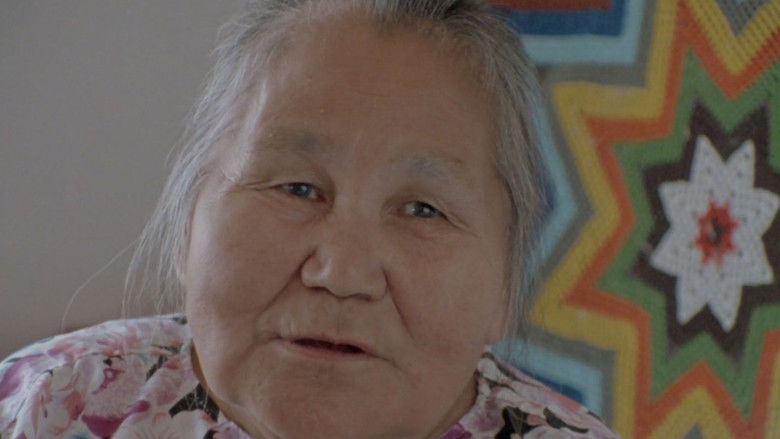
In 1953 the Canadian government relocated Inuit families from Northern Québec to the High Arctic, promising an abundance of game and fish and assuring them they could return home after two years if things didn't work out. They would not see their ancestral lands for 30 years. Abandoned in flimsy tents, the Inuit were left to fend for themselves in the desolate settlements of Resolute Bay and Grise Fiord, where the sea was nearly always frozen and darkness reigned for months on end.
Benito Arévalo is an onaya: a traditional healer in a Shipibo-Konibo community in Peruvian Amazonia. He explains something of the onaya tradition, and how he came to drink the plant medicine ayahuasca under his father's tutelage. Arévalo leads an ayahuasca ceremony for Westerners, and shares with us something of his understanding of the plants and the onaya tradition.
In the Bella Coola Valley, a haunting legend endures through generations as a filmmaker reckons with whether the stories of her ancestors can survive being held or if they were never meant to be captured.
The film follows Postcommodity, an interdisciplinary arts collective comprised of Raven Chacon, Cristóbal Martinez and Kade L. Twist, who put land art in a tribal context. The group bring together a community to construct the Repellent Fence, a two-mile long ephemeral monument “stitching” together the US and Mexico.
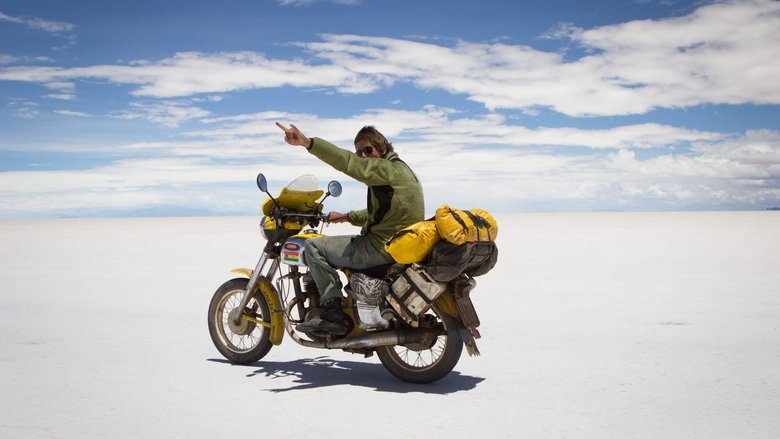
The third installment in Dan Přibáň's series of travel documentaries describes the author's journey with his friends across South America in vehicles that are often notorious but cult in their own way. The charming dynamics of the group on screen are further enhanced by the high-quality craftsmanship.
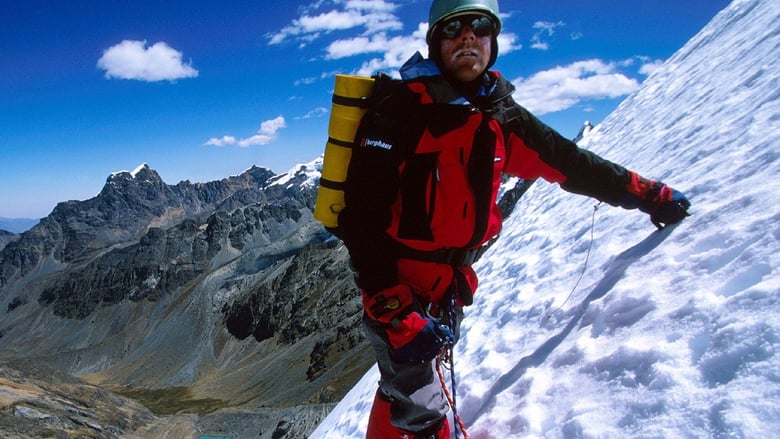
The true story of Joe Simpson and Simon Yates' disastrous and nearly-fatal mountain climb of 6,344m Siula Grande in the Cordillera Huayhuash in the Peruvian Andes in 1985.

Narrated by Academy Award winners Sissy Spacek and Herbie Hancock, River of Gold is the disturbing account of a clandestine journey into Peru's Amazon rainforest to uncover the savage unraveling of pristine jungle. What will be the fate of this critical region of priceless biodiversity as these extraordinarily beautiful forests are turned into a hellish wasteland?
In a dark, ambiguous environment, minuscule particles drift slowly before the lens. The image focuses to reveal spruce trees and tall pines, while Innu voices tell us the story of this territory, this flooded forest. Muffled percussive sounds gradually become louder, suggesting the presence of a hydroelectric dam. The submerged trees gradually transform into firebrands as whispers bring back the stories of this forest.
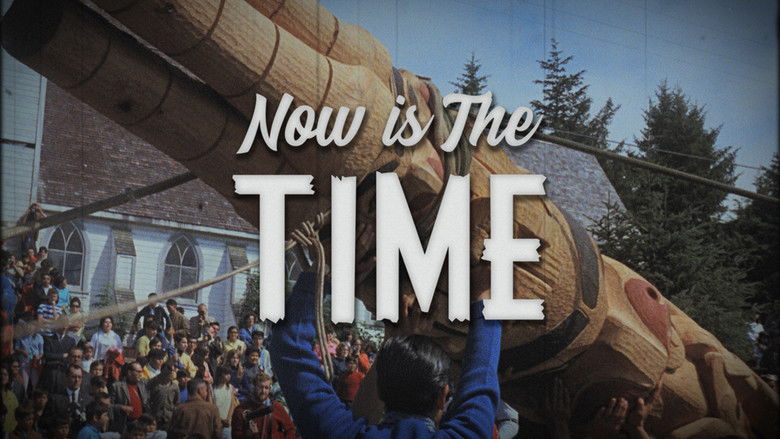
When internationally renowned Haida carver Robert Davidson was only 22 years old, he carved the first new totem pole on British Columbia’s Haida Gwaii in almost a century. On the 50th anniversary of the pole’s raising, Haida filmmaker Christopher Auchter steps easily through history to revisit that day in August 1969, when the entire village of Old Massett gathered to celebrate the event that would signal the rebirth of the Haida spirit.
Manifesto of the Pataxó tribe, with the testimony of the chief José Guajajara, in front of the Monument to Estácio de Sá, where the Tamoios massacre took place in 1567, on the coincident day that celebrates the foundation of the city of Rio de Janeiro, 20 January.
The elders of the Kichwa community of Sarayaku preserve the history of their land for the youngest. They save the knowledge of their traditions against modernity and the invasion of their territory.