
Deschutes Driftwood (1916)
A "scenic picture from a hobo's point of view".
A "scenic picture from a hobo's point of view".
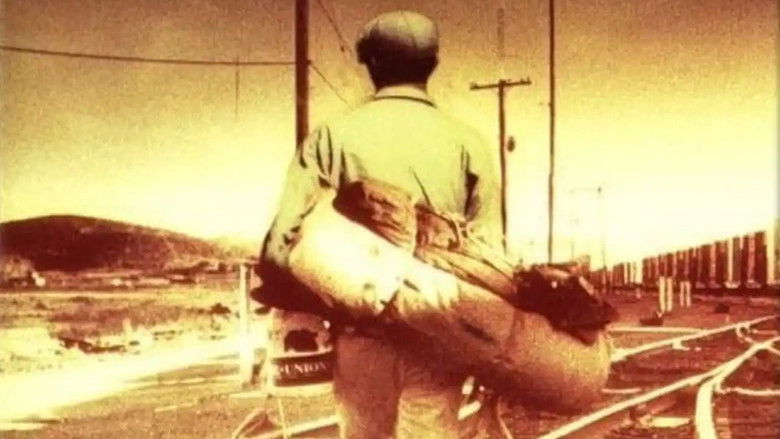
Ernest Borgnine, star of the classic train movie Emperor of the North, hosts and narrates this remarkable examination of the uniquely American Hobo.
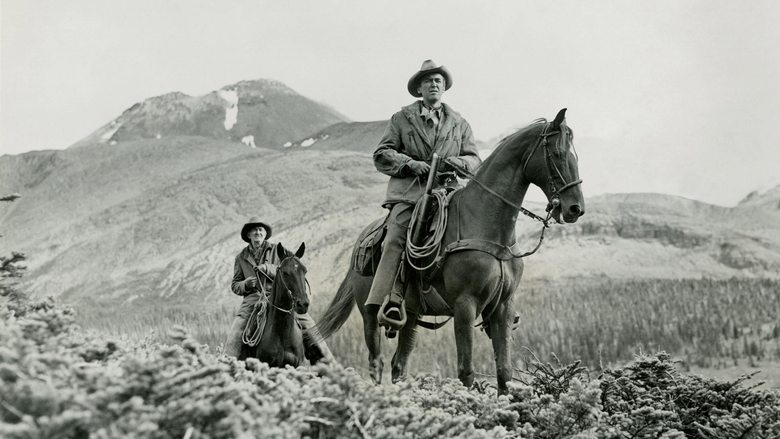
During the Klondike Gold Rush, a misanthropic cattle driver and his talkative elderly partner run afoul of the law in Alaska and are forced to work for a saloon owner to take her supplies into a newly booming but lawless Candian town.
Two Brothers travel from Alaska to Northern California. They happen upon a certain evil in the woods.
Filmed on location in Montana and Washington State, this 1976 biography of poet and teacher Richard Hugo features readings of some of his most famous poems as well as interviews with his family and friends.
Just as the original hobos of the early 20th century were scorned the mainstream of society, so too are today's train riders. FREELOAD is a dive into a beggar's existence. It is a ride through America's backyard. It is a musical endeavor that feels like a drama. It is a sociological examination of the ignored.
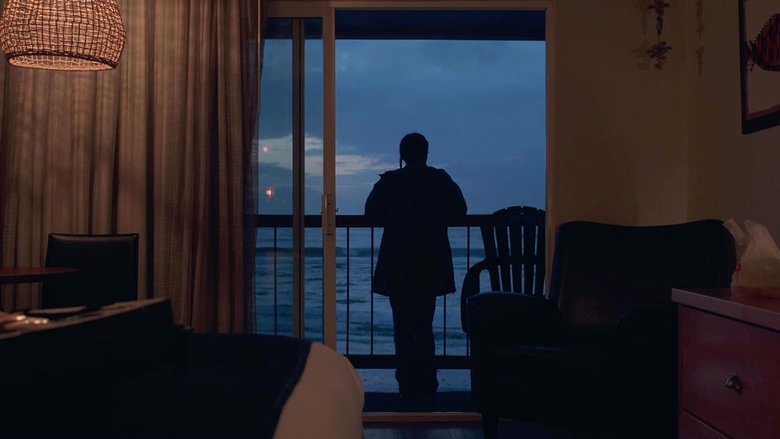
An experimental look at the origin of the death myth of the Chinookan people in the Pacific Northwest, following two people as they navigate their own relationships to the spirit world and a place in between life and death.
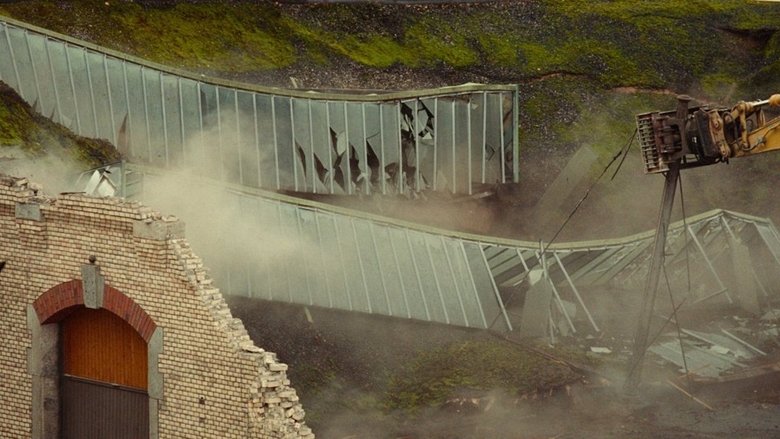
The film explores the destruction of a unique train station in Zurich and the construction of the new prison and police centre in its place. From the perspective of the filmmaker’s window, and with testimony from prisoners awaiting deportation, the film probes how we deal with the extinction of history and its replacement with total security.
A fearless horse bonds two men to each other and to the traditions that define their community.
On The Go Magazine Hip-Hop Graffiti Video
Hip-Hop Culture and Graffiti Video Magazine
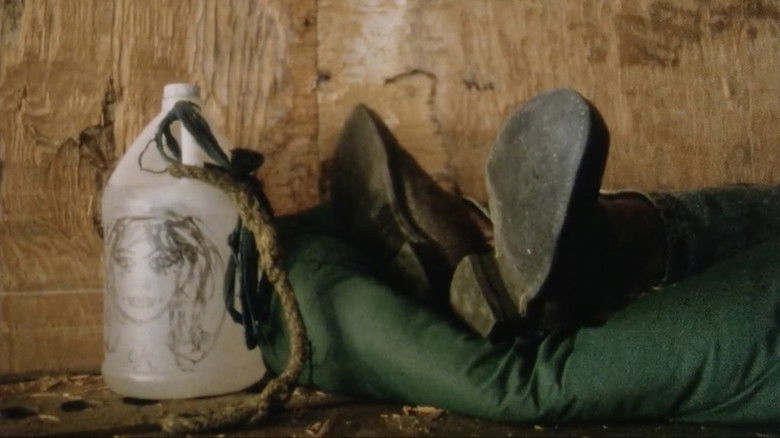
John T. Davis stashes a camera in his bedroll, catches out, and rides the rails from Minneapolis to Seattle with Beargrease - a part-time hobo and full time philosopher, who narrates their way through the incredible scenery of the Northwest and gives us his views on life, liberty, and the pursuit of happiness. Along the way, the pair meet with several other men living life on the margins.
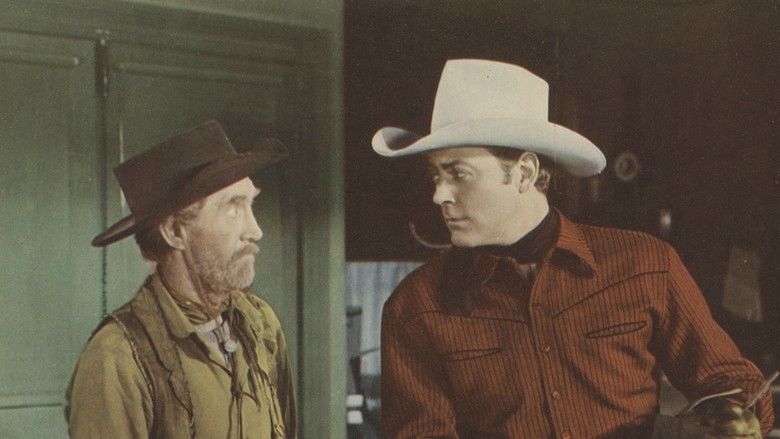
Outlaw gangs are plundering the freight lines that bring supplies into Yellow Creek. The only thing that will save the town is the insurance money on the freight, but the outlaws are looking to steal that also. Lane comes to town as the best man for the wedding of Tom and Judy, but it will be up to him to find the outlaw boss.
"Who Is Bozo Texino?" is a film study on the 100-year-old tradition of hobo and railworker graffiti. Mostly shot on freight trips across the western US, the film includes interviews with some of the railroad’s greatest graffiti legends: Colossus of Roads, The Rambler, Herby (RIP) and the granddaddy of them all, Bozo Texino. The film also catches some of the socio-economic history of hobo subculture from its roots after the Civil War to the present day. The range of the interviews, and the film’s style deal with both the clichés and the harsh realities of tramp life.
Esteemed for its scenic beauty and respected for the difficulty of its terrain, Tennessee Pass has been a magnet, drawing railfans and photographers to Colorado's mountains for years. When word spread that Union Pacific was closing the pass in 1997, interest climbed to an all-time high. Along with visitors from throughout the world, Pentrex traveled to this revered line to document its final months of operation. Our efforts were rewarded with a high volume of movements and an outstanding mix of trains. The grit of heavy-haul railroading is an awesome sight. Coal trains slug it out on the 3 percent grade leading to the 10,000-foot summit. Colorado's highest snow-capped mountains loom over toiling freights. Squealing flanges echo off canyon walls as trains grind through serpentine curves, and past the raging waters of the Arkansas River.
An unexpected speeding freight train ploughs into the film crew, a camera assistant is struck and killed by the locomotive. The film's director is subsequently charged with criminal trespass and involuntary manslaughter. An Australian crime author starts to dig and an exhaustive three-year investigation ensues, uncovering shocking new evidence of cover up, collusion and corruption.
In the decade they were operated, Union Pacific's 8500-series Gas Turbine Electric Locomotives earned two nicknames: UP dubbed them the "Super Fleet" for obvious reasons as they were the largest, most powerful locomotives ever employed by the railroad. More often the Turbines were referred to as "Big Blows" due to the deafening roar of their engines. Thirty of these GE-built giants were delivered to the UP between 1958 and 1961. Used primarily between Ogden, Utah and Green River, Wyoming, where the tough grades of the Wasatch Mountains required UP's sturdiest power, these monsters could log up to 10,000 miles a month hauling heavy mixed freight and coal trains. The 8500 series were permanently coupled six-axle units running on C-C trucks, and their prime mover was the most powerful ever used in a locomotive. The operating weight for the A and B units combined was close to 850,000 pounds, yet they could attain speeds of up to 70 mph!
The Great American Hobo produced in 1980 features the music of Supertramp's "Take the Long Way Home" documenting the men and women who rode freight trains. Shot in 14 states and culminates with the Hobo Convention in Britt Iowa. Premiered the Independent Eye series for PBS in 1980.
Short documentary on the shunters in the Darling Island, Sydney, Australia railyard. Filmed in 1977.
When moist Pacific Ocean air collides with cold mountain temperatures, it creates an opportunity to see mother nature in her finest white dress. Railroads traverse these mountains by way of scenic routes and steep grades. Put winter and railroads together, and the result is something special: mile long freight trains braving white flurries, passenger coaches on mountain excursions, and small operators battling the elements. This is a Western Winter Wonderland. Featuring: Stevens Pass, Marias Pass, Mullan Pass, Deer Lodge Pass, Canadian Rockies, Donner Pass, Shasta, McCloud, Pengra Pass, and Port of Tillamook Bay Railroad.
See the Union Pacific fight and win as it takes on the Blue Mountains of eastern Oregon - the toughest challenge UP faces! Loaded with spectacular cab rides, Volume II hits all the highlights of this dramatic mountain district from La Grande to Hinkle. Scale the Blue Mountains from La Grande through Hilgard and Motanic to the summit at Kamela. Ride the cab of a new GE Dash 8. Get an engineer's view from a helper set on the rear of a UP freight. Experience Meacham Creek Canyon, the Umatilla River, Pendleton, and much more all in this exciting video!