
Palmyra: Rising from the Ashes (2017)
Documentary following a team of technicians in Italy as they reconstruct a number of historic Middle Eastern artifacts that were vandalized at the hands of Islamic State.
Documentary following a team of technicians in Italy as they reconstruct a number of historic Middle Eastern artifacts that were vandalized at the hands of Islamic State.
Francesco RutellihimselfGiuliano BonettoNarrator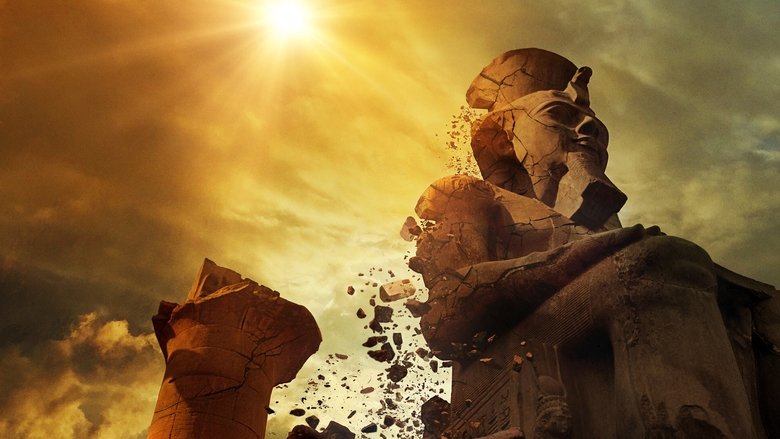
This explores the mysterious and catastrophic collapse of ancient civilizations during the late Bronze Age, from the Hittites to the Mycenaeans and the Egyptians, revealing the tumultuous events that brought an end to a thriving era of human history, and warns we may be facing similar threats today.

In Israel, a joint French-Israeli scientific mission is set to unearth the secrets of the hill of Kiryath-Jearim (or Kiryat Ya’arim), converted to the site of a Catholic convent, where, according to the Bible, the Ark of the Covenant was kept for at least twenty years before being brought to Jerusalem by King David, father of King Solomon, who would eventually build the Holy of Holies inside the First Temple to house it.
In August 2014 an Islamic State massacre of unimaginable proportions took place during the rapid invasion of the Yazidi people in Sinjar, northern Iraq. Young Yazidi women were separated from the old and taken to the Galaxy Cinema in Mosul. There they were paraded, selected, enslaved, tortured and systematically raped. Some were only 11 years old. Young Yazidi women were separated from the old and taken to the Galaxy Cinema in Mosul. There they were paraded, selected, enslaved, tortured and systematically raped. Some were only 11 years old. Yazidis, including the female victims, believe that sexual contact with a non-Yazidi, even through rape, results in a loss of Yazidi identity. The film asks what it means to be a survivor of genocidal violence and slavery in 2016. How does one restore the girls’ dignity and help them heal? How do the women get justice for these heinous crimes? The film delves into the lives of the young Yazidi women. This is their story.
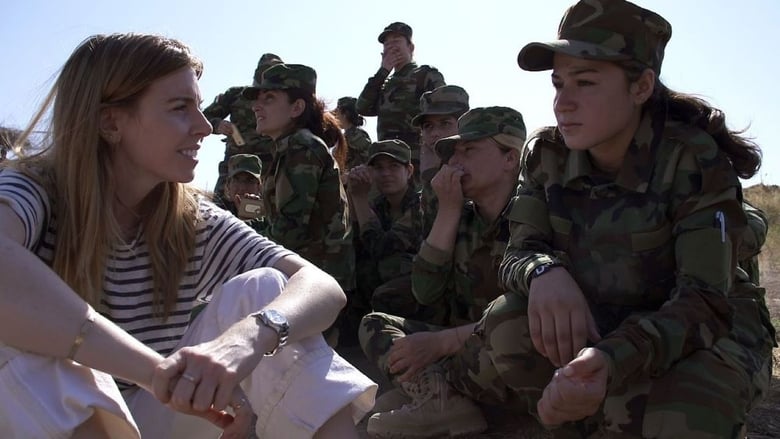
September 2016: Stacey Dooley embeds herself on the frontline with the extraordinary all-female Yazidi battalion, who are fuelled to take revenge against the so-called Islamic State. As the battle to take Mosul from ISIS advances in Northern Iraq, in this extraordinary film for BBC Three, Stacey finds these young women's lives have been transformed by a desire to avenge their loved ones who were murdered by Isis.
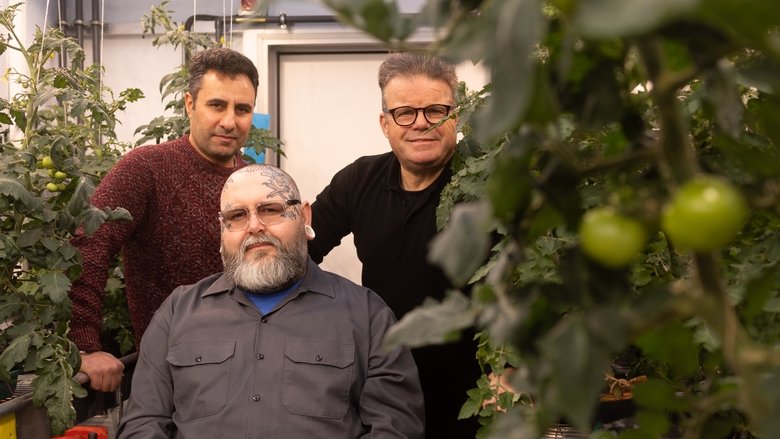
It is a daring idea: to grow food from old mattresses in a desolate camp at the edge of a war zone. When a refugee scientist meets two quirky professors, they must confront their own catastrophes - and make a garden grow. Short film now streaming on Waterbear.com.
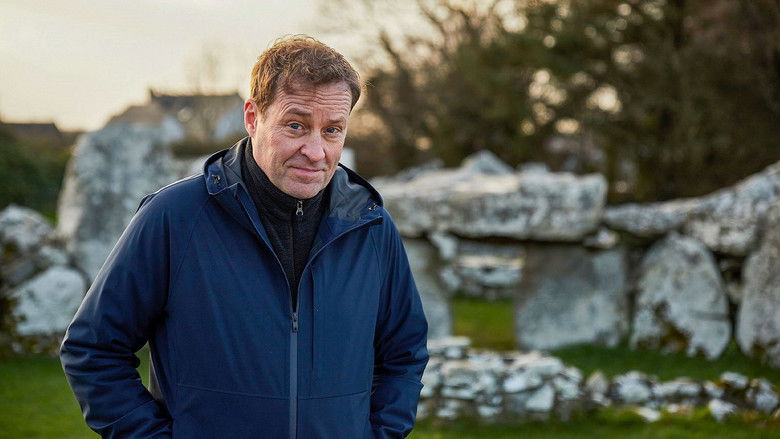
Ardal O’Hanlon explores a 1930s quest to find the first Irish men and women using archaeology, answering his deepest questions about what it means to be Irish.
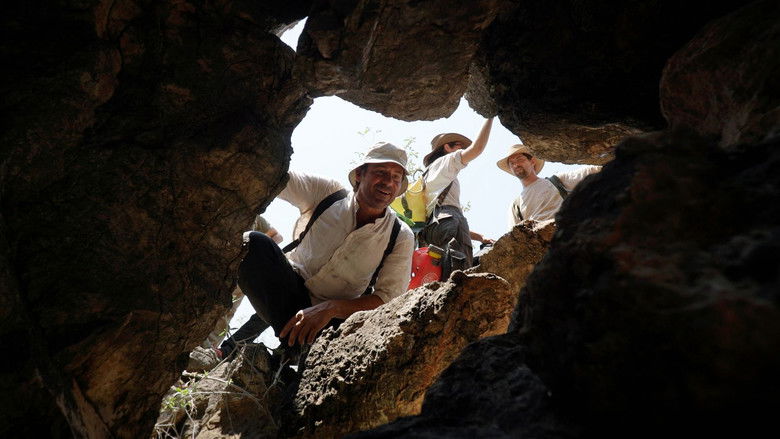
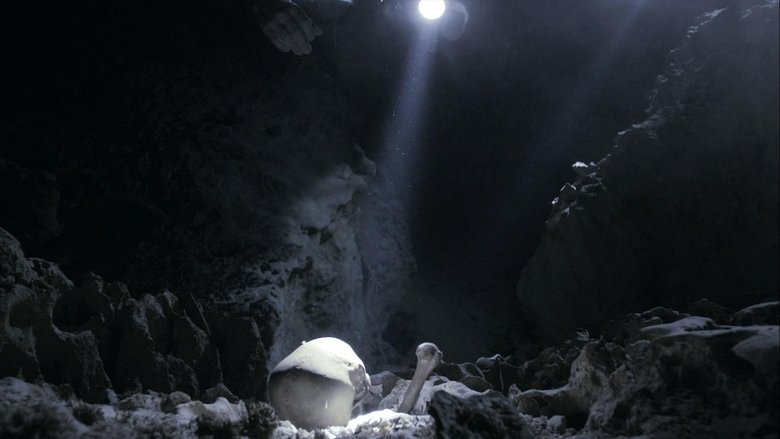
During risky expeditions in an underwater cave in Mexico, scientists unearth the skeleton of a 13,000-year-old prehistoric teenager to gain insight into the earliest known humans in America.
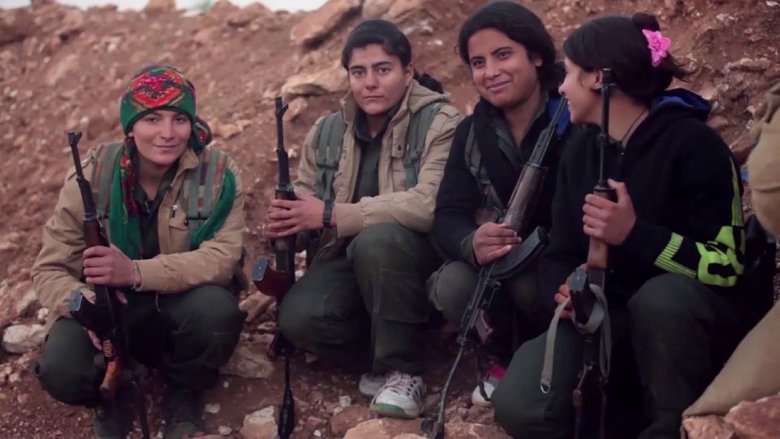
"Nû Jîn", New Life, with the slogan ' Woman is life. Life is resistance and resistance is Kobanê', depicts the daily life of women guerillas, Elif Kobanê (18), Vîyan Peyman and Arjîn, joining in the Women's Protection Units (YPJ) in their battle against ISIS. The documentary relates the ISIS assault of 15 September 2014 and the five-month resistance by the YPJ and People's Defense Units (YPG) through the lens of three women fighter
Paleolithic: a mysterious and enigmatic period. Hard to grasp from today's point of view. How did people live then, how did their communities function? What does the statue of the Venus of Willendorf tell us about them? ... The Venus of Willendorf, an ingeniously crafted 29,000-year-old statue of a woman, is a naked and sensual witness to the early Stone Age. Who does he represent? Is it a real depiction of a woman or an ideal? Is it a tribute to women mothers? Analysis of the famous statue and other archaeological finds from Austria and the Czech Republic shows that Paleolithic life was more diverse than previously thought, including the role of women, who very likely performed the same activities as men. They were hunters of big game and guardians of ancient knowledge. Take us back 29,000 years to people who were a lot more like us than we think.

Recent archaeological discoveries in Germany have changed the way we look at Celtic society and the major role played by women.
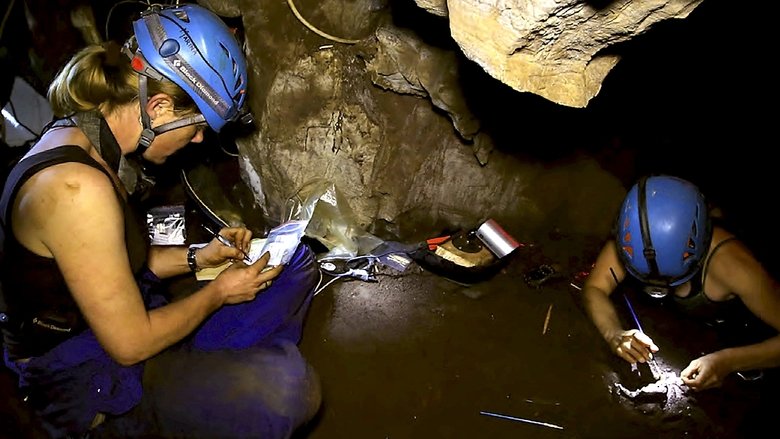
Nova and National Geographic present exclusive access to an astounding discovery of ancient fossil human ancestors.
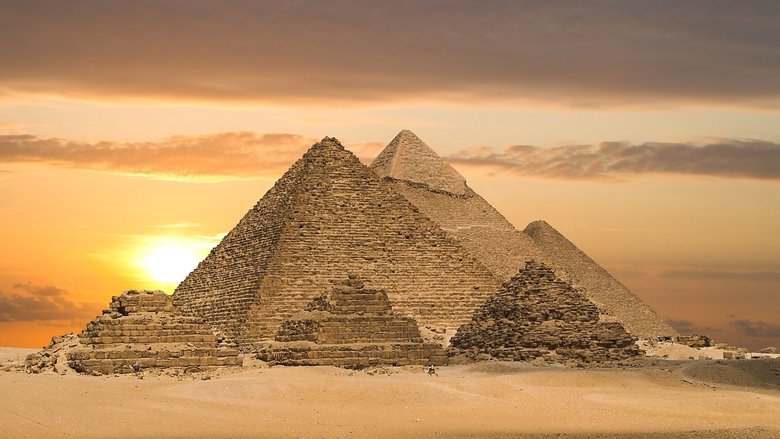
Archaeologist Nicholas Zavaterro and his student find an antique vase with an inscription that points to where Noah's Ark is hidden. They decide to go looking, but things get out of control when they encounter opposing forces, including a monster named Tama.
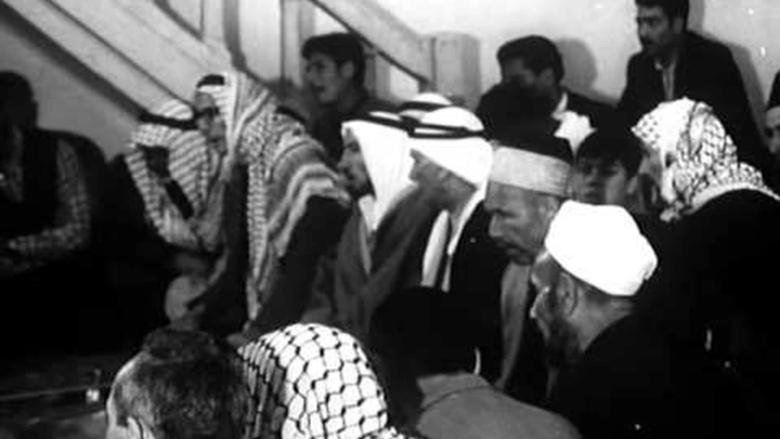
The first documentary to present an unabashed critique of the impact of the Syrian government’s agricultural and land reforms, Everyday Life in a Syrian Village delivers a powerful jab at the state’s conceit of redressing social and economic inequities.
The eight-year Iran-Iraq War was one of the most brutal conflicts to devastate the region in the 20th century. Zahed was 13 years old when he enrolled in the Iranian army. Najah was 18 when he was conscripted into the Iraqi army, and he fought against Zahed in the Battle of Khorramshahr. Fast forward 25 years, a chance encounter in Vancouver between these two former enemies turns into a deep and mutually supportive friendship. Expanded from the 2015 short film by the same name.
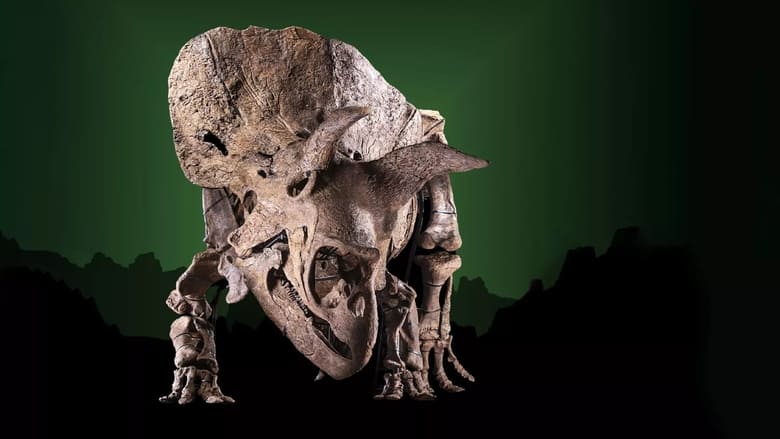
Jurassic Cash is a documentary on the new business of dinosaur fossils, an incredible speculation in the auction world… And on the footsteps of our past.