
Reggae Music (1981)
Documentary about reggae in Jamaica and its history. Filmed in 1979.
Documentary about reggae in Jamaica and its history. Filmed in 1979.

Jeffery Robinson's talk on the history of U.S. anti-Black racism, with archival footage and interviews.
"Finding Joseph I" is a feature documentary chronicling the eccentric life and struggles of punk rock reggae singer, Paul "HR" Hudson, a.k.a. Joseph I, the legendary lead singer from Bad Brains.
Awake Zion explores the connections between Rasta, Reggae and Judaism, through one woman's beat-laden adventure into the meaning of identity. All the way back to the alleged sultry affair between the Jewish King Solomon and the African Queen of Sheba, Jewish influence is evident in the spiritual history of Ethiopia - turning up subtly in Rastafarian lifestyle and then, inevitably, in reggae. Unravelling the story of this unlikely kinship, Awake Zion unites Jewish and Jamaican musicians, scholars, and historians in a celebration roots and culture - traveling from Crown Heights, Brooklyn, where Caribbean and Jewish cultures share a history of adversity - to Jamaica, the birthplace of reggae - and ultimately to Israel, where a sizzling reggae scene thrives today. Awake Zion examines the preconceptions of what it means to be Jewish, what it means to be Rasta, what it means to be white or black - and, most importantly, the universal search for what it means to be "home".

During the last forty years, the photographer Sebastião Salgado has been travelling through the continents, in the footsteps of an ever-changing humanity. He has witnessed the major events of our recent history: international conflicts, starvations and exodus… He is now embarking on the discovery of pristine territories, of the wild fauna and flora, of grandiose landscapes: a huge photographic project which is a tribute to the planet's beauty. Salgado's life and work are revealed to us by his son, Juliano, who went with him during his last journeys, and by Wim Wenders, a photographer himself.
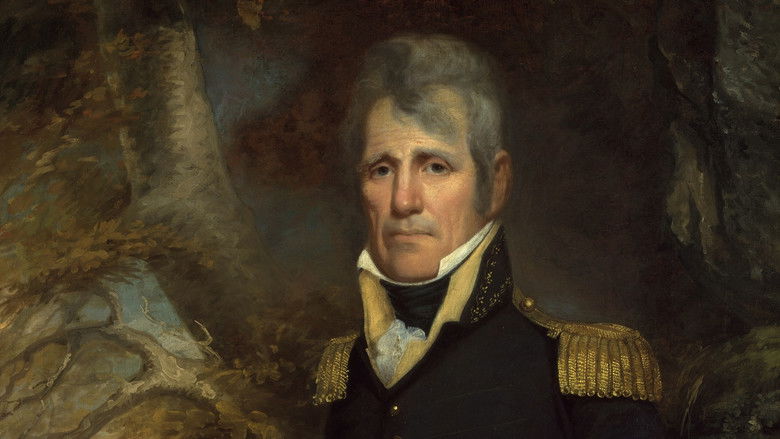
A fascinating account of the presidency of Andrew Jackson, who was both one of America's great presidents and a borderline tyrant. The seventh president shook up the glossy world of Washington, DC with his "common-man" methods and ideals, but also oversaw one of the most controversial events in American history: the forced removal of Indian tribes, including the Cherokees, from their homes.
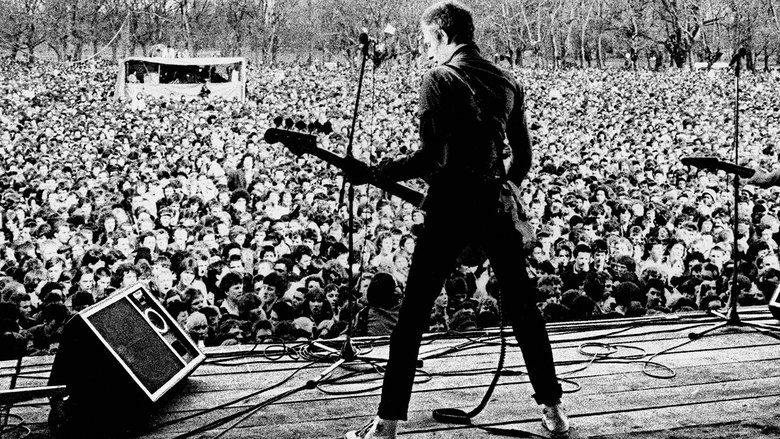
Exploring how punk influenced politics in late-1970s Britain, when a group of artists united to take on the National Front, armed only with a fanzine and a love of music.
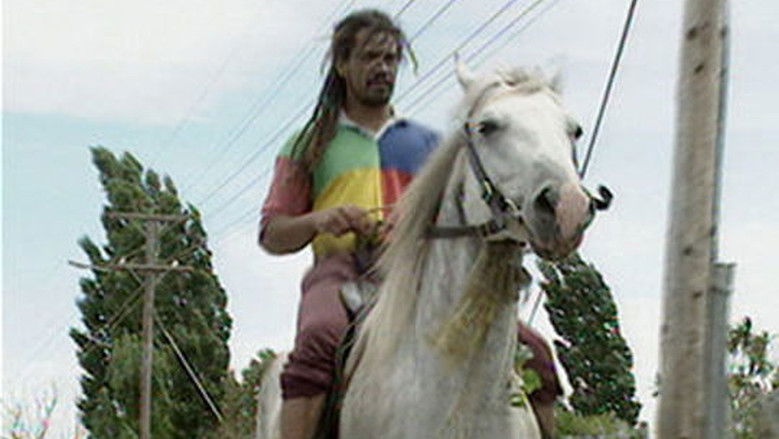
An East Coast community in Ruatōria, New Zealand attempts to live in autarchy according to the tenets of their movement. Bob Marley, a prophet of our electronic age, is the soundtrack to the everyday lives of these Māori who feel closer to their own roots by observing a blend of Afro-Carribean Rastafarianism and the Ringatū faith. Merata Mita's camera respectfully portrays this singular cultural dialogue. The outsider cultures of Jamaicans, Ethiopians and Māori have come together, vibrating to a common cosmic chord. They find an underground brotherhood, across continents and seas.
Peter Batty presents a gripping account of the bloodshed and horror of the American Civil War. From the origins of the unrest between North and South, the specific events of the war and the eventual assassination of Abraham Lincoln, this program is a powerful, comprehensive account of the American Civil War with large scale battle re-enactments, superb contemporary photographs and period music.

In 2013, three women emerged from a flat in Brixton. They had been held there for decades by Aravindan Balakrishnan, a revolutionary Maoist who controlled the women with brainwashing techniques and tales of a sinister, world-controlling machine he called 'Jackie'.
In July 1860, the schooner Clotilda slipped quietly into the dark waters of Mobile, Ala., holding 110 Africans stolen from their homes and families, smuggled across the sea, and illegally imported to be sold into slavery. Surviving Clotilda is the extraordinary story of the last slave ship ever to reach America's shores: the brash captain who built and sailed her, the wealthy white businessman whose bet set the cruel plan in motion, and the 110 men, women, and children whose resilience turned horror into hope.
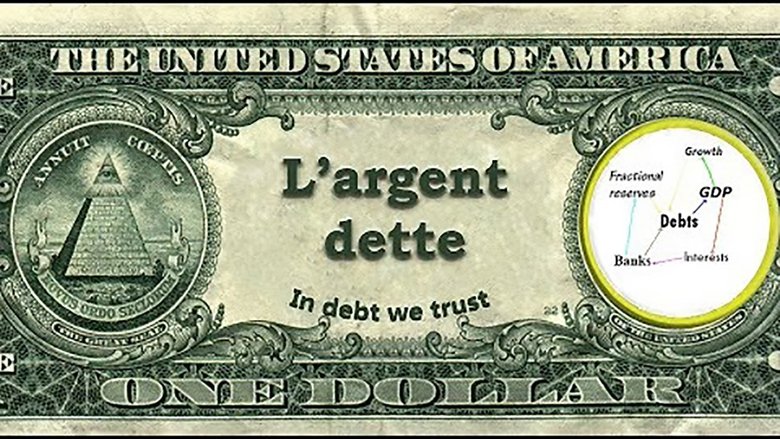
Paul Grignon's 47-minute animated presentation of "Money as Debt" tells in very simple and effective graphic terms what money is and how it is being created
A moving recording of the late writer and renowned jazz singer Abbey Lincoln is captured in this new film from Brooklyn-born director Rodney Passé, who has previously worked with powerhouse music video director Khalil Joseph. Reading from her own works, Lincoln’s voice sets the tone for a film that explores the African American experience through fathers and their sons.
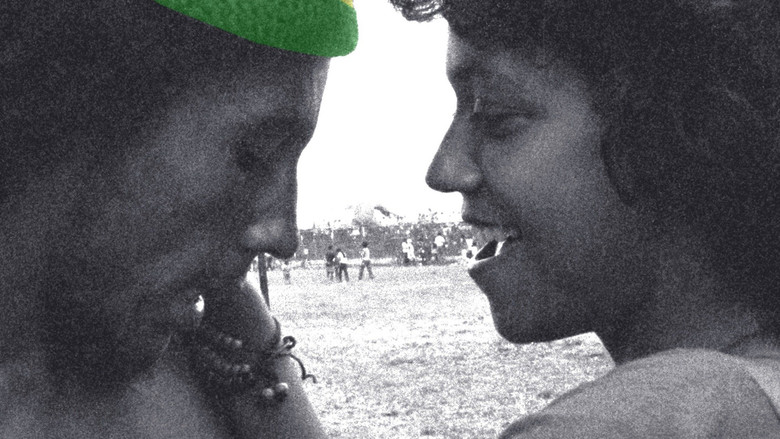
Based on footage shot in the early seventies and lost for more than thirty years, we see and hear the young Bob Marley before he was famous. The film shows us the Wailers' first rehearsal, when the idea of a Jamaican supergroup was still just a dream. Sit in as the albums of Bob Marley and the Wailers brought reggae music and Rasta consciousness to the world, starting a revolution that would change rock music and contemporary culture.
Every year, an estimated 800,000 persons are trafficked across international borders and forced into sexual or labour servitude. Estimates are that as many as 32 million people yearly are held in slave-like conditions for sexual or labour exploitation, 2.4 million of these individuals as a result of being trafficked. They are promised good jobs or pay, but end up forced into prostitution or working in servitude for no pay. They are emotionally and physically brutalized, starved, forced to work extremely long hours, stripped of their passports and locked away, and eventually discarded or worse, murdered. Eight years after the United Nations established the Palermo Protocol to Prevent, Suppress and Punish Trafficking in Persons, "Fatal Promises" offers a comprehensive look at the realities on the ground versus the rhetoric of today.
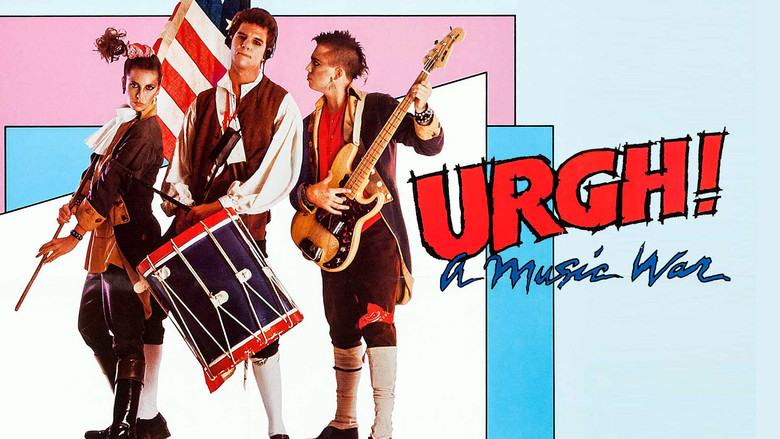
Urgh! A Music War is a British film released in 1982 featuring performances by punk rock, new wave, and post-punk acts, filmed in 1980. Among the artists featured in the movie are Orchestral Manoeuvres in the Dark (OMD), Magazine, The Go-Go's, Toyah Willcox, The Fleshtones, Joan Jett & the Blackhearts, X, XTC, Devo, The Cramps, Oingo Boingo, Dead Kennedys, Gary Numan, Klaus Nomi, Wall of Voodoo, Pere Ubu, Steel Pulse, Surf Punks, 999, UB40, Echo & the Bunnymen and The Police. These were many of the most popular groups on the New Wave scene; in keeping with the spirit of the scene, the film also features several less famous acts, and one completely obscure group, Invisible Sex, in what appears to be their only public performance.
When the Civil War ended in 1865, more than four million slaves were set free. Over 70 years later, the memories of some 2,000 slave-era survivors were transcribed and preserved by the Library of Congress. These first-person anecdotes, ranging from the brutal to the bittersweet, have been brought to vivid life in this unique HBO documentary special, featuring the on-camera voices of over a dozen top African-American actors.
African American filmmaker David A. Wilson decided to look into his family's history during the slave era. The result is this documentary, which provides a unique perspective on the long shadow cast by slavery in America. Wilson travels to North Carolina to visit the plantation where his ancestors once toiled and to meet its current owner -- a white man named David Wilson, whose slave-owning ancestors originally occupied the property.
“Dub Echoes” is a documentary that traces the origins of the Jamaican dub music and it’s influence on the development of hip hop and electronic music.The film shows how the Jamaican invention called dub ended up influencing much of the music we hear today, from electronic music to hip-hop, transforming the studio in a musical instrument and giving way to all of sonic experiments.
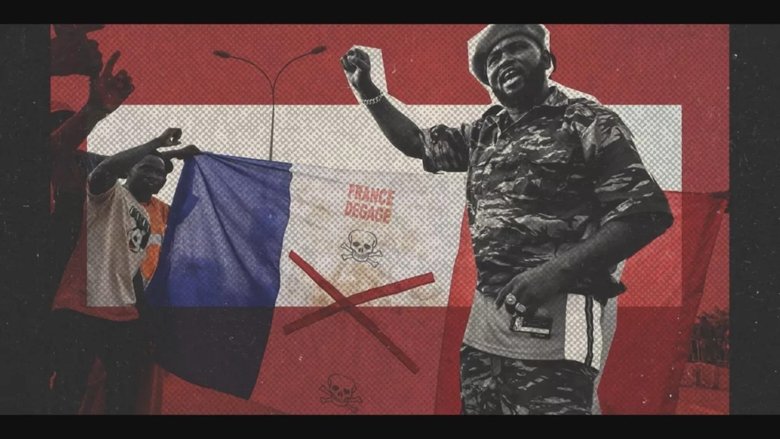
At a time when French flags are being burned and French embassies targeted, this documentary delves into the growing disaffection between French-speaking Africa and the former colonial power. Through the voices of African leaders, pan-African activists, and committed young people, the film questions the persistence of a relationship marked by the aftermath of colonization, the opaque agreements of "Françafrique," and a military presence deemed paternalistic.