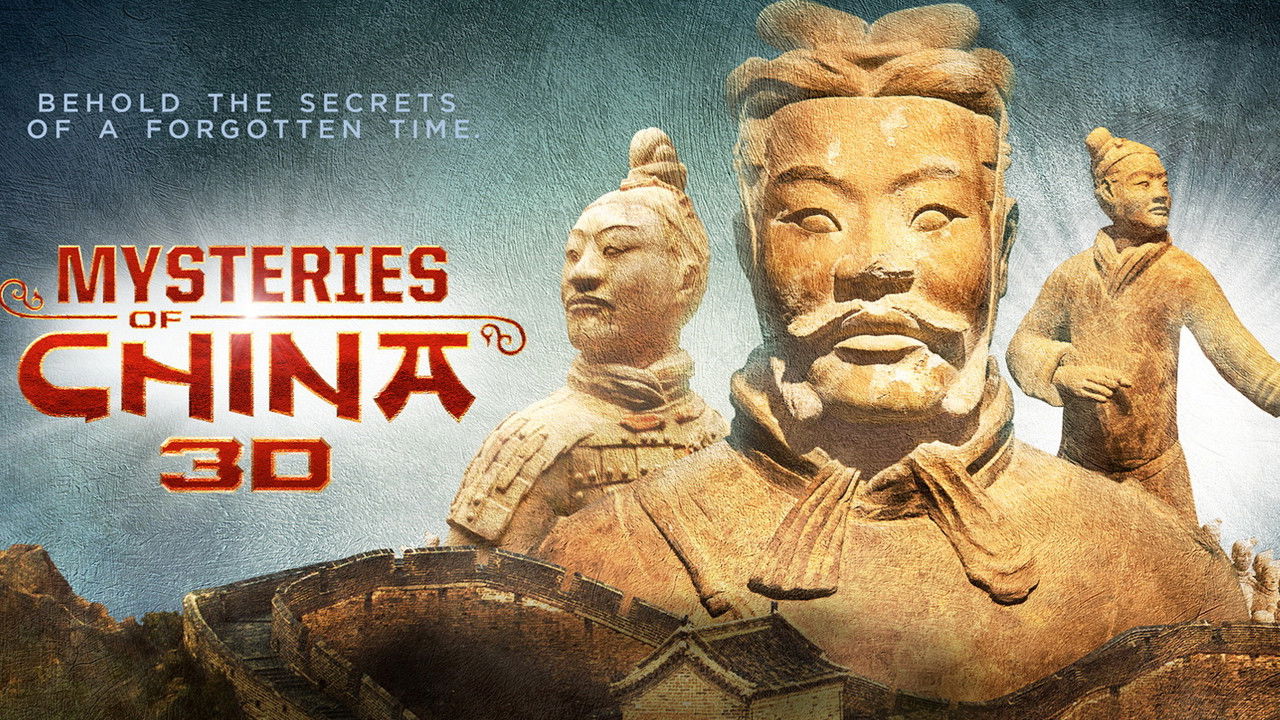
Mysteries of Ancient China (2016)
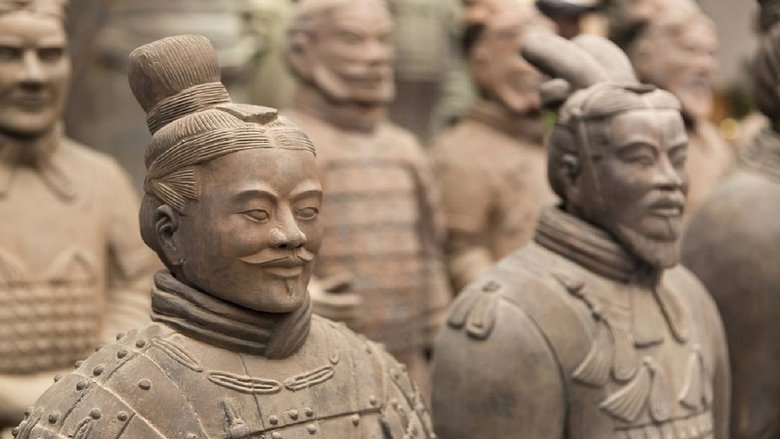
Archeologists discover a pit filled with terracotta warriors buried to protect the grave of the First Emperor of China.
Archeologists discover a pit filled with terracotta warriors buried to protect the grave of the First Emperor of China.
 Avery BrooksSelf - Presenter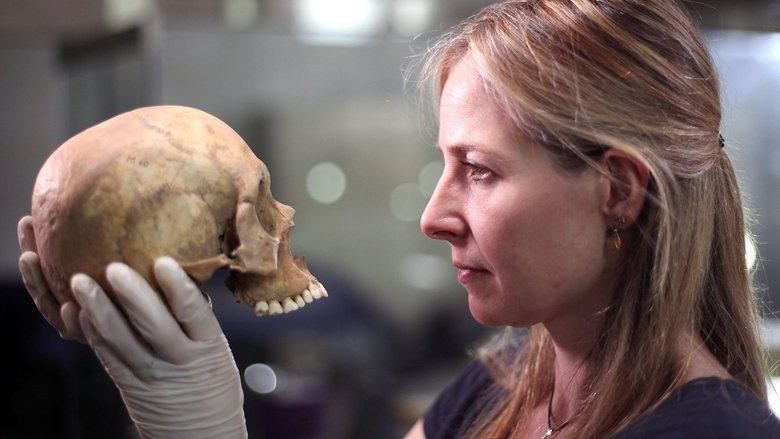
Dan Snow, Dr Alice Roberts and Dr Albert Lin investigate a series of earth-shattering discoveries at a mighty tomb guarded by the Terracotta Warriors in China.
Docu-drama profiling Ying Sheng, the first Emperor of China. Charting the life of the man who unified China, this documentary begins with the future Emperor's rise to power after the death of his father, becoming King of Qin at the age of thirteen. Mostly told through the use of re-enactments, the story continues to the present day and the discovery of the Emperor's tomb and terracotta army in 1974.
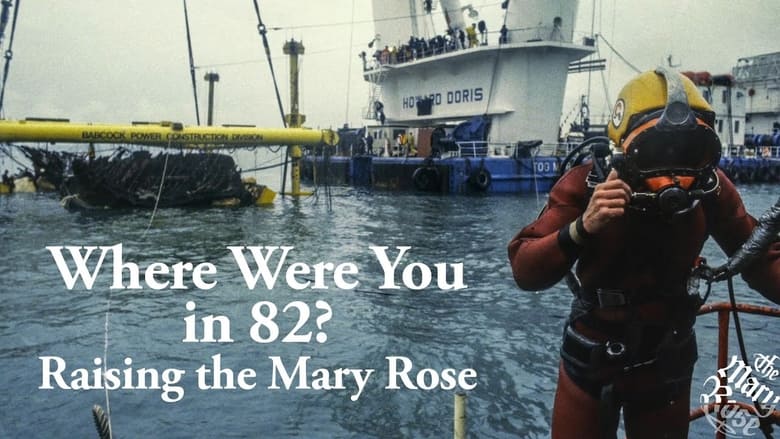
The raising of King Henry VIII’s flagship Mary Rose in 1982 remains one of the most significant events in the history of maritime salvage. Comparable to the recovery of the 17th century Swedish warship Vasa in 1961, the climax of this complex and expensive operation was watched by around 60 million people worldwide. But 300 reels of film recently found in the archive of The Mary Rose Trust provide additional insight into the operation.
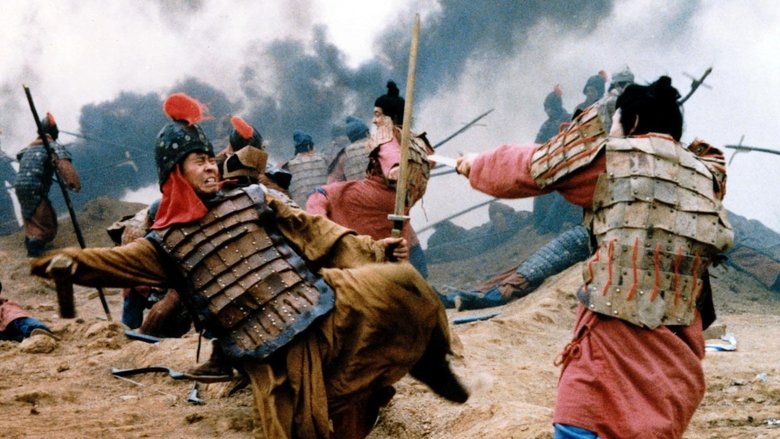
This historical drama tells the story of Qin Shihuang, who unified China's vast territory and declared himself emperor in 221 B.C. During his reign, he introduced sweeping reforms, built a vast network of roads and connected the Great Wall of China. From the grandiose inner sanctum of Emperor Qin's royal palace, to fierce battles with feudal kings, this film re-creates the glory and the terror of the Qin Dynasty, including footage of Qin's life-sized terra cotta army, constructed 2,200 years ago for his tomb.
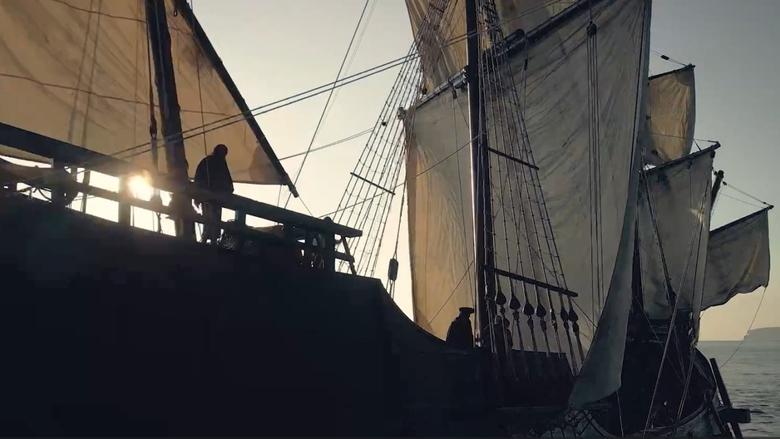
Drama documentary based on the latest discovery of a 16th Century sailing shipwreck found close to Malta by an underwater research team led by maritime archaeologist Timmy Gambin.
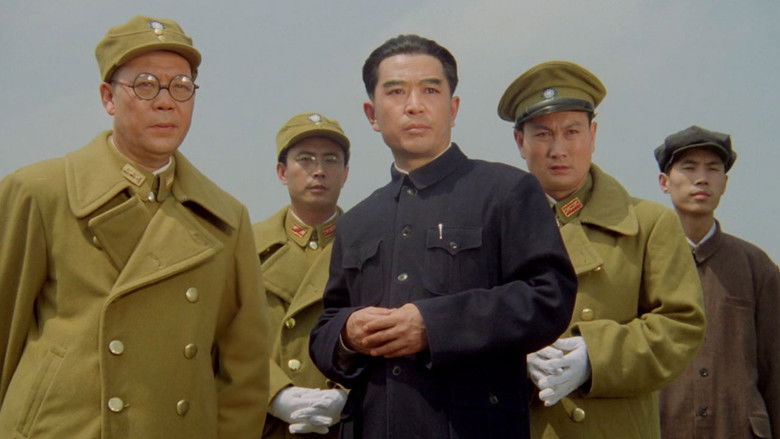
Marshal Zhang Xueliang, Commander of the North Eastern Army, grows progressively disillusioned by Kuomintang leader Chiang Kai-shek's policy to engage the Chinese Communist Party rather than fight the Japanese invaders which are occupying Manchuria. Despite numerous pleas, Chiang does not budge. After discussing with fellow general Yang Hucheng, the two take events into their own hands and place Chiang Kai-shek under arrest on December 12, 1936, forcing Chiang into a coalition with the CCP.

Chaco Canyon, located in northwest New Mexico, is perhaps the only site in the world constructed in an elaborate pattern that mirrors the yearly cycle of the sun and the 19-year cycle of the moon. How did an ancient civilization, with no known written language, arrange its buildings into a virtual celestial calendar, spanning an area roughly the size of Ireland?
Professional, native and antiquarian researchers combine to investigate the archaeological history and modern legacy of Eastern Native civilization near Turners Falls, Massachusetts. They uncover possible evidence of a vast astronomical construct that covered a large area of what is now the northeastern United States.
Equal parts documentary, essay, and narrative,"Captain Elliot's Circle" is mostly a poetic interaction with an obscure corner of Chinese and British history. Constructed using primary source documents about the taking of Zhoushan, Britain's first choice for a seaport, in the late 1830s,this movie uses Captain Charles Elliot's reluctance to brutalize the Chinese to reflect on the cyclical nature of history and the power structures that move it. The long takes used throughout function to illustrate the dramatically different ways in which people who lived in the mid-19th century perceived time. Additionally, it represents the psychological effect of living on an island regardless of what era you were born in.The last third of the movie focuses on a young woman whose strange day job has taken her far away from the island of Zhoushan generations after Captain Charles Elliot was last there. "Captain Elliot's Circle" was shot on location in Zhoushan and Hangzhou.
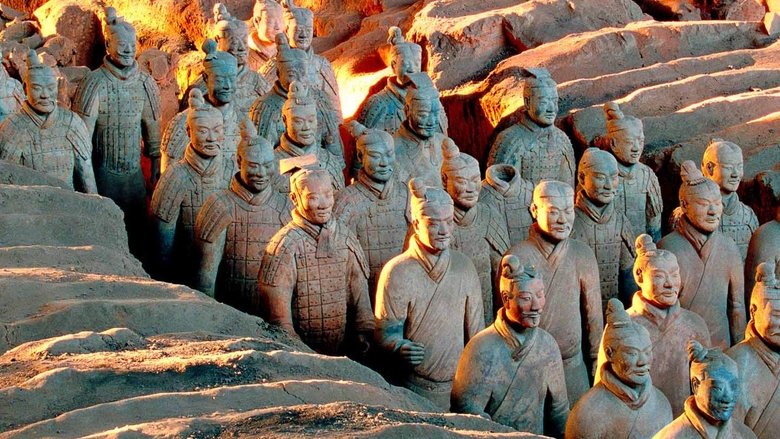
With exclusive access to research conducted by University College London and the Terracotta Army Museum, this documentary uncovers new secrets of China's fabled warriors. The discovery of China's famous Terracotta Army in 1974 captured the imagination of the world. But that first dig only revealed a fraction of this enormous and extraordinary treasure. Since then, scientists have resumed work on the site, and their research has turned up a series of new discoveries about the warriors and the people who made them over two millennia ago.
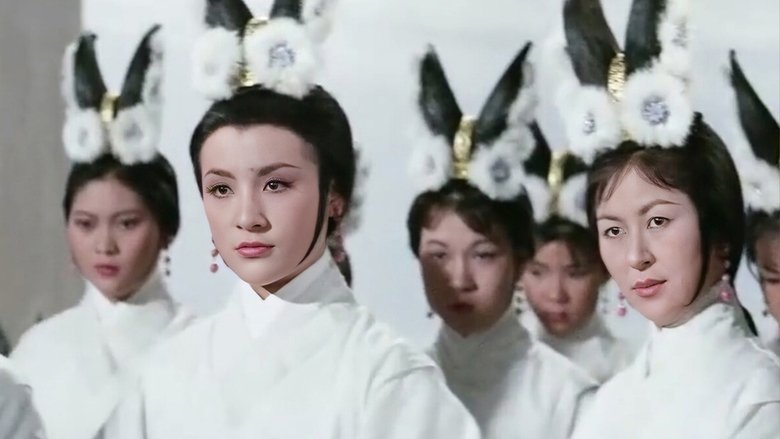
Hsi Shih: The Beauty of Beauties was one of the most ambitious films made in the Taiwan film industry in the 1960s. After leaving The Shaw Brothers studio in Hong Kong and moving to Taiwan, filmmaker Li Han-hsiang mounted this historical epic. Told through the story of Xishi (Hsi Shih), one of the 'Four Great Beauties' of Chinese history, the film portrays the war between two Chinese Kingdoms during the Warring States Period (475-221 B.C). After the kingdom of Yue is defeated by the kingdom of Wu, King Goujian of Yue takes pains to prepare for his revenge and rebuild his country. Knowing that King Fucha of Wu is lewd and lustful, he offers Xisi to the court of Wu to serve as Fucha’s concubine, with Fucha unaware that she is also a spy. She uses her charm to draw Fucha away from his office and governance, while King Goujian rallies his forces together to attempt to reclaim his lands.
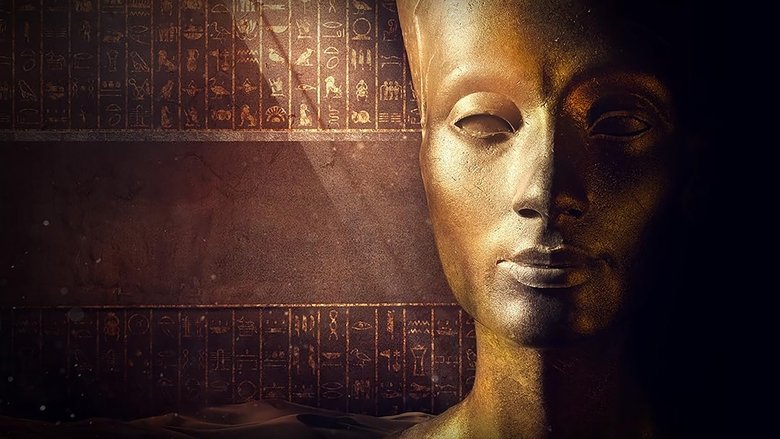
With over 60 tombs, the Valley of the Kings is the most-famous burial ground on Earth. In the biggest Egyptian excavation ever, a team of archaeologists led by Zahi Hawass heads into the Western Valley to hunt for evidence of an undiscovered tomb.
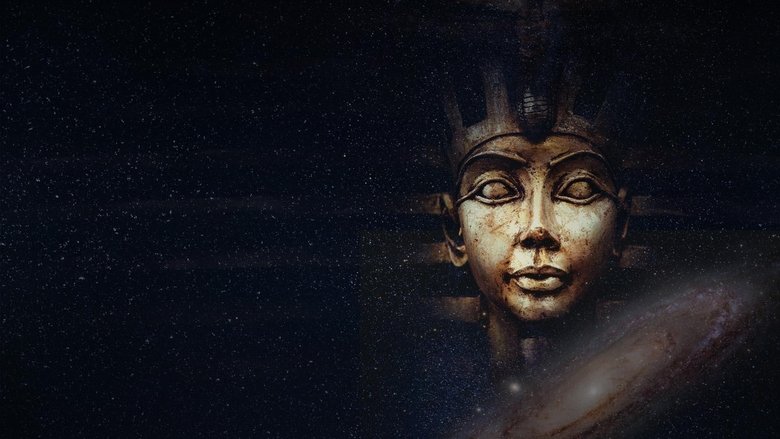
Explores the Pyramids of Giza as Egyptologists try to unravel the mysteries and decipher the clues behind these stone giants built over 4,500 years ago.
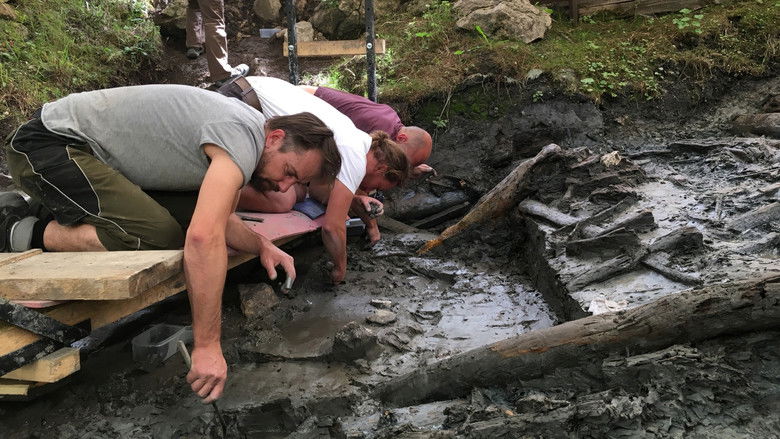
Explore the origins of the Celts, uncovering their culture through preserved salt mines, ancient artifacts, and the mystery of a 2,400-year-old tomb.

Nana Xu travels to the place built by her father as a prisoner during the Cultural Revolution: first a work camp, later a prison, fruit farm and treatment centre. Conversations with last remaining witnesses, where home is still shaped by a repressed past.

A retelling of the fateful Feast at Swan Goose Gate, a historical event that involved two rebel leaders opposing the Qin dynasty.
Sir Ian McKellen reads the poetry, Michael Wood traces the journey on the ground. Together they conjure up the extraordinary life, times and words of China’s greatest poet, Du Fu. In this film, the first to ever be made about Du Fu in the west, Michael follows his tracks by road, train and riverboat. Along the way, he meets ordinary people, dancers and musicians, who help to tell the amazing story of a poet whose words have resonated through the centuries, describing the experiences of ordinary people caught up in war, corruption, famine and natural disasters. "I am one of the privileged. If my life is so bitter, then how much worse is the life of the common people?"

A new reading of the historical period that began with the reign of the Catholic Monarchs (1479-1516) and the discovery of America (1492), as well as an analysis of its undeniable influence on the subsequent evolution of the history of Spain and the world.