
The Girls (2014)
Four lucid grandmothers tell their story forgotten by history: the militancy and resistance of the young women of the leftist youth against the dictatorship of Marcos Pérez Jiménez.
Four lucid grandmothers tell their story forgotten by history: the militancy and resistance of the young women of the leftist youth against the dictatorship of Marcos Pérez Jiménez.
Mónica QuinteroJuliaVera LinaresLucyAna MeloRocíoJariana ArmasAliciaCandela SánchezMatías CollAlejandro ParedesGabriel RojasFreddy PelaezCarlos Luis Hidalgo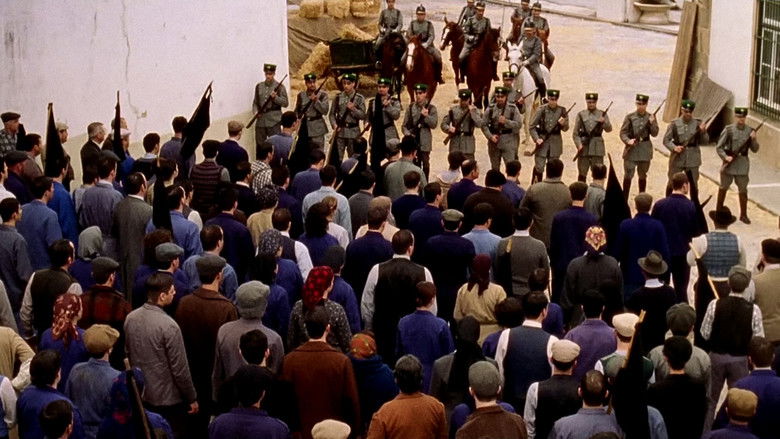
Portugal, 1944. In a country oppressed by a brutal dictatorship, there are those who resist and mobilize the people to fight for bread and freedom, even if it cost them prison, torture or their lives.
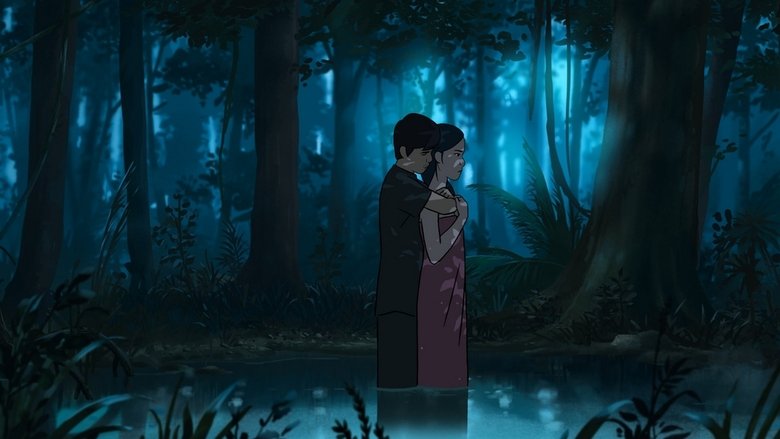
Cambodia, once the ancient kingdom of Funan, April 17th, 1975. The entire country falls under the tyranny of Angkar, the communist party of the Khmer Rouge. The cities are abandoned, the population is thrown to the roads and forced to walk towards an uncertain future…

The ocean contains the history of all humanity. The sea holds all the voices of the earth and those that come from outer space. Water receives impetus from the stars and transmits it to living creatures. Water, the longest border in Chile, also holds the secret of two mysterious buttons which were found on its ocean floor. Chile, with its 2,670 miles of coastline and the largest archipelago in the world, presents a supernatural landscape. In it are volcanoes, mountains and glaciers. In it are the voices of the Patagonian Indigenous people, the first English sailors and also those of its political prisoners. Some say that water has memory. This film shows that it also has a voice.
Scenes from the life and revolutionary activity of poet Nikola Vaptzarov are shown against the background of political life in Bulgaria on the eve of World War II.
Caligula, governor of Syria, is ordered by the emperor to take his statue to the temple in Jerusalem. The governor becomes a point of conflict between the will of the emperor and the Jewish community, which opposes it, and with crystal-clear logic he ends up refusing to obey the order.
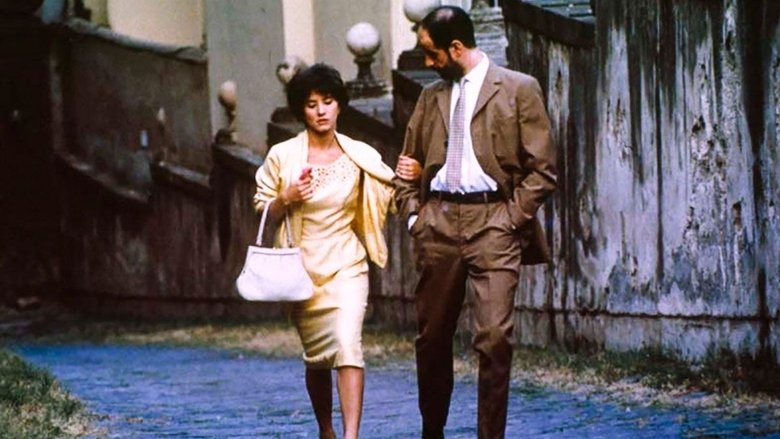
Naples, 1959. Pure Mathematics professor Renato Caccioppoli, Bakunin's grandson, is a tortured soul. Recently discharged from the psychiatric hospital, left by his wife, and increasingly disillusioned with academia and the Communist Party, he lives his last days with painful detachment.

A presentation of a case for a needed transition out of the current socioeconomic monetary paradigm which governs the entire world society. This subject matter will transcend the issues of cultural relativism and traditional ideology and move to relate the core, empirical 'life ground' attributes of human and social survival, extrapolating those immutable natural laws into a new sustainable social paradigm called a 'Resource-Based Economy'.
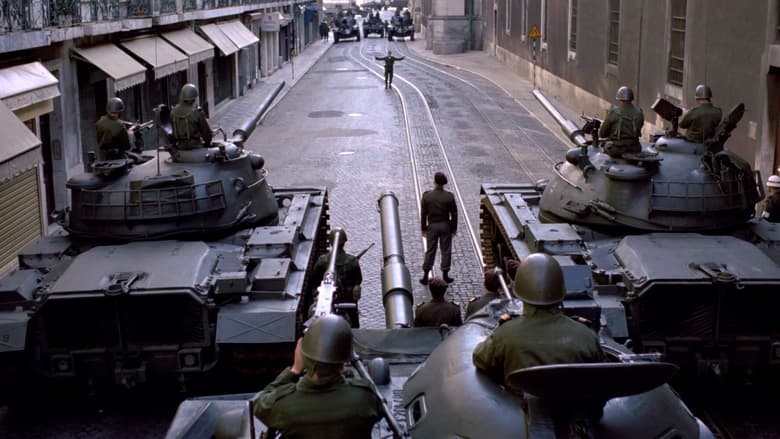
Story of the 1974 coup that overthrew the right-wing Portuguese dictatorship--which continued the fascist policies of long-time dictator Antonio Salazar--and of two young army captains who were involved in it.
When the Soviet Army marched into Romania in 1944, a part of the Romanian population went “into the mountains” – a diverse assortment of nationalists and fascists, liberals, apolitical farmers and members of the middle-class, who were affected by the Communists’ expropriations. Over a thousand armed resistance groups took refuge in the inaccessible forests of the Carpathian Mountains where they waited in vain for the support of the Western Allies. One of them was led by Ion Gavrilă-Ogoranu, who managed to remain undetected until 1976 when he was arrested. This film depicts the daily existence of this group. It tells the story of a struggle that became an end in itself, as the enemy was constantly in pursuit and arrest meant torture and often liquidation. Hungry and emotionally withdrawn, the group of young men got entangled in a partisan war that could not be won, lost in the landscape of the South Carpathians, accompanied by a vigilant secret police, the Securitate.
A couple is arrested and tortured after taking part in a political demonstration, being sentenced to death.

World War I veteran Tom Holmes is marked by the unbearable suffering caused by his battle wounds. Over the years, he comes to experience both the pain of misfortune and a love for other human beings.
Dr. Jozef Venglos coached on three continents, received the prestigious FIFA Order of Merit in Ruby, and was the first non-Briton coach ever to manage a top division club in England.
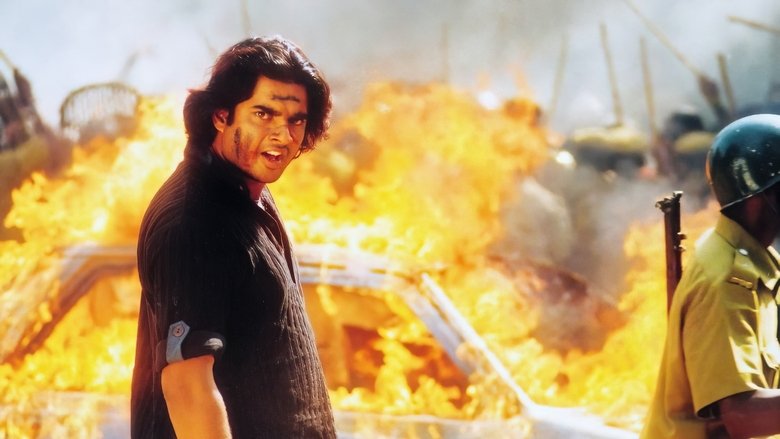
A man cannot tolerate injustice and opposes it in any form; this earns him the wrath of a local goon, who plans to get rid of him at all costs.
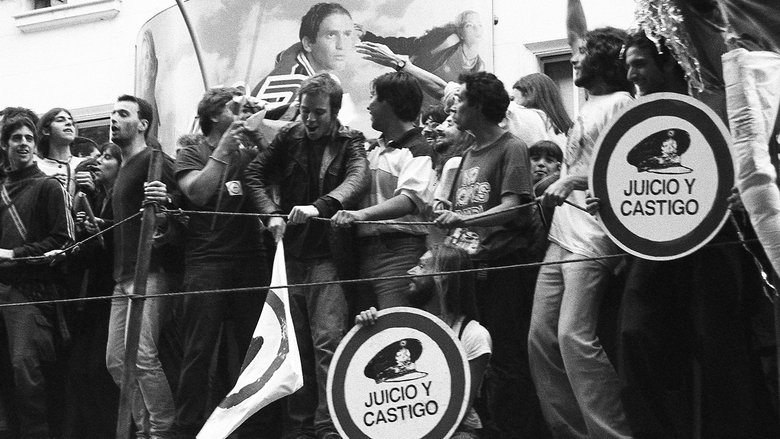
Faced with a lack of prosecution of those accused of crimes against humanity committed during Argentina’s military dictatorship, family members and descendants of the country’s estimated 30,000 disappeared took action. In the mid-1990s, they began gathering outside of accused perpetrators’ homes and workplaces to publicly shame them and raise awareness about the government’s systematic and brutal targeting of its people — and how it had gone unpunished. The human rights group HIJOS (Sons and Daughters for Identity and Justice Against Forgetfulness and Silence) led and labeled this direct-action style of protest “escrache,” or exposure.
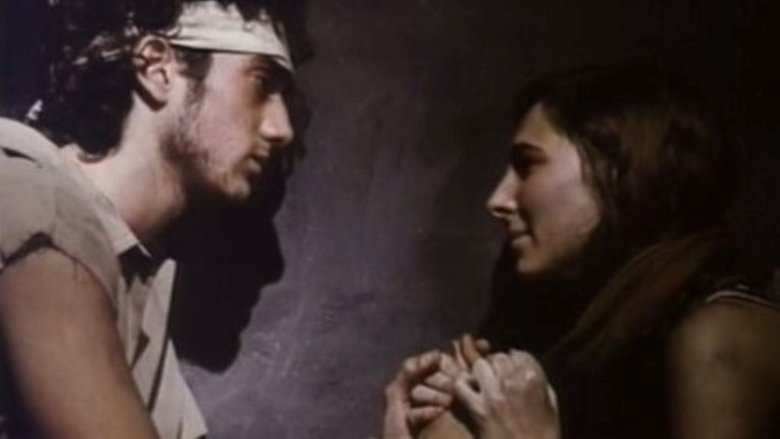
The Night of the Pencils was a series of kidnappings and forced disappearances, followed by the torture, rape, and murder of a number of young students during the last Argentine dictatorship (known as the National Reorganization Process). The kidnappings took place over the course of several days beginning on September 16, 1976.
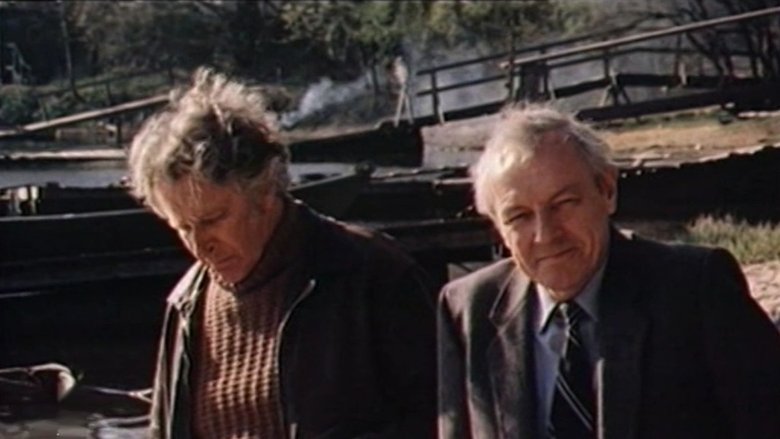
The Red Arrow is the special train No.1 between Leningrad and Moscow. The film is set in the 1980s during perestroika in the Soviet Union. Kropotov (Lavrov) is communist CEO of a big industrial company in Leningrad. He is crafty and successful in getting a major order from the Soviet Government; building an automated assembly line. But his style of management clashes with his subordinates, talented engineers. Their potential is strangled by Kropotov's manipulative control. The government order is not accomplished and Kropotov gets fired. He is rethinking his outdated business style while on the train No.1 to Moscow.
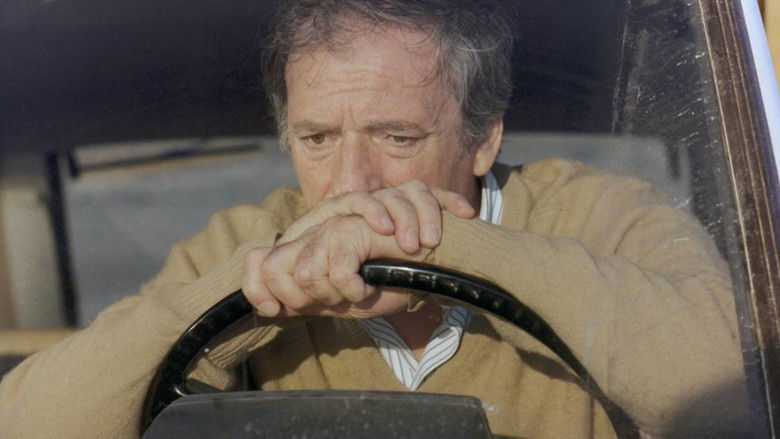
France, 1975. Jean, an exiled Spanish Communist, is a successful screenwriter who, after a tragic event, struggles with his political commitment, his love for his country, under the boot of General Franco, whose death he and his comrades have waited for years, and his complicated relationship with his son. (A sequel to “The War Is Over,” 1966.)
In September 1923, during the so-called 'anti-fascist' uprising, police chief's daughter Kita falls for a student with communist beliefs. Although loyal to the monarch, her father's paternal instinct force him to compromise but his retaliation against the rebels takes a devastating turn.
The story of the University of Brasília, since it was only a project in Darcy Ribeiro's head until the fateful events in August 1968 when its campus was invaded by the police, during the military dictatorship, thus putting an end to its independence.
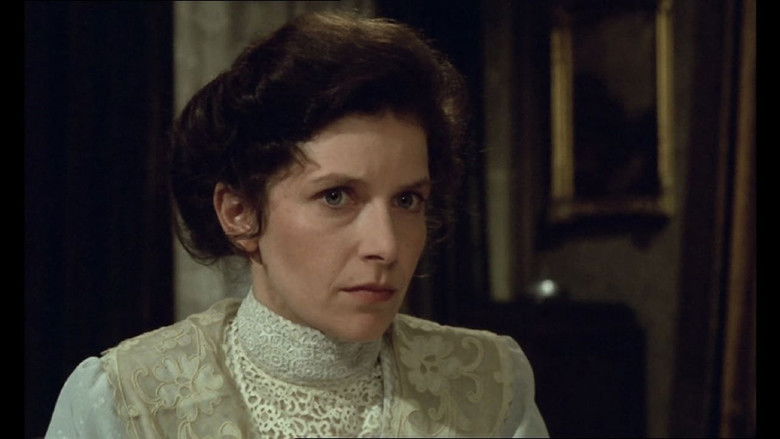
Polish socialist and Marxist Rosa Luxemburg works tirelessly in the service of revolution in early 20th century Poland and Germany. While Luxemburg campaigns for her beliefs, she is repeatedly imprisoned as she forms the Spartacist League offering a new vision for Germany.