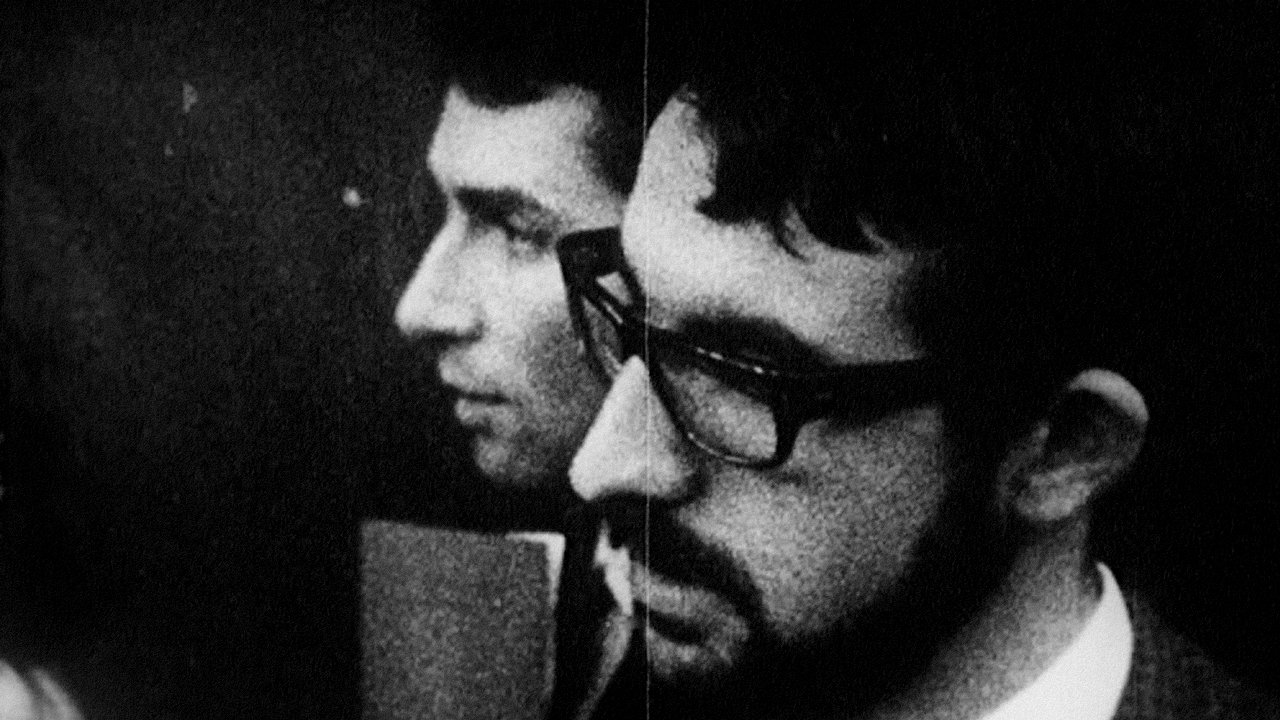
Spain '68 (1968)
Spain, 1968. An analysis of the political and social situation of the country, suffocated by the boot of General Franco's tyrannical regime. (Filmed clandestinely in Madrid and Barcelona during the spring of 1968.)
Spain, 1968. An analysis of the political and social situation of the country, suffocated by the boot of General Franco's tyrannical regime. (Filmed clandestinely in Madrid and Barcelona during the spring of 1968.)
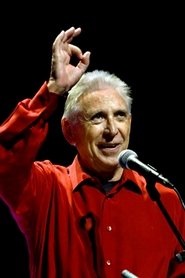 RaimonSelf - Singer
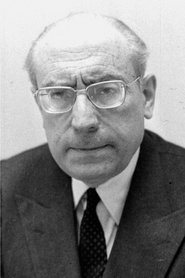 Enrique Tierno GalvánSelf - College Professor
 Jordin LlimonaSelf - Friar
"All sounds travel in waves much the same as ripples in water." Educational film produced by Bray Studios New York, which was the dominant animation studio based in the United States in the years surrounding World War I.
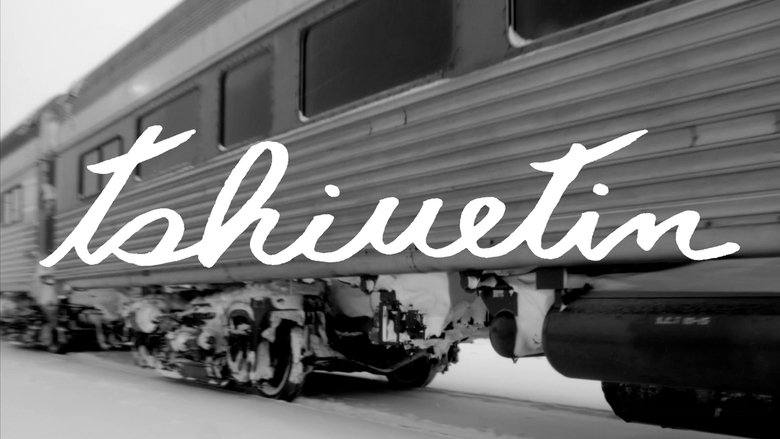
Take a breathtaking train a ride through Nothern Quebec and Labrador on Canada’s first First Nations-owned railway. Come for the celebration of the power of independence, the crucial importance of aboriginal owned businesses and stay for the beauty of the northern landscape.
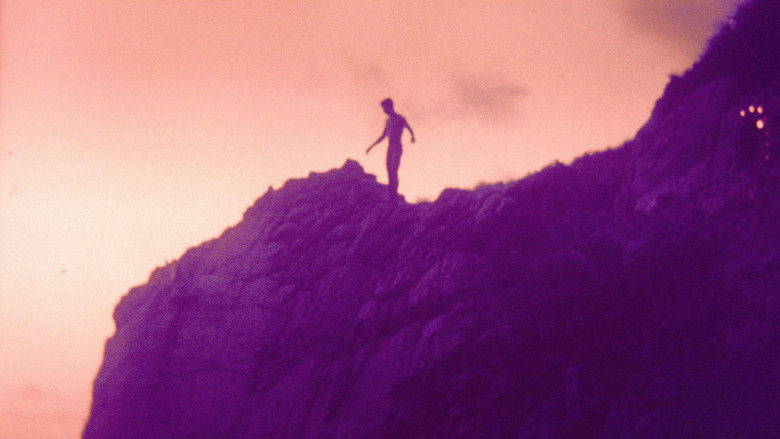
Informed by an underlying sense of anxiety and anguish, Michael Robinson’s Polycephaly in D nestles fragments of narrative within a collage of sound, image, and text that oscillates between the elegant and the discordant.
'After Haiyan' is a short film about the challenges faced by the Deaf community in Tacloban, Philippines accessing disaster relief, medical care, and basic services after Typhoon Haiyan, known locally as Yolanda.
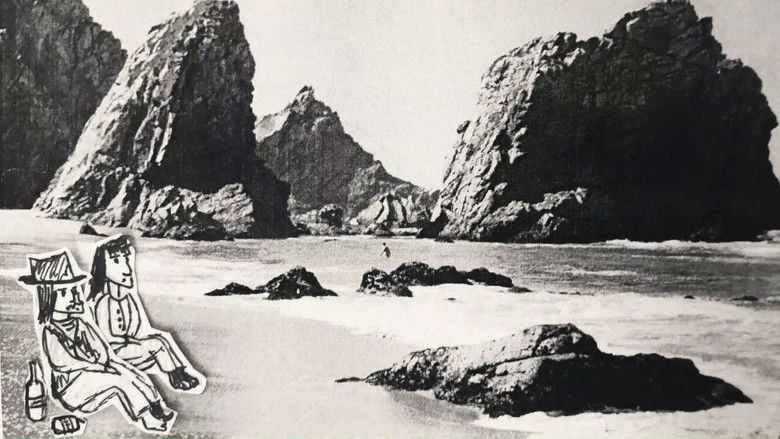
Tired of my city, I imagine the arrival of a cowboy in Lisbon.
Short film about seals, the hunt for them and how they are processed afterwards.
The Tsar visits the Russian embassy
Early short film
Documentary about the iconic portrait of Ernesto 'Che' Guevara by Cuban photographer Alberto Diaz Gutiérrez (known as 'Korda').
A short film on writer and poet František Hrubín.
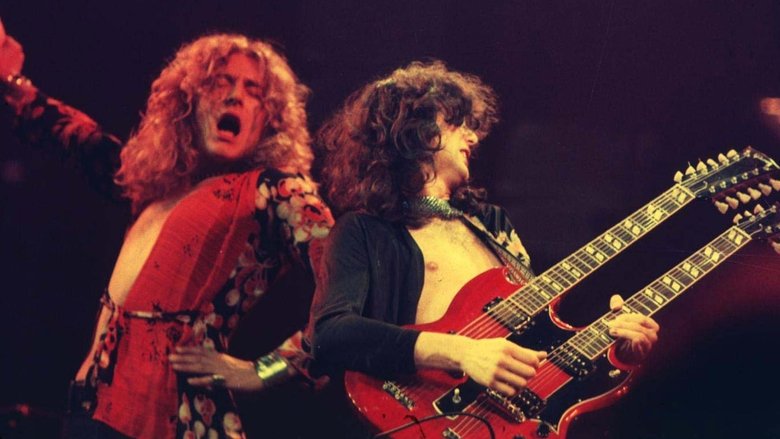
The individual journeys of the four members of the band, as they move through the music scene of the 1960s, playing small clubs throughout Britain and performing some of the biggest hits of the era, until their meeting in the summer of 1968 for a rehearsal that changes their lives forever.
J.T. Baily will demonstrate how to repair a broken window. Broken windows are never very picturesque, and at this time of the year extra ventilation is not at all welcome. After this demonstration, however, every viewer should be able to look forward to window breakages as a fine opportunity for a show of skill.
Life After opens the dialogue surrounding grief and how we experience it. Through conversations with Nicola Winstanley and Carmen Galavan about what grief is and how it affects us, we learn what it really means to live a life after.
Meet Canuck – a wild crow who formed an unlikely bond with his human friend, Shawn. The mischievous crow has captured the hearts of Vancouverites and garnered global attention through his antics.
Tailor is a transgender cartoonist that shares in his web page other trans people’s experiences and their challenges in society. Film about transgender, made by transgender crew.
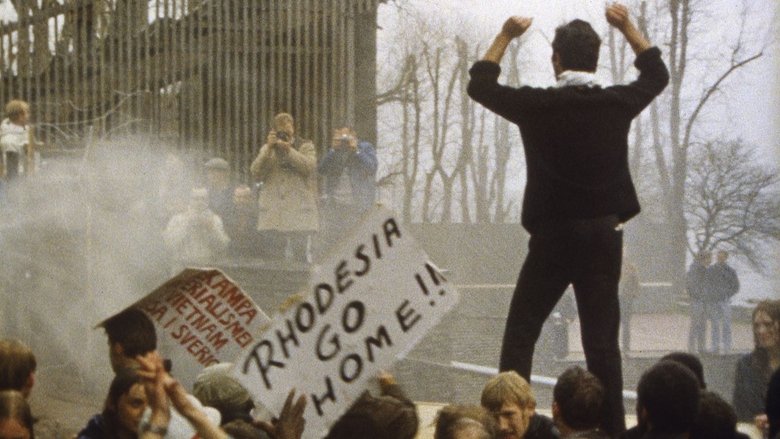
Documentary film about the protests against the 1968 Davis Cup tennis match between Sweden and Rhodesia, in Båstad, Sweden. In a series of interviews, demonstrators and members of the Swedish government give their views on sport, politics and civil disobedience.
This film describes a psychological state "kin to moonstruck, its images emblems (not quite symbols) of suspension-of-self within consciousness and then that feeling of falling away from conscious thought. The film can only be said to describe or be emblematic of this state because I cannot imagine symbolizing or otherwise representing an equivalent of thoughtlessness itself. Thus the actors in the film, Jane Brakhage, Tom and Gloria Bartek, Williams Burroughs, Allen Ginsberg, Peter Olovsky and Phillip Whalen are figments of this 'Thought-Fallen Process', as are their images in the film to find themselves being photographed."
A series of short winter scenes.
In Prince Edward Island, Josée Gallant-Gordon is reinventing mental health care through her bilingual equine therapy centre, proving that with ideas, one person can transform their community.
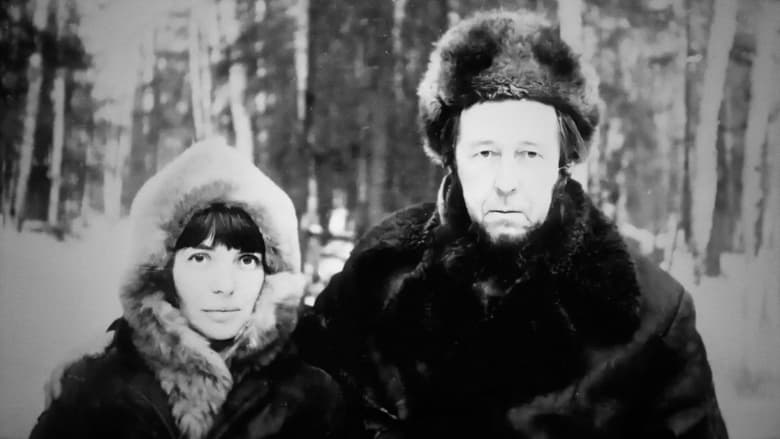
The story of Russian writer and Soviet dissident Aleksandr Solzhenitsyn (1918-2008) and his masterpiece, The Gulag Archipelago, published in Paris in 1973, which forever shook the very foundations of communist ideology.