
Fantastic Vision (1957)
Footage filmed in Spain, subjected a new visual effects process. Deslaw devoted himself to the discovery of a new machine that enabled film to be developed while using a new method called solarisation.
Footage filmed in Spain, subjected a new visual effects process. Deslaw devoted himself to the discovery of a new machine that enabled film to be developed while using a new method called solarisation.
SONG 5: A childbirth song (the Songs are a cycle of silent color 8mm films by the American experimental filmmaker Stan Brakhage produced from 1964 to 1969).
Sarah is a debt collector who lives among the inhabitants of the village of Guimbal on the island of Panay. She wants to find the young man who appeared to her in a dream and goes to the island of Negros. Here, as she interacts with the inhabitants, Sarah continues her search, gathering memories of life and war, dreams, myths, legends, songs and stories that she takes part in and at times revolve around her. She is the daughter of an ancient mermaid, a revolutionary, a primordial element, a virgin who was kidnapped and hidden away from the sunlight. “The film is a retelling of fragments of the American occupation. Dialogue, shot in the Hiligaynon language, is not translated but used as a tonal guide and a tool for narration. Using unscripted scenes shot where the main character was asked to merely interact with the villagers, I discard dialogue and draw meaning from peoples’ faces, voices, and actions, weaving an entirely different story through the use of subtitles and inter-titles.”
On the island of Tanna, a part of Vanuatu, an archipelago in Melanesia, strange rites are enacted and time passes slowly while the inhabitants await the return of the mysterious John.
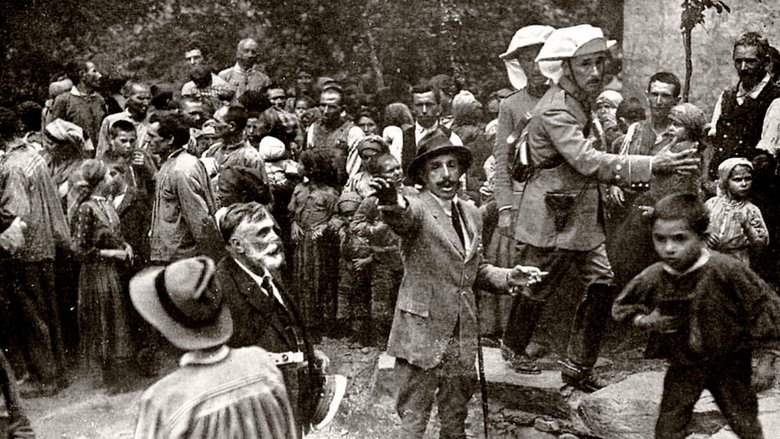
An account of the journey that King Alfonso XIII of Spain made to the impoverished shire of Las Hurdes, in the province of Cáceres, in the region of Extremadura, in 1922.
This film describes a psychological state "kin to moonstruck, its images emblems (not quite symbols) of suspension-of-self within consciousness and then that feeling of falling away from conscious thought. The film can only be said to describe or be emblematic of this state because I cannot imagine symbolizing or otherwise representing an equivalent of thoughtlessness itself. Thus the actors in the film, Jane Brakhage, Tom and Gloria Bartek, Williams Burroughs, Allen Ginsberg, Peter Olovsky and Phillip Whalen are figments of this 'Thought-Fallen Process', as are their images in the film to find themselves being photographed."
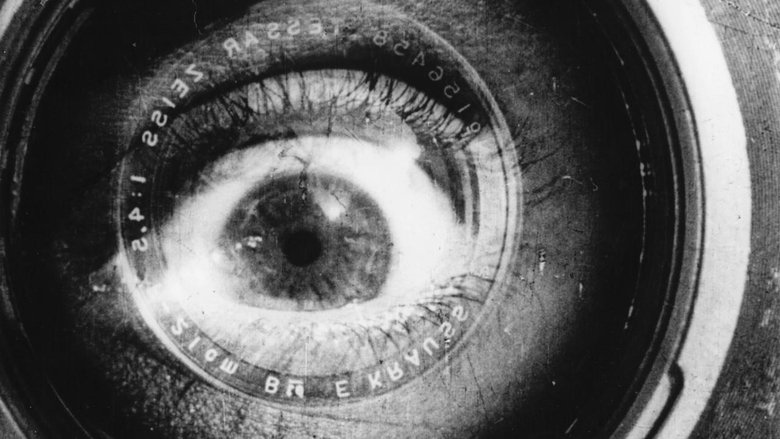
A cameraman wanders around with a camera slung over his shoulder, documenting urban life with dazzling inventiveness.
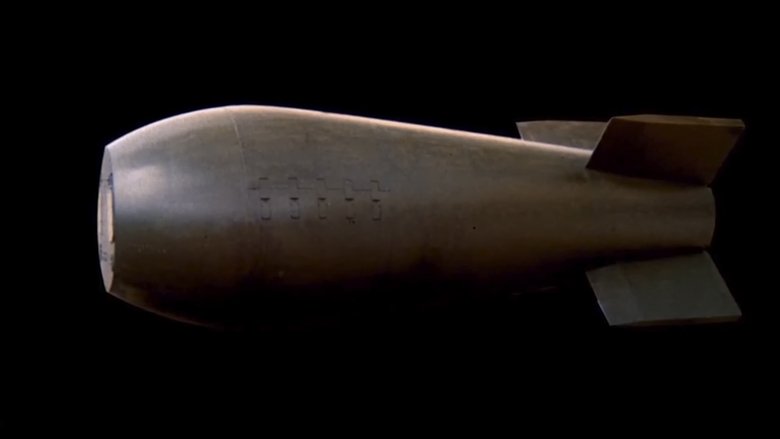
Filmmakers use archival footage and animation to explore the culture surrounding nuclear weapons, the fascination they inspire and the perverse appeal they still exert.
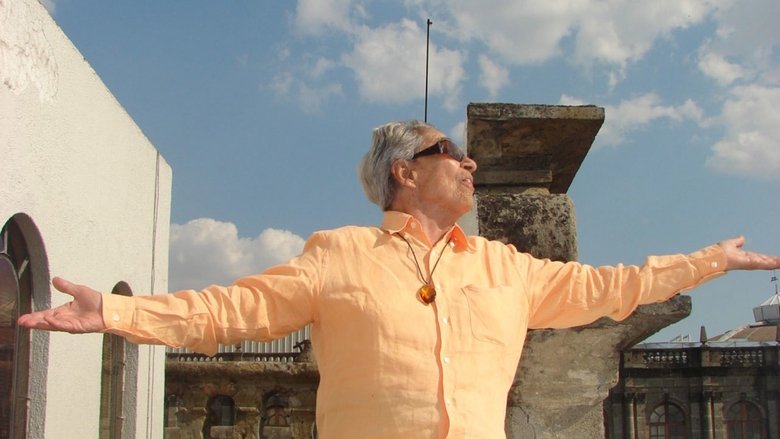
Inspired by an exclusive interview and performance footage of Chavela Vargas shot in 1991 and guided by her unique voice, the film weaves an arresting portrait of a woman who dared to dress, speak, sing, and dream her unique life into being.
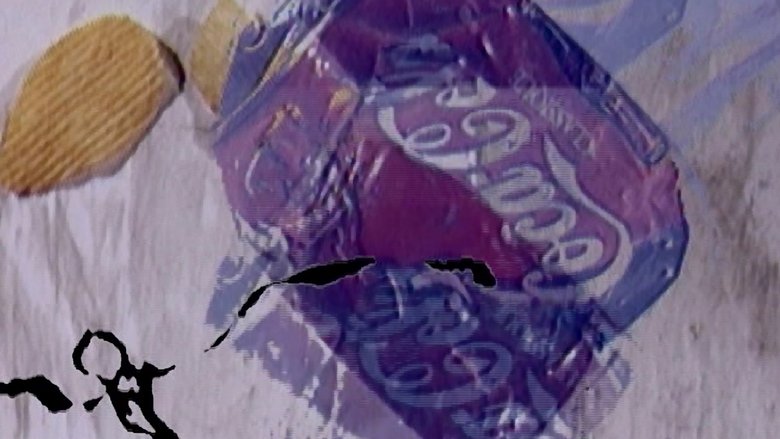
A whirlwind of improvisation combines the images of animator Pierre Hébert with the avant-garde sound of techno whiz Bob Ostertag in this singular multimedia experience, a hybrid of live animation and performance art.
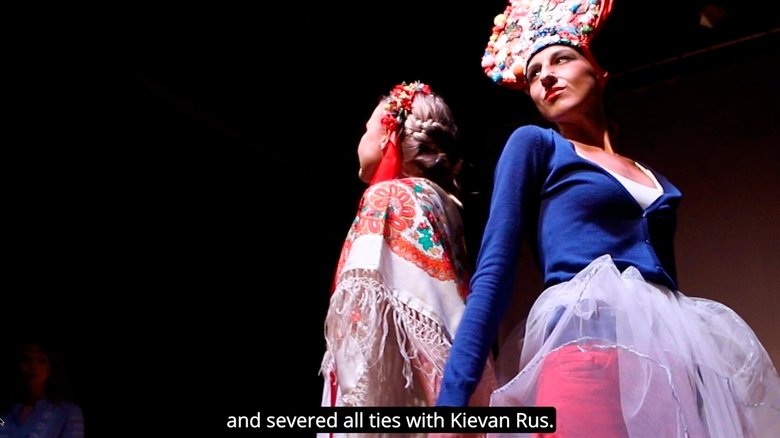
Film made by activists who lived for a month in the Plaça de Catalunya in Barcelona after the start of a full-scale Russian invasion of Ukraine in 2022.
Works with sound recordings of Dion McGregor, who became famous for talking in his sleep.
Clouds 1969 by the British filmmaker Peter Gidal is a film comprised of ten minutes of looped footage of the sky, shot with a handheld camera using a zoom to achieve close-up images. Aside from the amorphous shapes of the clouds, the only forms to appear in the film are an aeroplane flying overhead and the side of a building, and these only as fleeting glimpses. The formless image of the sky and the repetition of the footage on a loop prevent any clear narrative development within the film. The minimal soundtrack consists of a sustained oscillating sine wave, consistently audible throughout the film without progression or climax. The work is shown as a projection and was not produced in an edition. The subject of the film can be said to be the material qualities of film itself: the grain, the light, the shadow and inconsistencies in the print.
This Traveltalk series short looks at four of Spain's most famous cities, Granada, Seville, Toledo, and Madrid, with an emphasis on the Moors and their influence on the country.
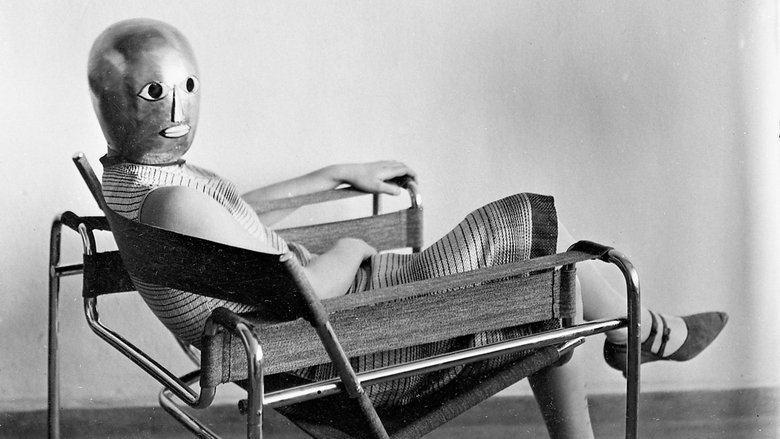
In 1919 an art school opened in Germany that would change the world forever. It was called the Bauhaus. A century later, its radical thinking still shapes our lives today. Bauhaus 100 is the story of Walter Gropius, architect and founder of the Bauhaus, and the teachers and students he gathered to form this influential school. Traumatised by his experiences during the Great War, and determined that technology should never again be used for destruction, Gropius decided to reinvent the way art and design were taught. At the Bauhaus, all the disciplines would come together to create the buildings of the future, and define a new way of living in the modern world.
Writing a letter to Paul B. Preciado, trans philosopher and filmmaker, as one would write to a friend. Undertake a healing process as a queer child growing up in a Spanish evangelical family. From Lausanne to New York, Lézio Schiffke-Rodriguez follows in the footsteps of revolutions that invite us to redefine our vision of binary bodies.
A tale of 2 passages within the Spirit house. This is the first in a series that looks at the places we find our spiritual presence augmented, inflamed, or simply acknowledged.
This is a 1991 documentary film about the legendary artist and filmmaker, Joseph Cornell, who made those magnificent and strange collage boxes. He was also one of our great experimental filmmakers and once apparently made Salvador Dali extremely jealous at a screening of his masterpiece, Rose Hobart. In this film we get to hear people like Susan Sontag, Stan Brakhage, and Tony Curtis talk about their friendships with the artist. It turns out that Curtis was quite a collector and he seemed to have a very deep understanding of what Cornell was doing in his work.
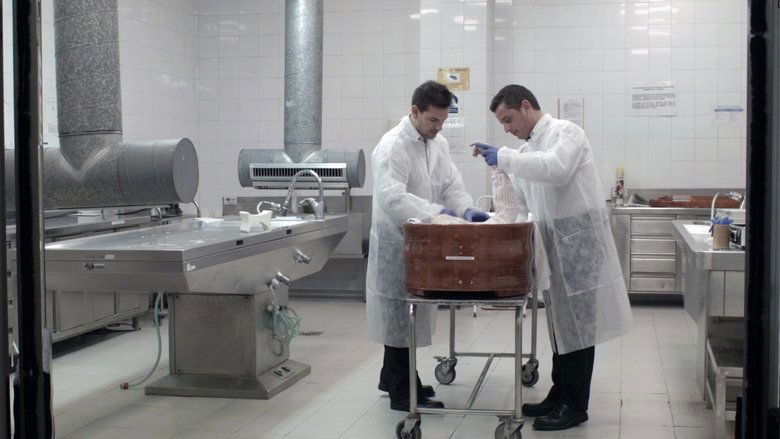
The human being feels generally as fascinated as fearful before death and the inevitable fact of dying. Workers at the cemetery of Palma de Mallorca, in Spain, face this harsh reality every day, so they have found a way to deal with it.
Several Portuguese creators occupy the director's chair in this collective short film shot during the COVID-19 pandemic shutdown in an unfolding of personal perspectives.
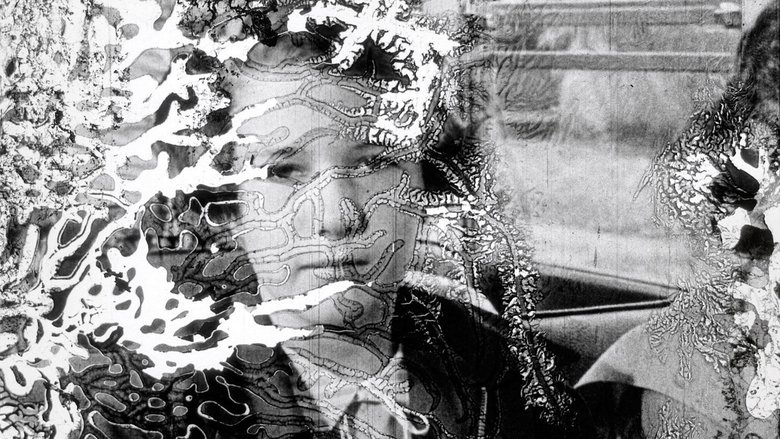
A meditation on the human quest to transcend physicality, constructed from decaying archival footage and set to an original symphonic score.