
Similar to Kampf um Tibet
The Last Chinese Laundry (1987)
A documentary from 1987 featuring the life of early Chinese immigrants to the island of Newfoundland.
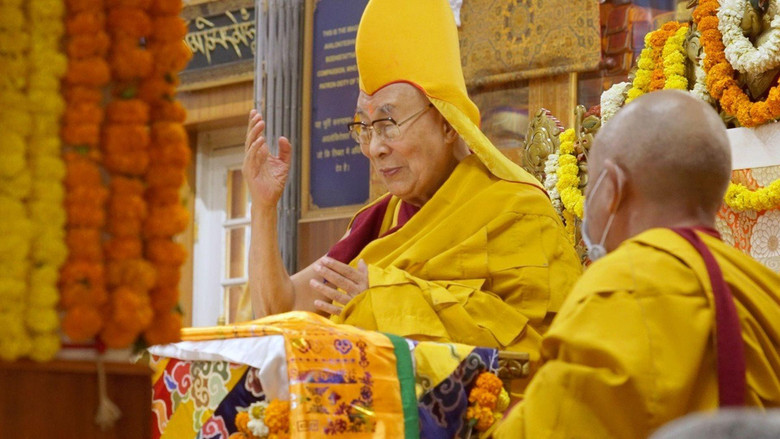
Le Tibet face à la Chine, le dernier souffle ? (2024)
As the crucial question arises of the future succession of the Dalai Lama, we take a look back at the tormented history of the "Land of Snows" which lives under Chinese domination and which remains a geopolitical issue of the first order. A valuable documentary that gives voice to a people that China is trying to permanently silence.
A Gesar Bard's Tale (2013)
As a boy, Dawa was an illiterate Tibetan nomad whose life revolved around herding yaks. At 13, his life changed: through a series of visions, Dawa acquired the gift of telling the epic story of Tibet’s King Gesar. Now, at 35, Dawa receives a salary from the government as a guardian of national cultural heritage and is regarded as a holy man by his community. When an earthquake reduces his hometown to rubble, redevelopment of the region takes a giant leap forward. In the midst of such seismic shifts, Dawa seeks healing from King Gesar and other divine protectors of the land.
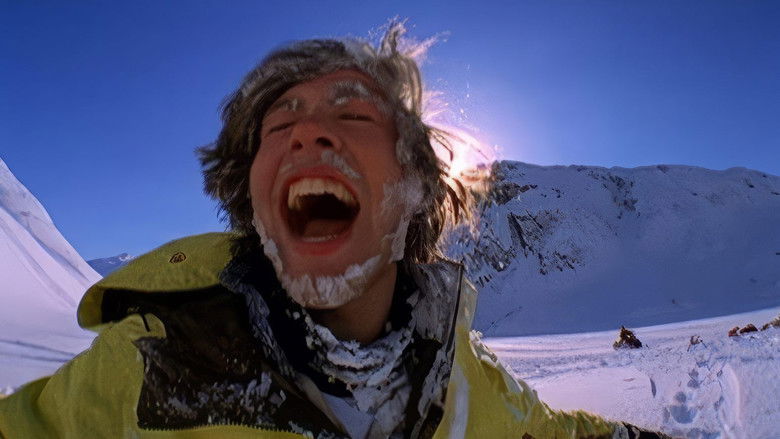
Blindsight (2006)
Six blind Tibetan teenagers climb the Lhakpa-Ri peak of Mount Everest, led by seven-summit blind mountain-climber Erik Weihenmayer.
The Tea Explorer
The Tea Explorer documentary follows the journey of tea enthusiast Jeff Fuchs along the Tea Horse Road, a 1300-year-old trade route in the Himalayas. It combines the author's passion for both tea and mountains, tracing the route's history, meeting the people who live along it, and exploring the significance of tea in the region.

Mrs. Fang (2018)
In a quiet village in southern China, Fang Xiuying is sixty-seven years old. Having suffered from Alzheimer's for several years, with advanced symptoms and ineffective treatment, she was sent back home. Now, bedridden, she is surrounded by her relatives and neighbors, as they witness and accompany her through her last days.
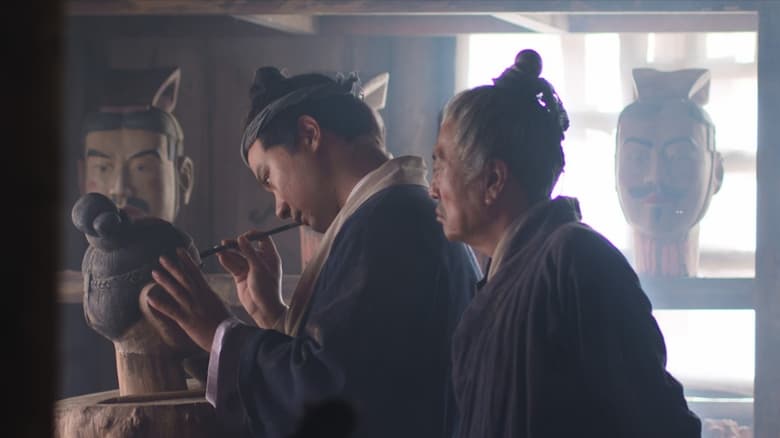
Mysteries of the Terracotta Warriors (2024)
Thousands of terracotta warriors guarded the first Chinese emperor's tomb. This is their story, told through archeological evidence and reenactments.
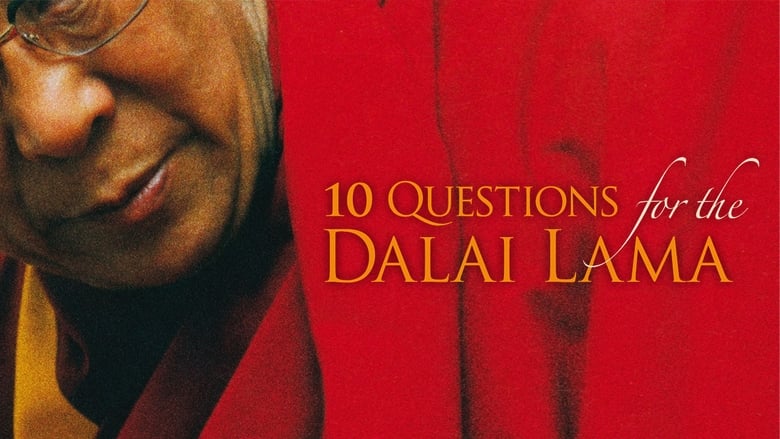
10 Questions for the Dalai Lama (2006)
How do you reconcile a commitment to non-violence when faced with violence? Why do the poor often seem happier than the rich? Must a society lose its traditions in order to move into the future? These are some of the questions posed to His Holiness the Dalai Lama by filmmaker and explorer Rick Ray. Ray examines some of the fundamental questions of our time by weaving together observations from his own journeys throughout India and the Middle East, and the wisdom of an extraordinary spiritual leader. This is his story, as told and filmed by Rick Ray during a private visit to his monastery in Dharamsala, India over the course of several months. Also included is rare historical footage as well as footage supplied by individuals who at great personal risk, filmed with hidden cameras within Tibet.

Free Tibet (1998)
A film about the Tibetan Freedom Concert in San Francisco in 1996.
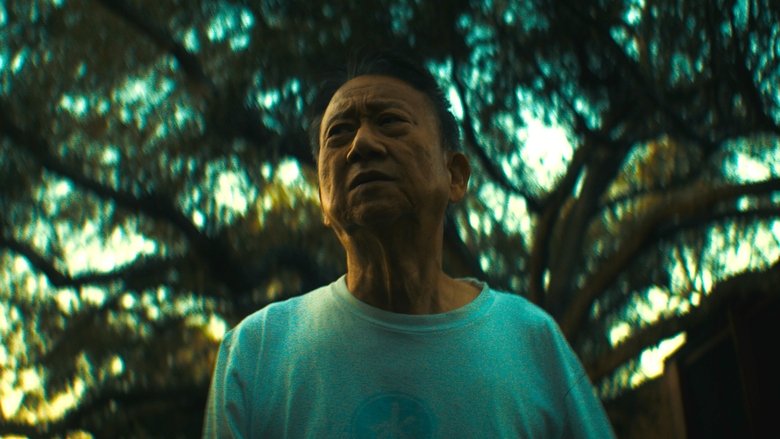
Starring Jerry as Himself (2024)
Jerry, an ordinary immigrant dad, retired in Orlando, is recruited to be an undercover agent for the Chinese police. Jerry’s family recreates the events on film and his three sons discover a darker truth. True crime meets spy thriller in this genre-bending docufiction hybrid about an immigrant’s search for the American dream. A Slamdance Film Festival Grand Jury and Audience Award winner.
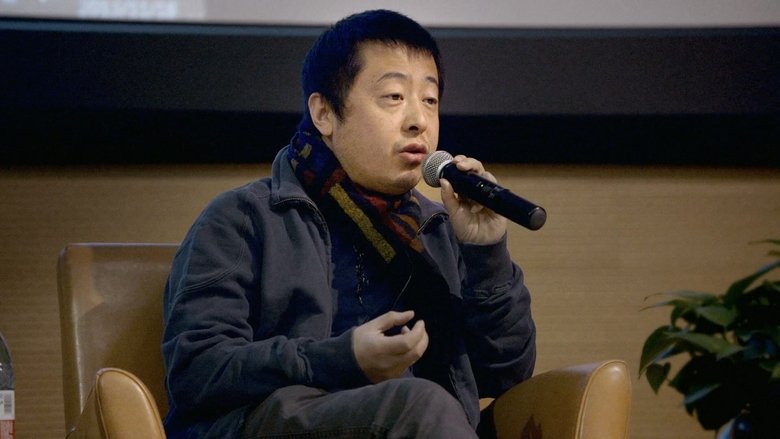
Jia Zhangke, A Guy from Fenyang (2016)
Chinese filmmaker Jia Zhangke returns to the shooting locations of his films, along with his actors, friends and close collaborators. Jia recalls the inspiration sources for his movies, such as Platform, Still Life and A Touch of Sin. The film is the memory of a filmmaker and of a country in convulsion, China, which reveals itself little by little.
i.Mirror by China Tracy (2007)
Cao Fei recorded her experiences within the online social platform Second Life. The result is a wistful, surreal vision of an alternative reality sprung from the pop culture fantasies and hyper-consumerism of contemporary urban China, while also trying to transcend its real-life limitations. It can be seen as an answer to the challenge posed by River Elegy: how to envision a new Chinese destiny founded on principles of individuality, creativity, discovery, and freedom. The film also reflects the contemporary condition of the virtual supplanting our experience of the real.
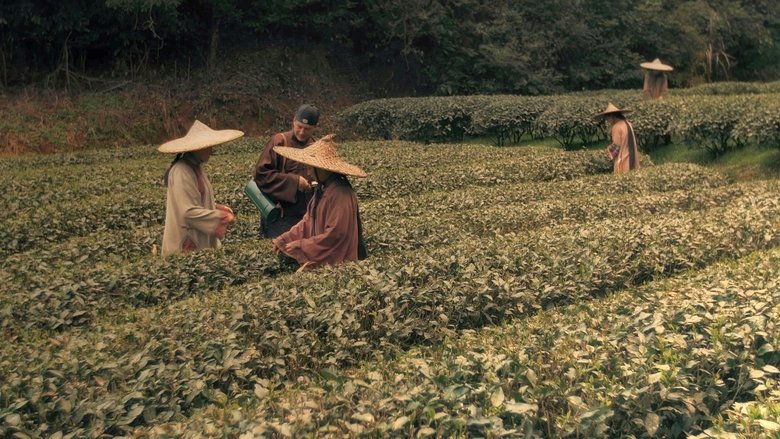
Tea War: The Adventures of Robert Fortune (2016)
In the 19th century, China held the monopoly on tea, which was dear and fashionable in the West, and the British Empire exchanged poppies, produced in its Indian colonies and transformed into opium, for Chinese tea. Inundated by the drugs, China was forced to open up its market, and the British consolidated their commercial dominance. In 1839, the Middle Empire introduced prohibition. The Opium War was declared… Great Britain emerged as the winner, but the warning was heeded: it could no longer depend on Chinese tea. The only alternative possible was to produce its own tea. The East India Company therefore entrusted one man with finding the secrets of the precious beverage. His mission was to develop the first plantations in Britain’s Indian colonies. This latter-day James Bond was called Robert Fortune – a botanist. After overcoming innumerable ordeals in the heart of imperial China, he brought back the plants and techniques that gave rise to Darjeeling tea.
Women in China (1997)
Women in China is a timely two-part documentary on the conditions of women in today's economically -oriented Chinese society. By visiting four diverse parts of China, it provides a representative view of the opportunities and living conditions of Chinese women today.
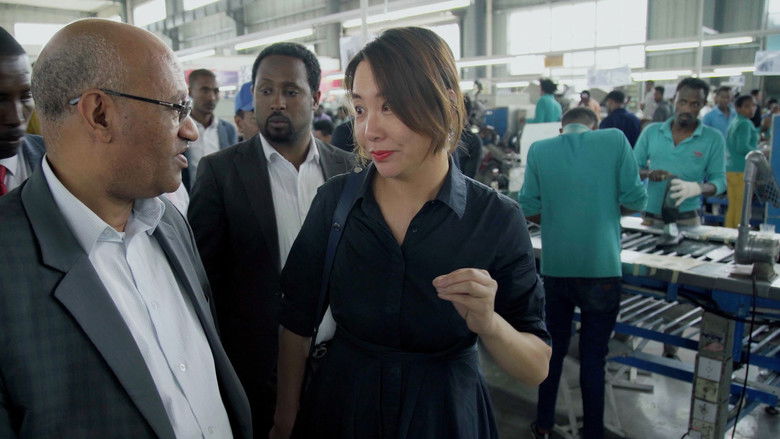
Made in Ethiopia (2024)
When a massive Chinese factory complex attempts a high-stakes expansion in rural Ethiopia, three women in search of prosperity have their faith in industrialization tested to the limit. Filmed over four years with singular access, Made in Ethiopia lifts the curtain on China’s historic but misunderstood impact on Africa, and explores contemporary Ethiopia at a moment of profound crisis. The film was awarded the Jury Special Mention at Tribeca Festival.

Mass-market retailing: The end of a system? (2021)
The supermarket chains used to seem unbeatable, capturing the lion’s share of the grocery market. But for some years now they have been in crisis. In the wake of a fierce price war, retailers are resorting to increasingly aggressive commercial negotiation methods at the expense of suppliers, farmers and producers. Further competition is coming from the tech giants as Amazon and Alibaba invest in the food industry. What are the implications of all these changes on working conditions, the quality of our food and the future of our planet?