
The Song of Italy (1967)
Filmed during Jonas Mekas’s travels through Italy in 1967, this short captures scenes from the country’s cities and countryside. The footage was later included in his 2003 compilation film Travel Songs (1967–1981).
Filmed during Jonas Mekas’s travels through Italy in 1967, this short captures scenes from the country’s cities and countryside. The footage was later included in his 2003 compilation film Travel Songs (1967–1981).
A documentary portrait of Utopia, loosely framed by Plato’s invocation of the lost continent of Atlantis in 360 BC and its re-resurrection via a 1970s science fiction pulp novel.
Filmed during Jonas Mekas’s travels in 1981, this short captures scenes from Stockholm. The footage was later included in his 2003 compilation film Travel Songs (1967–1981).
Filmed during Jonas Mekas’s visit to Assisi in 1967, this short documents his time in the city known for its spiritual associations. The footage was later incorporated into his 2003 compilation film Travel Songs (1967–1981).
This Traveltalk series short visits Papua and Kalabahai.
An overdressed girl tries her luck in dance events that are for Finnish tourists in a small Estonian health resort town, Pärnu.
A young man in a tram is asking a bit too much from a stranger.
An elderly lady pushes the limits of customer service at an up-market department store by continuously requesting announcements for interesting-looking men.
The second entry in Velu Viswanadhan's series of experimental documentaries. This film traces the Ganges river upstream.
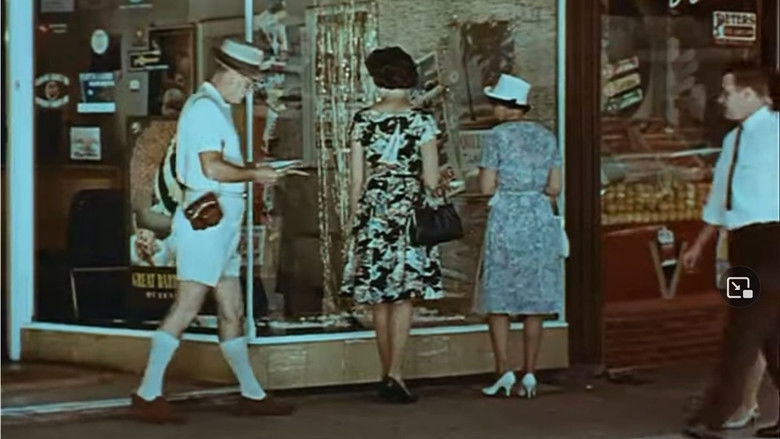
Made by the Department of Immigration to entice immigrants from Great Britain, this film shows an idyllic picture of life in the New South Wales regional town of Wagga Wagga in the mid 1960s.
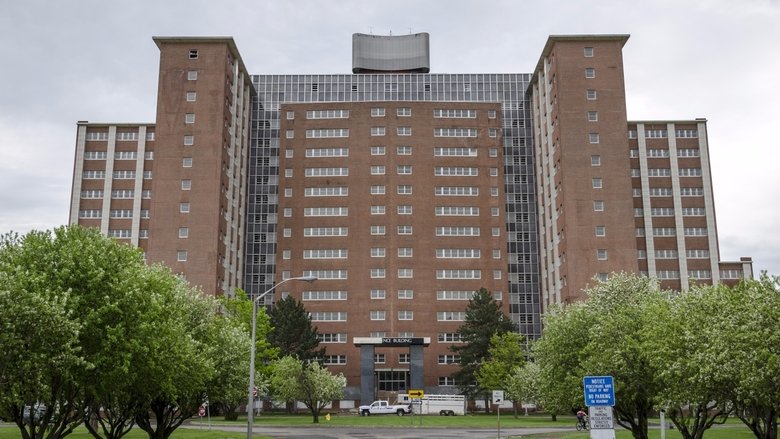
A historical documentary documenting the rise, function, and abandonment of a 17 story building that once housed The Rochester Psychiatric Center. This film tells the story of the building through historical footage, interviews of former staff and patients who recount their memories of the behemoth facility while also exploring the abandoned building as it is today.
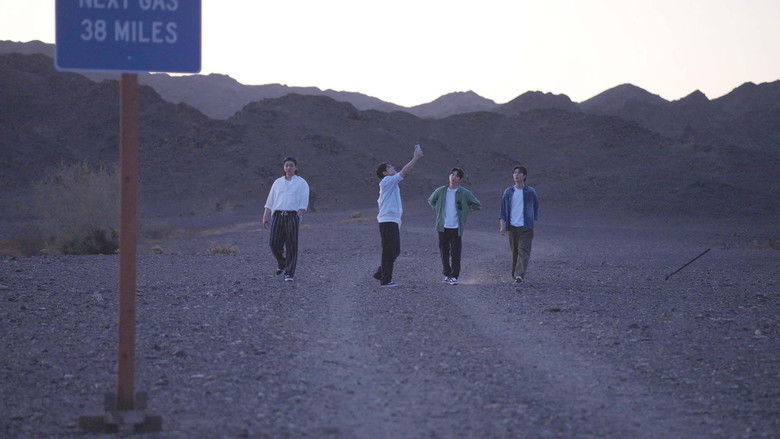
DAY6, a band that stays evergreen, yet makes every day feel new. This summer, the four young men write what can only be described as their Time of Our Life. Celebrating their 10th anniversary, DAY6 embarks on a spontaneous road trip across America, fresh off a triumphant world tour. "Again, let's have fun!" For 6 days, they follow nothing but the sound of music and the pull of wonder - no plans, just the road unfolding ahead. Unfamiliar sights, unexpected connections, and moments of chaos each becomes a lucky stroke, a cherished Time of Our Life. 6DAYS of DAY6 indulging in a radiant moment of youth. A cinematic road trip painted with dreamlike landscapes—and at the heart of it all, there was music.
A short documentary from Eric Ashby on the badgers leaving near his home.
Short documentary about Teigan who became disabled as a result of being kissed on the lips by a family member with a cold sore, and how mum and dad are now trying to raise awareness of these dangers.
"This tape is an exploration of my latent heterosexuality with porn star / performance artist Annie Sprinkle as instructor and sage. After assuaging my fears that I can have sex with a woman & still maintain my gay identity, Annie warms me up with some playful, sensual wrestling. She then instructs in the use of a tampon while relating men's need to make war with their inability to menstruate. For the rest of the tape, she guides me through the specifics of sexual exploration, positions of coital congress as well as post- coital ritual."
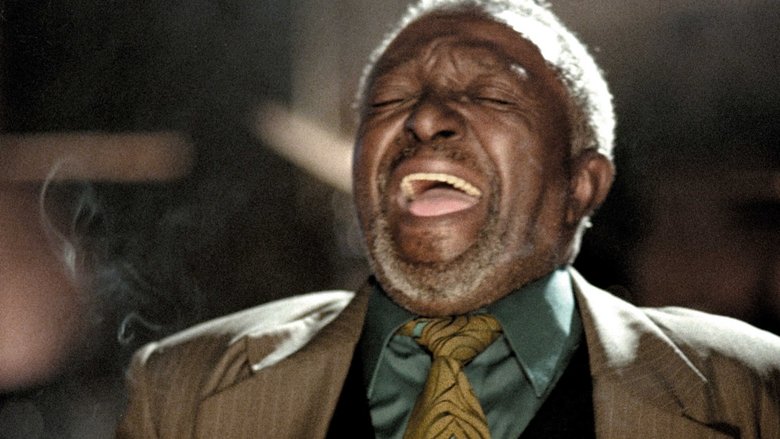
In 1959, Berry Gordy Jr. gathered the best musicians from Detroit's thriving jazz and blues scene to begin cutting songs for his new record company. Over a fourteen year period they were the heartbeat on every hit from Motown's Detroit era. By the end of their phenomenal run, this unheralded group of musicians had played on more number ones hits than the Beach Boys, the Rolling Stones, Elvis and the Beatles combined - which makes them the greatest hit machine in the history of popular music. They called themselves the Funk Brothers. Forty-one years after they played their first note on a Motown record and three decades since they were all together, the Funk Brothers reunited back in Detroit to play their music and tell their unforgettable story, with the help of archival footage, still photos, narration, interviews, re-creation scenes, 20 Motown master tracks, and twelve new live performances of Motown classics with the Brothers backing up contemporary performers.
This is a documentary of David Hammons prior to his leaving the Los Angeles arts community. This video covers the artist's creative strategies at that time. It served as both an interview and video performance by David Hammons.
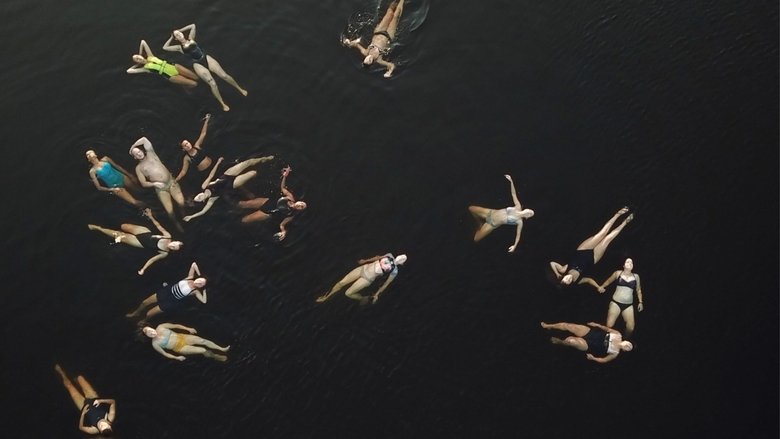
Lake gazes down at a still body of water from a birds-eye view, while a group of artists peacefully float in and out of the frame or work to stay at the surface. As they glide farther away and draw closer together, they reach out in collective queer and desirous exchanges — holding hands, drifting over and under their neighbors, making space, taking care of each other with a casual, gentle intimacy while they come together as individual parts of a whole. The video reflects on notions of togetherness and feminist theorist Silvia Federici’s call to “reconnect what capitalism has divided: our relation with nature, with others, and our bodies.”
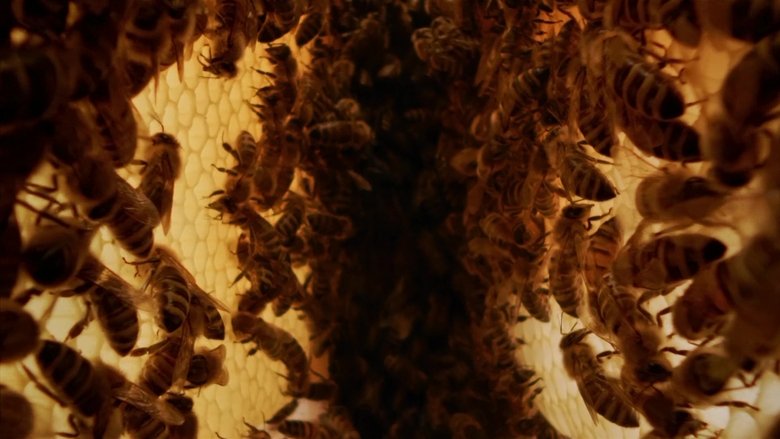
Bees are one of the most important species on the planet. A look at the trials and tribulations of two particular honeybees over two years from birth to death.
Investigating autumn, temporal alterations, and their effect on movement
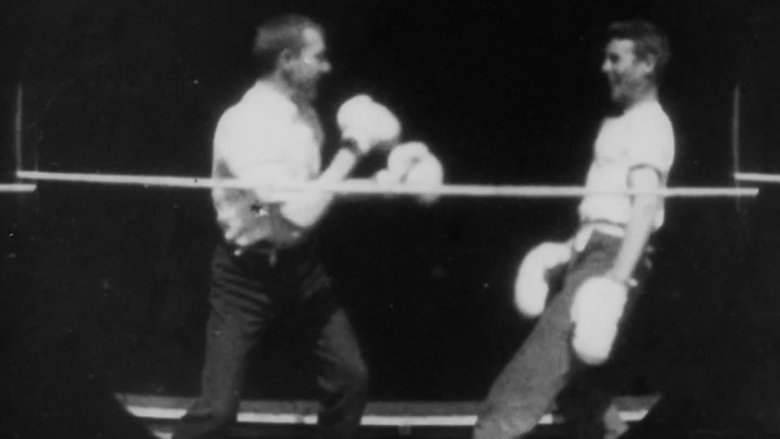
Experimental film fragment made with the Edison-Dickson-Heise experimental horizontal-feed kinetograph camera and viewer, using 3/4-inch wide film.