
The Inconclusive Independence (2010)
Documentary about the independence and history of Latin America.
Documentary about the independence and history of Latin America.
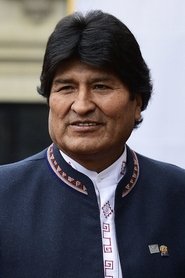 Evo MoralesSelf - President of BoliviaRafael CorreaSelf - President of Ecuador
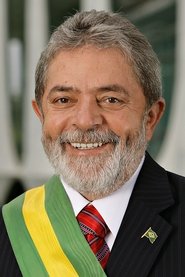 Luiz Inácio Lula da SilvaSelf - President of Brazil
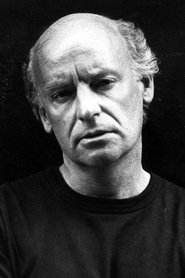 Eduardo GaleanoSelf - Writer. UruguayMiguel León-PortillaSelf - Writer and Philosophy major. Mexico
 Michelle BacheletSelf - President of Chile
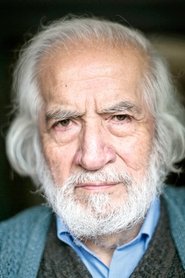 Gabriel SalazarSelf - Historian. ChileLuis Britto GarcíaSelf - Historian and Writer. Venezuela
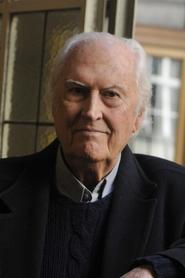 Fernando E. SolanasSelf - Filmmaker and Congressman. Argentina
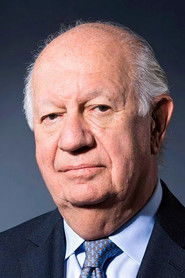 Ricardo LagosSelf - Former President of Chile
"Africa Light" - as white local citizens call Namibia. The name suggests romance, the beauty of nature and promises a life without any problems in a country where the difference between rich and poor could hardly be greater. Namibia does not give that impression of it. If you look at its surface it seems like Africa in its most innocent and civilized form. It is a country that is so inviting to dream by its spectacular landscape, stunning scenery and fascinating wildlife. It has a very strong tourism structure and the government gets a lot of money with its magical attraction. But despite its grandiose splendor it is an endless gray zone as well. It oscillates between tradition and modernity, between the cattle in the country and the slums in the city. It shuttles from colonial times, land property reform to minimum wage for everyone. It fluctuates between socialism and cold calculated market economy.

A portrait of Argentine libertarian politician Javier Milei.
Documentary following Serbian football coach Zoran Đorđević as he helps form South Sudan's first national football team.
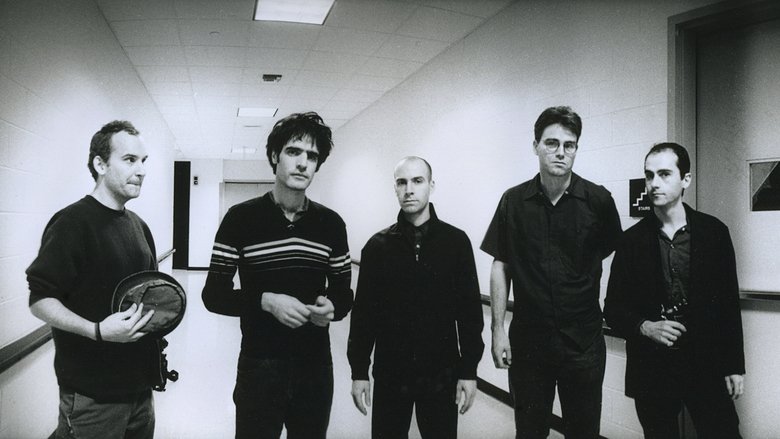
The band Fugazi is documented over a period of more than ten years (1987-1998) through performance footage and interviews with the band and their fans. Director Jem Cohen's relationship with band member Ian MacKaye extends back to the 1970s when the two met in high school in Washington, D.C.. The film takes its title from the Fugazi song of the same name, from their 1993 album, In on the Kill Taker. Editing of the film was done by both Cohen and the members of the band over the course of five years. It was shot from 1987 through 1998 on super 8, 16mm and video and is composed mainly of footage of concerts, interviews with the band members, practices, tours and time spent in the studio recording their 1995 album, Red Medicine. The film also includes portraits of fans as well as interviews with them at various Fugazi shows around the United States throughout the years.
Functions without theaters, murals without walls, clothes without fabrics and students without schools says the necessary about the state abandonment and but also talent and creativity of Colombians, which it has nothing to lose. The documentary tells the story of the beginnings and resilience of several artist from Barranquilla in different disciplines in continuing to maintain and diversify the living culture, that remain to exist.
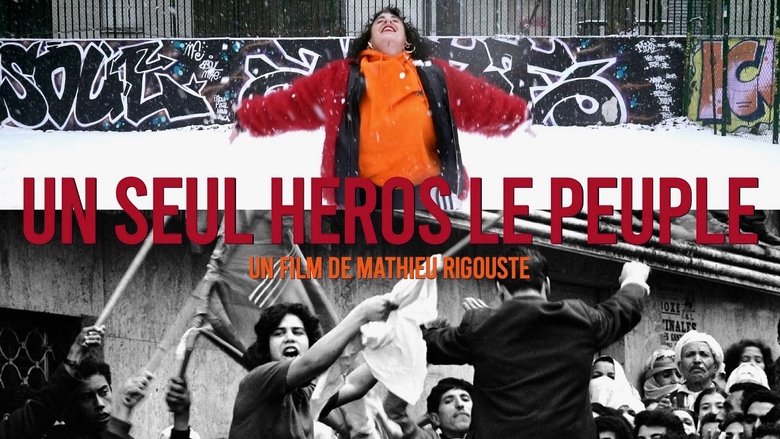
This film is the product of a seven-year research journey on the popular insurrection of December 1960 in Algeria and the failure of the counter-insurrection, thanks to the Wretched of the Earth themselves.
The visions experienced by a man in the midst of Chile’s social revolt lead him to revisit different moments of his life while his mind wanders through a limbo of images. The journey will help him to finally discover why he’s in that place.
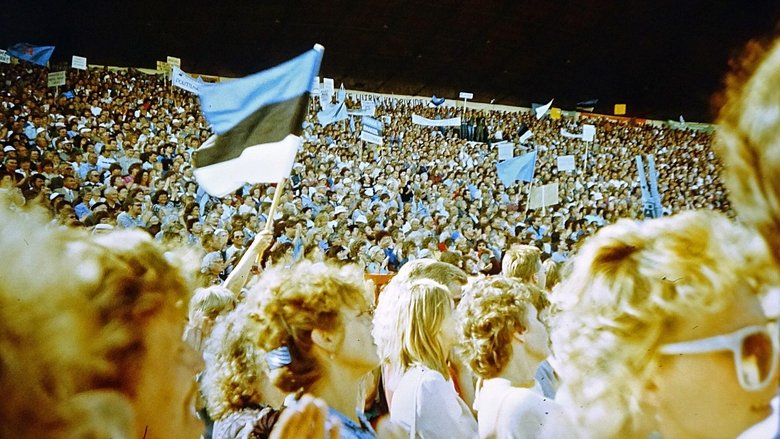
Most people don't think about singing when they think about revolutions. But song was the weapon of choice when, between 1986 and 1991, Estonians sought to free themselves from decades of Soviet occupation. During those years, hundreds of thousands gathered in public to sing forbidden patriotic songs and to rally for independence. "The young people, without any political party, and without any politicians, just came together ... not only tens of thousands but hundreds of thousands ... to gather and to sing and to give this nation a new spirit," remarks Mart Laar, a Singing Revolution leader featured in the film and the first post-Soviet Prime Minister of Estonia. "This was the idea of the Singing Revolution." James Tusty and Maureen Castle Tusty's "The Singing Revolution" tells the moving story of how the Estonian people peacefully regained their freedom--and helped topple an empire along the way.
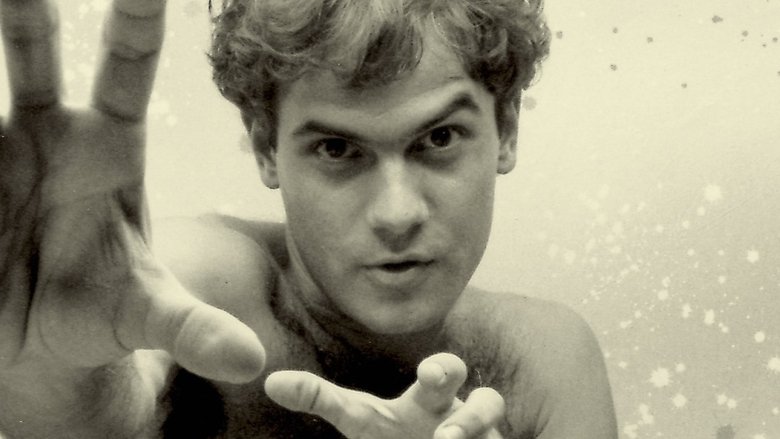
Letter Beyond the Walls reconstructs the trajectory of HIV and AIDS with a focus on Brazil, through interviews with doctors, activists, patients and other actors, in addition to extensive archival material. From the initial panic to awareness campaigns, passing through the stigma imposed on people living with HIV, the documentary shows how society faced this epidemic in its deadliest phase over more than two decades. With this historical approach as its base, the film looks at the way HIV is viewed in today's society, revealing a picture of persistent misinformation and prejudice, which especially affects Brazil’s most historically vulnerable populations.

Images of Argentinian companies and factories in the first light of day, seen from the inside of a car, while the director reads out documents in voiceover that reveals the collusion of the same concerns in the military dictatorship’s terror.
Africa, Europe - Europe and Africa: Surfers live differently on each continent and Africa marks a special place - as surfing is in many places at its very beginnings. 'Beyond - An African Surf Documentary' follows locals along the coast of Morocco, Western Sahara, Mauritania, Senegal and Gambia into their homes, visits their home surf spots and takes a look into their surfing lives. Three months of shooting culminated in a 111 minute long episodic journey on a continent, that has the potential to be the next big thing in surfing.
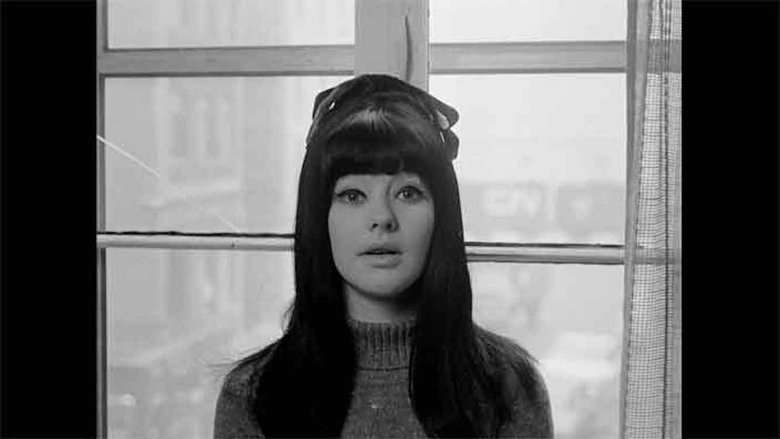
Quebec, on the cusp of the 1960s. The province is on the brink of momentous change. Deftly selecting clips from nearly 200 films from the National Film Board of Canada archives, director Luc Bourdon reinterprets the historical record, offering us a new and distinctive perspective on the Quiet Revolution.
The meaty saga of Burger Baron, a rogue fast-food chain with mysterious origins and a cult following, run by a loose network of fiercely independent Arab Canadian immigrants.
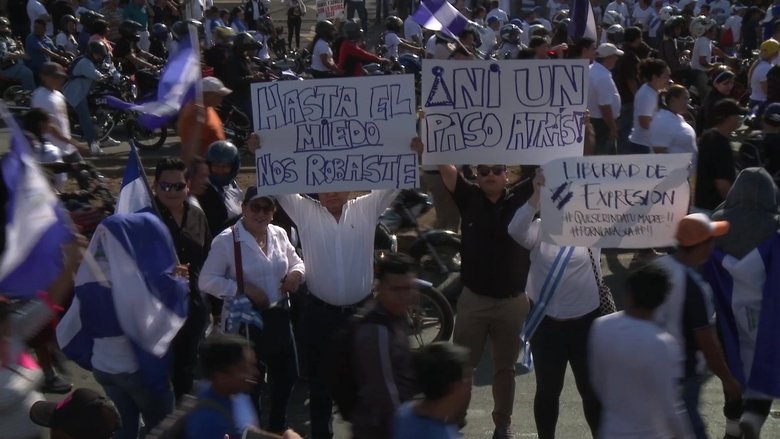
When the revolution in Nicaragua won its victory nearly 40 years ago, the world began to dream. A young generation was taking the reins in a country of grand utopias. From West Germany alone, 15,000 “brigadists” travelled to help rebuild the war-torn country: liberals, greens, unionists, social democrats, leftists and church representatives harvested coffee and cotton, built schools, kindergartens and hospital wards. No movement has mobilised so many people. What became of the hopes and dreams of the revolutionaries and their supporters?
A documentary reflecting on the memories and facts of the war of liberation in Angola.
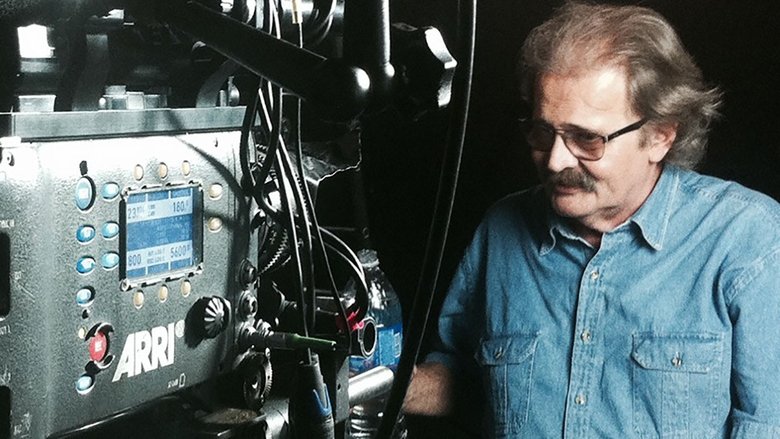
Carlos Eugênio Paz recalls his participation in the armed struggle against the military dictatorship between the 1960s and 1980s. Using the code name “Clemente”, he participated in the National Liberation Alliance and in several urban actions. Through her own testimony and that of her fellow fighters, director Isa Albuquerque builds a portrait of a troubled moment in Brazilian history and of an entire generation that fought for their country's democracy.
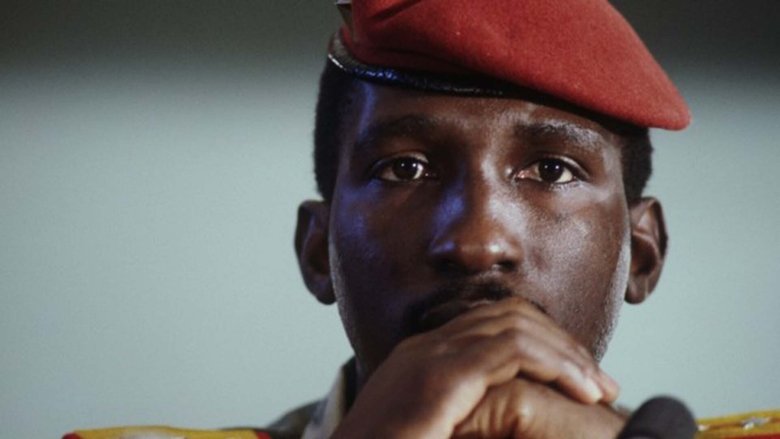
Thomas Sankara, former president of Burkina Faso, was known as "the African Che", and became famous in Africa due to his innovative ideas, his devastating humor, his spirit and his altruism. More than a classic biography, this film sheds light on the impact that this man and his politic made on Burkina Faso and Africa in general.
A documentary that traces the life and times of Bhagat Singh, a committed Marxist who most ably exemplified the spirit of revolutionary resistance against British imperialism in undivided India.
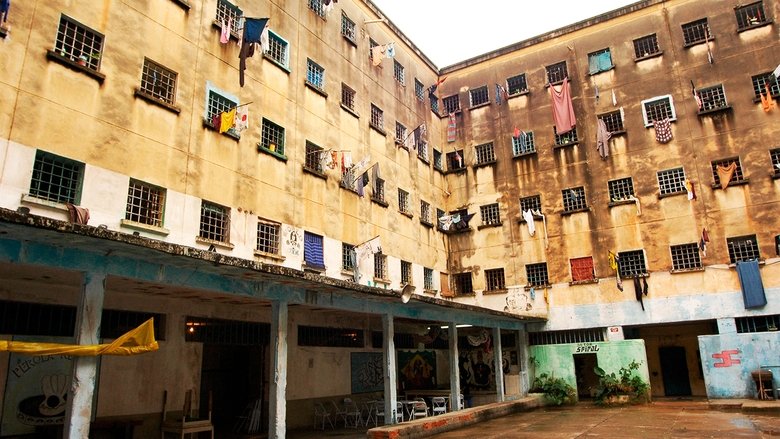
In 2002, the greatest prison in Latin America, Complex Carandiru, was demolished. A couple of months before its implosion, director Paulo Sacramento trained some inmates and together with his crew, they produced many hours of footage, showing daily life in prison.
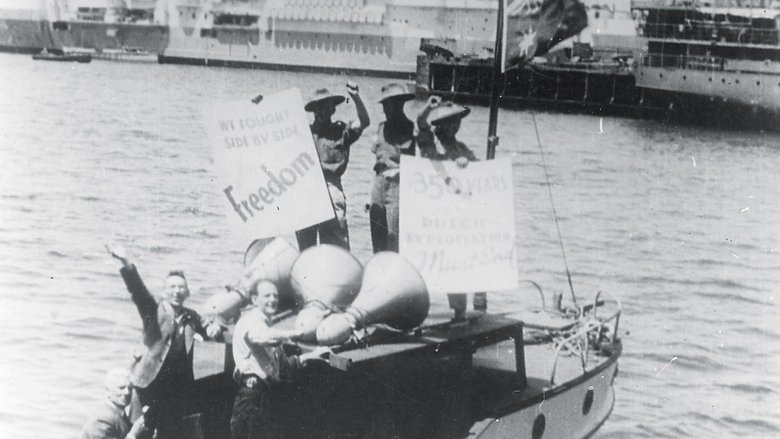
Filmed secretly in Sydney by Dutch documentarian Joris Ivens, this short records the solidarity of Indonesian seamen, Australian trade unionists, and local activists who refused to support Dutch efforts to restore colonial rule after World War II. More than a chronicle, it was an act of protest that aligned cinema with the Indonesian independence movement.