
Similar to Le virus qui soigne
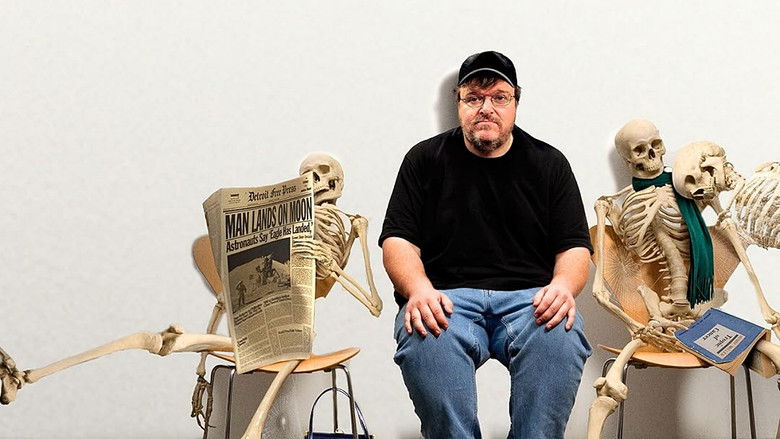
Sicko (2007)
A documentary about the corrupt health care system in The United States whose main goal is to make profit even if it means losing people’s lives. "The more people you deny health insurance, the more money we make" is the business model for health care providers in America.
The Enemies of Reason (2007)
Documentary written and presented by scientist Richard Dawkins, in which he seeks to expose "those areas of belief that exist without scientific proof, yet manage to hold the nation under their spell", including mediumship, psychokinesis, acupuncture, and other forms of alternative medicine.
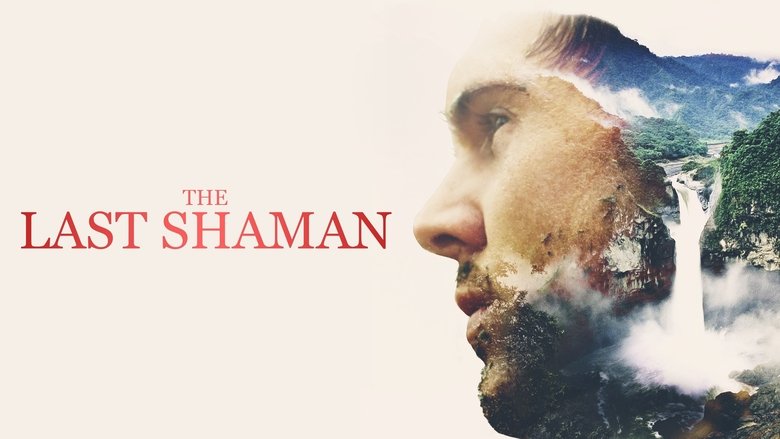
The Last Shaman (2017)
James, giving himself 12 months before he has "a license to kill himself," sets off to the Amazon rainforest with hopes of finding a shaman who can save his life.
The Shaman's Apprentice (2001)
Scientist Mark Plotkin races against time to save the ancient healing knowledge of Indian tribes from extinction.

Auf der Suche nach Heilern (2014)
“I am a hypochondriac”, admits Rosa Von Praunheim, the icon of the gay movement, right at the beginning at the film. The director, who turned seventy in 2012, is afraid of cancer, and he actually suffers from glaucoma, with osteoarthritis in his big toe. Von Praunheim is interested in alternative medicine and goes on a foray into the scene.
Counterfeit Culture (2013)
A documentary that explores the dangerous and sometimes deadly world of fake products. An industry that once dealt in imitation designer handbags and shoes has exploded into a global epidemic of counterfeit pharmaceuticals, foods, toys, electronic goods, car parts and microchips. COUNTERFEIT CULTURE challenges consumers to take a deeper look at what appears to be harmless knock-offs at bargain prices.

Unrest (2017)
When Harvard PhD student Jennifer Brea is struck down at 28 by a fever that leaves her bedridden, doctors tell her it’s "all in her head." Determined to live, she sets out on a virtual journey to document her story—and four other families' stories—fighting a disease medicine forgot.
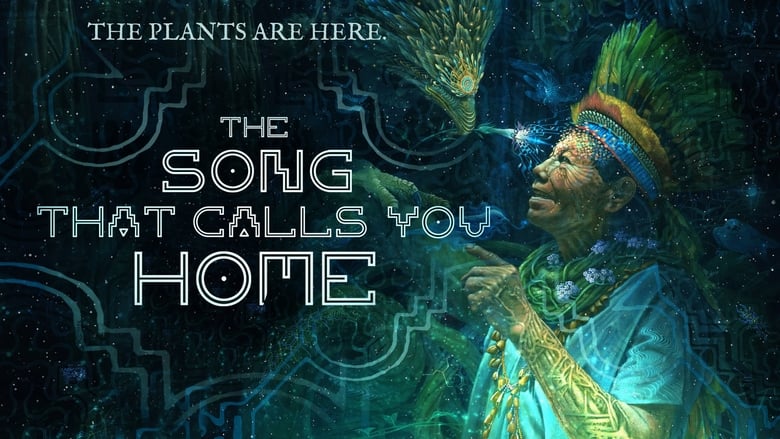
The Song That Calls You Home (2022)
A personal, scientific, mystical exploration of Amazonian curanderismo, focus on Ayahuasca and Master Plants, their healing and visionary properties and risks, along with the Shipibo people and their songs.

Our Father (2022)
After a woman's at-home DNA test reveals multiple half-siblings, she discovers a shocking scheme involving donor sperm and a popular fertility doctor.
Cancer: The Forbidden Cures (2010)
Cancer is the only disease that has been defeated dozens of times without anyone knowing it. In the last 100 years, doctors, scientists, and researchers have developed diverse and effective solutions against cancer only to be thwarted by the political and propaganda power of the drug-dominated medical profession. This is the story of Essiac, Hoxsey, Laetrile, Shark Cartilage, Mistletoe, and Bicarbonate of Soda all put together in a stunning overview that leaves no doubt that inexpensive cures for cancer do exist but are systematically blocked by Big Pharma because they come from nature and cannot be patented. Highly informative.
Monopoly Medicine (2006)
Mike Adams, known as the Health Ranger to his fans, is the author of numerous books on natural health and editor of the popular internet site called News Target. Although self-taught, his knowledge of natural medicine is nothing short of phenomenal, as you will see from this interview. Be prepared for an enlightenment that could change your life.

The Dirty War on the NHS (2019)
John Pilger unearths the hidden agenda behind the NHS crisis.

Drop by Drop (2015)
A Wisconsin doctor's controversial allergy treatment is shunned by the medical community for over half a century. Is a cure for the growing allergy epidemic on the horizon or will red tape keep patients wheezing?

The Scientist, The Imposter and Stalin: How to Feed the People (2018)
The documentary tells two very different human fates in the 1920s Soviet Union. Nikolai Vavilov was a botanical genius, Trofim Lyssenko was an agronomist who made great promises and fake inventions. Each of them tried to solve the country's nutritional problem, but only one succeeded.
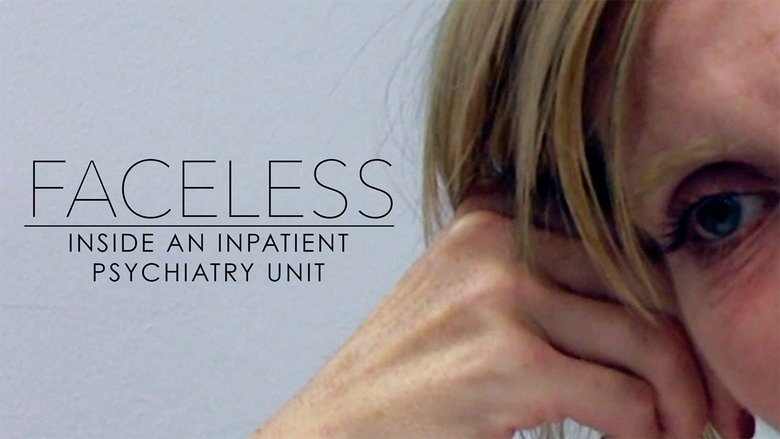
Faceless (2012)
Faceless is a documentary film about the workings of an inpatient psychiatry unit, seen through the eyes of both the patients trying to get well and the staff trying to help them.
Emperor of Hemp (1999)
This documentary chronicles the life of Jack Herer and his struggle for awareness and enlightenment of cannabis sativa, a.k.a. marijuana or hemp. His research into this plant culminates in his writing The Emperor Wears No Clothes: The Official Hemp Bible. He has dedicated his life to educating people about the history and many utilizations of hemp, the conspiracy against it, and ending marijuana prohibition.
Fat Family Tree (2013)
In a television first, Fat Family Tree sets out to prove that unlocking the secrets of a fat family’s genes can help provide the answer to their lifelong weight problems. Presented by Dr Dawn Harper (Embarrassing Bodies), Fat Family Tree uses cutting edge genetics to decode the genes of an overweight family for whom all other attempts to shed the pounds have not worked. Discovering how the family’s genes have put them at risk of excessive weight gain is the first step to devising a diet to help them beat their genes. Based on the latest science, the programme’s “gene-busting” diet also promises fail safe diet tips that could help all of us lose weight.
The Journey of Man: A Genetic Odyssey (2003)
Many geneticists and archaeologists have long surmised that human life began in Africa. Dr. Spencer Wells, one of a group of scientists studying the origin of human life, offers evidence and theories to support such a thesis in this PBS special. He claims that Africa was populated by only a few thousand people that some deserted their homeland in a conquest that has resulted in global domination.

Emergency Ward (1959)
This 1959 documentary short is a frank portrait of the daily operations inside the Montreal General Hospital’s emergency ward.
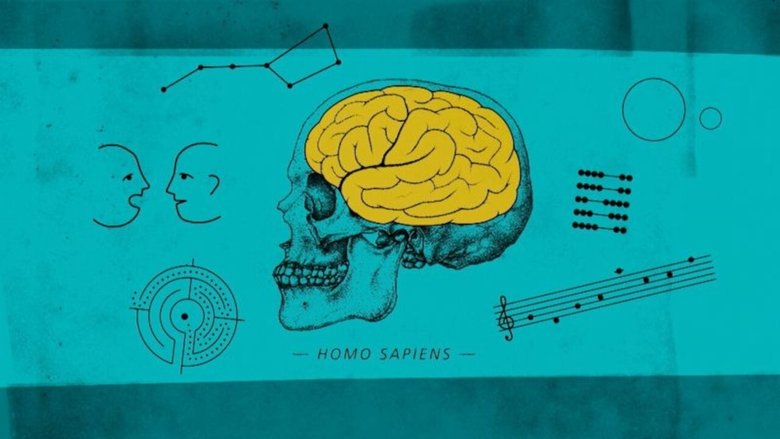
Human By Chance? (2020)
If we compare ourselves with our genetically closest living relatives, the chimpanzees, we have few physical advantages. We are far weaker, cannot move nearly as fast, and do not have the same climbing capabilities. Instead, humans excel in areas such as architecture, religion, science, language, writing, art, culture, and ideas. These achievements are due to our larger brain that contain billions of neurons. It was the rapid growth of our brain, originating about 2 million years ago, that allowed us to be the predominant species of the world. What caused this rapid growth of our cerebral cortex? Researchers worldwide have asked this question for many years, but now there finally seems to be an answer.