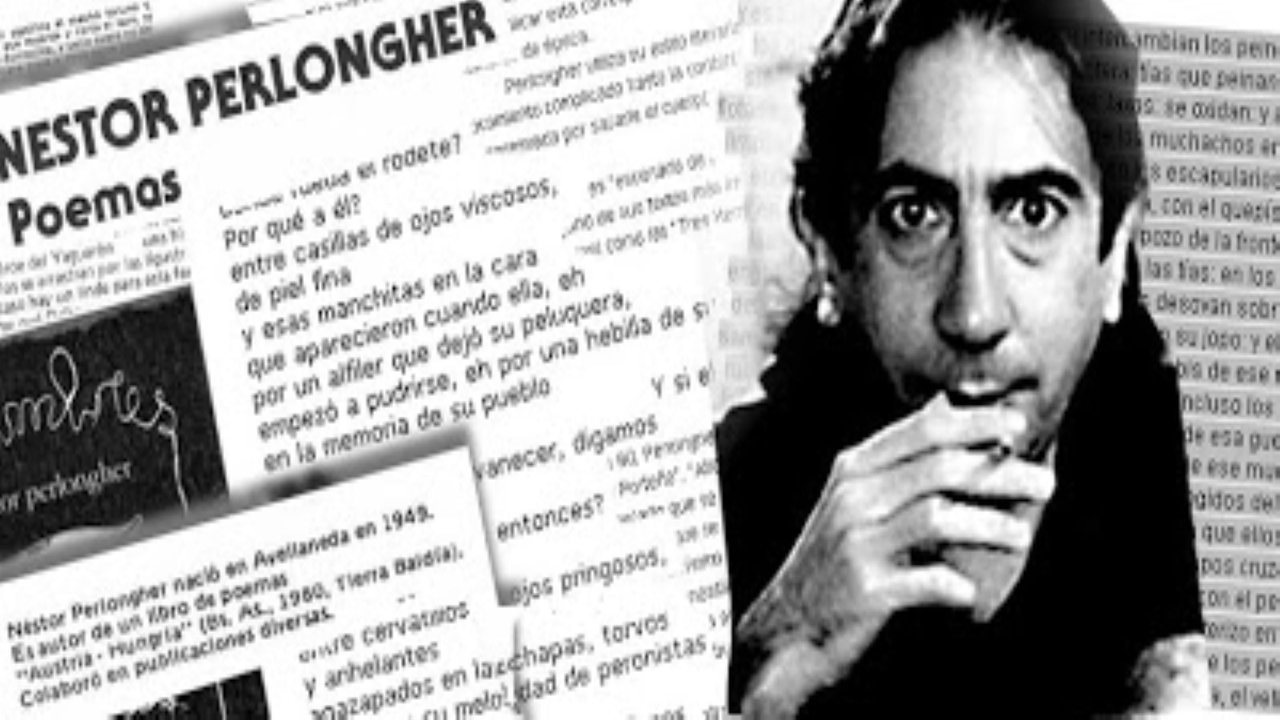
Pink Motherland (2009)
A documentary about Néstor Perlongher. His life, his poems, and his activism in Argentina's Frente de Liberación Homosexual (homosexual liberation front).
A documentary about Néstor Perlongher. His life, his poems, and his activism in Argentina's Frente de Liberación Homosexual (homosexual liberation front).
 Alejandro RicagnoFernando NoyJuan José SebreliRodolfo FogwillSara TorresMaría Inés AldaburuArturo CarreraErnesto HollmannMarcelo Ernesto FerreyraFlavio Rapisardi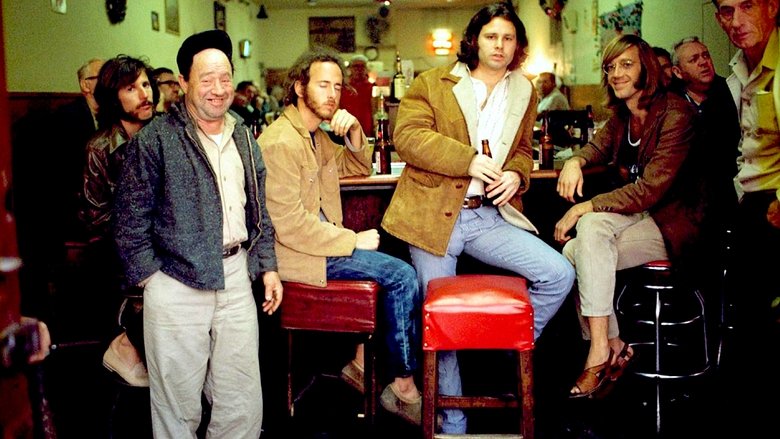
The creative chemistry of four brilliant artists —drummer John Densmore, guitarist Robby Kreiger, keyboardist Ray Manzarek and singer Jim Morrison— made The Doors one of America's most iconic and influential rock bands. Using footage shot between their formation in 1965 and Morrison's death in 1971, it follows the band from the corridors of UCLA's film school, where Manzarek and Morrison met, to the stages of sold-out arenas.
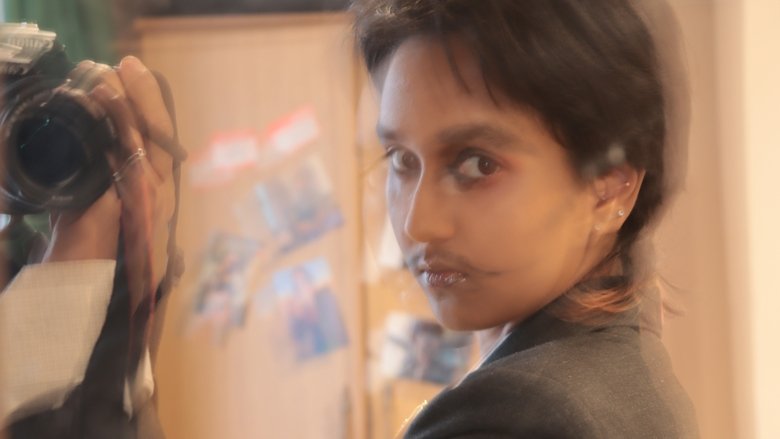
Dragphoria is a short film about drag and identity, finding yourself in a noisy crowd, and slowly accepting yourself after a long-awaited denial.
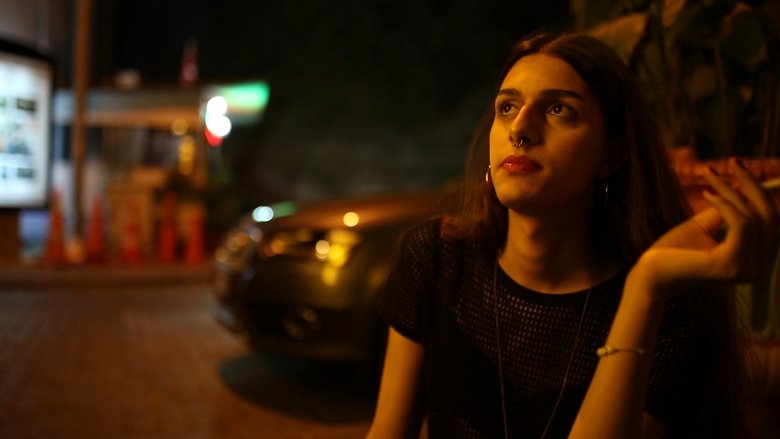
Biographical trans documentary film in which Iris Mozalar, a young artist, shares her diversity of being a bisexual transgender woman, the process of creating herself and her reflections against society.
Dangling from a high window, a young non-binary person is on the cusp of life and death. Flashes of film, literature, art (paintings) and cultural history pass them by, as if to tell a message. A postmodern treatise on connection to culture and the past.
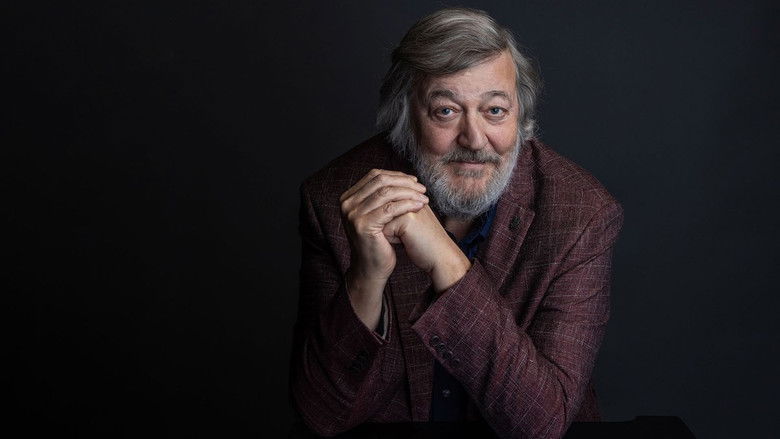
Willem was an artist who lived openly as a gay man at a time when few did. Frieda was a well-connected musician who became the first woman to lead an orchestra. We learn of their early lives and the selfless decisions that informed their devotion to the anti-Nazi cause, often at great personal risk. The gentle revelation of these extraordinary lives is gradually revealed through archive footage, skillfully combined with photographs and interviews with experts, journalists and family members.
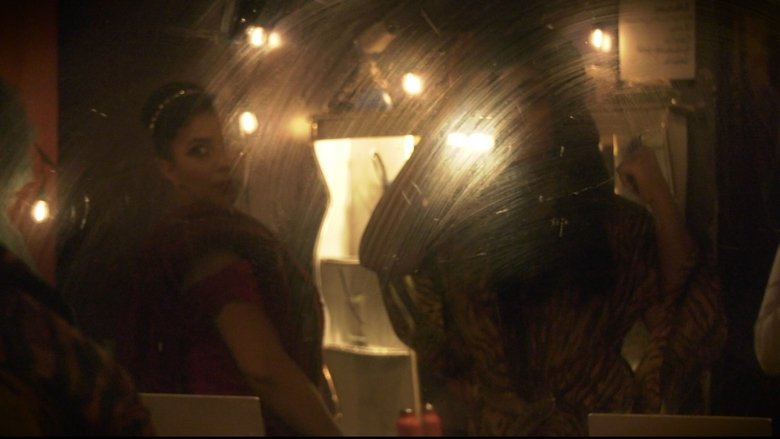
Student documentary exploring the world of burlesque as a space for artistic expression and personal liberation, where performers channel their creativity and sensuality. Through their voices, they speak about the power of the stage to reconnect with their bodies and establish a deep connection with the audience. Burlesque is presented as a feminist, inclusive, and supportive environment, celebrating gender and body diversity. The action takes place at the Wiggle Room, located in Montreal. It is the only burlesque cabaret in Canada, known for its warm atmosphere and strong sense of community.
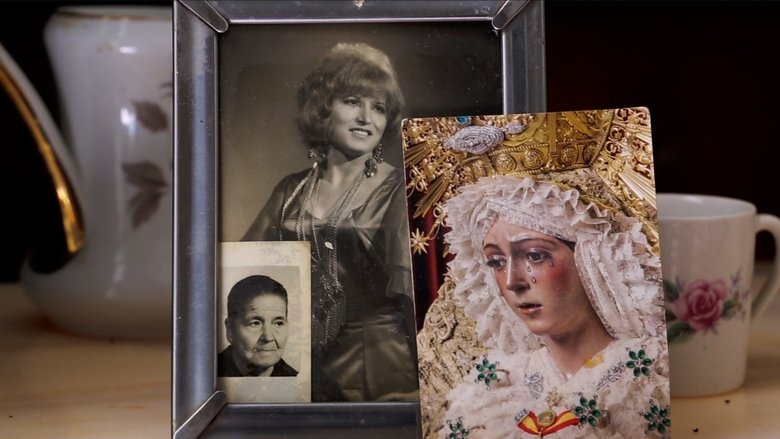
Religious-based images and traditions permeate the lives of all the people who inhabit Seville. Historically, the city's mariquitas ("sissies") have also assimilated them in their childhood and, through them, have been creating their own encounter spaces and their own codes. Nowadays, new dissident identities continue to respond to them: they participate or distance themselves, they continue what exists or transform it. This film looks at these traditions from a perspective always relegated to the margins.
A video essay about the personal and political context of a landmark lesbian feminist documentary film from 1977 called "In the Best Interests of the Children" about lesbian mothers fighting to regain custody of their children in the 1970s. As a nearly forgotten period of LGBTQ+ history, this documentary short introduces us to now retired filmmaker Frances Reid (award winning cinematographer and director) and her “step-daughter” Julie Stevens while they look through the film’s archives, discuss the making of the film and their personal relationship.
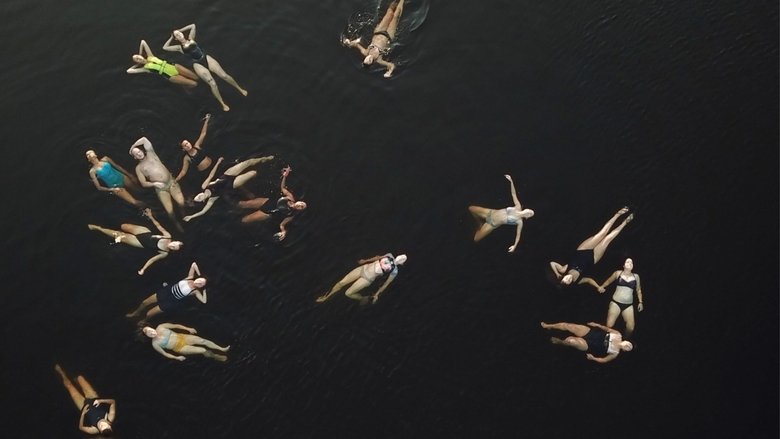
Lake gazes down at a still body of water from a birds-eye view, while a group of artists peacefully float in and out of the frame or work to stay at the surface. As they glide farther away and draw closer together, they reach out in collective queer and desirous exchanges — holding hands, drifting over and under their neighbors, making space, taking care of each other with a casual, gentle intimacy while they come together as individual parts of a whole. The video reflects on notions of togetherness and feminist theorist Silvia Federici’s call to “reconnect what capitalism has divided: our relation with nature, with others, and our bodies.”
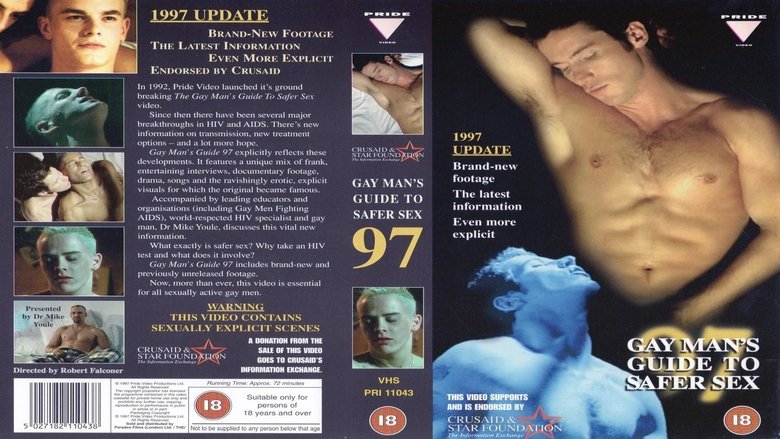
The 1997 sequel to the 1992 film of the same name, updated with a substanial amount of new information gained about safer sex for gay men in that 5 year gap.
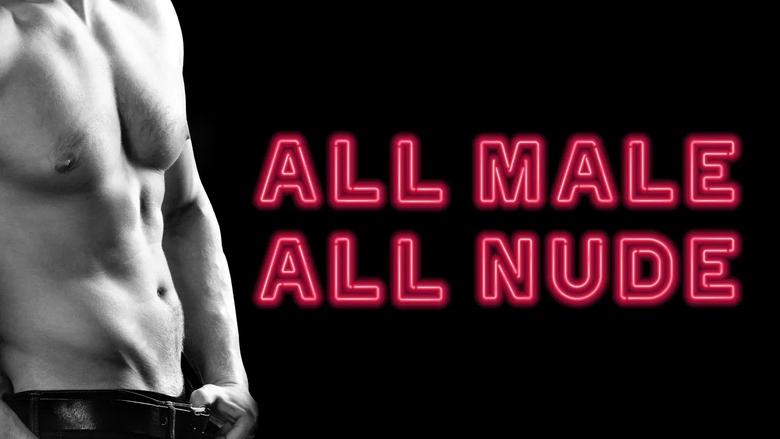
A cutting-edge journey into the taboo world of male stripping. Dive into the lives of men who work at America’s only all nude, all male, a gay strip club located in the heart of The Bible Belt.
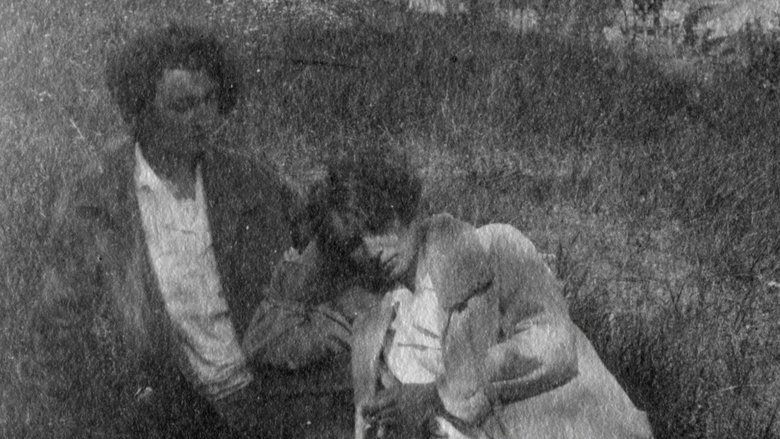
After the death of his grandmother Emma, Robin Hunzinger and his mother Claudie find a carefully preserved collection of letters which Emma received from a girl called Marcelle. In the 1920s, Emma and Marcelle met at school in Dijon. Secretly, love blossomed between the two teenage girls, but after two years they parted ways. Marcelle developed tuberculosis and was admitted to a sanatorium. Complementing the sparse photographs of the women, Hunzinger combines archive footage, avant-garde films, and music to create a sensuous, poetic atmosphere.
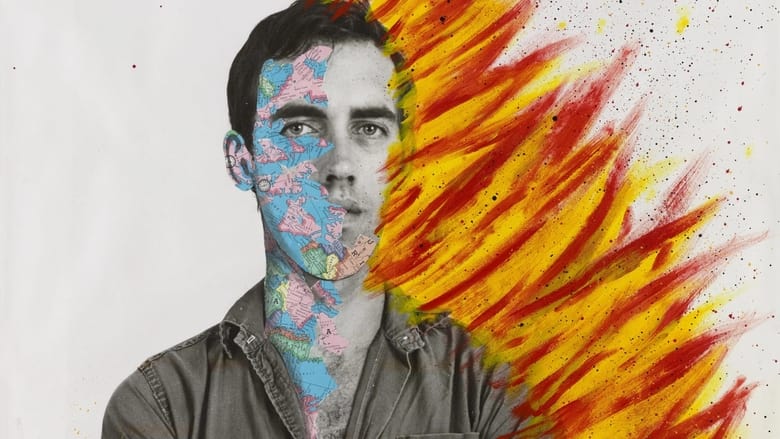
A collage-like, incisive look at the life of writer, painter and thinker David Wojnarowicz, whose powerful, unapologetic way of seeing the world gave voice to queer rights at a critical time in US history.
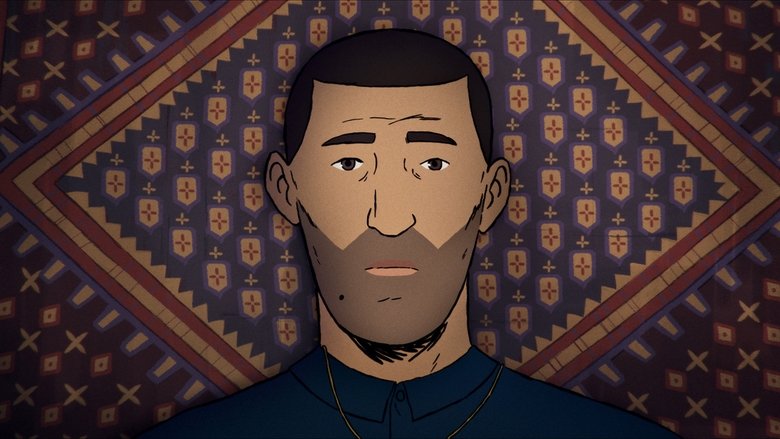
Recounted mostly through animation to protect his identity, Amin looks back over his past as a child refugee from Afghanistan as he grapples with a secret he’s kept hidden for 20 years.
A chronicle of legendary Native American poet/activist John Trudell's travels, spoken word performances, and politics.
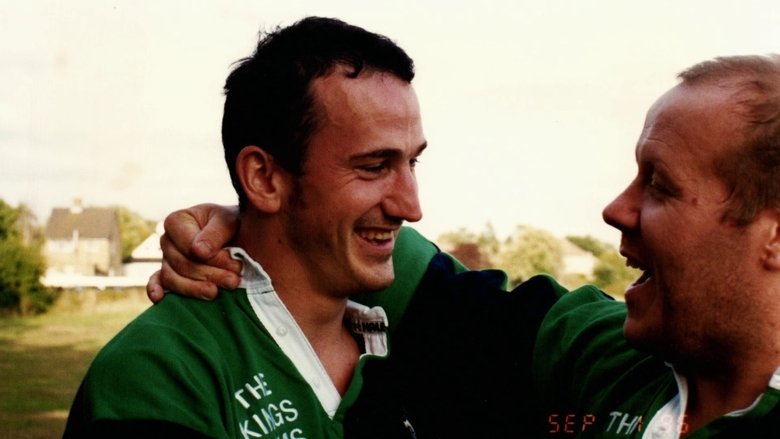
Told through the eyes of an Australian news reporter, Eammon Ashton-Atkinson, who moved to the UK to escape depression, the documentary, follows 3 characters on their journey to overcome their struggles as the club competes against 60 other gay clubs in the Bingham Cup in Amsterdam – the World Cup of gay rugby.
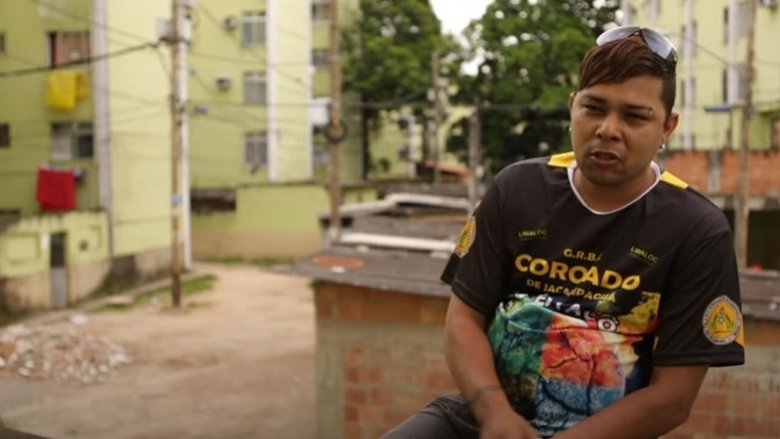
Favela Gay tells the story of eleven individuals in their own words. Living in eight slums (favelas) in Rio de Janeiro, these members of the LGBTQ community – two transgender women, a crossdressing man, a travesti prostitute, a famous carnival dancer, two community activists, and even a young man who used to be transgender, but transitioned back – have fought prejudice and seen some of the most unsavoury sides of the city.
This film is dedicated to Mas-Félipe Delavouët, the poet discovered by Lawrence Durrell, who wrote 14,000 verses in Provençal over a period of thirty years, and who died on November 18, 1990. "The sky, history and Mediterranean and Provençal myths are the inexhaustable wellspring of this man rooted down there, near Salon-de-Provence" (J.-D. Pollet). "Mas-Félipe Delavouët wrote five books in Provençal, 14,000 verses. A sort of "Odyssey". Of myths. What is stunning in him is that he always talks of disappearances. Cities, works, men, writings, television, etc., everything has to disappear. In order to be reborn. No pain. A sort of hand-to-hand of man and nature. During the filming, I would simply throw out some words... For example, one time I said "creation" and he said: "creation doesn't exist..., creation is before me..., I can only read creation"; this sentence describes Delavouët perfectly (J.-D. Pollet, 1989 and 1993).
He is considered the greatest European poet of the Middle Ages and his work unfolds the whole panopticon of occidental education – theology, philosophy, sciences, politics and literature. But who has really read it, the “Divine Comedy”? Who knows more of its creator Dante Alighieri than that he had an eagle-like profile and was in love with a woman named Beatrice? 700 years after Dante’s death, the filmmaker Adolfo Conti travels through Italy with Dante’s words in mind and eyes to see the world as Dante did. As the film encounters the beauty of arts and the Tuscan landscape, the forces of nature, a dramatic life story is unfolded.
A portrait of Larry Loomer, the owner of an antiquarian bookstore located in a small town. Larry is a colourful and amusing character who shares his wry take on the world.