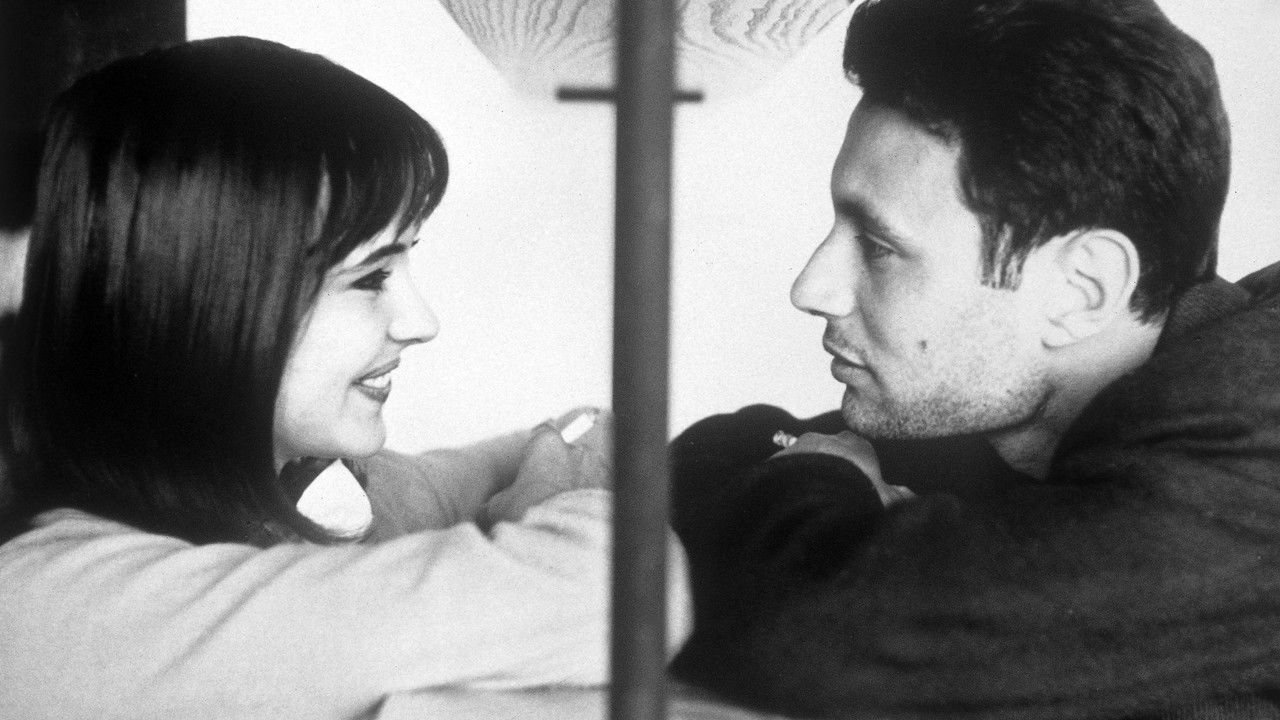
Le Petit Soldat (1963)
Despite his lack of political convictions, photojournalist Bruno Forestier is roped into a paramilitary group waging a shadow war in Geneva against the Algerian independence movement.
Despite his lack of political convictions, photojournalist Bruno Forestier is roped into a paramilitary group waging a shadow war in Geneva against the Algerian independence movement.
 Michel SuborBruno Forestier
 Anna KarinaVeronica Dreyer
 Henri-Jacques HuetJacques
 Paul BeauvaisPaul
 László SzabóLaszlo
 Georges de BeauregardActivist Leader (uncredited)Gilbert Edard(uncredited)
 Jean-Luc GodardMan at Railway Station (uncredited)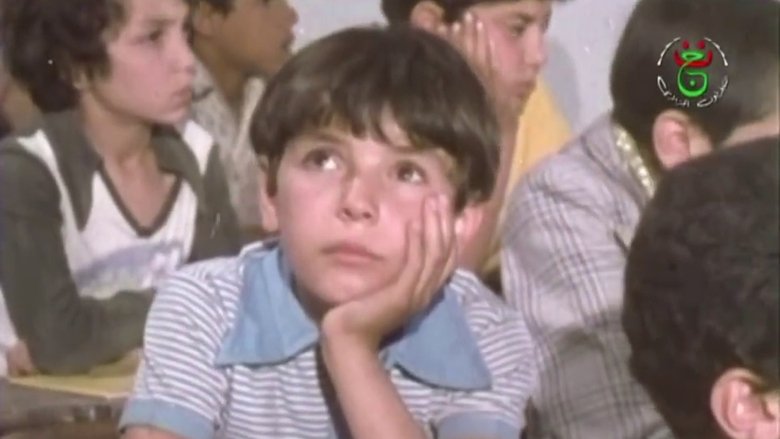
Rabie is a kid from Sétif in 1980, trying to collect money to buy a wheelchair for his paralyzid sister Sassia, so she can get out of the house.
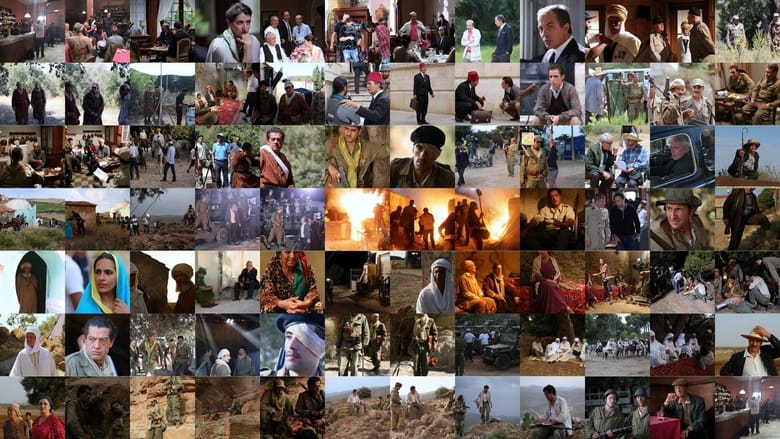
The feature film “The seven ramparts of the citadel”, a fiction recounting the conflict between an Algerian family expropriated from its land and a bloodthirsty settler; by director Ahmed Rachedi. Adapted from the eponymous novel by Mohamed Maarafia, the film, whose plot begins in 1954, tells the story of two characters, Thebti and Lucien, “the fellaga and the colonist”, a story of crossed destinies. “After having engaged in a fight to the death, after having both traveled a long path of embers, (they) finally find themselves face to face and above all each face to themselves”.
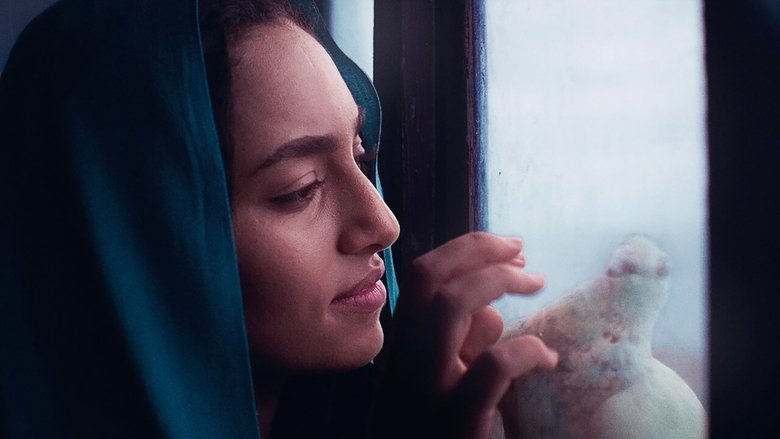
Henia will give anything to mend her broken past and find her mother, from whom she has been separated since the conflict between Morocco and Algeria during the Black Demonstration of 1975. After being given an opportunity to assist an elderly blind man, she accepts the offer and eventually finds herself agreeing to marry him. For Henia, this is a chance to get the necessary papers for her return to Algeria. For the old man, it’s a chance to start over. For his son, it is a disgrace.
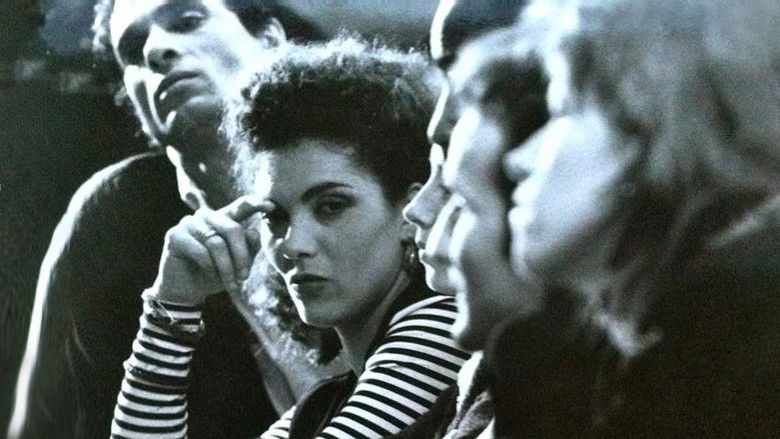
A drama set a little before the 1920s, in which scattered news, stories and rumors spread the presence of a new wealth, oil, leading to the suspicion that a great change was about to take place.
Maamar (Sid Ali Kouiret), a young fisherman working in a small port in western Algeria, is forced to sell his goods at a discount every day to Si Khelifa (Abdelhalim Rais), owner of many trucks and a cannery where the wives work fishermen. He has a strange encounter. As he returns from fishing, bassinet in hand, he witnesses a car accident. Indeed, a car hits a tree with a beautiful girl “Hayat” on board who has lost consciousness. Maamar pulls her out of the car and saves her. It is at this precise moment that he realizes the existence of another world. As if awakened from a long sleep, he realizes that this exploitation can no longer continue. He leaves his village and his wife Laâlia (Fatima Belhadj) on a whim for three years. He finds himself in the capital which he leaves to return to his village and carry out a saving action...
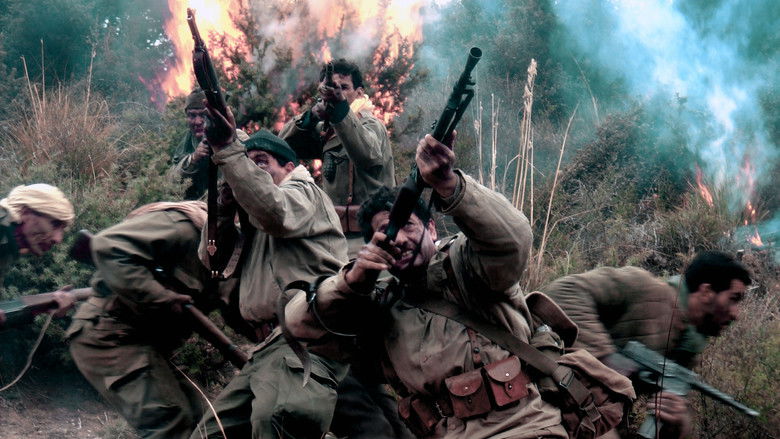
The film revolves around the life of the martyr Mustapha Ben Bouleid (1917-1956), who was a member of the Algerian National Movement, who worked with his comrades to explain the idea of the armed revolution in which he led in Aures region in 1954. The film depicts how Ben Bouleid traveled to a number of Arab countries Disguised to bring arms to Algeria for the revolution and how the French colonial forces arrested him in the Tunisian-Libyan border, and from there to Algeria to be sentenced to death.
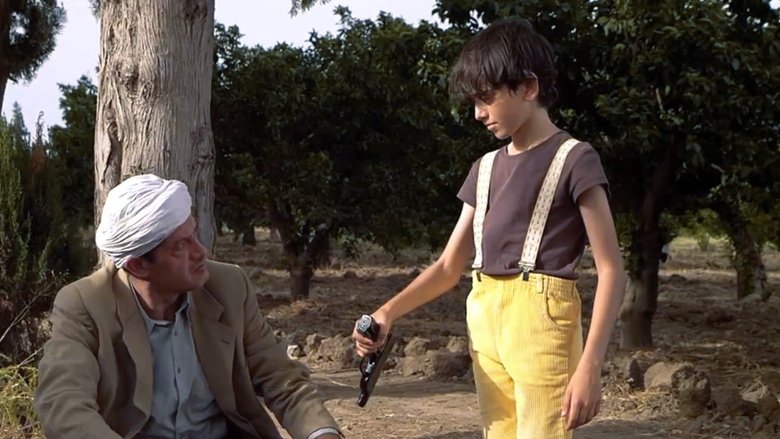
In 1960, nine-year-old Bachir dreamed of becoming the son of a martyr because he had heard that the children of martyrs would obtain everything after independence. He sets up a whole plan to get rid of a certain François, enemy of his country, while his father, Saddek, abandoned him with his mother and brothers. Through this fiction, the film looks at the life and visions of little Algerians during the War of National Liberation. Karim Traïdia looks back on his own childhood during the Algerian war (1945-1962). On a humorous note, it tells the adventures of a young child and his innocent friends against the backdrop of a raging merciless war.
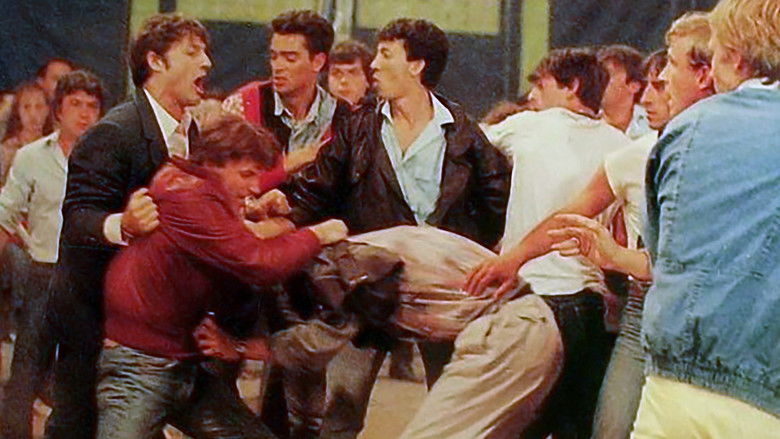
Hell Train is a French film based on a true story. One evening at a ball in a small town, a fight breaks out in an atmosphere tinged with racism. Three of the ringleaders end up at the police station. The next day, November 14, 1983, on the Bordeaux-Ventimiglia train, the three men who were candidates for enlistment in the Foreign Legion beat Habib Grimzi, a 26-year-old Algerian, before throwing him out of a window. A young woman, who witnessed the murder, alerted the police. The investigation begins in a climate of extreme tension. In the city, provocations and attacks are increasing...
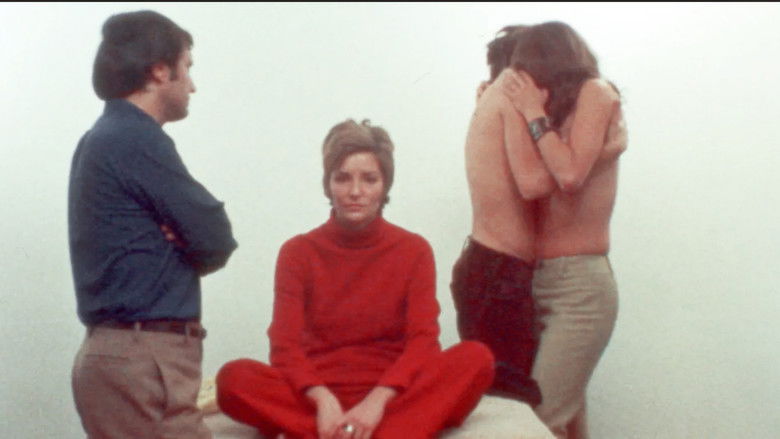
While waiting to get started on the production of his feature Liberxina 90 (1970), Carlos Duran shot this short (with very expressive support by several Escuela de Barcelona professors): a grimly colourful satire on modern society as such, and on its fascist Spanish variety in particular. "The intrusion into the private life of a human being, of the distinct tendencies that exist in the society we live in, until they fall into chaos." Carlos Durán
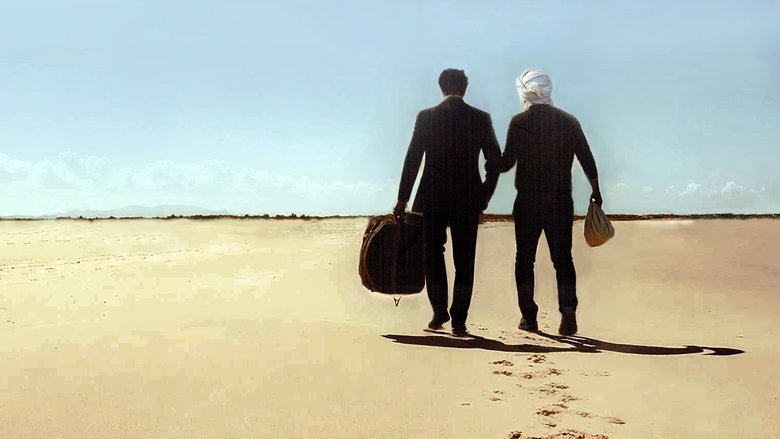
In the early 1970s, Lakhdar, an Algerian peasant, is forced to leave his desert land and his family for France, but immigration weighs on him and he dreams of returning. This day arrives, he walks in Paris, events decide otherwise.
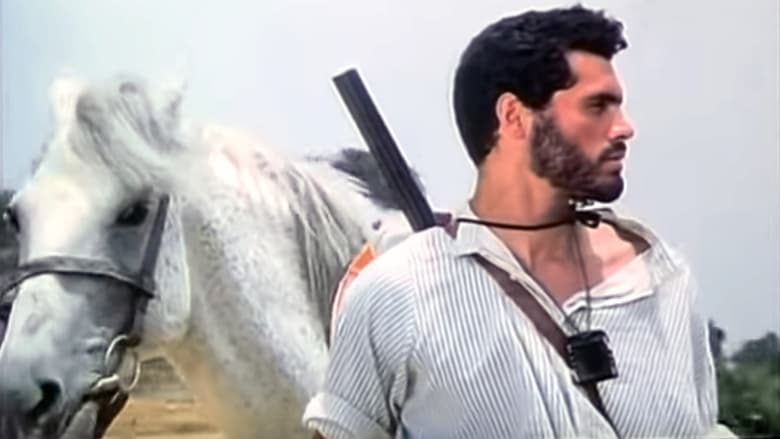
In 1955, what was known as the "Algerian War" gradually escalated into all-out war, and the French army inexorably transformed into a soldiery accustomed to colonial humiliation and massacres. Amar is a young deaf and mute man who wants to join the resistance, but he is rejected because of his disability, despite all the training he received from his father, who was an expert in hunting and horses. The raid on his village, which he watches helplessly, drives him to seek revenge, he who had until then been locked away in "The Gates of Silence."
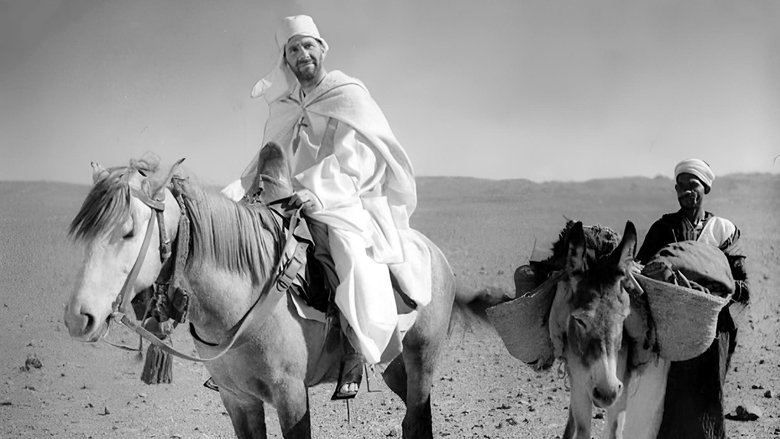
The story of Charles de Foucauld, born September 15, 1858 in Strasbourg (France) and died December 1, 1916 in Tamanrasset in Algeria during the French colonial period, was a cavalry officer of the French army who became an explorer and geographer, then Catholic religious, priest, linguist and hermit in the Hoggar desert in Algeria.
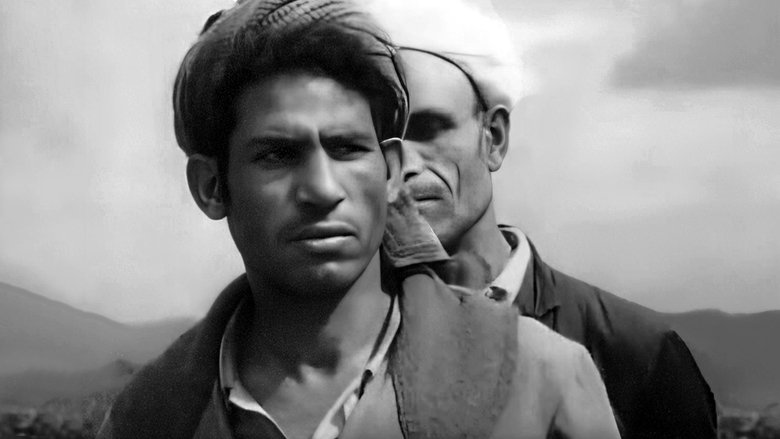
The film traces the story of a patrol of the Algerian National Liberation Army (ALN), whose mission is to transport a prisoner French soldier to the Tunisian border. Through the march of this group of guerrillas we witness the spirit of sacrifice and combativeness of these men from the people. The patrol will be decimated, but a young peasant will take over and complete the mission.
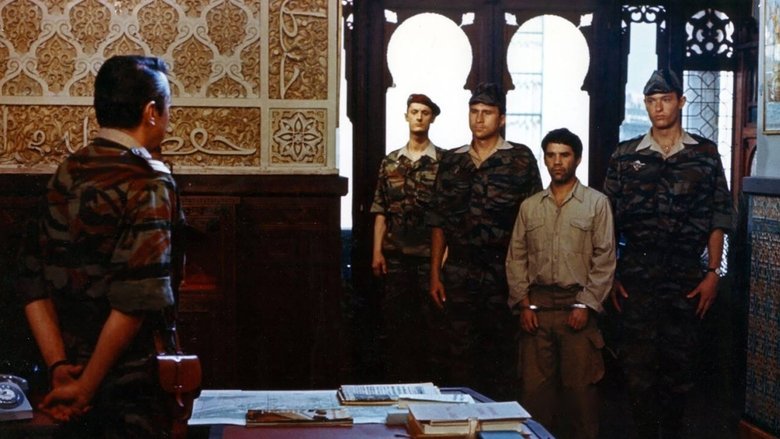
In Algiers, during the Algerian War of Independence, one of the leaders of the FLN was arrested by the French colonial army, which used the most violent methods to make the prisoners speak. The use of torture poses a conscience problem for a French officer. Playing shot-reverse-shot, between the tortured and his torturer, in a suffocating camera, Mohammed Lakhdar-Hamina approaches torture by drawing inspiration from the story of his father, who died of abuse.
The film mixes fiction, filmed documents and interviews which recounts the arrival in Paris of an Algerian immigrant lost in the metro. On December 27, 1968, France and Algeria signed an agreement which admitted each year 35,000 Algerian workers to French territory in the France of the Trente Glorieuses where the annual growth rate reached 5% and where factories lacked workers. Candidates obtain a residence permit valid for 5 years for themselves and their families. Paris is committed to improving professional training and housing conditions for immigrants, too often confined to the most thankless jobs and often housed in slums. A testimony on the living conditions of emigrant workers "economic cannon fodder" of neocolonialism which simultaneously develops its alter ego, institutionalized racism, as a tool of social stagnation and division of the proletarian class.
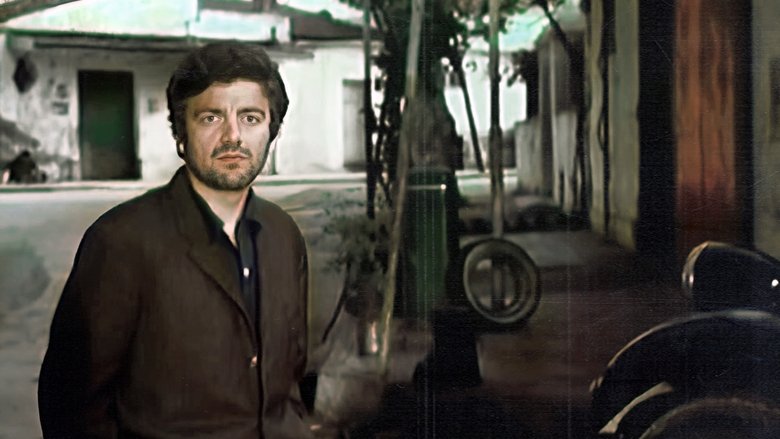
A revolutionary militant is killed during the repression of May 1945. His son, who is unaware of the real circumstances of the murder, ends up being attached to the ideal for which his father died.
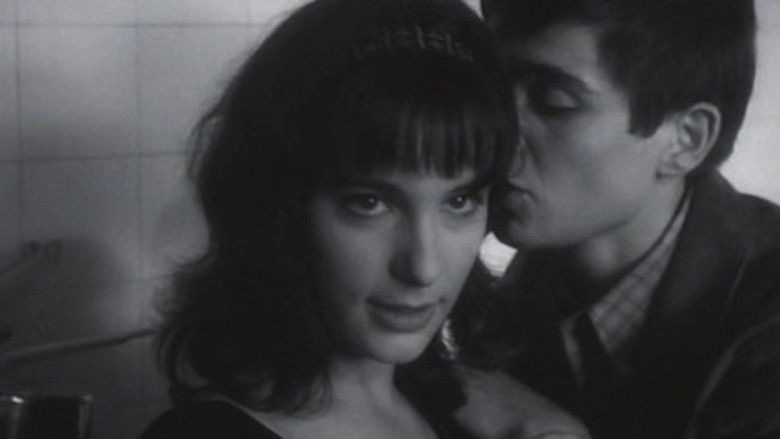
In Paris in the early 1960s, Ronald is a son of a good family, with a carefree, pleasure-oriented life. He is one of the leading figures in the small world of Saint-Germain-des-Prés. Following a trivial parking incident, he meets Arthur, a young man with a straight face who hurts his pride. It is at this moment that Ambroisine, a beautiful young woman, appears... she will be the instrument of Ronald's revenge.
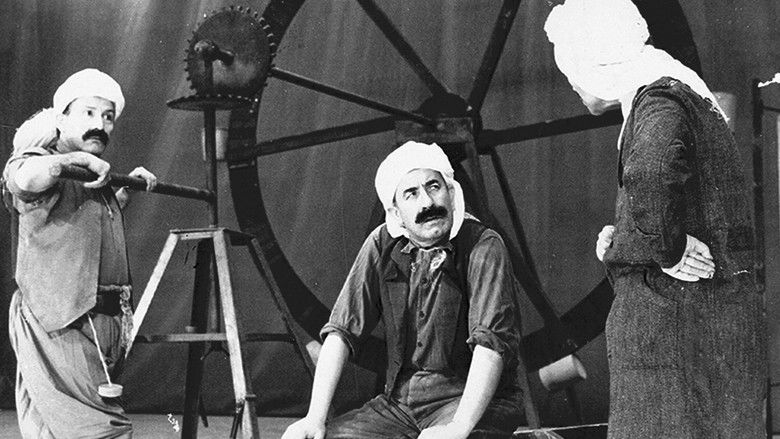
An adaptation of the satirical play of the same name by comedian Rouïched (Ahmed Ayad). "El-Ghoula" (The Vampire) tells the story of a corrupt official who lives off the peasants of an agricultural cooperative. Instead of solving problems, this official manipulates empty rhetoric and "revolutionary" slogans to galvanize them and encourage them to continue working. Opportunistic, he will transform the fellahs' work into chaotic bureaucratic procedures for his own personal gain.
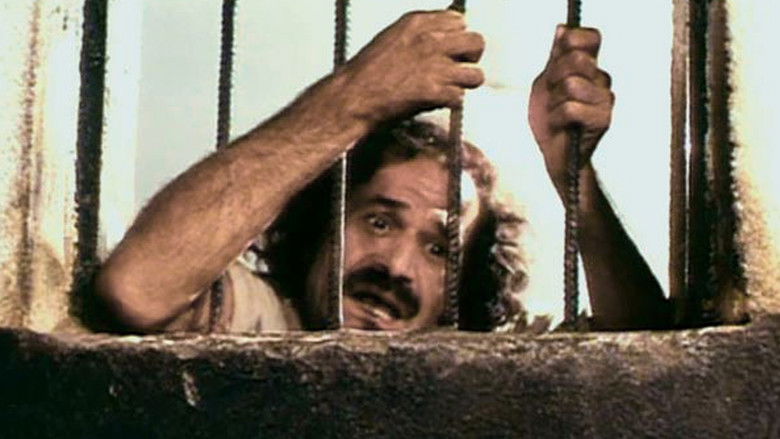
In Algeria, Youcef escapes from a psychiatric asylum located at the edge of the desert. He was a fighter and, years later, he still believes himself to be a prisoner of the French army. He rejoins what he thinks is his resistance group. He finds the bones of his comrades, buries them, and promises himself that he will visit their families, one after the other, to honor their memory. He goes underground and makes quick forays into the villages. He is struck by what he sees there. Young people queuing for bread, former FLN leaders living in the villas of the colonists, and farm workers mistreated by their Algerian foremen. As for the women, although they played a decisive role in the liberation of the country, they are now cloistered or forced to go out in public wearing masks. When he is discovered by the authorities, Youcef cannot believe that thirty years have passed. This nuisance must be eliminated...
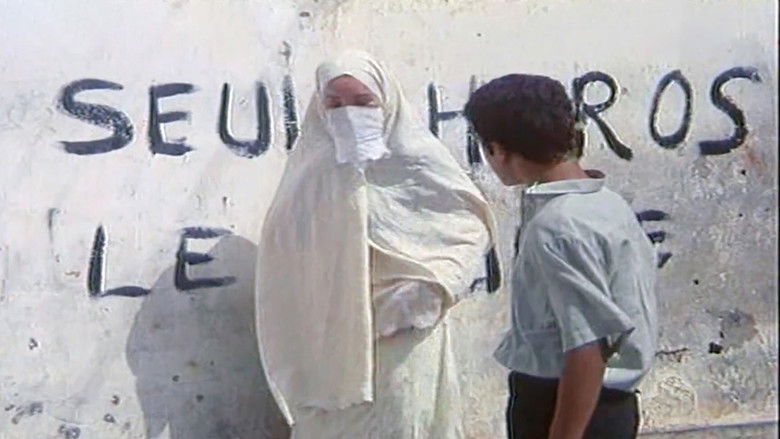
A young Arab boy, a teenager "Yaouled", who lives on the streets and scrapes by doing odd jobs: shoe shining, street vending, etc. The film tells the story of a group of yaouleds from the Bab-el-Oued neighborhood, caught in the crossfire between the French settlers on one side and the Algerians on the other during the events of July 1962 in Algeria.