
Shake Up Brazil (2017)
One port, the discovery and two bodies in motion.
One port, the discovery and two bodies in motion.
GregoryGregoryStyloStylo
A documentary film that highlights two street derived dance styles, Clowning and Krumping, that came out of the low income neighborhoods of L.A.. Director David LaChapelle interviews each dance crew about how their unique dances evolved. A new and positive activity away from the drugs, guns, and gangs that ruled their neighborhood. A raw film about a growing sub-culture movements in America.
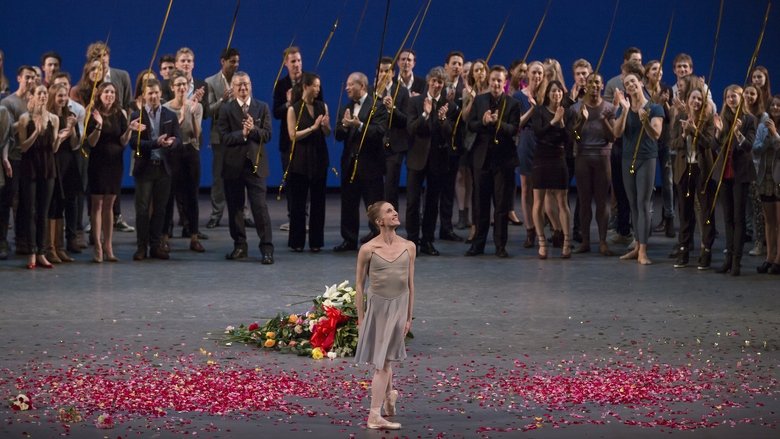
Documentary on the great American Ballerina Wendy Whelan

A whimsical blend of live action and animation, "Saludos Amigos" is a colorful kaleidoscope of art, adventure and music set to a toe-tapping samba beat. From high Andes peaks and Argentina's pampas to the sights and sounds of Rio de Janeiro, your international traveling companions are none other than those famous funny friends, Donald Duck and Goofy. They keep things lively as Donald encounters a stubborn llama and "El Gaucho" Goofy tries on the cowboy way of life....South American-style.
In 1968, Orlando Lovecchio was made victim of a guerilla's bomb terrorist attack, which main objective was to fight against the Military Regime. Orlando lost one leg after the world-reckoned attack against the U.S. Consulate in Sao Paulo.
Amid the civil-military dictatorship implanted with the 1964 coup, Sergio Muniz had the idea of making a documentary about the action of the Death Squad. At the time, the press still had some freedom to disseminate the work of these death squads formed by police officers of various ranks, and that he acted on the outskirts of cities like Sao Paulo and Rio de Janeiro. The victims of police repression (as today) were men, poor and black, and this condition is supposed criminals.
Portrait of Lester Horton, a Los Angeles-based dancer, choreographer and teacher who trained many world-reknowned dancers and built the first American theater devoted permanently to dance. Former students and friends, including Bella Lewitzky, Alvin Ailey, and Carmen de Lavallade, help create a picture of Horton through interviews. Includes numerous dance excerpts.
A short documentary following Paulette Harwood, a 90-year-old former Radio City Music Hall Corps de Ballet soloist, as she teaches the final classes in a school she's run for sixty years.
A documentary following the conscious evolution of electronic music culture and the spiritual movement that has awakened within.
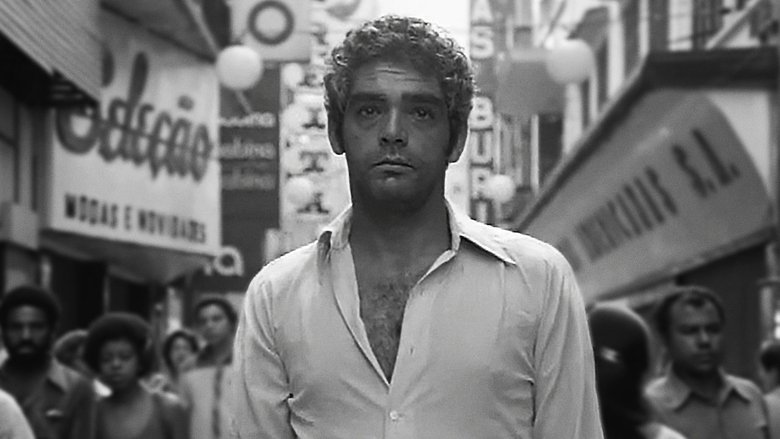
Filled with raunchy laughs, this documentary compiles outrageous scenes from sex-comedies that shaped Brazil's "pornochanchada" boom of the 1970s.
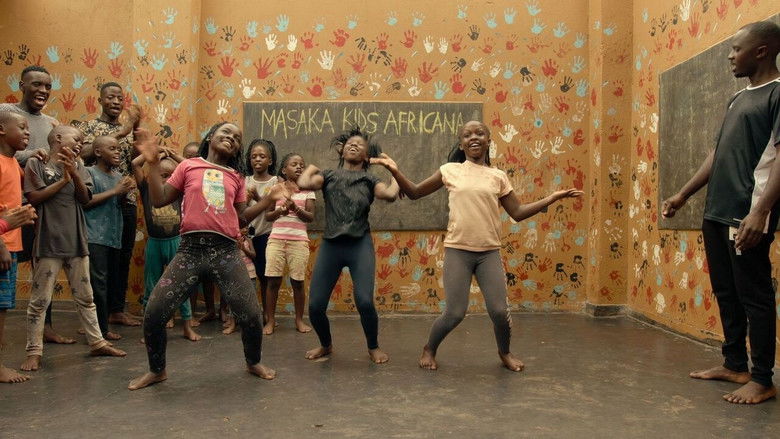
The story behind the Uganda-based YouTube dance sensations who have endured devastating personal loss from famine and war, and use the power of dance and song to overcome hardship.
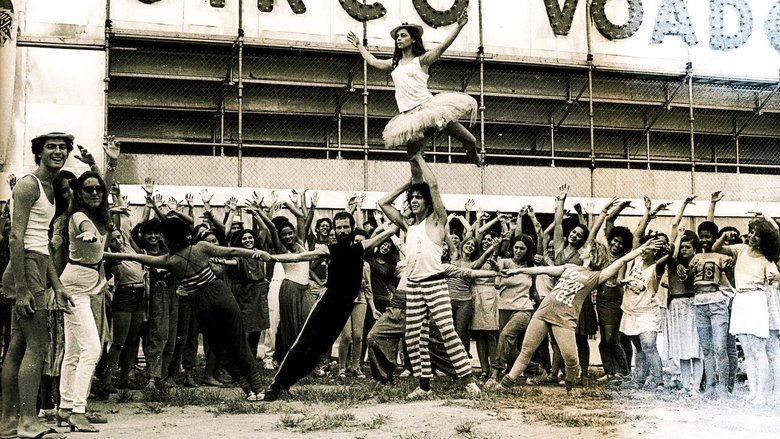
This documentary highlights the evolution of Brazil's Circo Voador venue from homespun artists' performance space to national cultural institution.
In Jacob Sutton’s film “Ascension”, two young dancers soar up from the darkness beneath the stage at Bastille to the sumptuous Grand Foyer and eventually to the rooftop of the Palais Garnier, where they experience moments of heavenly, dreamlike luminosity.
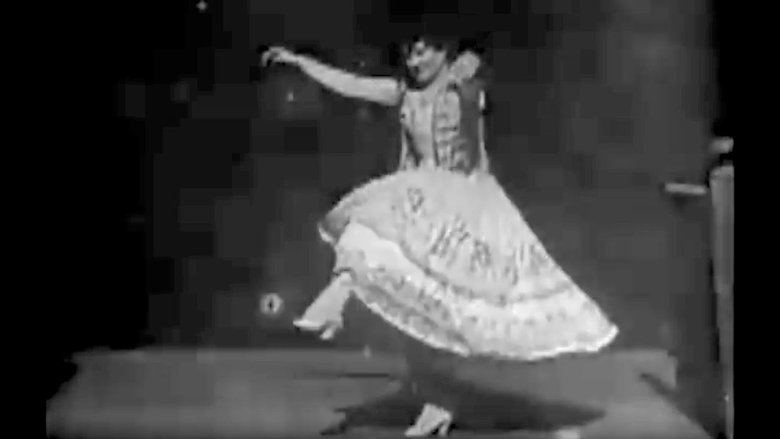
The first woman to appear in front of an Edison motion picture camera and possibly the first woman to appear in a motion picture within the United States. In the film, Carmencita is recorded going through a routine she had been performing at Koster & Bial's in New York since February 1890.
Three sisters dance the Mikado in this very early film from the Edison company.
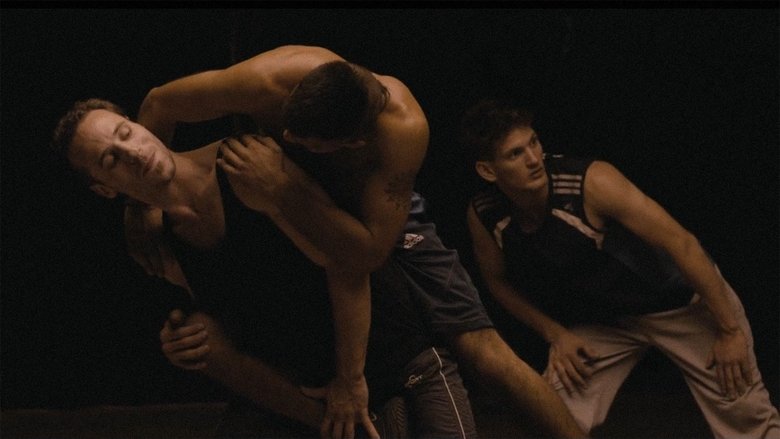
Santiago Mitre co-directs his first movement following The Student together with choreographer Onofri Barbato. Although it would have been more accurate to say “his first film-story-adventure-movie-great movie following The Student”, the word movement fits perfectly in Los posibles, the most overwhelmingly kinetic work Argentine cinema has delivered in many, many years. The film deals with the adaptation of a dance show directed by Onofri together with a group of teenagers who came to Casa La Salle, a center of social integration located in González Catán, trying to find some refuge from hardship. Already entitled Los posibles, the piece opened in the La Plata Tacec and was later staged in the AB Hall of the San Martín Cultural Center. Now, it dazzles audiences out of a film screen, with extraordinary muscles and a huge heart: Los posibles is a rhapsody of roughen bodies and torn emotions. Precise and exciting, it’s our own delayed, necessary, and incandescent West Side Story.
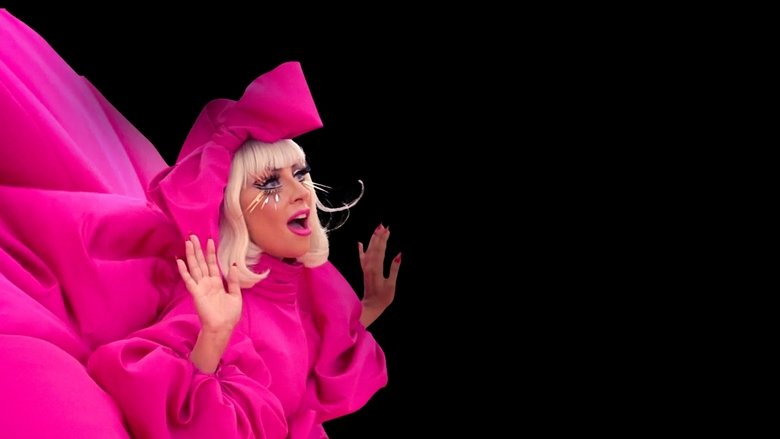
It's hard to define her. And that's precisely the way Lady Gaga wants it. Yes, Stefani Joanne Angelina Germanotta had a plan to remake herself into an outrageous icon. It began with Italian Catholic New York City roots then expanded to glam pop, electronic rock, burlesque and even jazz alongside nonagenarian crooner, Tony Bennett. Piano lessons began at age four and taught Stefani to create music by ear. There were lead roles in high school standard Broadway show productions then open mic nights at downtown clubs and 1 1/2 years of formal training at N.Y.U.'s Tisch School of the Arts. Even a rape at age nineteen slowed but did not stop the mission that would yield over 200 million combined album and song sales. No wonder that Gaga's fans call her "Monster Mother." An outrageous fashion sense has wrought costumes made of plastic bubbles and raw meat. While elaborate videos and spectacular stage sets are the norm,
Pina Bausch created and performed Café Müller for her dance company Tanztheater Wuppertal. The dance was inspired by and based on her childhood memories of watching her father work at his café in Germany during and immediately following World War II. In this silent style featurette, Bausch shows a restaurant after closing, in which the ghosts of the departed customers stumble blindly into walls and onto chairs but fail to find one another.
For two hundred years, the Shakers have been America's most successful utopian society. While seeking harmony, order and perfection in every aspect of their lives, they built minimalistic furniture and buildings that influenced modern design. The Shakers wrote songs of exquisite beauty and danced to the point of ecstasy during their religious meetings. Inspired by this music and dance, choreographer Tero Saarinen created Borrowed Light, a dance piece about communal life and individual sacrifice. Shot in Finland and the United States, featuring interviews and excerpts from Borrowed Light, this documentary explore the cultural legacy of this religious group devoted to creating heaven on earth.

Where are you, João Gilberto? sets out in the footsteps of German writer Marc Fischer who obsessively searched for the legendary founding father of Bossa Nova and last great musical legend of our time, Brazilian musician João Gilberto, who has not been seen in public for decades. Fischer described his journey in a book, Hobalala, but committed suicide one week before it was published. By taking up Marc Fischer's quest, following his steps one by one, thanks to all the clues he left us, we pursue João Gilberto to understand the history, the very soul and essence of Bossa Nova. But who can tell whether we will meet him or not?

Brazilian singer Maria Bethania has a 40-year singing career. A documentary shows her concerts and famous family.