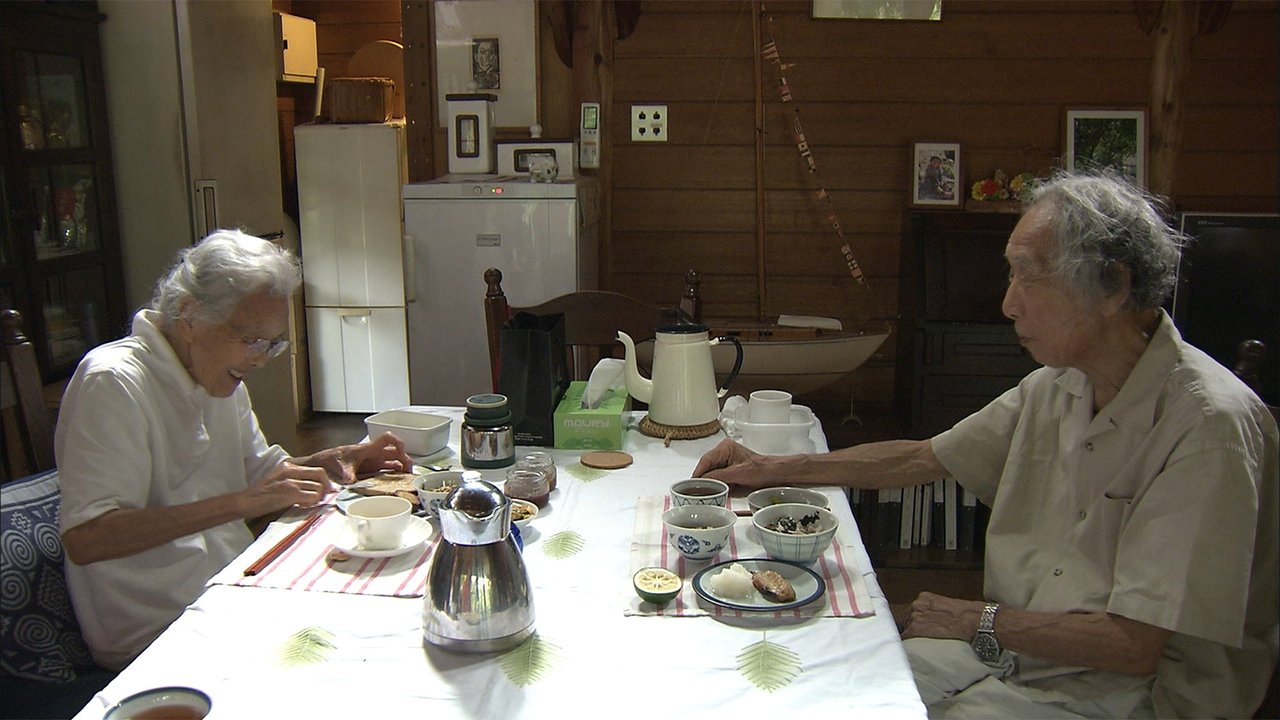
Life is Fruity (2017)
90-year-old architect Shuichi Tsubata and his 87-year-old wife Hideko live in Aichi Prefecture. Their garden is bursting with 70 types of vegetables and 50 types of fruits, and they live in harmony with nature.
90-year-old architect Shuichi Tsubata and his 87-year-old wife Hideko live in Aichi Prefecture. Their garden is bursting with 70 types of vegetables and 50 types of fruits, and they live in harmony with nature.
 Kirin KikiNarrator
 Shuichi TsubataHimselfHideko TsubataHerself
Sir David Attenborough narrates a documentary about the Kea, the world's only alpine parrot. Playful and destructive, it attacks cars, starts landslides and terrorises New Zealand ski resorts but behind the bad behaviour there's a sharp mind at work. David tries to play chess with a kea and discovers how its cheeky character is the key to its survival.
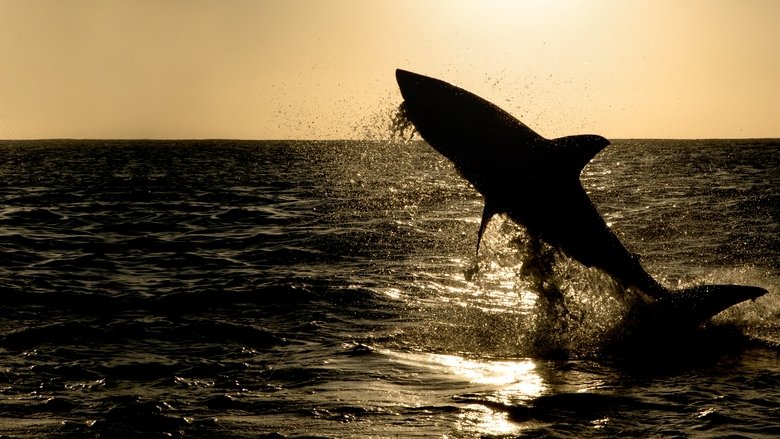
It’s an ocean of giants. South Africa has a dramatic, rocky coast that’s raked by churning currents. Warm, cold, rich and murky water collide to create "shark central", with enough food to sustain the biggest. Giant sharks like great whites, tiger sharks, bull sharks, ragged tooth sharks, and whale sharks all reign supreme in these waters.
Record high oil prices, global warming, and an insatiable demand for energy: these issues define our generation. The film exposes shocking connections between the auto industry, the oil industry, and the government, while exploring alternative energies such as solar, wind, electricity, and non-food-based biofuels.
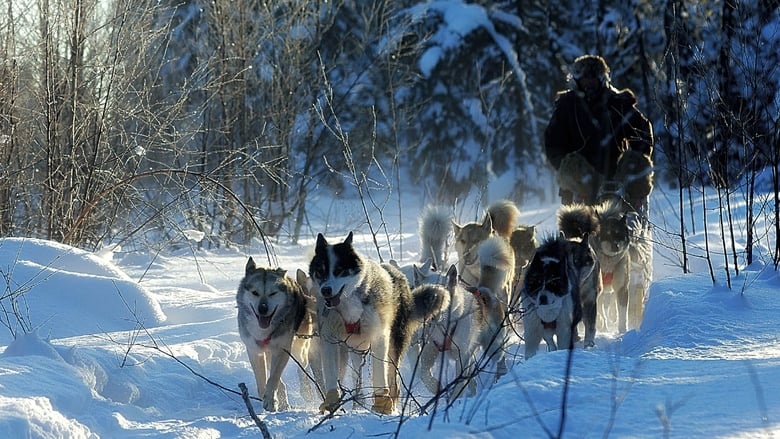
Norman is not just an admirer of nature, he's a part of it. He survives the harshness of the climate and the wildlife by coexisting with it. With his wife Nebraska, they live almost entirely off the land, making money by selling their furs.
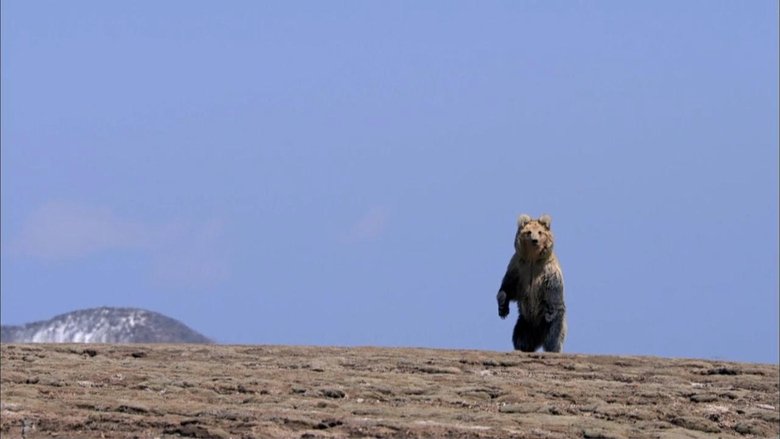
The highest mountain range in the world, the Himalayan range is far reaching, spanning thousands of miles, and holds within it an exceptionally diverse ecology. Coniferous and subtropical forests, wetlands, and montane grasslands are as much a part of this world as the inhospitable, frozen mountaintops that tower above. The word Himalaya is Sanskrit for abode of snow, fitting for a stretch of land that houses the world’s largest non polar ice masses. Extensive glacial networks feed Asia's major rivers including the Ganges, Indus, and Brahmaputra. More than a billion people rely on these glacier-fed water sources for drinking water and agriculture. The Himalayas are not only a remarkable expanse of natural beauty. They're also crucial for our survival.
Toypunks is a documentary film series covering the converging world of Japanese toys, fashion and punk rock. Exploring the birth of the designer vinyl explosion from its roots in character culture and punk music, Toypunks takes you in-depth with Japanese fashion icon, Hikaru Iwanaga, creator of the worlds first designer toy. Frank Kozik, Hiddy Kinoshita of Secret Base, Balzac, Three Tides Tattoo and more are interviewed highlighting profound cross-cultural connections between todays top creative talents in toys and fashion.

Carefully picked scenes of nature and civilization are viewed at high speed using time-lapse cinematography in an effort to demonstrate the history of various regions.

Explore the extraordinary hidden world of insects, where a leaf weighs more than a car, rain drops feel like exploding hand grenades and a blade of grass soars like a skyscraper. Shot on location in the Borneo rainforest, Bugs! brings the beautiful and dangerous universe of its tiny stars up close and personal with cutting-edge technology that magnifies them up to 250,000 times their normal size.
This is the story of sound. Everything in the universe produces a unique acoustic signature called a soundscape. From Arctic ice sheets, to viruses, from planets to human beings. Sound is part of our culture, our heritage and an often overlooked part of all ecosystems on Earth. It is the music of the living world, but as we lose natural habitats all across the globe, we also lose its soundscapes. This film centers around the life work of Bernie Krause, a legend in the world of acoustics and soundscape ecology. To date, Bernie has recorded over 1200 individual habitats among his collection of over 50,000 individual recordings (his collection is now the largest collection of wilderness sounds in the world that spans decades of time).
A look at the life on the Galápagos Islands.
An examination of whales.
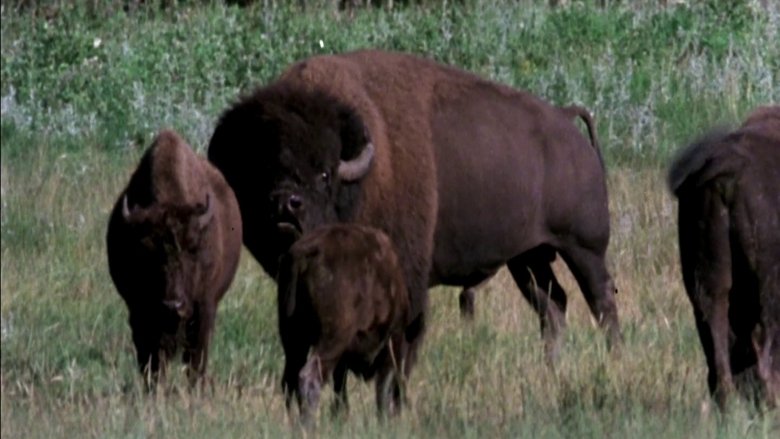
By the late 1800s the free-ranging buffalo of the western plains of North America were almost extinct. This documentary is the story of the buffalo's revival. Live action, eye-witness accounts and archival photos document our fascination with this ancient and legendary animal.
A look into the lives of eagles.
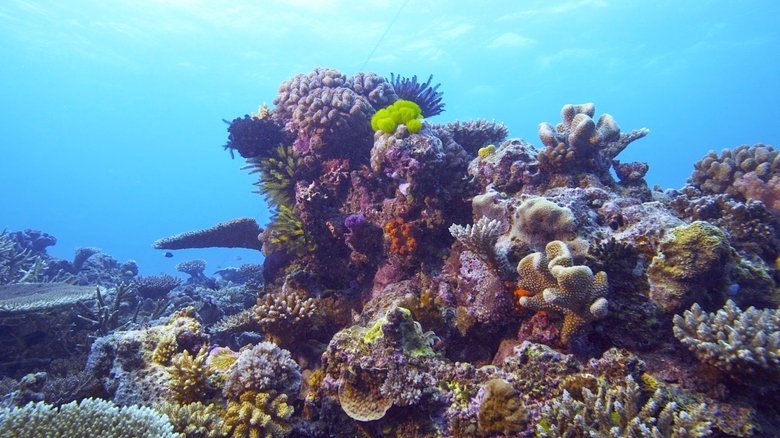
Heat waves are massively decimating coral. But some of them are resisting. To avoid an ecological disaster, researchers want to encourage the emergence of these survivors. A captivating scientific odyssey.
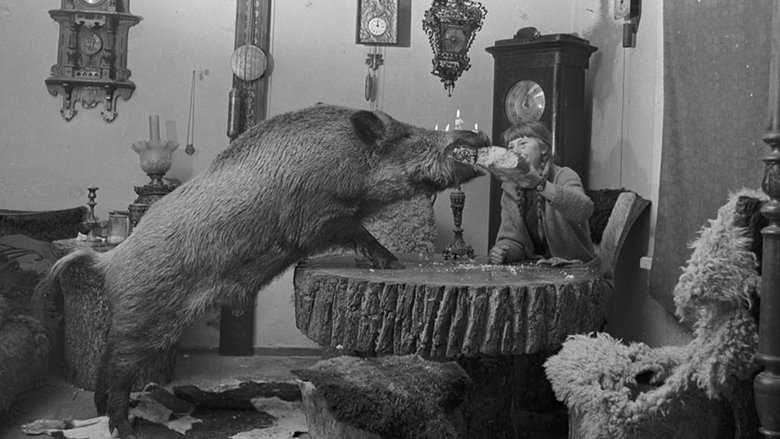
Ida, the grandniece of Simona Kossak, travels to the Bialowieza Forest at the Polish-Belarussian border. Sorting through the photos left by Lech Wilczek, Ida uncovers the life he had with Simona, captured in the photographs, footage and memories. A moving and powerful documentary about the life of Simona Kossak, a biologist, ecologist and activist known for her efforts to preserve the remnants of natural ecosystems in Poland and for living among the animals in the Białowieża Forest for over 30 years.
By land, by air, and by sea, viewers can now experience the struggle that millions of creatures endure in the name of migration as wildlife photographers show just how deeply survival instincts have become ingrained into to the animals of planet Earth. From the monarch butterflies that swarm the highlands of Mexico to the birds who navigate by the stars and the millions of red crabs who make the perilous land journey across Christmas Island, this release offers a look at animal instinct in it's purest form.
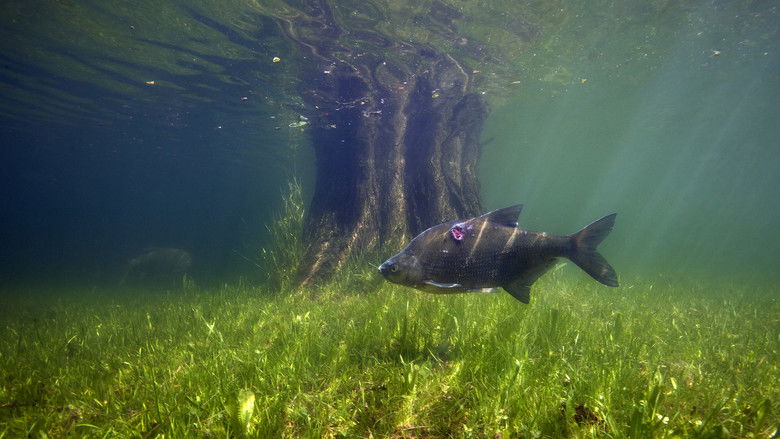
A journey into the hidden world of the Netherlands, beneath the water's surface, where extraordinary creatures inhabit a wondrous habitat. Thirty years ago, filming there would have been unthinkable: the polluted, murky waters were devoid of life. Now, the many efforts to protect the environment are paying off...
In September 1954, David Attenborough, cameraman Charles Lagus, Jack Lester and Alf Woods, both from the Zoological Society of London, set out for Sierra Leone. They spent three months intently surveying the landscapes of Sierra Leone in search of nature’s rarest animals. Although predominantly searching for Picathartes gymnocephalus (the White-necked Rockfowl) they hoped to take back to London a representative collection of the whole of animal life in this part of Africa.
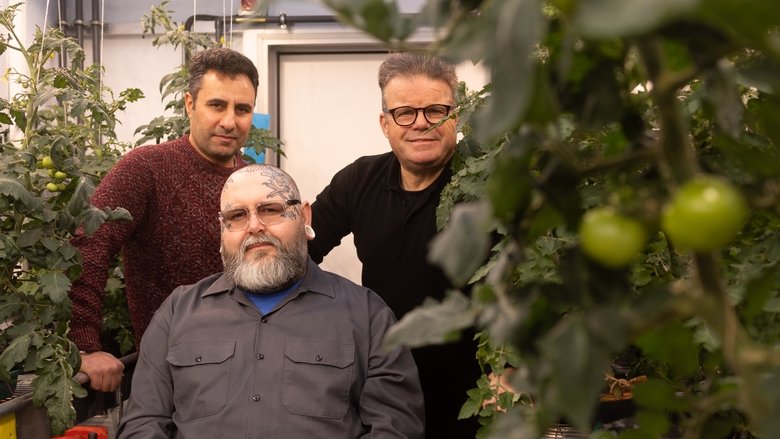
It is a daring idea: to grow food from old mattresses in a desolate camp at the edge of a war zone. When a refugee scientist meets two quirky professors, they must confront their own catastrophes - and make a garden grow. Short film now streaming on Waterbear.com.