
On Such a Night (1956)
An American tourist on a day trip to Sussex from London inadvertently finds himself at Glyndebourne Opera House in Sussex where he learns to appreciate Opera.
An American tourist on a day trip to Sussex from London inadvertently finds himself at Glyndebourne Opera House in Sussex where he learns to appreciate Opera.
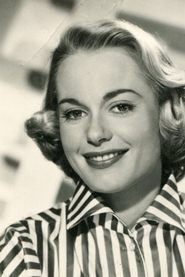 Josephine GriffinVirginia
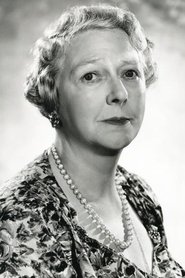 Marie LohrLady Falconbridge
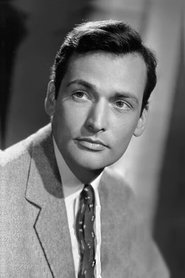 David KnightCornell
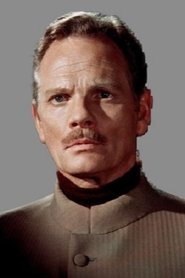 Allan CuthbertsonFirst Gentleman
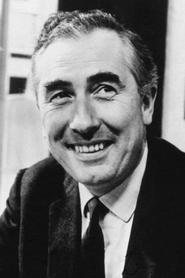 Peter JonesSecond Gentleman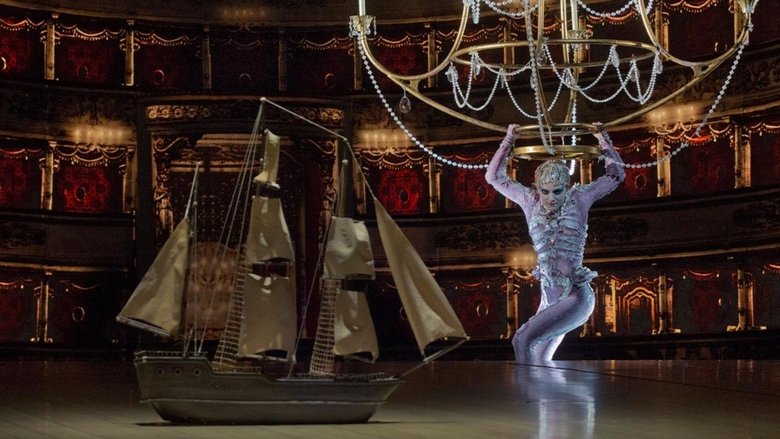
Composer Thomas Adès conducts the Met premiere of his powerful opera based on Shakespeare’s last play, in Robert Lepage’s brilliantly inventive production. Simon Keenlyside is the magician Prospero, who conjures the storm that shipwrecks his enemies and sets in motion the course of events. Rising Met stars Isabel Leonard and Alek Shrader are the young lovers, Miranda and Ferdinand, Alan Oke sings the sinister Caliban, and Audrey Luna gives a memorable performance as the sprite Ariel.
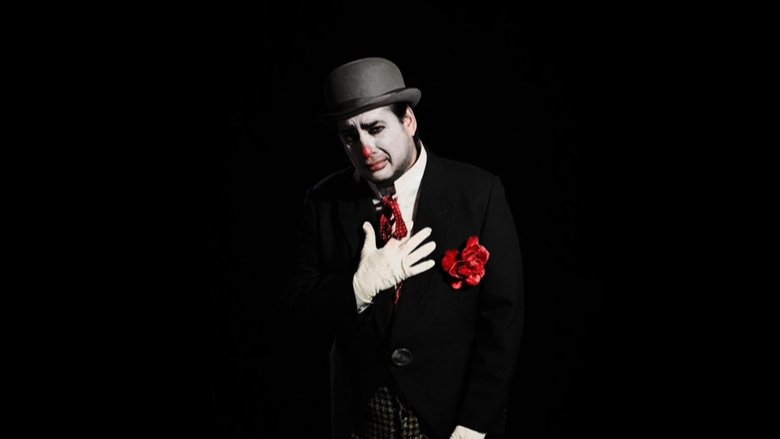
Director David McVicar’s new production brings opera’s favorite double bill to new life, setting the two operas in the same Sicilian setting, separated by two generations. Marcelo Álvarez takes on the rare feat of singing both leading tenor roles. In Cavalleria, he is Turiddu, the young man who abandons Santuzza (Eva-Maria Westbroek) in his pursuit of the married Lola (Ginger Costa-Jackson)—and ends up being killed in a duel with her husband, Alfio (George Gagnidze). In Pagliacci, Álvarez is Canio, the leader of a traveling vaudeville troupe. Patricia Racette sings Nedda, his unfaithful young wife, whose plans to run away with her lover are foiled by her spurned admirer Tonio (George Gagnidze)—with equally tragic consequences. Met Principal Conductor Fabio Luisi is on the podium.
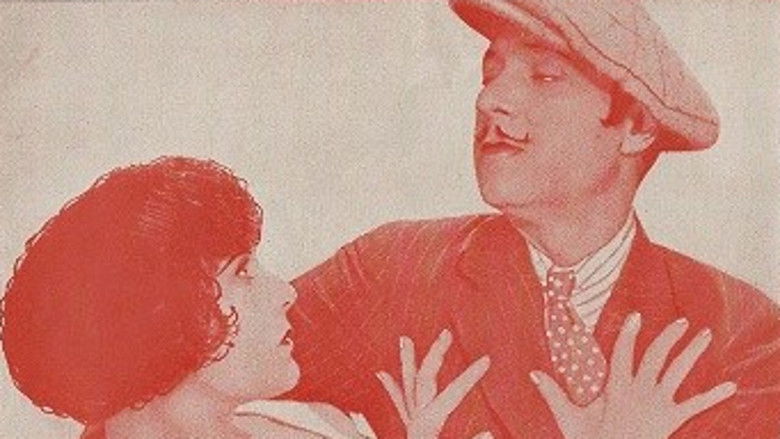
Set in Paris, the story concentrates on the romantic triangle involving cabaret singer Liane, bon vivant Tony and petty crook Jean.
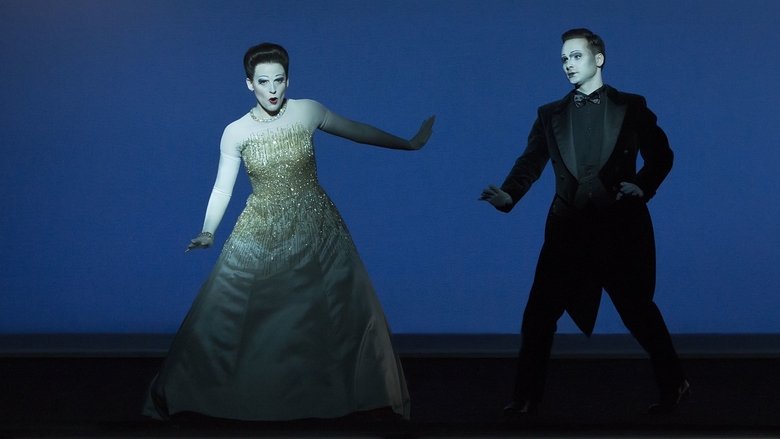
Giuseppe Verdi based his famous opera on the novel “The Lady of the Camellias” by Alexandre Dumas. Robert Wilson’s production of Violetta Valéry’s tragic fate is his first work at the State Theater of Linz, Austria, one of the most modern operatic stages in Europe by architect Terry Pawson. After the run in Linz, the production was transferred to the Opera House in Perm, Russia, where the production was conducted by Teodor Currentzis. In 2017, the work received a “Golden Mask”, the most prestigious Russian theater award, in three categories (Teodor Currentzis, Best Conductor; Nadezhda Pavlova, Best Female Singer; Robert Wilson, Best Lighting Design).
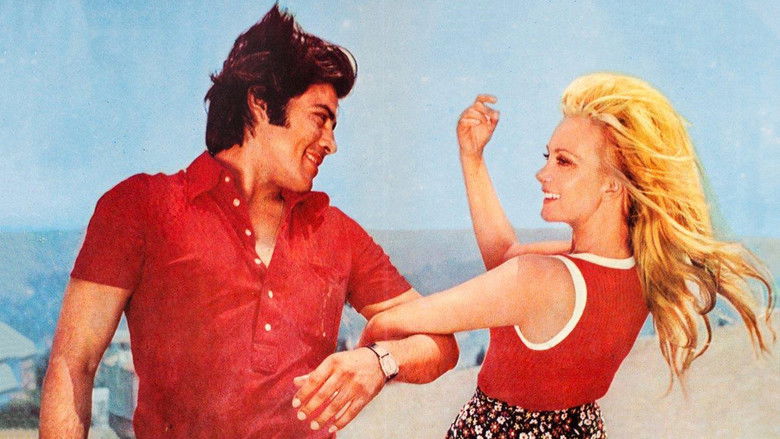
The film is about the life story of Fatma, a poor girl who lost her family in an accident, when she comes to Istanbul. Fatma comes to Istanbul from Tehran after the death of her family. His goal is to find his uncle here and inherit his father's inheritance from him. Although Fatma finds her uncle, she cannot inherit her father and is forced to work as a maid in this house. His uncle's son Ali and Fatma fall in love with each other and decide to get married. Ali's family sends him to their factory in Iran to prevent this marriage. He also kicks Fatma out of the house.
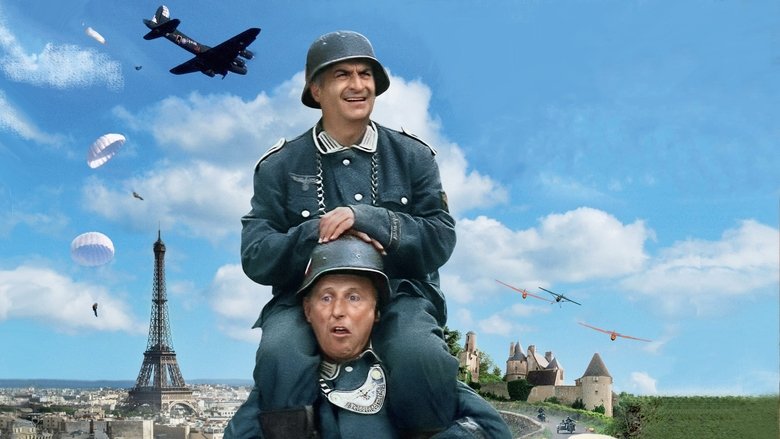
During World War II, two French civilians and a downed British Bomber Crew set out from Paris to cross the demarcation line between Nazi-occupied Northern France and the South. From there they will be able to escape to England. First, they must avoid German troops – and the consequences of their own blunders.
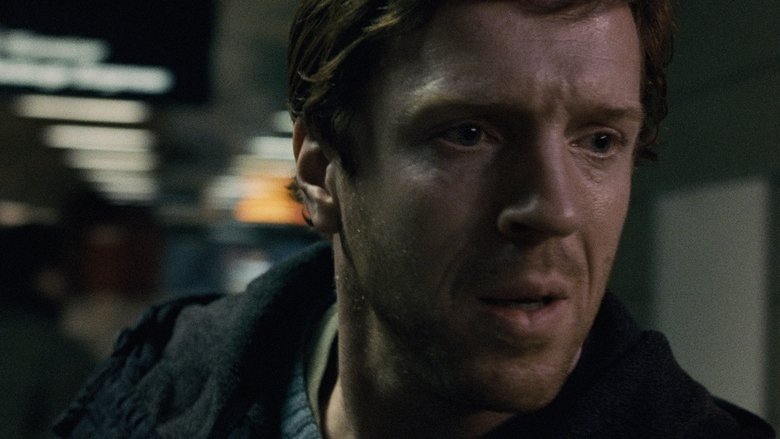
William Keane is barely able to cope. It has been six months since his six-year-old daughter was abducted from New York City’s Port Authority Bus Terminal while traveling with him. Repeatedly drawn to the site of the abduction, Keane wanders the bus station, compulsively replaying the events of that fateful day, as if hoping to change the outcome.
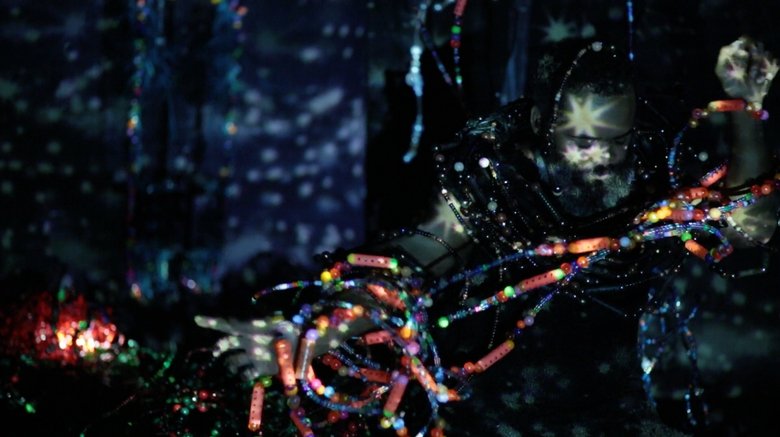
A collectively made filmic opera in 35 parts. The Black and predominantly queer art collective, an evolving line up of poets and artists from across the world, abstracts and reimagines opera in any traditional conception. Set to hip-hop, blues, noise, R&B and electronica, the piece uses the voice (chanting, singing, screaming; written by poet and activist Dawn Lundy Martin) as its primary tool, verbalising centuries of alienation, vulnerability and protest in the global African diaspora through its disruptive libretto.
The news that frames the two days in which the whole story takes place is bad. At first glance, these don't seem like the happiest two days. And yet, they are filled with comedy that is so entertaining and full of twists and turns. What's more, it's a comedy that finds strength in the hope that there is kindness and a deep desire for understanding and openness hidden in each of us. It's a story of our times (as the radio news reports quoted suggest), and yet it transcends our times; after all, it's not every day that the pope is kidnapped.
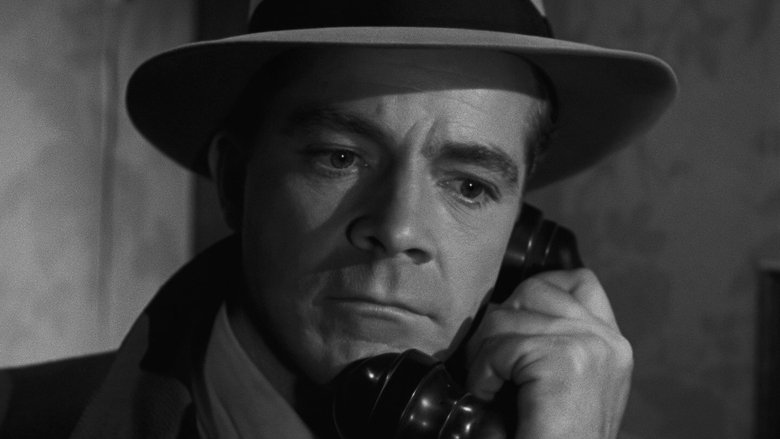
A police detective's violent nature keeps him from being a good cop.
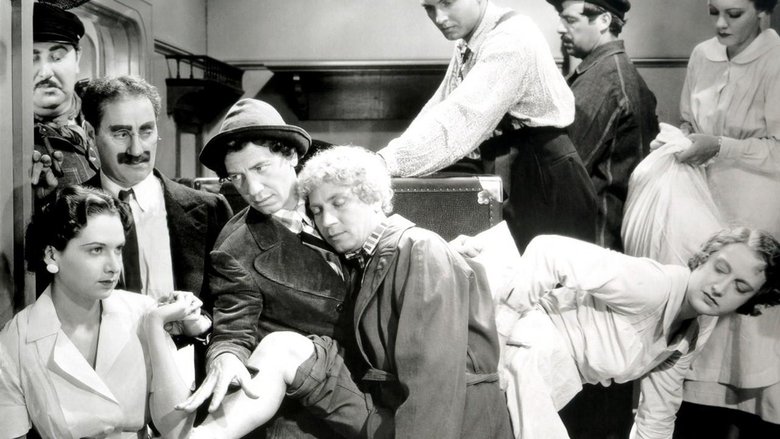
The Marx Brothers take on high society and the opera world to bring two lovers together. A sly business manager and two wacky friends of two opera singers help them achieve success while humiliating their stuffy and snobbish enemies.
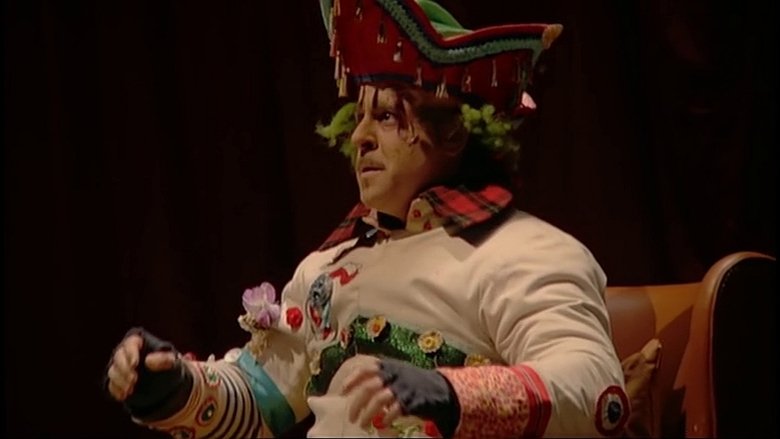
In Rigoletto, the deformed figure of the hunchbacked jester at the Mantuan court acts as a foil to his cynical and powerful master, an unscrupulous philanderer contrasted with his cruel and unforgiving fool. Rigoletto encourages and welcomes the Duke's conquests, pitilessly mocking his victims until he discovers that the Duke has abducted the one person he genuinely loves, his own daughter. As a result, the character of the court jester is transformed into a tragic figure who, in spite of his evident immorality and malice, allows us to sense the devotion he feels for his daughter and his horror at being destroyed by the same despotic world as that which he himself has helped to create.
Arabella, Op. 79, is a lyric comedy or opera in three acts by Richard Strauss to a German libretto by Hugo von Hofmannsthal, their sixth and last operatic collaboration.

Fish live concert on July 15th at Rock Summer 1994 (July 14-17) Tallinn, Estonia, where he performed most of his last album, some of his first album and also some hits from the album Misplaced Childhood from his Marillion days...
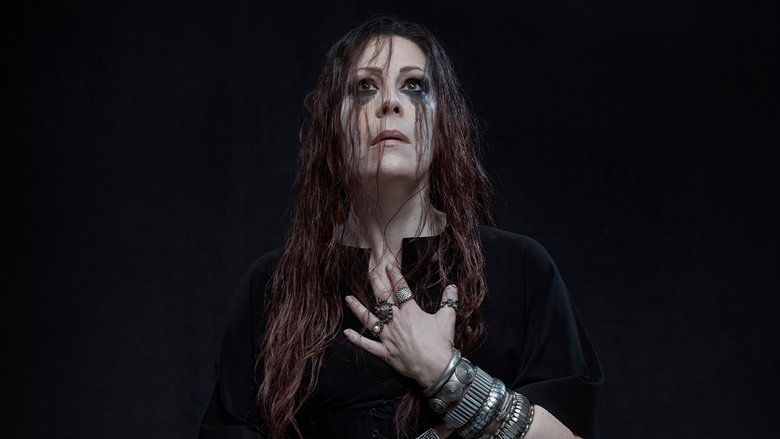
Having triumphed at the Met in some of the repertory’s fiercest soprano roles, Sondra Radvanovsky stars as the mythic sorceress who will stop at nothing in her quest for vengeance. Joining Radvanovsky in the Met-premiere production of Cherubini’s rarely performed masterpiece is tenor Matthew Polenzani as Medea’s Argonaut husband, Giasone; soprano Janai Brugger as her rival for his love, Glauce; bass Michele Pertusi as Glauce’s father, Creonte, the King of Corinth; and mezzo-soprano Ekaterina Gubanova as Medea’s confidante, Neris. Carlo Rizzi conducts.
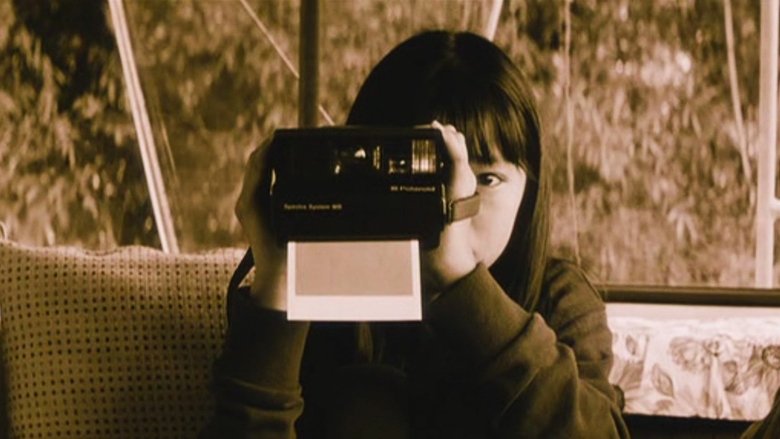
In rural Japan, the survivors of a tragedy converge and attempt to overcome their damaged selves, all while a serial killer is on the loose.
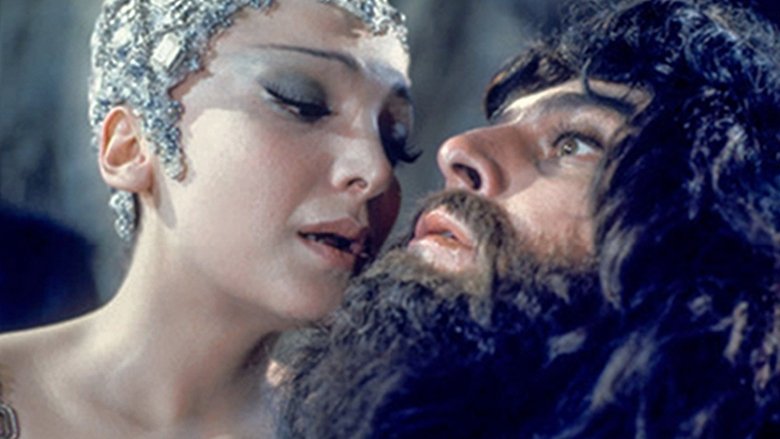
This filmed version of Strauss' shocker features Teresa Stratas as opera's most depraved teenager, and she's as perfect a Salome as one would ever hope to see or hear. Stratas inhabits the role, exploring the character's sensuousness as she vainly woos Jochanaan, her venomous hatred when she's rejected, the crazed look in her eyes when she demands his head--on a silver platter, no less. Such complete identification with a role, especially of a character so malignant helps make this 1974 Salome stand out among the many fine DVDs of the opera.
A lonely mother and her son go to the opera where a performance of Cherubini’s opera Medea is given. It is the mother’s birthday and she wanted to surprise her son by inviting him to the opera. But, the son’s plan were different and he is quite upset about it. His mother tries to break the silent barrier behind which he hides. A semblance of discussion begins, not without humour. Tension is present but, as the performance goes on, both find themselves astounded, captured, alone in the opera house.