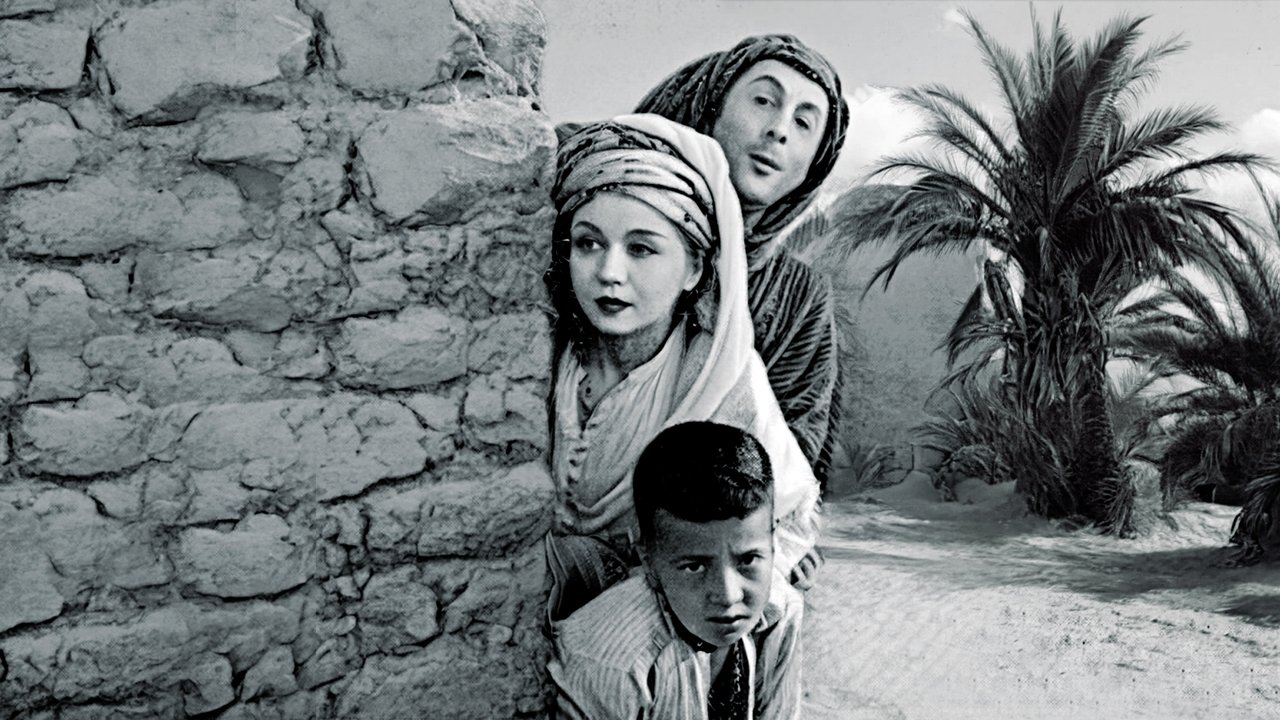
Sidonie Panache (1934)
In 1842, during the conquest of Algeria Sidonie Panache disguised as a Soave runs away with her lover who is doing his military service there.
In 1842, during the conquest of Algeria Sidonie Panache disguised as a Soave runs away with her lover who is doing his military service there.
 FlorelleSidonie Panache
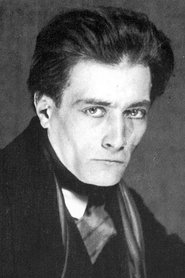 Antonin ArtaudL'émir Abd-el-Kader
 Paul AzaïsChabichou
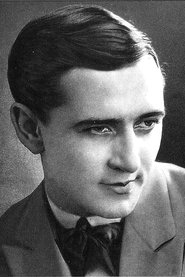 Jean-Louis AllibertLe duc d'Aumale
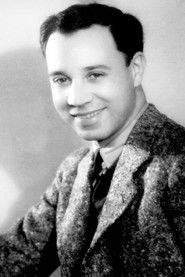 Tahar HannacheUn Cheikh
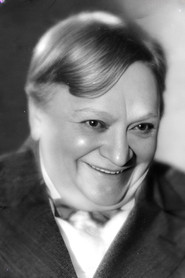 Madeleine Guitty
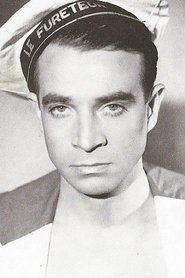 René Dary
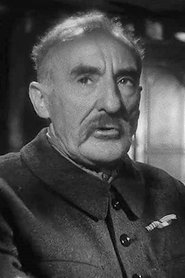 Guy Favières
 Pierre Feuillère
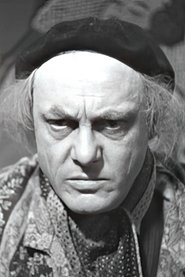 Alexandre MihalescoSalomon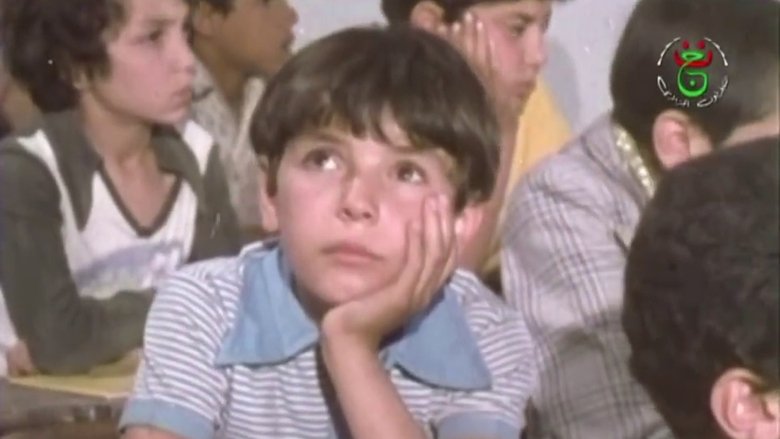
Rabie is a kid from Sétif in 1980, trying to collect money to buy a wheelchair for his paralyzid sister Sassia, so she can get out of the house.
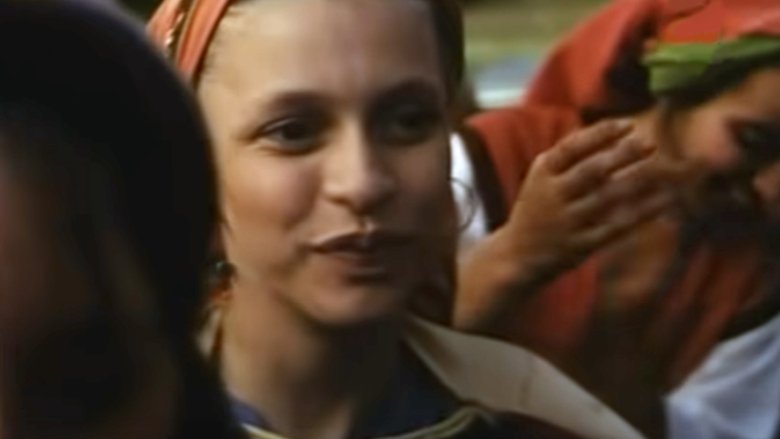
In Kabylie, rude mountain region in the north of Algeria. Arezki finds the young Larbi exhausted, buried under the snow. He takes him in and nurses him until he's recovered. The host seduces Arezki's daughter. She is pregnant. This is an unsupportable shame to the father of the female sinner. Arezki claims vengeance. He leaves his house and takes the oath not to come back before having killed Larbi who betrayed him under his own roof.
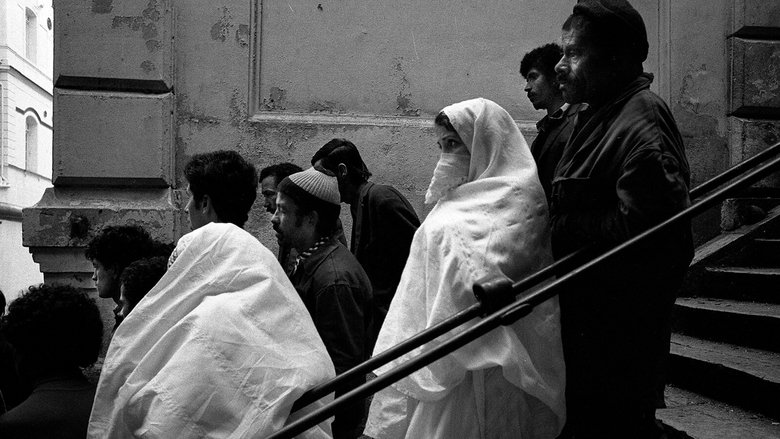
While trying by all means to stay out of the bloody turmoil caused by the Battle of Algiers, Hassan, an honest and naive family man, is wrongfully accused of terrorism by the French colonial army in "Hassan Terro." After escaping in "The Escape of Hassan Terro," Hassan is forced to join the resistance in "Hassan Terro in the Maquis."
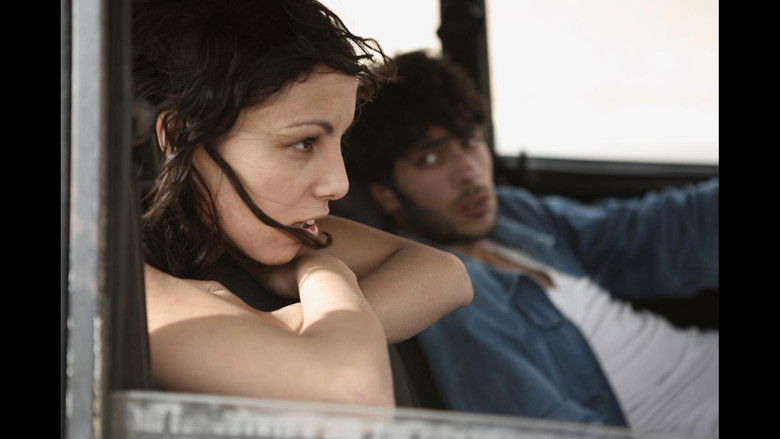
Mounir Mekbek lives with his family in a small village in the heart of the Algerian countryside. Very proud and sure of himself, he has only one dream- to finally be appreciated by his fellow villagers. Screwing up his carefully maintained image is his headstrong, narcoleptic sister Rym who falls asleep anywhere and whom the village is convinced will end up a spinster. One evening, Mounir returns from town drunk and announces that he's found a suitor for his sister. The fake story snowballs and snowballs until the suitor morphs into a rich, blonde Australian. The village begins preparing for the wedding in earnest - but without a bridegroom in sight.
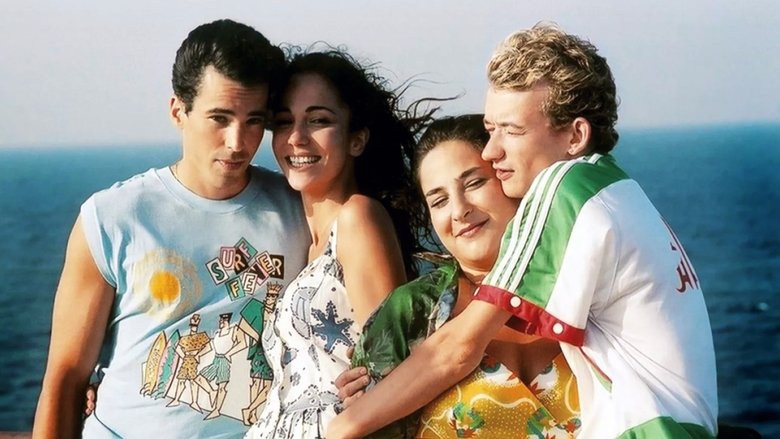
In 1988, Johnny Leclerc, the son of a Norman mother and an Alsatian father, lives in a suburban housing estate with his friends. He behaves like a Muslim, observes Ramadan and wears a djelaba. He's even convinced that his name is Abdelbachir and that he was born in a small village in the bled. When his friend Yacine gets into trouble with a local kaid and decides to return to Algeria for the vacations, he smuggles himself into the Sabri family's luggage to fulfill his dream and finally get to know his "roots". As soon as he arrived on the Algerian coast, Johnny felt right at home. But Yacine is opposed to his father, who wants to arrange his marriage.
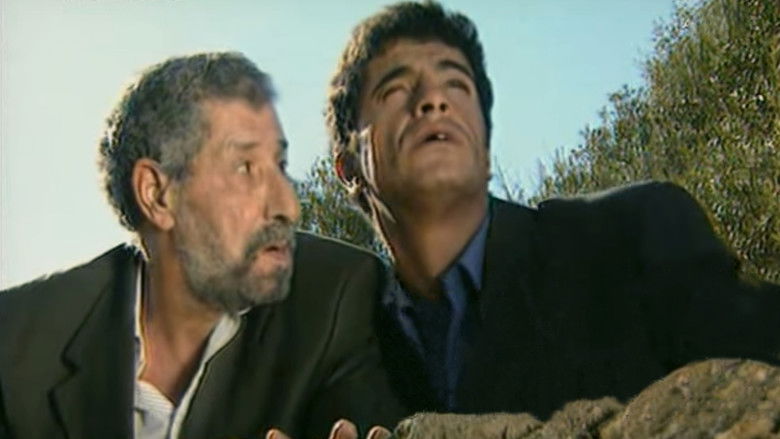
The former teammate of the famous Inspector Tahar, "the Apprentice" turned Inspector Yahia, will conduct his final investigation in the city of Bejaia, but the surprise at the end is unexpected. Released in 1999, this feature film is dedicated to the late actor Hadj Abderrahmane, who played Inspector Tahar in the 1960s and 1970s.
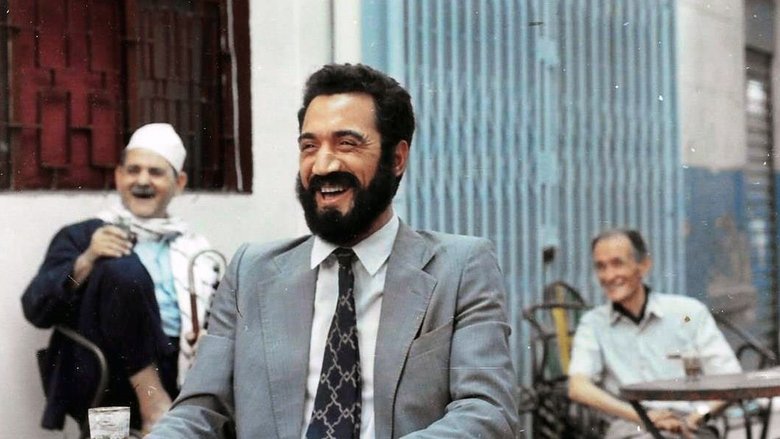
Long quest for a director specializing in commissioned films, who after a depression rediscovers his loved ones, his Casbah district, himself. Taken in hand, for a while, by his Islamist neighbor, it is above all the meeting with an old projectionist giving him a censored history of cinema and Algeria, which helps him to change, and to accept his own fantasies, embodied by Marilyn Monroe and the Andalusian.

An experimental essay film about terrorism, media, violence and globalisation. Three infotainment news broadcasts - a rollercoaster, a hijacking, and an influencer - are soundtracked by pulsating experimental electronics that push the psychic residue of a post war-on-terror world out of the unconscious and onto the screen. Capitalism, imperialism, desire; all three are implicated in a nihilism that has seeped from the news into the social psyche.
A poor man rescues a rich man from burglars. as a way for thanking him The rich guy invite him and his family to come and live in his luxurious hotel. The poor family's life turns upside down in their new home.
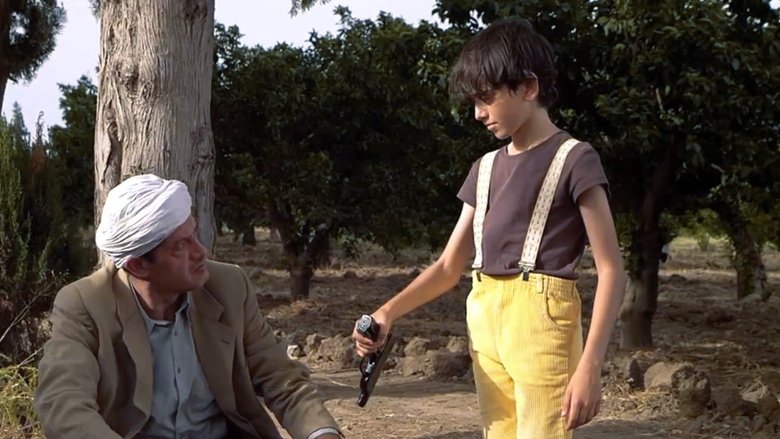
In 1960, nine-year-old Bachir dreamed of becoming the son of a martyr because he had heard that the children of martyrs would obtain everything after independence. He sets up a whole plan to get rid of a certain François, enemy of his country, while his father, Saddek, abandoned him with his mother and brothers. Through this fiction, the film looks at the life and visions of little Algerians during the War of National Liberation. Karim Traïdia looks back on his own childhood during the Algerian war (1945-1962). On a humorous note, it tells the adventures of a young child and his innocent friends against the backdrop of a raging merciless war.
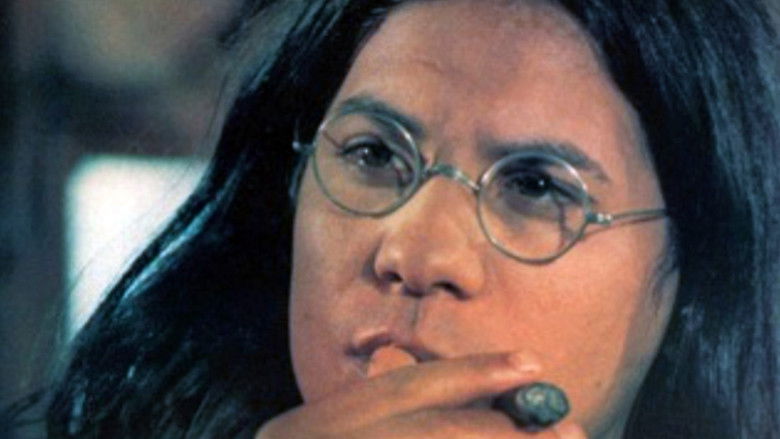
In one of the tribes of the Algerian Sahara, everyone awaits the arrival of the hero who will defend the rights of the poor. A man decides one day to put the mark of the "hero" on his newborn son and the whole tribe celebrates the arrival of this eagerly awaited messiah who came to save them. This false hero then grows up by assuming his role of savior. Filled with cynicism, he crosses the countryside and has a number of adventures.
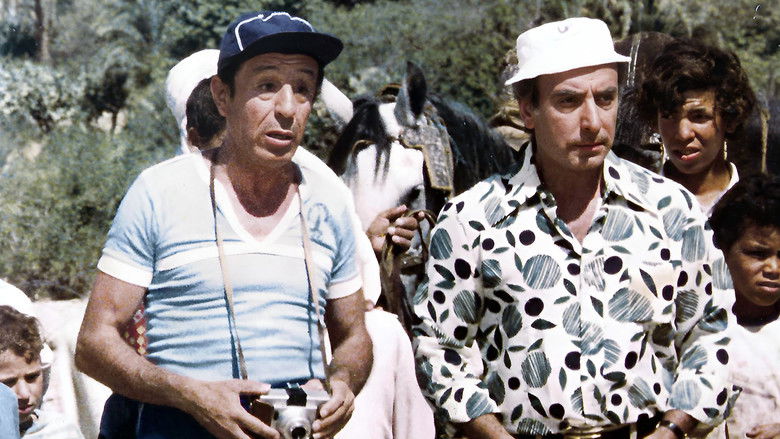
Hassan, tired and worn out by the long years of post-independence, obtains a taxi license as a veteran and will crisscross the streets of Algiers, experiencing the most incredible adventures.
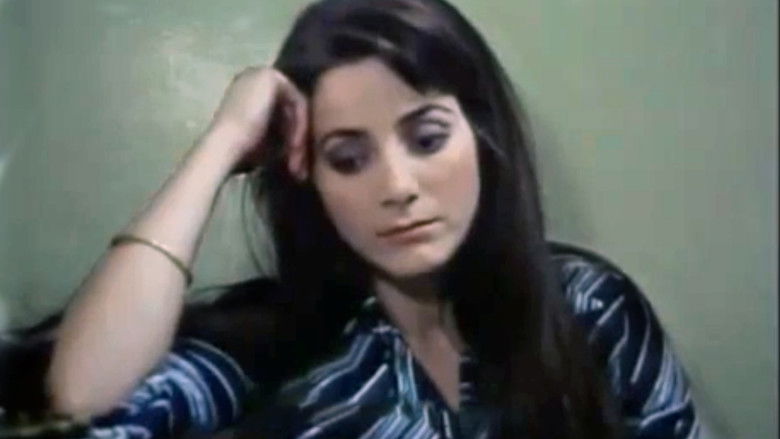
The story of Algerian women trying to live in 1970s Algeria where the society is between conservative values and progressive modern Algeria.
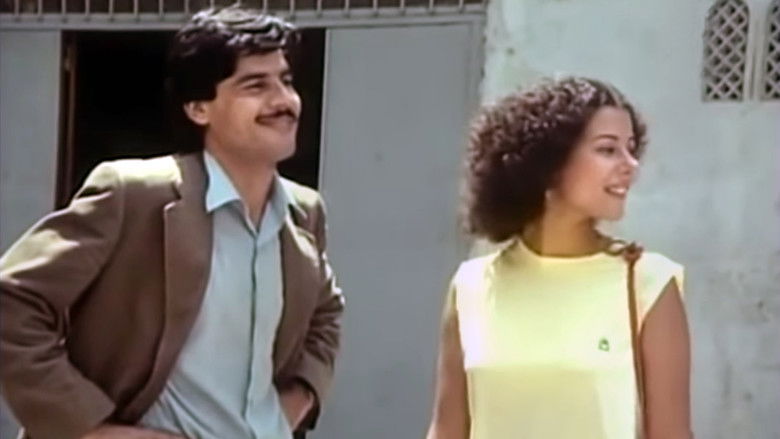
Moussa, a young Franco-Algerian, returns to Algeria, but adapting to life in his country of origin proves difficult. Just as he is about to leave for France, he is called up for military service, which suits him fine because he is secretly in love with the beautiful Nacira.
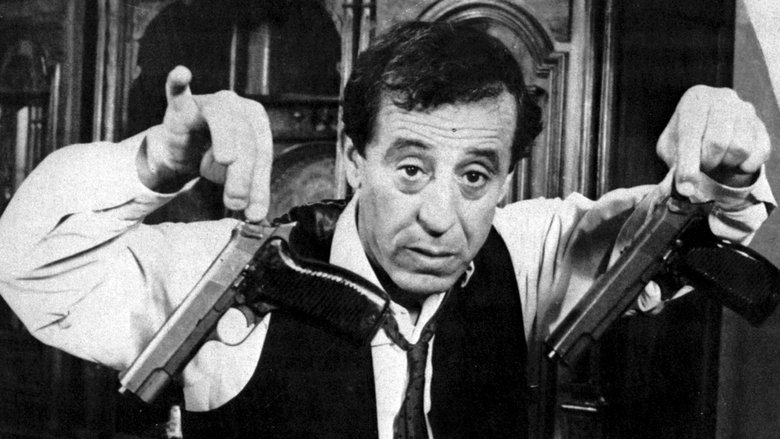
While he tries by all means to stay out of the bloody upheavals caused by the battle of Algiers, Hassan, an honest and naive father, unknowingly offers hospitality to a mujahid actively sought by the army. French. A series of events and misunderstandings quickly catapult him to the forefront, presenting him under the pseudonym “Hassan Terro”, a great fictitious terrorist who would have sworn the doom of the French army...
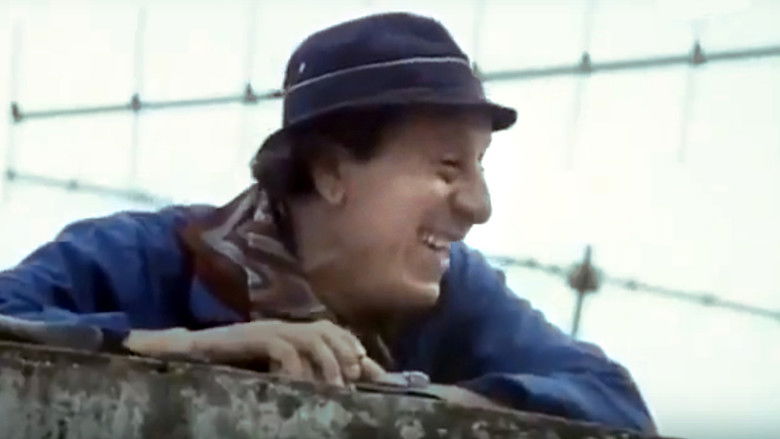
The story of Hassan, the handyman in the inn of his sister Aïcha, widowed and childless. A whole series of incidents, misunderstandings, will punctuate his daily routine in which we find him in turn driver, waiter, welder, etc. But, he refuses to submit to anything that does not conform to the idea he has of society and things...
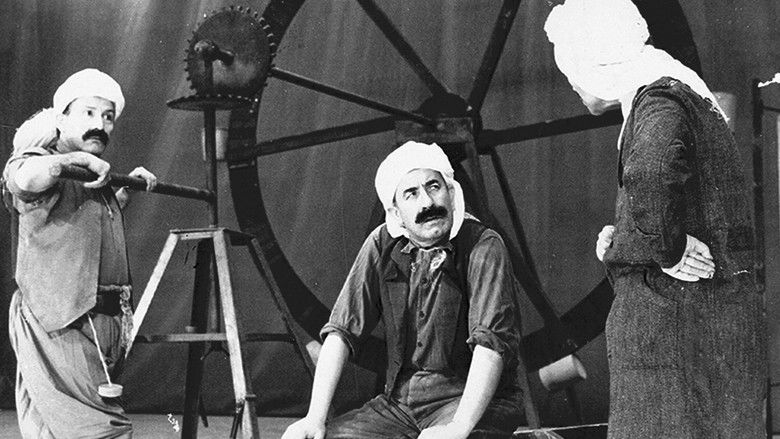
An adaptation of the satirical play of the same name by comedian Rouïched (Ahmed Ayad). "El-Ghoula" (The Vampire) tells the story of a corrupt official who lives off the peasants of an agricultural cooperative. Instead of solving problems, this official manipulates empty rhetoric and "revolutionary" slogans to galvanize them and encourage them to continue working. Opportunistic, he will transform the fellahs' work into chaotic bureaucratic procedures for his own personal gain.
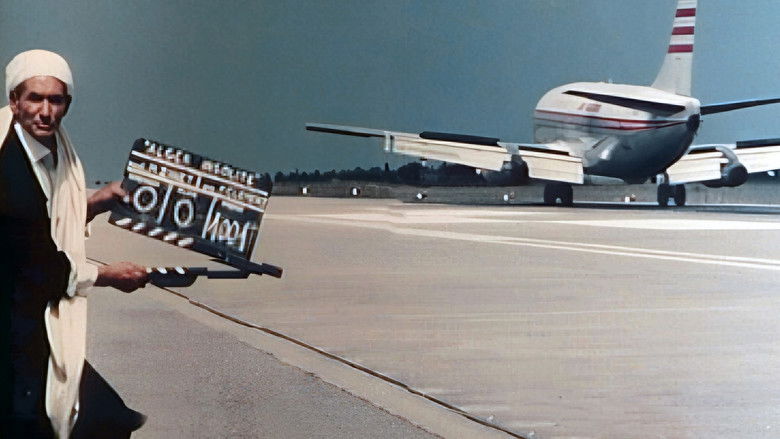
Originally commissioned by the city of Algiers to promote tourism, Mohamed Zinet’s Tahia ya Didou blends documentary with fiction to create a poetic, acerbic and rapturous portrait of the director’s native city. The camera travels freely, through the port, market, streets and cafés, capturing everyday people, some of whom recur frequently enough to seem like protagonists. The nominal plotline follows a French tourist couple’s leisurely visit to the city, the man having previously served in the army during the Algerian war. As they walk around, his comments betray his mindset’s racist colonial prejudices, while his wife reiterates asinine clichés. Their unhurried wandering is interrupted when he comes across a blind man and realises that he tortured him during his army service. The film is punctuated with punchy sequences that show a poet named Momo delivering verse as an elegy for Algiers.
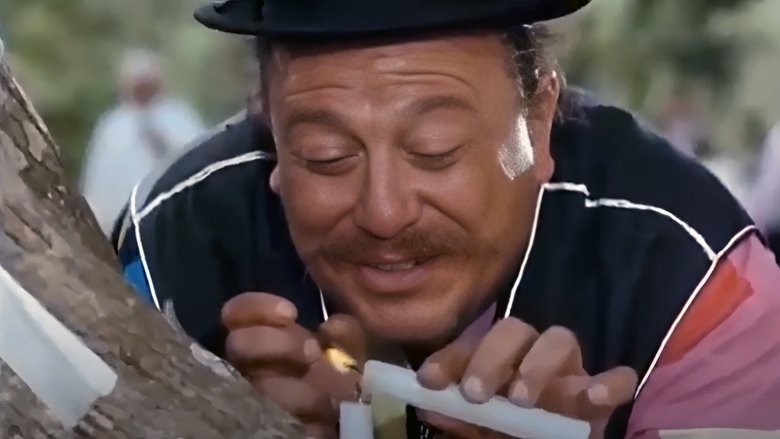
Like every year in Zitouna, a bear handler passes by. With his creature, he comes to challenge the small community. And like every year, it is Slimane El Mabrouk who defends the honor of the tribe. But this time, he dies, leaving two orphans, Omar and Ourida. Robbed of their inheritance, the children will grow up alone. The years pass, the French army settles in, and with it, the war. Mysteriously, one day, after the murder of a French legionnaire, Omar disappears into the bush, while his sister dies in childbirth. Omar will return to the village, much later, once independence has been acquired, as a representative of power and with this enigmatic formula: "You must know that the Revolution has not forgotten you". Personal revenge? Sincere desire to bring progress and modernity? ... The inhabitants of Zitouna, upset in their ancestral way of life, will not be long in having an answer to their questions.