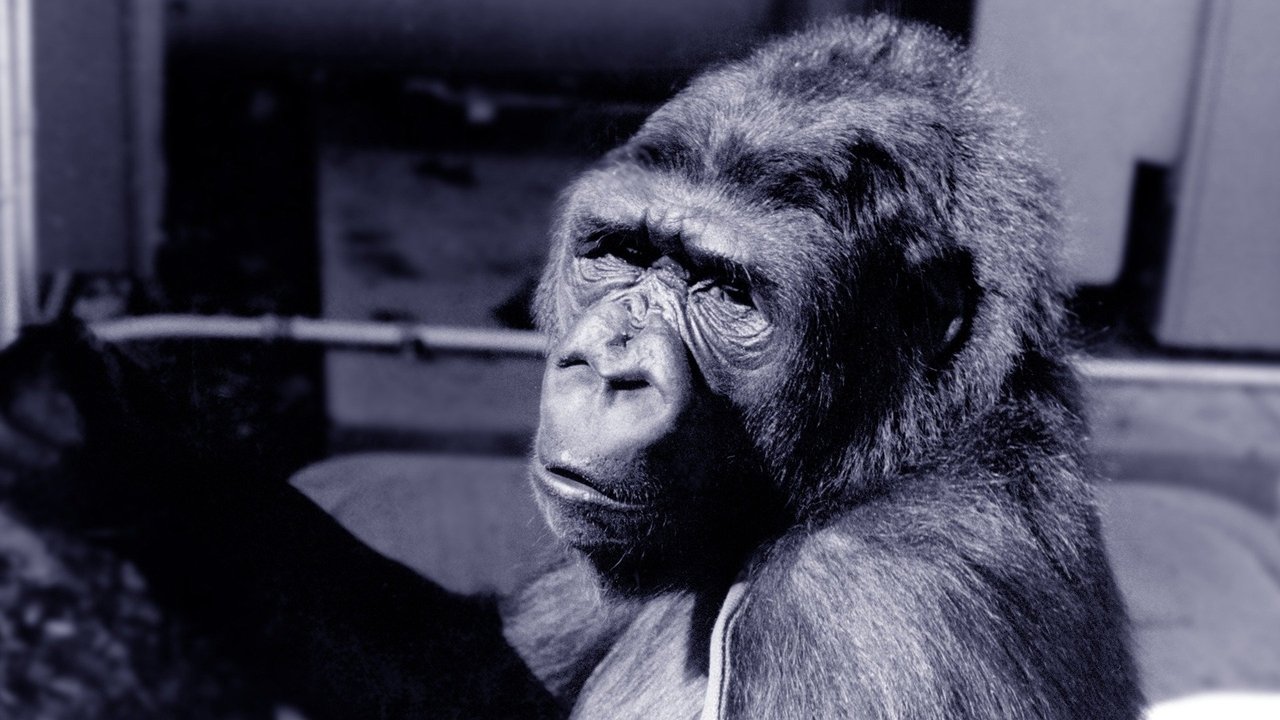
Koko: A Talking Gorilla (1978)
A documentary that follows Dr. Penny Patterson's current scientific study of Koko, a gorilla who communicates through American Sign Language.
A documentary that follows Dr. Penny Patterson's current scientific study of Koko, a gorilla who communicates through American Sign Language.
 Penny PattersonHerself
 KokoHerselfSaul KitchenerHimself - Director Emeritus, San Francisco ZooCarl PribramHimself - Professor of NeuroscienceRoger FoutsHimself
A Deafblind fencer and author competes in all arenas just for the right to be seen.
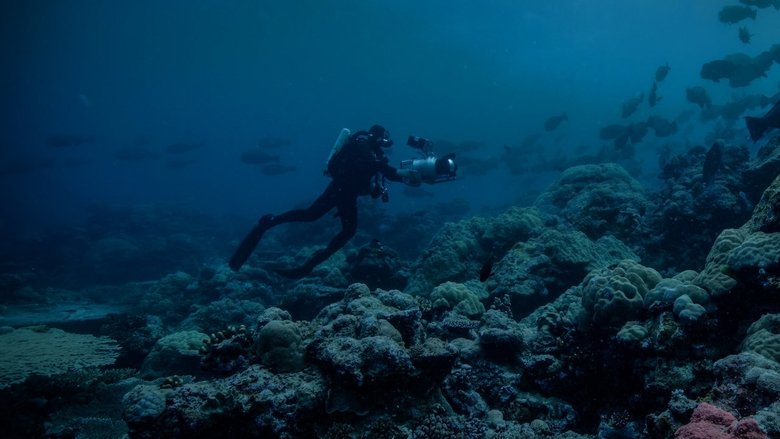
This look behind the scenes shows how worldwide camera crews climbed, dived and froze to capture the documentary's groundbreaking night footage.
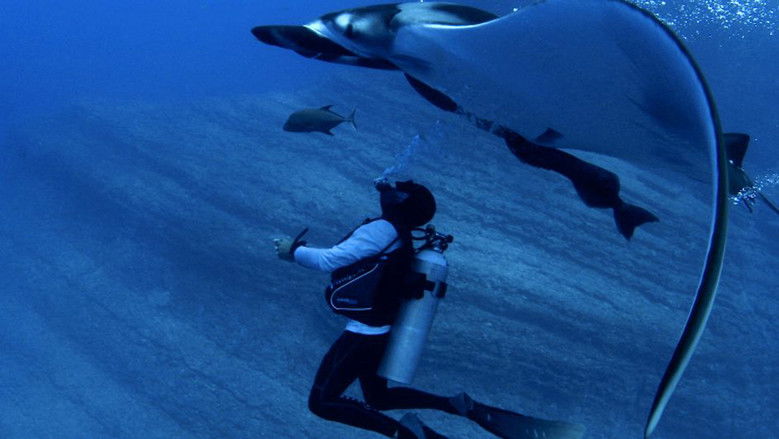
Emmy award-winning filmmaker and marine biologist Rick Rosenthal teams up with science fiction writer Chris Carter on an investigative journey to explore evidence of intelligent life, not in space, but in the sea – specifically, manta rays. Might these alien-looking animals be trying to make contact with us? There are intriguing clues.
An intimate work made in collaboration with the filmmaker’s family, Cabbage re-frames language and explores personal agency within an ableist paradigm. It centralises her brothers' digital and rhythmic writings using eye tracking technology, and her mother’s reflections on a life lived having to prove her son’s humanity.
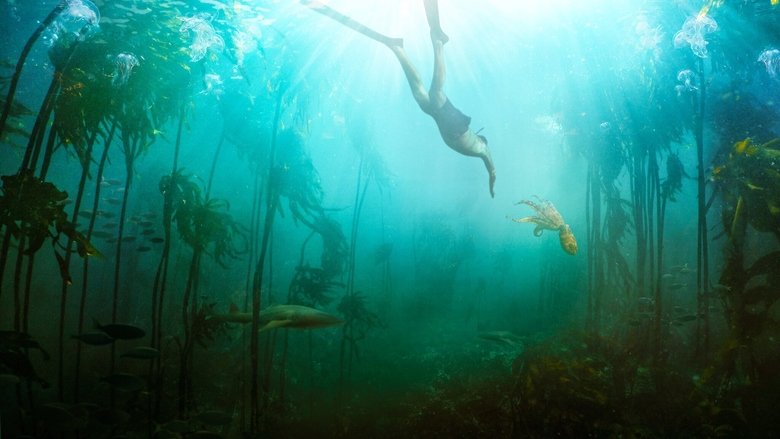
After years of swimming every day in the freezing ocean at the tip of Africa, Craig Foster meets an unlikely teacher: a young octopus who displays remarkable curiosity. Visiting her den and tracking her movements for months on end he eventually wins the animal’s trust and they develop a never-before-seen bond between human and wild animal.
Documentary without audio produced by deaf people. Music is depicted visually with the complete absence of musical instruments or voices. Directed by Makihara Eri and choreographer Dakei. With a diverse lineup including ordinary deaf people with zero acting experience and a choreographer who performs in Japan and abroad, this film pulls out all the tops to give visual expression to music through the physical body. An aging man uses multiple sign language poems to convey the four seasons, and a girl expresses the wind amidst the rustling trees.

Mountain Gorilla takes us to a remote range of volcanic mountains in Africa, described by those who have been there as ""one of the most beautiful places in the world"", and home to the few hundred remaining mountain gorillas. In spending a day with a gorilla family in the mountain forest, audiences will be captivated by these intelligent and curious animals, as they eat, sleep, play and interact with each other. Although gorillas have been much-maligned in our popular culture, viewers will finally ""meet the legend"" face to face, and learn about their uncertain future.
This unique video teaches families who need to care for an elderly parent how to work together to develop a shared caregiving plan. It takes an in-depth look at how one typical family comes together to assess its elder parent’s needs.
Exposing the dark underbelly of modern animal agriculture through drones, hidden & handheld cameras, the feature-length film explores the morality and validity of our dominion over the animal kingdom.
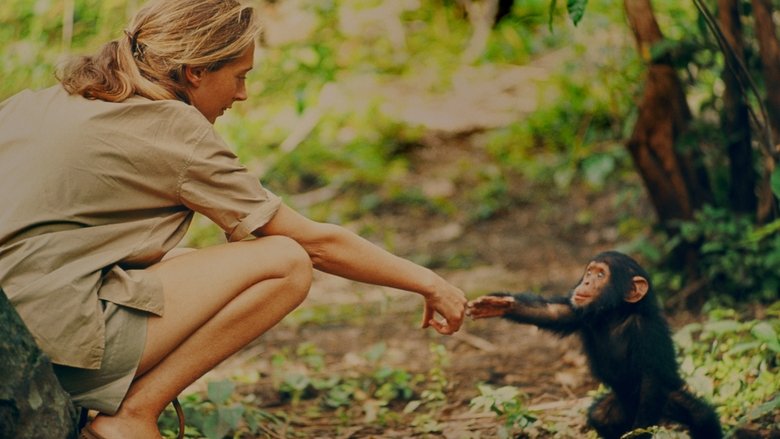
Drawing from never-before-seen footage that has been tucked away in the National Geographic archives, director Brett Morgen tells the story of Jane Goodall, a woman whose chimpanzee research revolutionized our understanding of the natural world.
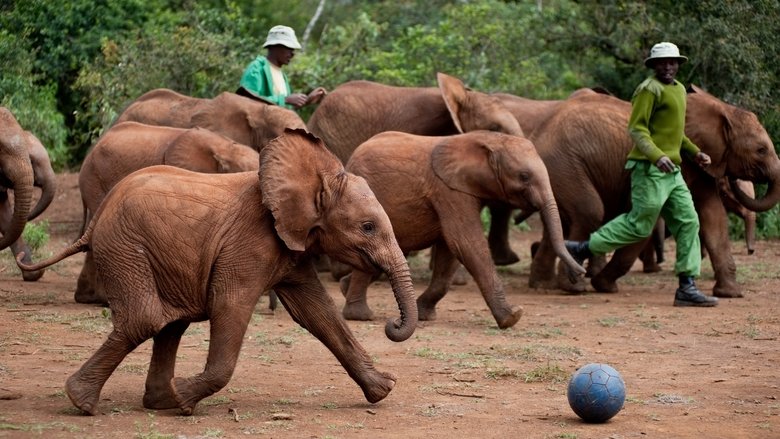
Born to Be Wild observes various orphaned jungle animals and their day-to-day behavioural interactions with the individuals who rescue them and raise them to adulthood. The film unfurls in two separate geographic spheres. Half of it takes place in the rain forests of Borneo, where celebrated primatologist Dr. Birute Galdikas assists baby orangutans; the other half takes place on the arid savannahs of Kenya, where zoologist Dame Daphne Sheldrick works with baby elephant calves.
The original film of the Tasmanian tiger (also known as the thylacine) was shot by Australian zoologist David Fleay in 1933 on black-and-white film. Recently, this historic footage has been colorized and digitized by a team of international experts. You can watch the remastered footage of the last-known surviving Tasmanian tiger here. The thylacine, which resembled a medium-to-large-sized canid, had dark transverse stripes radiating from the top of its back. Sadly, the last known thylacine died in 1936 at the Hobart Zoo in Tasmania.
Children of Deaf Adults, known as CODA, are caught in the middle, between the deaf and the hearing, between isolation and community, and between childhood and adulthood. Through the stories of three CODAs, discover how the unique upbringing of hearing children born to deaf parents can be considered both a burden and an opportunity and how it shapes who they are and who they become. Also hear from the parents themselves about how their condition unwittingly puts an impossible weight of responsibility on their children, who are forced into adulthood from the moment they learn to talk. Mother, Father, Deaf offers a previously unseen portrayal of contemporary reality for deaf families. Their stories, while deeply personal, mirror the experiences of CODAs around the world.
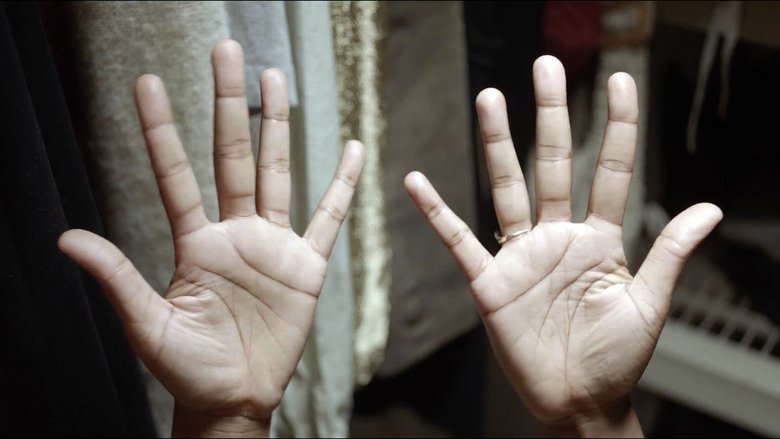
A spate of robberies in Southern California schools had an oddly specific target: tubas. In this work of creative nonfiction, d/Deaf first-time feature director Alison O’Daniel presents the impact of these crimes from an unexpected angle. The film unfolds mimicking a game of telephone, where sound’s feeble transmissibility is proven as the story bends and weaves to human interpretation and miscommunication. The result is a stunning contribution to cinematic language. O’Daniel has developed a syntax of deafness that offers a complex, overlaid, surprising new texture, which offers a dimensional experience of deafness and reorients the audience auditorily in an unfamiliar and exhilarating way.
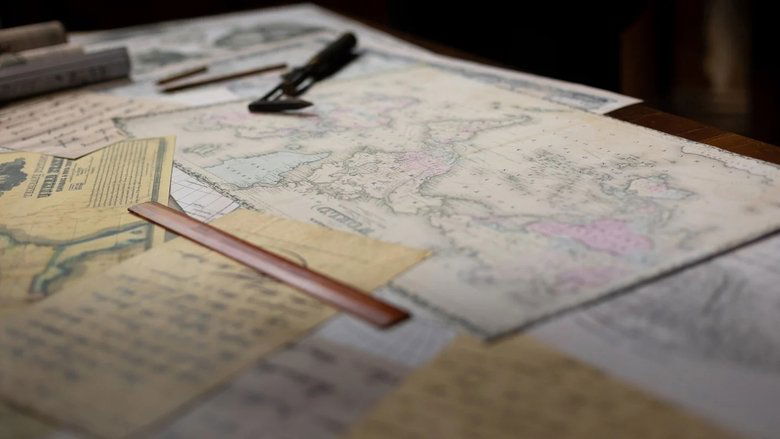
The first transatlantic communications cable, traversing the ocean floor from Valentia Island, County Kerry, to Newfoundland, Canada, 165 years ago was an 8 year endeavor that helped lay the foundation of the modern technology industry and explains the fragility of undersea cables today.
To My Father depicts Deaf actor Troy Kotsur's journey to winning an Oscar and his father's inspiring influence on him, despite a tragic accident.
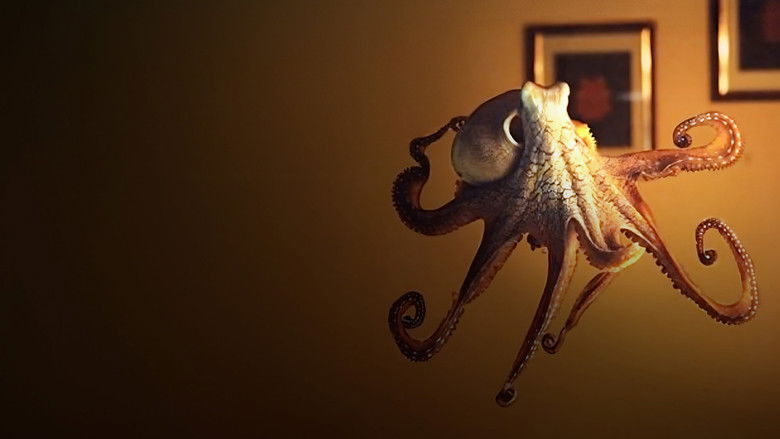
A professor develops an extraordinary relationship with an octopus when he invites it to live in his home. The octopus, called Heidi, unravels puzzles, recognises individual humans and even watches TV with the family. The episode also shows remarkable behaviour from around the world - from the day octopus, which can change colour and texture in a split second, to the coconut octopus, which carries around its own coconut shell to hide in. But most fascinating of all is seeing how Professor David Scheel and his daughter Laurel bond with an animal that has nine brains, three hearts and blue blood running through its veins.
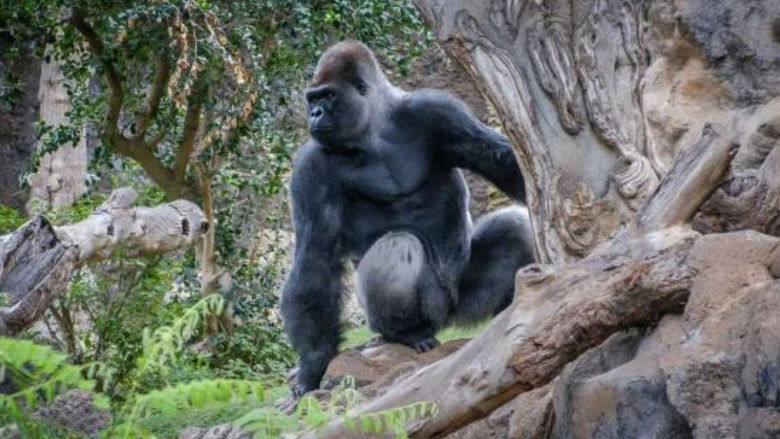
Gorillas live in complex social groups led by a dominant male silverback; he is intelligent and powerful, fiercely leading his troop through the dangers of the jungle; gorillas are like humans in so many ways, but their existence is under threat.
The photographic record of an African expedition led by producer-explorer Armand Denis and his (very) photogenic and camera-toting wife Michaela, who goes bird-riding at an ostrich farm. The expedition ranges from the central interior jungles and mountains to both coasts and as far south as Capetown, and ends with a gorilla hunt led by natives using 100-year-old muskets.

Take a tour with the staff of the Milwaukee County Zoo.