
Drugs in the Tenderloin (1967)
Drugs in the Tenderloin is a documentary shot guerilla style by Robert Zagone in 1966; It captures the Tenderloin as it transformed into a center for young queers and drug users.
Drugs in the Tenderloin is a documentary shot guerilla style by Robert Zagone in 1966; It captures the Tenderloin as it transformed into a center for young queers and drug users.
Documentary will explore how Kenny Gamble, Leon Huff and Thom Bell – together known as "The Mighty Three" – founded the record label Philadelphia International Records and helped craft a signature sound heard in a catalog of over 3,500 songs.
This short film reveals the inspiration, motivation and political challenges at San Francisco City Hall during the frantic days leading up to the first government-sanctioned same-sex marriage.
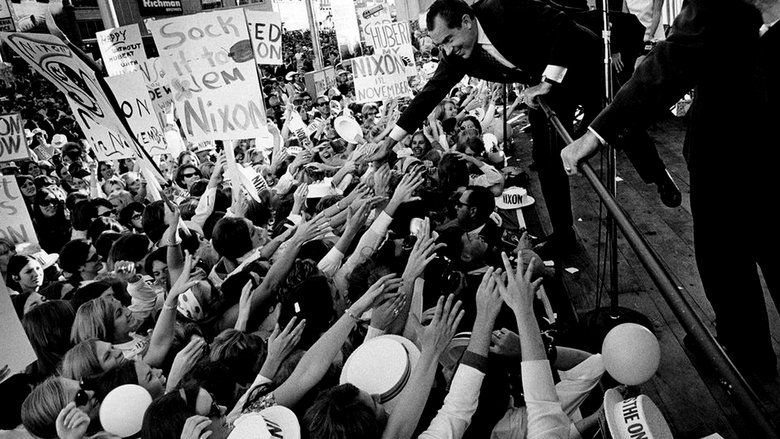
A retrospective on the great election battles of the past in the United States: the Kennedy-Nixon debate in 1960, the first ever to be televised; the Republican campaign of 1972, which proved to be the starting point for the Watergate scandal; and the electoral strategy of Barack Obama in 2008, the first election to fully exploit the potential of the Internet.
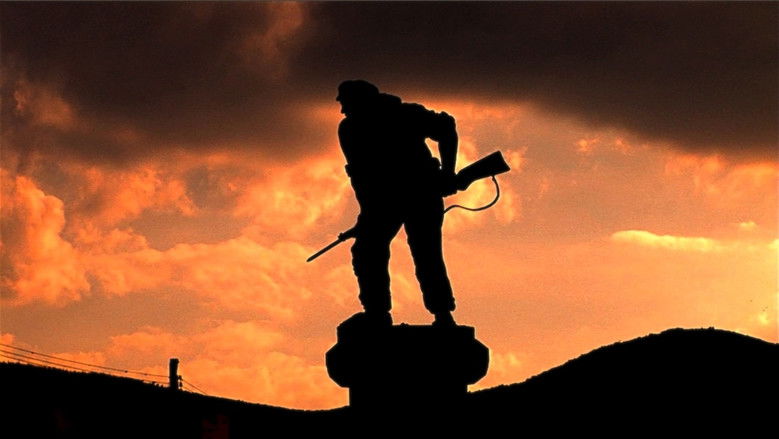
A documentary that explores the myth behind the truth. Different people around the globe reinterpret the legend of Che Guevara at will: from the rebel living in Hong Kong fighting Chinese domination, to the German neonazi preaching revolution and the Castro-hating Cuban. Their testimonies prove that the Argentinian revolutionary's historical impact reverberates still. But like with all legends, each sees what he will, in often contradictory perspectives.
The Fall of the I-Hotel brings to life the battle for housing in San Francisco. The brutal eviction of the International Hotel's tenants culminated a decade of spirited resistance to the razing of Manilatown. The Fall of the I-Hotel works on several levels. It not only documents the struggle to save the I-Hotel, but also gives an overview of Filipino American history.
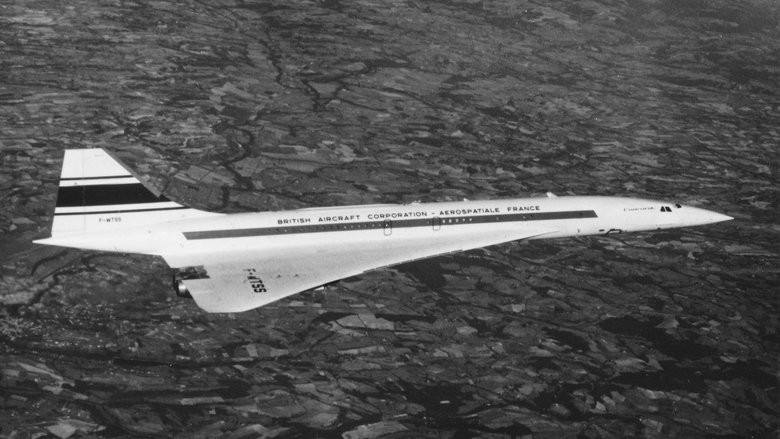
Fifty years ago, on Sunday, 2 March 1969, Concorde flew for the first time. Starting from this inaugural flight, the film goes back in time to the origin of the conception of Concorde.
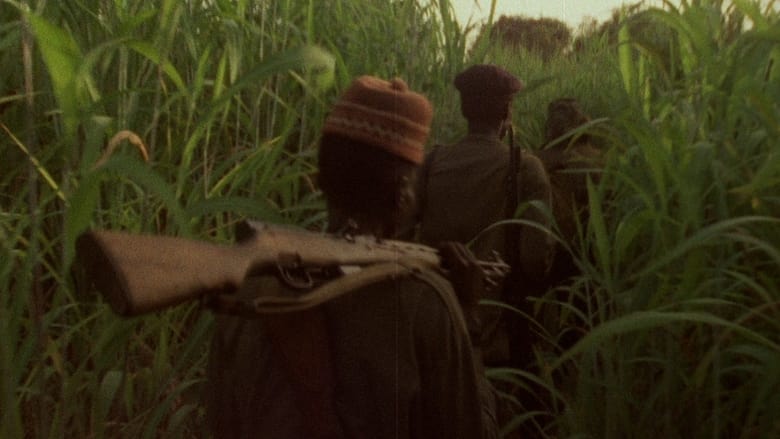
Based on powerful archival material documenting the most daring moments in the struggle for liberation in the Third World, this documentary is accompanied by classic text from The Wretched of the Earth by Frantz Fanon.
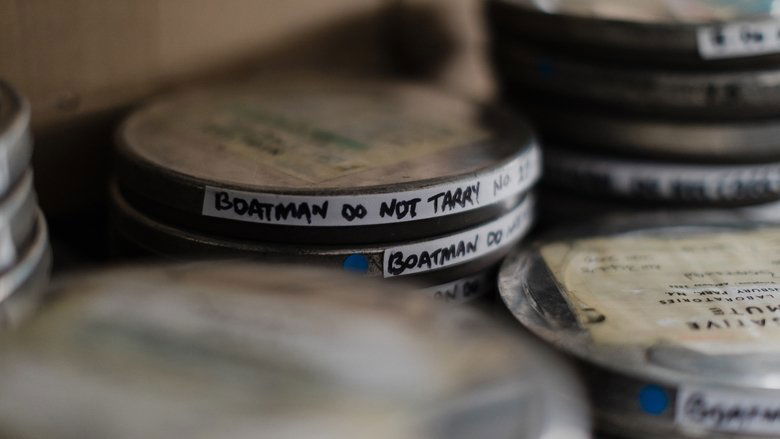
A forgotten history of Northern Ireland is unveiled through a journey into Ulster Television’s archives, and the rediscovery of the first locally-produced network drama, Boatman Do Not Tarry.
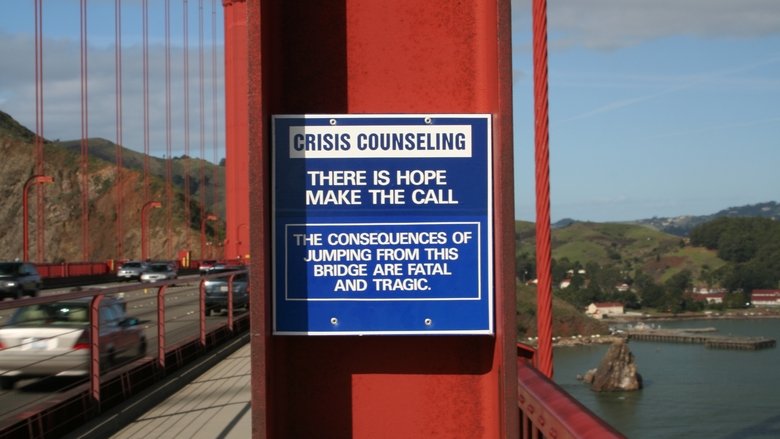
The Bridge is a controversial documentary that shows people jumping to their death from the Golden Gate Bridge in San Francisco - the world's most popular suicide destination. Interviews with the victims' loved ones describe their lives and mental health.
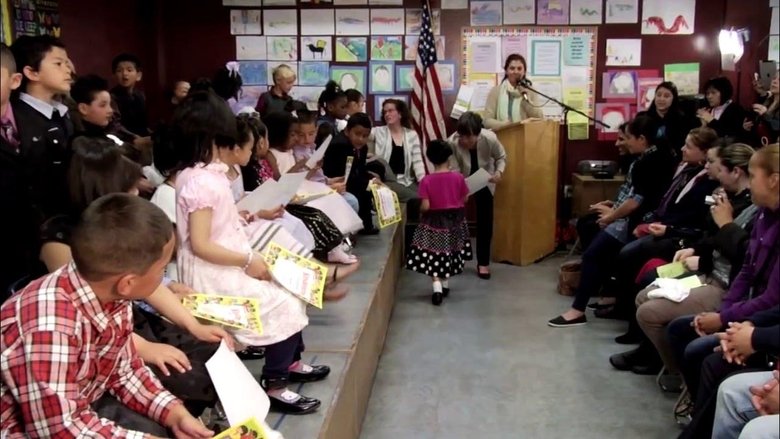
A Foot in the Door tells the story of Kindergarten to College (K2C), the first universal children’s savings account program in the United States. Launched by the City and County of San Francisco, the program automatically provides a college savings account to children when they start kindergarten.

An idol of young people in the 1960s, Françoise Hardy agrees to be interviewed and candidly reflects on her successes, disappointments, and love life.
Germán Cipriano Gómez Valdés Castillo, a young radio announcer from Cuidad Juárez, succeeds in drawing attention to the pachuco movement through his character Tin Tan, laying the groundwork for a new form of binational and mass linguistic expression: Spanglish. He soon became a leading figure in theater and film on the American Continent. Singled out by critics as a destroyer of the language, he quickly won the approval of the public. His ability to improvise revolutionized the film industry. His talent as an actor, singer, dancer and comedian contributed to the Golden Age of Mexican Cinema. From El Hijo Desobediente to Capitán Mantarraya, from Cuidad Juárez to Havana, from mambo to rock, the legacy of Tin Tan makes him one of the great icons of Mexico today. This film tells his story as it has never been told before.
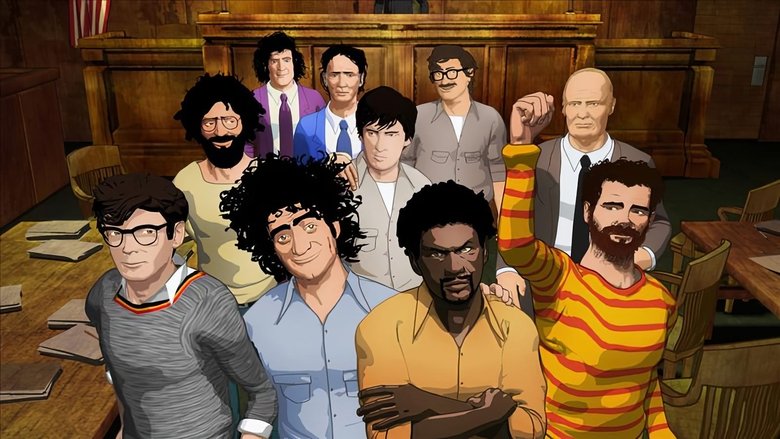
Archival footage, animation and music are used to look back at the eight anti-war protesters who were put on trial following the 1968 Democratic National Convention.
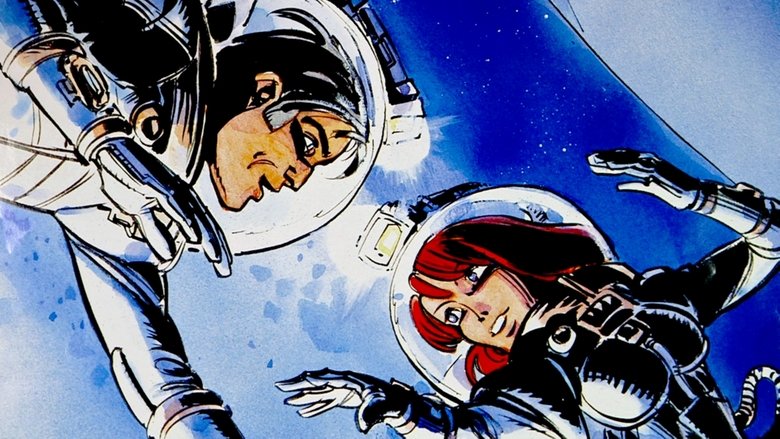
From 1957 —the year in which the Soviets put the Sputnik 1 satellite into orbit— to 1969 —when American astronaut Neil Armstrong walked on the surface of the moon—, the beginnings of the space conquest were depicted in popular culture: cinema, television, comics and literature of the time contain numerous references to an imagined future.
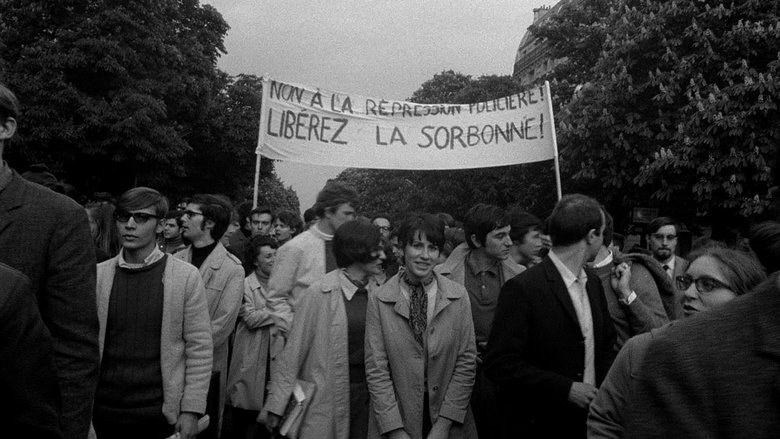
A personal essay which analyses and compares images of the political upheavals of the 1960s. From the military coup in Brazil to China's Cultural Revolution, from the student uprisings in Paris to the end of the Prague Spring.
The story of Clarence Wijewardena, who rewrote the flow of Sinhala music with use of the electric guitar in the 60s.
In the winter of 2002-'03, as the US was building its case to attack Iraq, people around the world responded with a series fo the largest peace protests in history. Shutdown: The Rise and Fall of Direct Action to Stop the War, is an action-packed documentary chronicling how DASW successfully organized to shut down a major US city and how they failed to effectively maintain the organization to fight the war machine and end the occupation of Iraq. Created by organizers involved with DASW, Shutdown combines detailed information on organizing for a mass action, critical interviews on organizing pitfalls, and the wisdom of hindsight. It is a must-see film for those engaged in the continuous struggle toward social justice.
In the state of Guerrero, México, activists Coni, Juan and Mario rebel against impunity, regardless of the sacrifices and risks - even mortal - that their struggles involve.
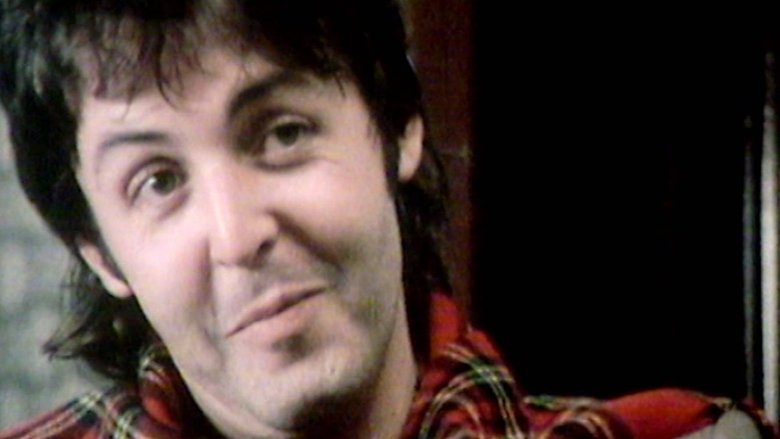
No musical group has had as profound an impact on pop music as The Beatles. Tony Palmer's groundbreaking documentary gives us an intimate look at one of the most influential groups in musical history.