A Plastic Tide (2017)
Over eight million tonnes of plastic enters the ocean each year, killing sea life. Now new evidence says it's entering our food chain with unknown health effects.
Over eight million tonnes of plastic enters the ocean each year, killing sea life. Now new evidence says it's entering our food chain with unknown health effects.
 Thomas MooreHimself - Correspondent
A film showing the new world created by the techniques and processes of the plastics industry. Transmuted from coal, oil or wood, synthetic substances can make thousands of new products, from silk threads to furniture. With a light and lively treatment, this film explores the colorful, versatile world of these synthetic materials.
Megacities is a documentary about the slums of five different metropolitan cities.

A look at the state of the global environment including visionary and practical solutions for restoring the planet's ecosystems. Featuring ongoing dialogues of experts from all over the world, including former Soviet Prime Minister Mikhail Gorbachev, renowned scientist Stephen Hawking, former head of the CIA R. James Woolse
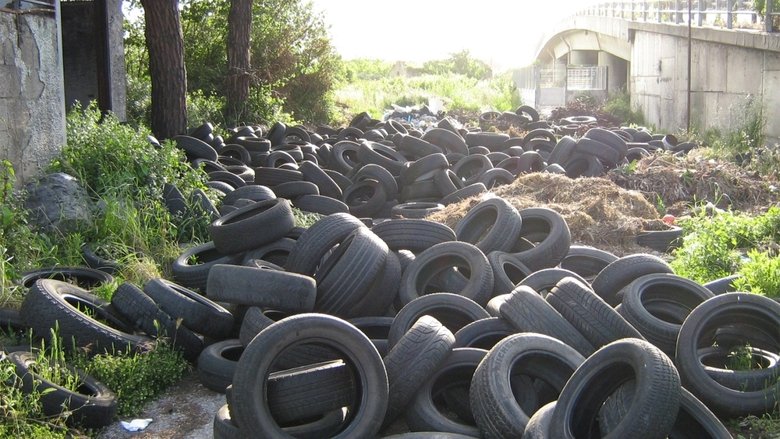
Artists Peter Fischli and David Weiss create the ultimate Rube Goldberg machine. The pair used found objects to construct a complex, interdependent contraption in an empty warehouse. When set in motion, a domino-like chain reaction ripples through the complex of imaginative devices. Fire, water, the laws of gravity, and chemistry determine the life-cycle of the objects. The process reveals a story concerning cause and effect, mechanism and art, and improbability and precision, in an extended science project that will mesmerize the mind.
The loss of biodiversity is highly alarming: our planet is currently experiencing the greatest extinction since the age of the dinosaurs. This film documents the extinction of species currently happening around the world. But it also highlights hopeful initiatives as committed men and women on every continent fight to save endangered species and work towards improving biodiversity.
Follow the Manhattan-based Beavan family as they abandon their high consumption 5th Avenue lifestyle and try to live a year while making no net environmental impact.
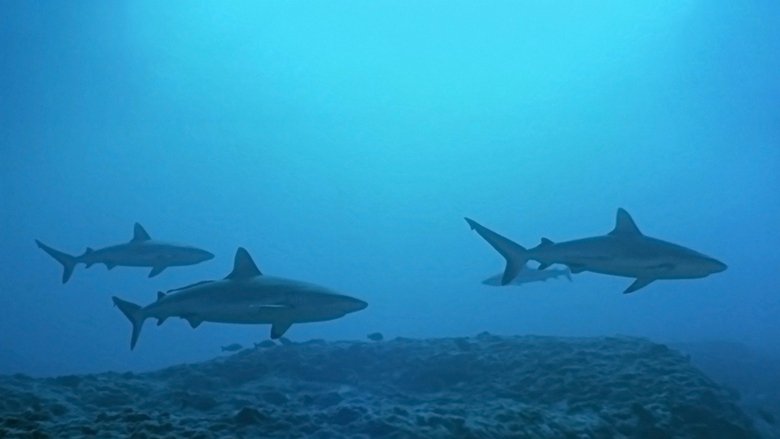
Atlantis is filmmaker Luc Besson's celebration of the beauty and wonder of the world beneath the sea, expanding upon themes touched on in his film The Big Blue. Combining stunning underwater cinematography and a hypnotic score by Eric Serra, Besson's singular vision defies dialogue or narrative structure to explore ocean life as you've never seen it before. Following the colossal success of The Big Blue, Luc Besson crisscrossed the world's seas and oceans to film the beauty and diversity of marine life: from the giant octopuses of Vancouver to the manta rays of the Pacific (New Caledonia), and the grey sharks of Tahiti. A film with no actors or sets other than the underwater world. A breathtaking view of marine species: sharks, dolphins, manatees, octopuses. An exploration of the seabed in the Bahamas, the Galapagos, Vancouver, and Tahiti.
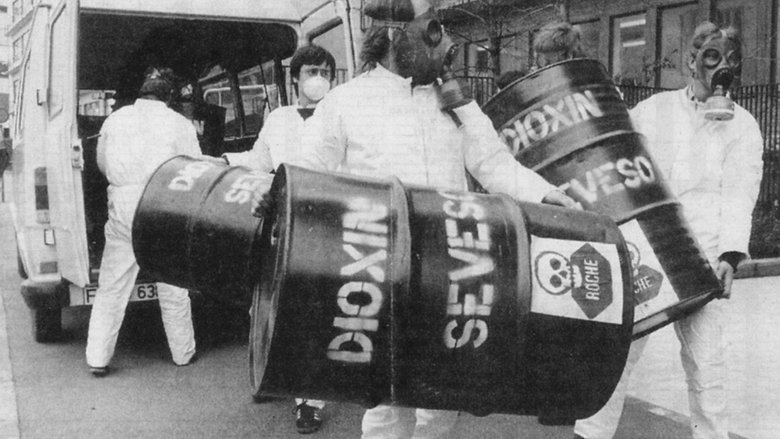
In 1976, a nuclear reactor near the Italian town of Seveso explodes, leaking highly poisonous dioxin into the atmosphere.

The best way to follow Bowie's trail, the phantom, was to start at a place he haunted: the mythical Hérouville Castle Studios. It was there, partly, that the 1970s rock wrote its legend, of which Bowie is one of the main protagonists.


The documentary follows a group of Latin American environmentalists and scientists on their risky expedition through the second largest coral reef in the world.
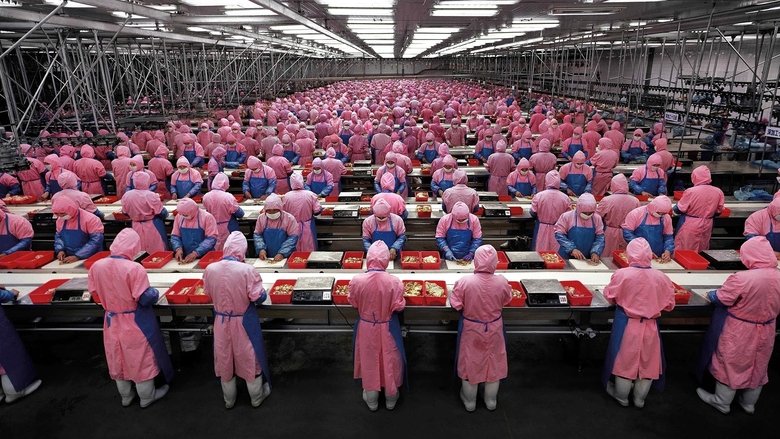
MANUFACTURED LANDSCAPES is the striking new documentary on the world and work of renowned artist Edward Burtynsky. Internationally acclaimed for his large-scale photographs of “manufactured landscapes”—quarries, recycling yards, factories, mines and dams—Burtynsky creates stunningly beautiful art from civilization’s materials and debris.
This short film presents an unusual Beverly Hills store called the Patio Shop, where trash is turned into art.
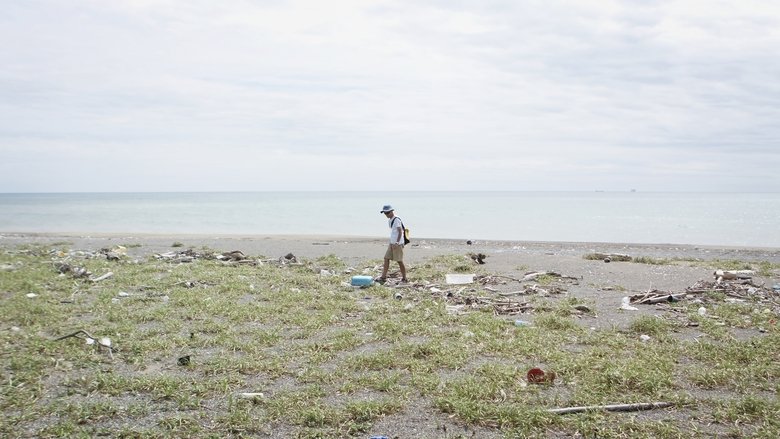
The movie follows today’s beachcombers in Great Britain, the Netherlands, and Japan. The same endless piles of trash left by humans cover all the shores. Our shared ocean is loaded with time travelers made of plastic, the fruit of our throwaway culture and our indifference. They are the seeds of destruction, as they end up in the entrails of creatures living in the sea. Most of the beachcombers share the same worries about the environment. Beside the plastic trash, many travelers drift between continents, such as various plants’ seeds. Like all species, they look for new living environments where they could survive on a warming planet.
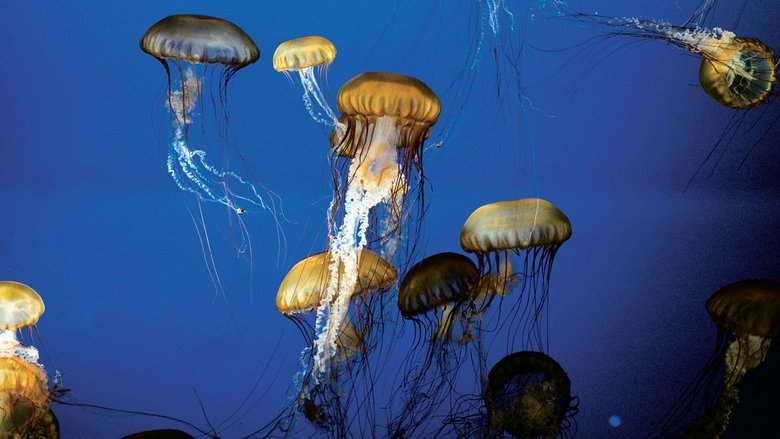
The Living Sea celebrates the beauty and power of the ocean as it explores our relationship with this complex and fragile environment. Using beautiful images of unspoiled healthy waters, The Living Sea offers hope for recovery engendered by productive scientific efforts. Oceanographers studying humpback whales, jellyfish, and deep-sea life show us that the more we understand the ocean and its inhabitants, the more we will know how to protect them. The film also highlights the Central Pacific islands of Palau, one of the most spectacular underwater habitats in the world, to show the beauty and potential of a healthy ocean.
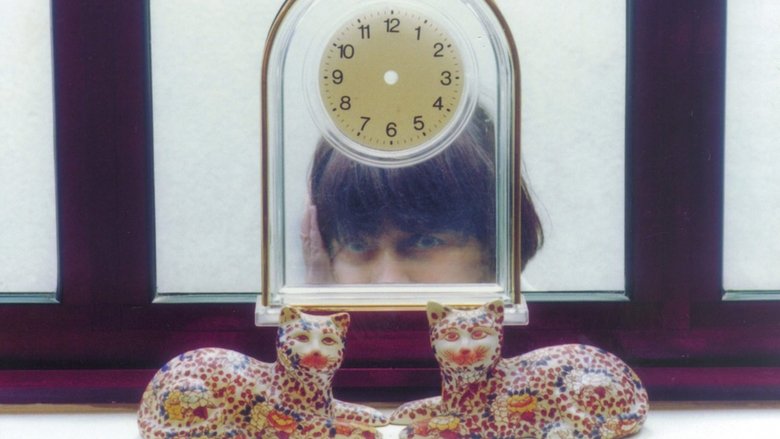
Varda focuses her eye on gleaners: those who scour already-reaped fields for the odd potato or turnip. Her investigation leads from forgotten corners of the French countryside to off-hours at the green markets of Paris, following those who insist on finding a use for that which society has cast off, whether out of necessity or activism.
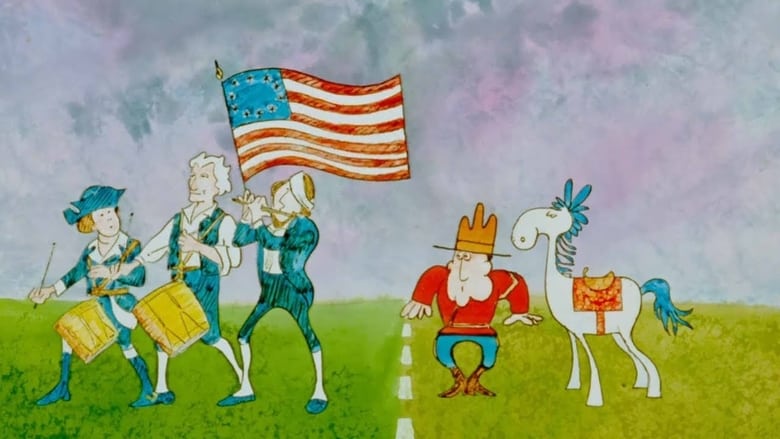
A cartoon film about the whole heterogeneous mixture of Canada and Canadians, and the way the invisible adhesive called federalism makes it all cling together. That the dissenting voices are many is made amply evident, in English and French. But this animated message also shows that Canadians can laugh at themselves and work out their problems objectively.
Yannick Bellon's documentary paints a portrait of a city torn between the problem of unsanitary housing, pollution corroding walls and statues, and the recurring and increasing floods—all consequences of human activity. Faced with job shortages and rampant speculation, the overarching question arises of how industries can coexist with the city of Venice. Allowing them to develop risks destroying it; driving them out risks turning it into a museum, causing its inhabitants, and thus its soul, to leave.