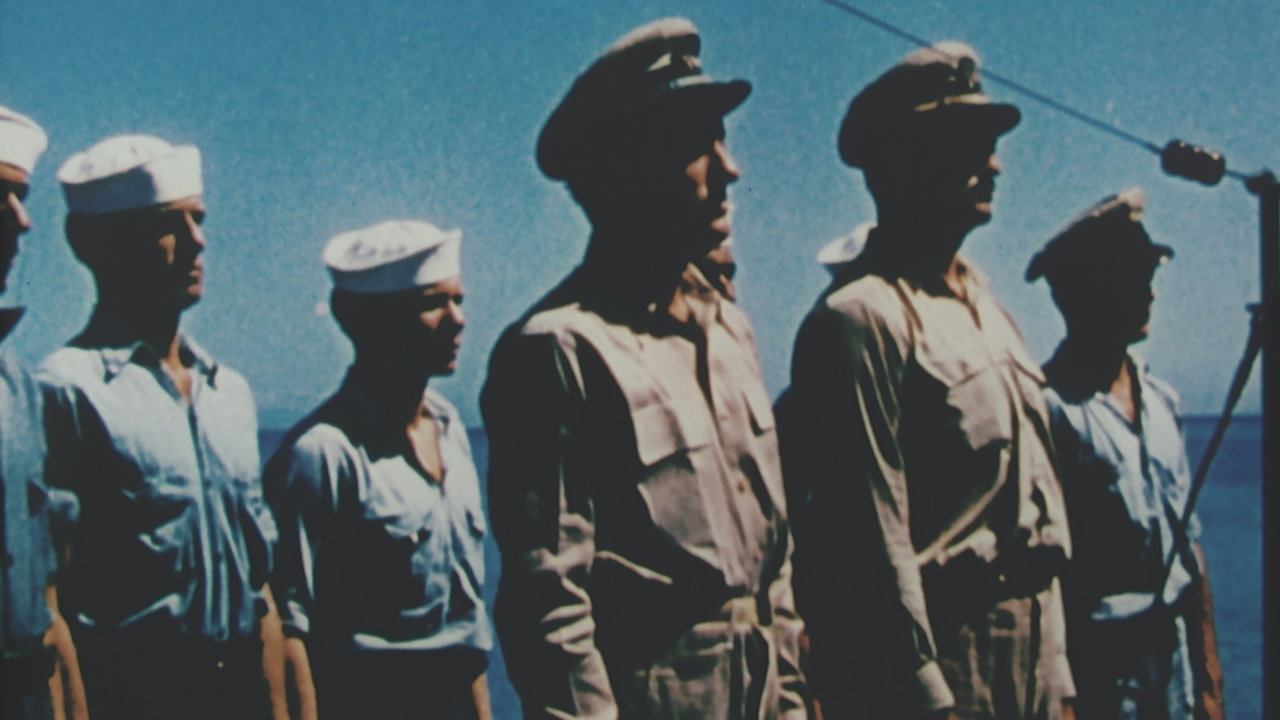
The Battle of Midway (1942)
The Japanese attack on Midway in June 1942, filmed as it happened. Preserved by the Academy Film Archive, in partnership with Twentieth Century Fox Film Corporation, in 2006.
The Japanese attack on Midway in June 1942, filmed as it happened. Preserved by the Academy Film Archive, in partnership with Twentieth Century Fox Film Corporation, in 2006.
 Henry FondaNarrator (voice)
 Jane DarwellNarrator (voice)
 Donald CrispMain Narrator (voice) (uncredited)
 Irving PichelNarrator (voice) (uncredited)
Five marine Operatives are stranded after crash landing in the barren Iraqi desert. They are under strict orders to deliver an important package to Ramadi and they have already been trekking through enemy territory for three days in hopes of completing their mission.
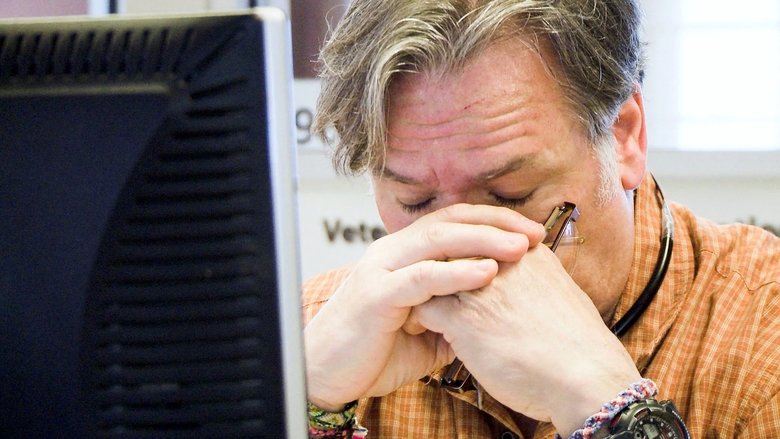
According to the U.S. Department of Veterans Affairs, one veteran dies by suicide in America every 80 minutes. While only 1% of Americans has served in the military, former service members account for 20% of all suicides in the U.S. Based in Canandaigua, NY and open 24 hours a day, 365 days a year, the Veterans Crisis Line receives more than 22,000 calls each month from veterans of all conflicts who are struggling or contemplating suicide. This timely documentary spotlights the traumas endured by America’s veterans, as seen through the work of the hotline’s trained responders. CRISIS HOTLINE captures extremely private moments, where the professionals, many of whom are themselves veterans or veterans’ spouses, can often interrupt the thoughts and plans of suicidal callers to steer them out of crisis.
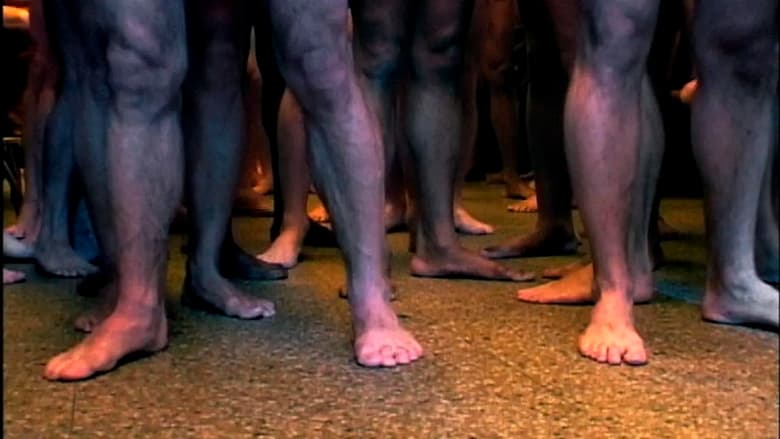
No clothes. No apologies. This film marks artist Spencer Tunick's third 'Naked' documentary which feature photo shoots that create art from the naked bodies of men and women. In this shoot, 85 HIV-positive men and women gather in a downtown Manhattan bar where they bare it all for Tunick's camera, creating an unsentimental look at life with AIDS in America today.
A mini-documentary which further explores allegations made in HBO’s Leaving Neverland, that the King of Pop sexually abused two young boys. Through interviews with those closest to the situation, as well as members of Jackson’s family, the film sheds light on information that was excluded from HBO’s broadcast.
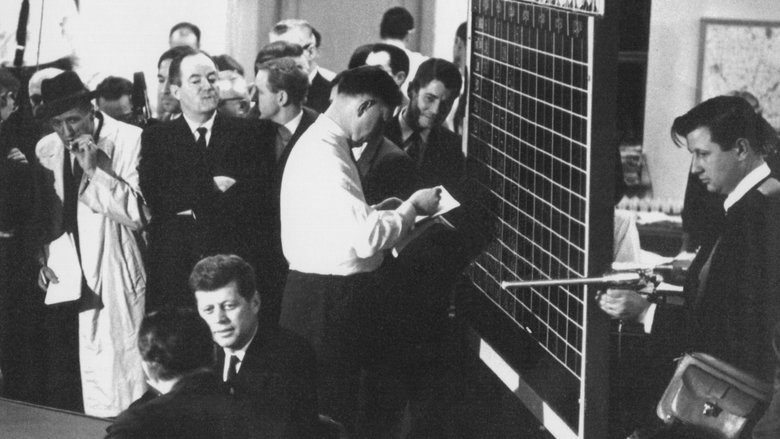
Primary is a documentary film about the primary elections between John F. Kennedy and Hubert Humphrey in 1960. Primary is the first documentary to use light equipment in order to follow their subjects in a more intimate filmmaking style. This unconventional way of filming created a new look for documentary films where the camera’s lens was right in the middle of what ever drama was occurring. Preserved by the Academy Film Archive in partnership with The Film Foundation in 1998.
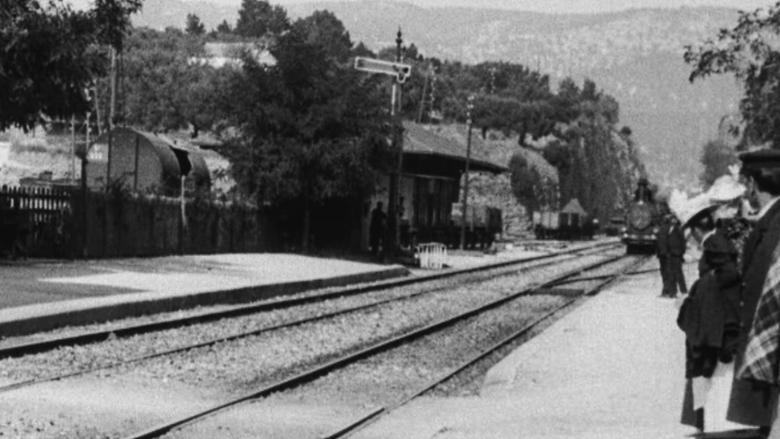
A group of people are standing along the platform of a railway station in La Ciotat, waiting for a train. One is seen coming, at some distance, and eventually stops at the platform. Doors of the railway-cars open and attendants help passengers off and on. Popular legend has it that, when this film was shown, the first-night audience fled the café in terror, fearing being run over by the "approaching" train. This legend has since been identified as promotional embellishment, though there is evidence to suggest that people were astounded at the capabilities of the Lumières' cinématographe.
Warsaw's Central Railway Station. 'Someone has fallen asleep, someone's waiting for somebody else. Maybe they'll come, maybe they won't. The film is about people looking for something.
The story of an English pilot who crashed in the Soviet Union during the Second World War, and whose life is saved by a woman and a boy - two partisans near the enemy lines, Long afterwards in England he remembers the Russians with affection, tells his friends about his experiences, and resolves to go back to find the two partisans his heart remembers.
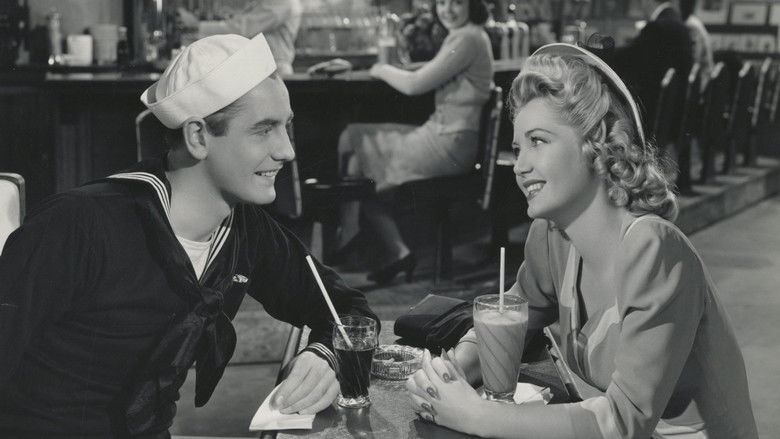
This short film examines the origins of several superstitions including crossing your fingers, knocking on wood, rabbit's feet, and breaking champagne bottles to christen ships, plus the role of superstitions in the Flying Dutchman tale.
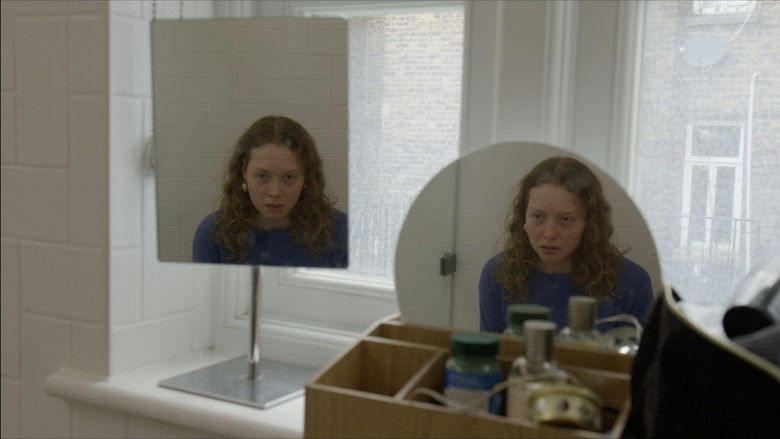
When a student documentary crew decides to interview Julia, a puzzling young woman willing to share her sensitive past, the project grows increasingly uncomfortable for the subject as the director's relentless scrutiny and unethical transgressions soon start to blur the lines between reality and performance.
To mark the 70th anniversary of the Dunkirk evacuation, Dan Snow tells the story of the 'little ships' which made the perilous cross-channel voyage, as 50 of them return to France.
A young Czech boy is freed from a concentration camp and now is working for the army against the Germans.
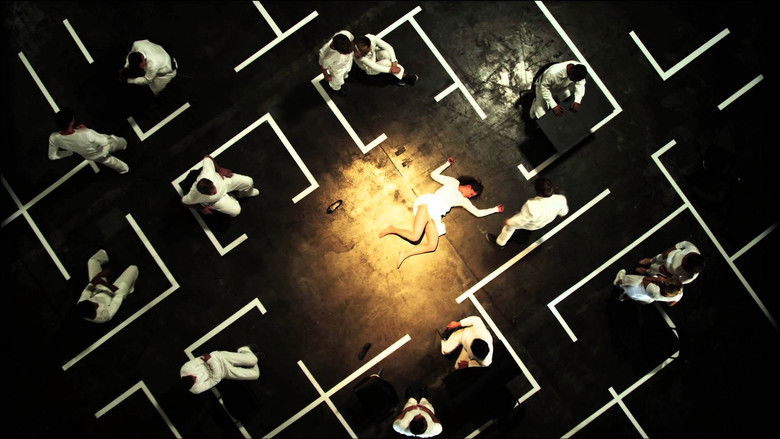
Das radikal Böse is a German-Austrian documentary that attempted to explore psychological processes and individual decision latitude "normal young men" in the German Einsatzgruppen of the Security Police and SD, which in 1941 during the Second World War as part of the Holocaust two million Jewish civilians shot dead in Eastern Europe.
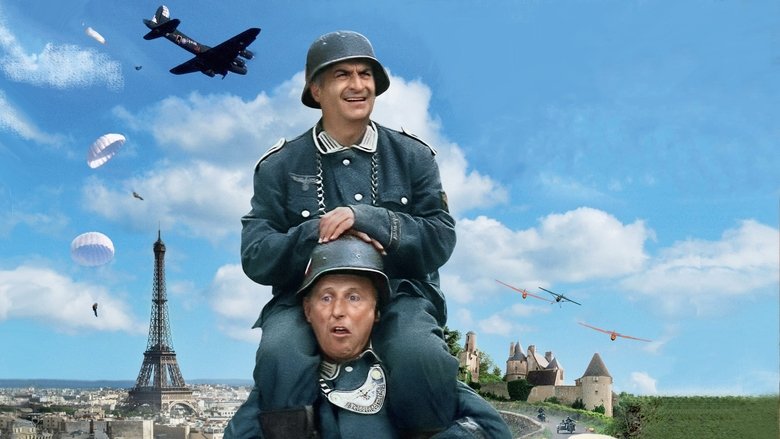
During World War II, two French civilians and a downed British Bomber Crew set out from Paris to cross the demarcation line between Nazi-occupied Northern France and the South. From there they will be able to escape to England. First, they must avoid German troops – and the consequences of their own blunders.
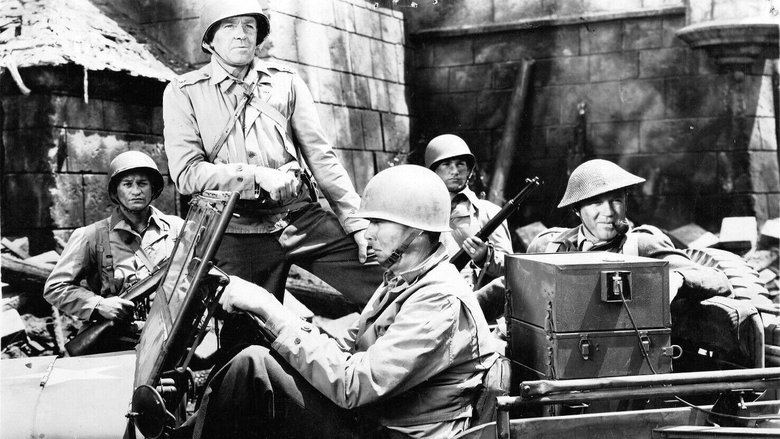
When allied troops liberate a small battle-scarred Belgium town in 1944 the American and British commanders do all they can to help the war-weary people back on their feet. There are mental and physical wounds to heal, fields to plough, the church to rebuild. But a top Nazi, knowing the War is lost, has infiltrated the town and is fostering dissent and disunity.
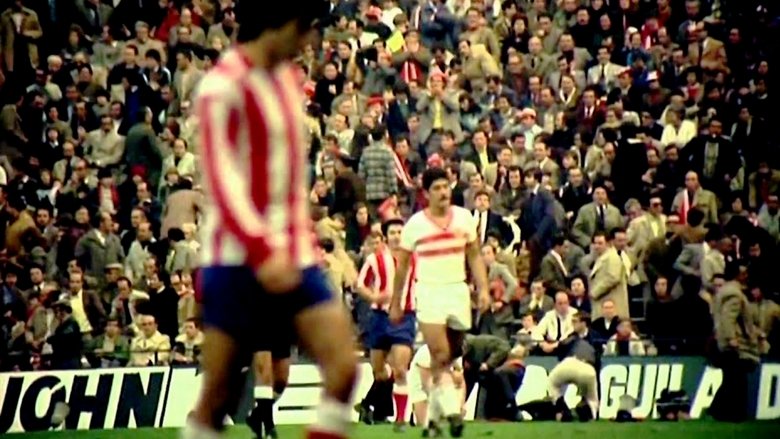
Any given Sunday of 1974 in Spain, soccer games in several stadiums, the sarcastic voice of commentators, the inevitable presence of advertising. Goal! The victors and the defeated.
With an off beat sense of humour, the film looks at the politics and glamour of lipstick and the dilemmas of the modern woman in a marketed world.
Through one woman's experience as an adopted person and also as a mother who relinquished her child in 1971, this documentary highlights the many complex issues associated with adoption.
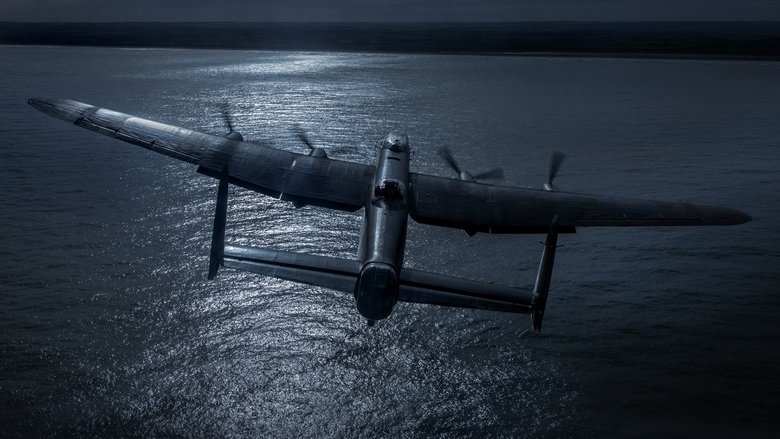
The story of the iconic WW2 bomber told through the words of the last surviving crew members, re-mastered archive material and extraordinary aerial footage of the RAF’s last airworthy Lancaster.
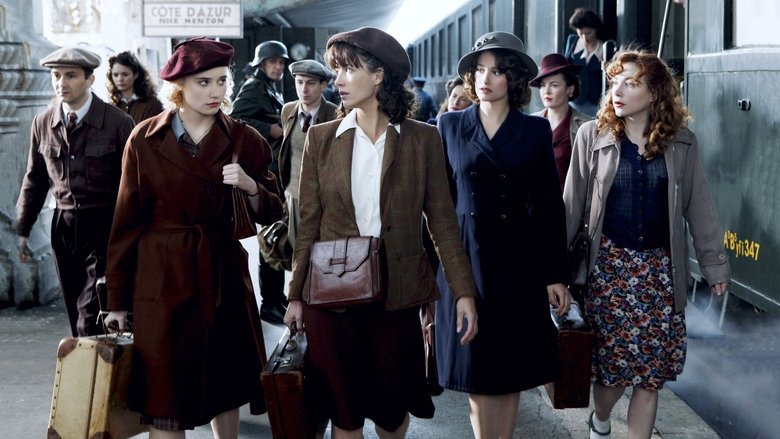
May 1944, a group of French servicewomen and resistance fighters are enlisted into the British Special Operations Executive commando group under the command of Louise Desfontaines and her brother Pierre. Their mission, to rescue a British army geologist caught reconnoitering the beaches at Normandy.