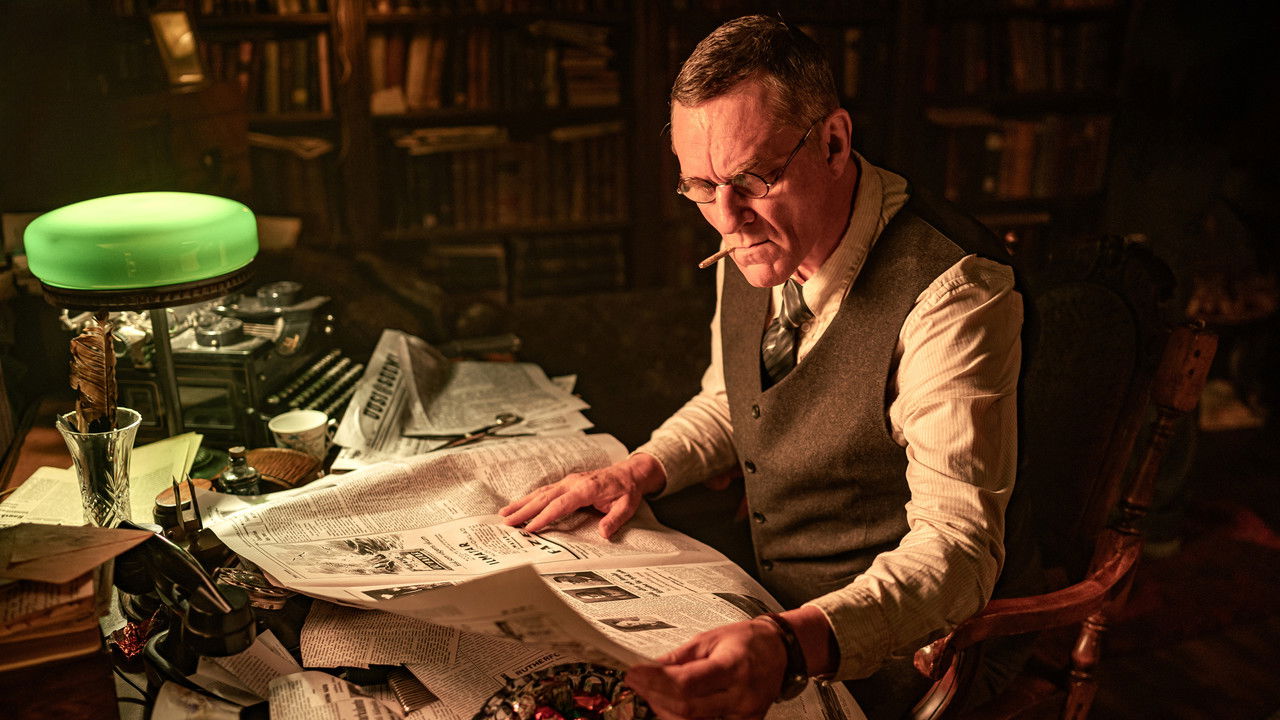
Never Alone (2025)
1942. The State of Finland has formed an alliance with Nazi Germany. An elderly man single-handedly tries to stop a secret attempt by the Finnish State Police to hand over Jewish refugees directly to the Gestapo.
1942. The State of Finland has formed an alliance with Nazi Germany. An elderly man single-handedly tries to stop a secret attempt by the Finnish State Police to hand over Jewish refugees directly to the Gestapo.
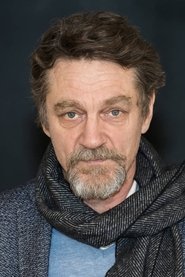 Ville VirtanenAbraham Stiller
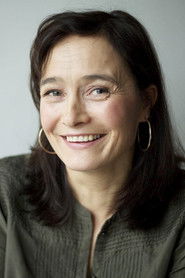 Nina HedströmVera Stiller
 Rony HermanGeorg Kollman
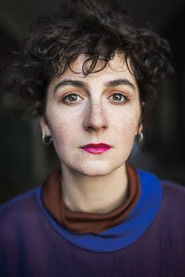 Naemi LatzerJanka Kollman
 Kari HietalahtiArno Anthoni
 Peter KanervaDetective Kauhanen
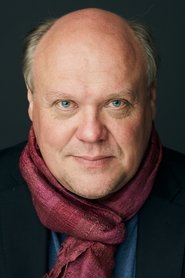 Hannu-Pekka BjörkmanCabinet Minister Tanner
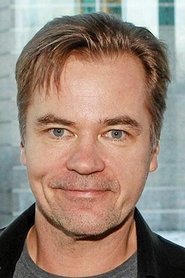 Carl-Kristian RundmanCabinet Minister Horelli
 Satu Tuuli KarhuJournalist
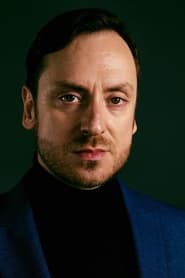 Rain TolkHeinrich Huppert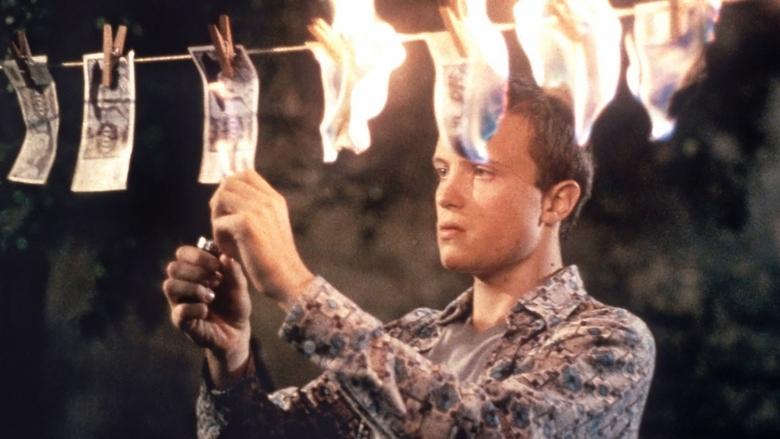
The movie's plot is based on the true story of a group of young computer hackers from Hannover, Germany. In the late 1980s the orphaned Karl Koch invests his heritage in a flat and a home computer. At first he dials up to bulletin boards to discuss conspiracy theories inspired by his favorite novel, R.A. Wilson's "Illuminatus", but soon he and his friend David start breaking into government and military computers. Pepe, one of Karl's rather criminal acquaintances senses that there is money in computer cracking - he travels to east Berlin and tries to contact the KGB.
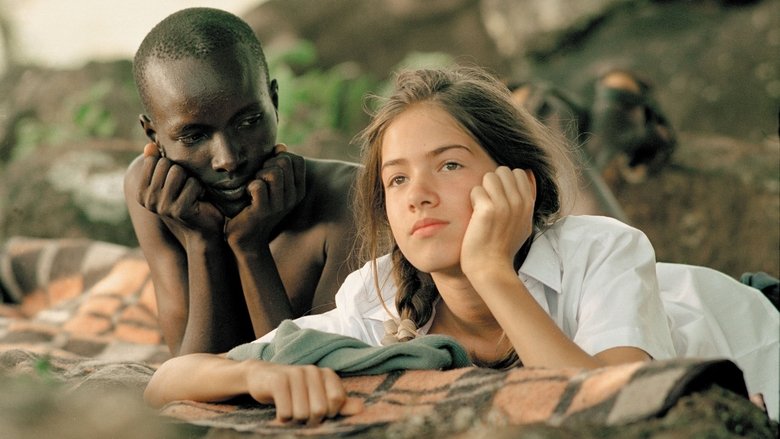
A Jewish woman named Jettel Redlich flees Nazi Germany with her daughter Regina, to join her husband, Walter, on a farm in Kenya. At first, Jettel refuses to adjust to her new circumstances, bringing with her a set of china dishes and an evening gown. While Regina adapts readily to this new world, forming a strong bond with her father's cook, an African named Owuor.
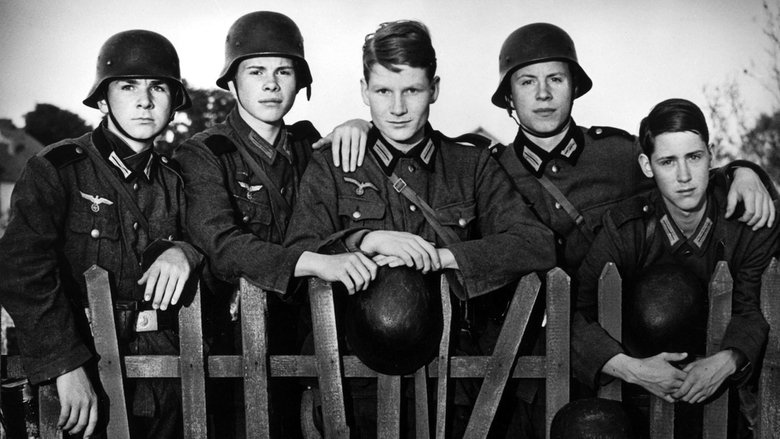
A group of German boys are ordered to protect a small bridge in their home village during the waning months of the second world war. Truckloads of defeated, cynical Wehrmacht soldiers flee the approaching American troops, but the boys, full of enthusiasm for the "blood and honor" Nazi ideology, stay to defend the useless bridge. The film is based on a West German anti-war novel of the same name, written by Gregor Dorfmeister.
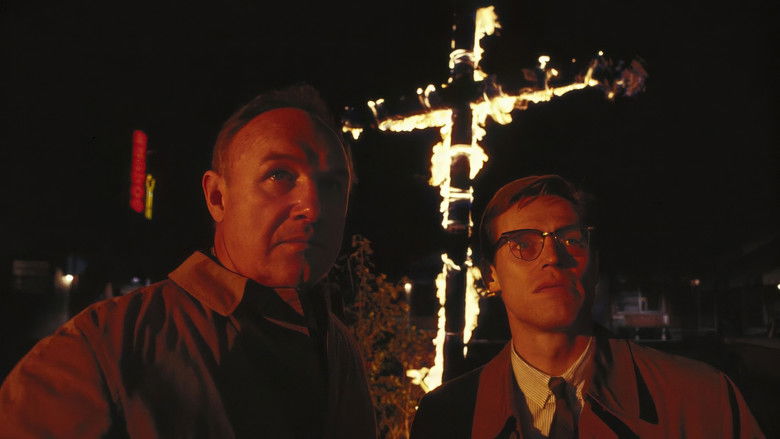
Two FBI agents investigating the murder of civil rights workers during the 60s seek to breach the conspiracy of silence in a small Southern town where segregation divides black and white. The younger agent trained in FBI school runs up against the small town ways of his partner, a former sheriff.

A young teacher inspires her class of at-risk students to learn tolerance, apply themselves, and pursue education beyond high school.

From double BAFTA nominated Writer and Director John Walsh. Monarch is part fact, part fiction and unfolds around one night when the injured ruler arrives at a manor house closed for the season.
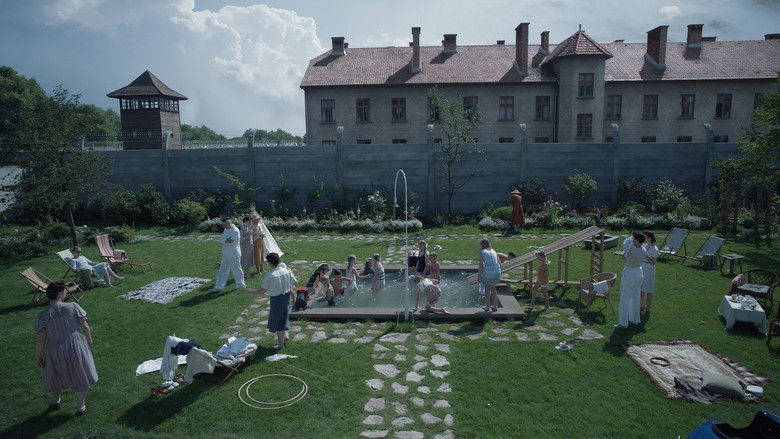
The commandant of Auschwitz, Rudolf Höss, and his wife Hedwig, strive to build a dream life for their family in a house and garden next to the camp.
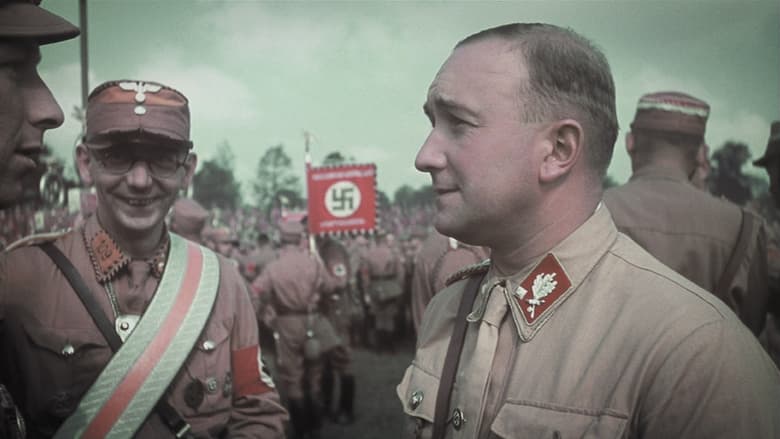
What would your family reminiscences about dad sound like if he had been an early supporter of Hitler’s, a leader of the notorious SA and the Third Reich’s minister in charge of Slovakia, including its Final Solution? Executed as a war criminal in 1947, Hanns Ludin left behind a grieving widow and six young children, the youngest of whom became a filmmaker. It's a fascinating, maddening, sometimes even humorous look at what the director calls "a typical German story." (Film Forum)
The true story of a group of Czechoslovak citizens who are building a paper industry in Alto Catumbela, Angola, as part of economic development aid. Based on a true story, the film describes the raid on the settlement, the kidnapping by UNITA gunmen, the hardships of the devastating march and the mental and physical exhaustion resulting from the situation.
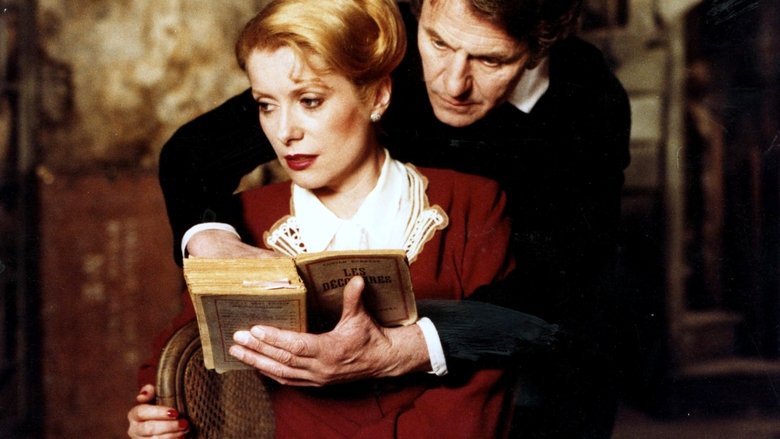
In occupied Paris, an actress wed to a Jewish theater owner must keep him hidden from the Nazis while doing both of their jobs.
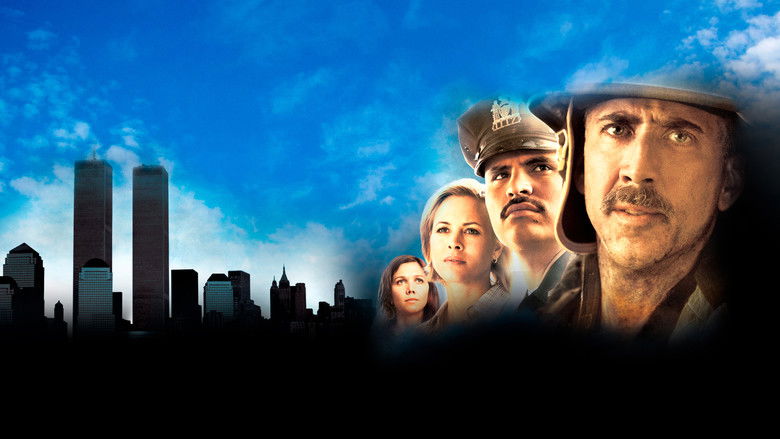
Two police officers struggle to survive when they become trapped beneath the rubble of the World Trade Center on September 11, 2001.
This is the true story about a group of Romani's (gypsy) in occupied Poland during World War II as they confront the atrocities and tragedies of a forgotten holocaust.
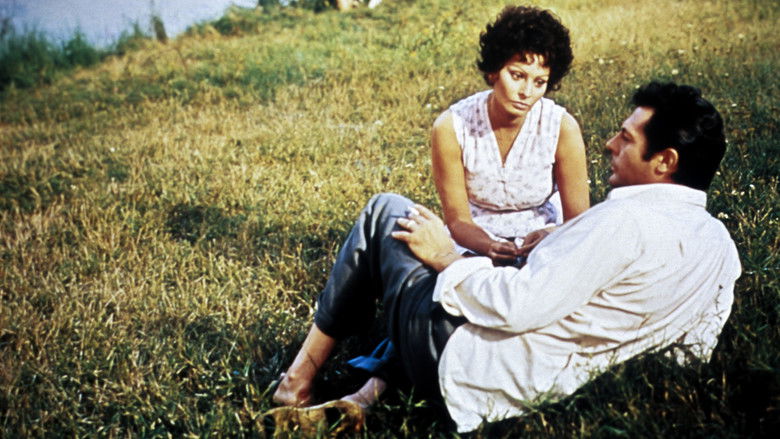
After World War II, a woman refuses to believe her husband, missing on the Russian front, is dead. Flashbacks reveal their brief courtship and marriage. Years later, she travels to Russia with his photo, determined to find him. What will she discover?
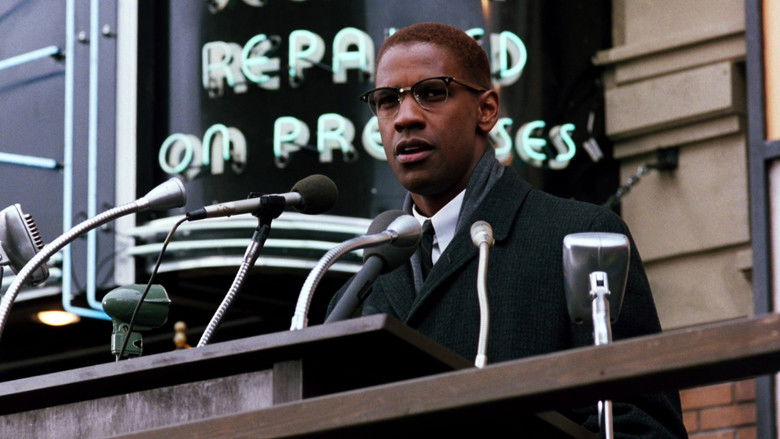
A tribute to the controversial black activist and leader of the struggle for black liberation. He hit bottom during his imprisonment in the '50s, he became a Black Muslim and then a leader in the Nation of Islam. His assassination in 1965 left a legacy of self-determination and racial pride.
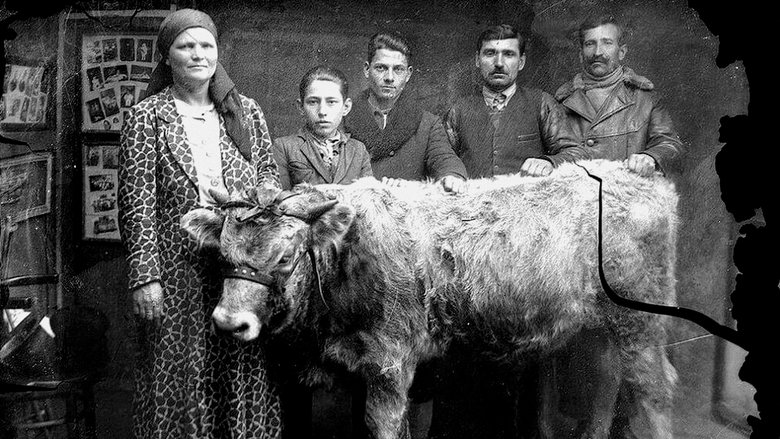
A documentary-essay which shows Costică Axinte's stunning collection of pictures depicting a Romanian small town in the thirties and forties. The narration, composed mostly from excerpts taken from the diary of a Jewish doctor from the same era, tells the rising of the antisemitism and eventually a harrowing depiction of the Romanian Holocaust.
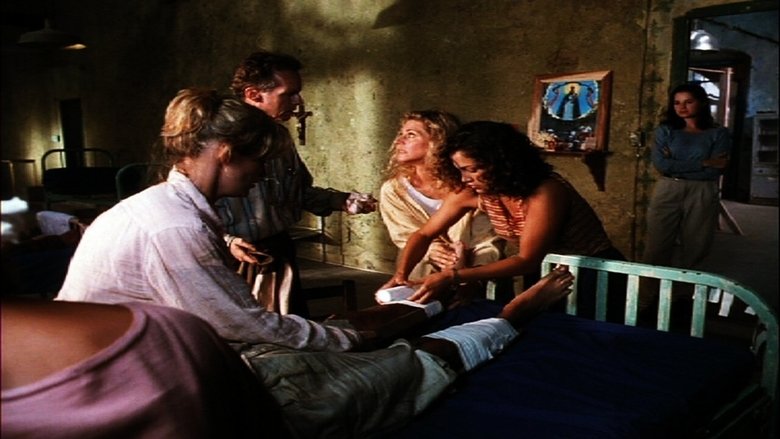
Student nurses join some doctors to work in a medical station a few hours flying-time from the Mexican town of Catamaco. One of their planes goes down due to an engine malfunction and crashes in the rain forest. This is the story of the attempts to save the lives of the passengers (both nurses and doctors).
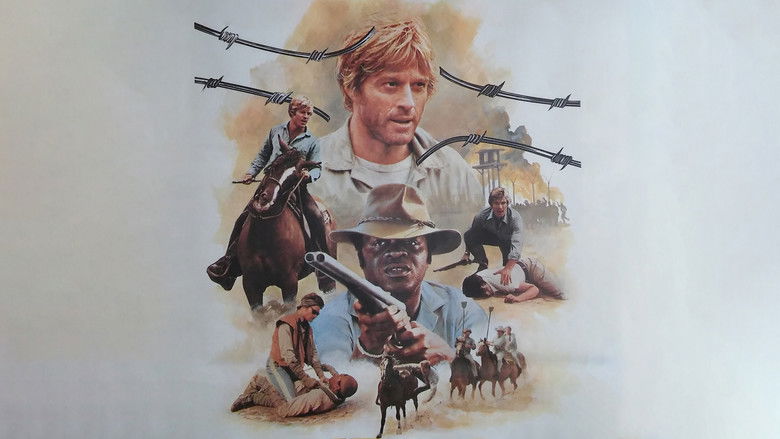
The new warden of a small prison farm in Arkansas tries to clean it up of corruption after initially posing as an inmate.

In a French forest circa 1798, a child–who cannot walk, speak, read or write–is found. A doctor becomes interested in the case and patiently attempts to civilise the boy.
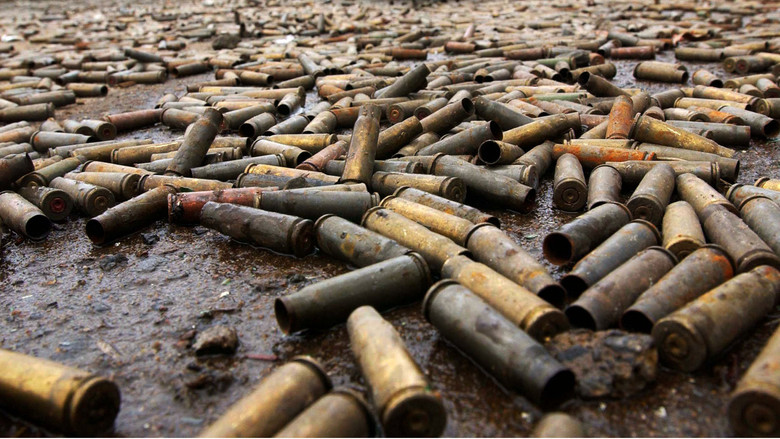
Yuri Orlov is a globetrotting arms dealer and, through some of the deadliest war zones, he struggles to stay one step ahead of a relentless Interpol agent, his business rivals and even some of his customers who include many of the world's most notorious dictators. Finally, he must also face his own conscience.
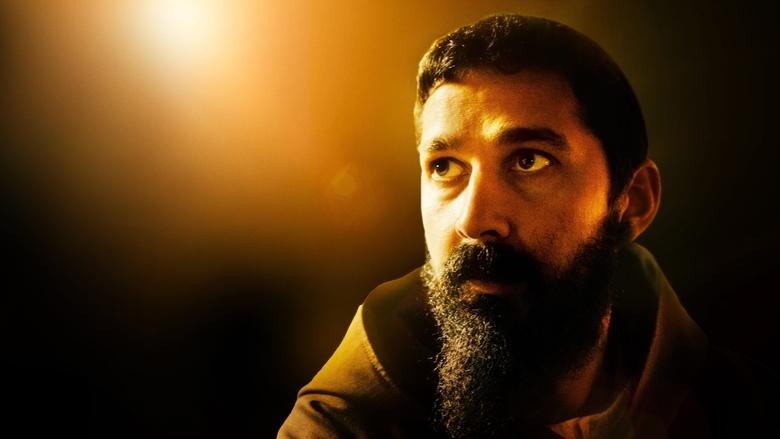
It is the end of World War I and the young Italian soldiers are making their way back to San Giovanni Rotondo, a land of poverty, with a tradition of violence and submission to the iron-clad rule of the church and its wealthy landowners. Families are desperate, the men are broken, albeit victorious. Padre Pio also arrives, at a remote Capuchin monastery, to begin his ministry, evoking an aura of charisma, saintliness and epic visions of Jesus, Mary and the Devil himself. The eve of the first free elections in Italy sets the stage for a massacre with a metaphorical dimension: an apocalyptic event that changes the course of history.