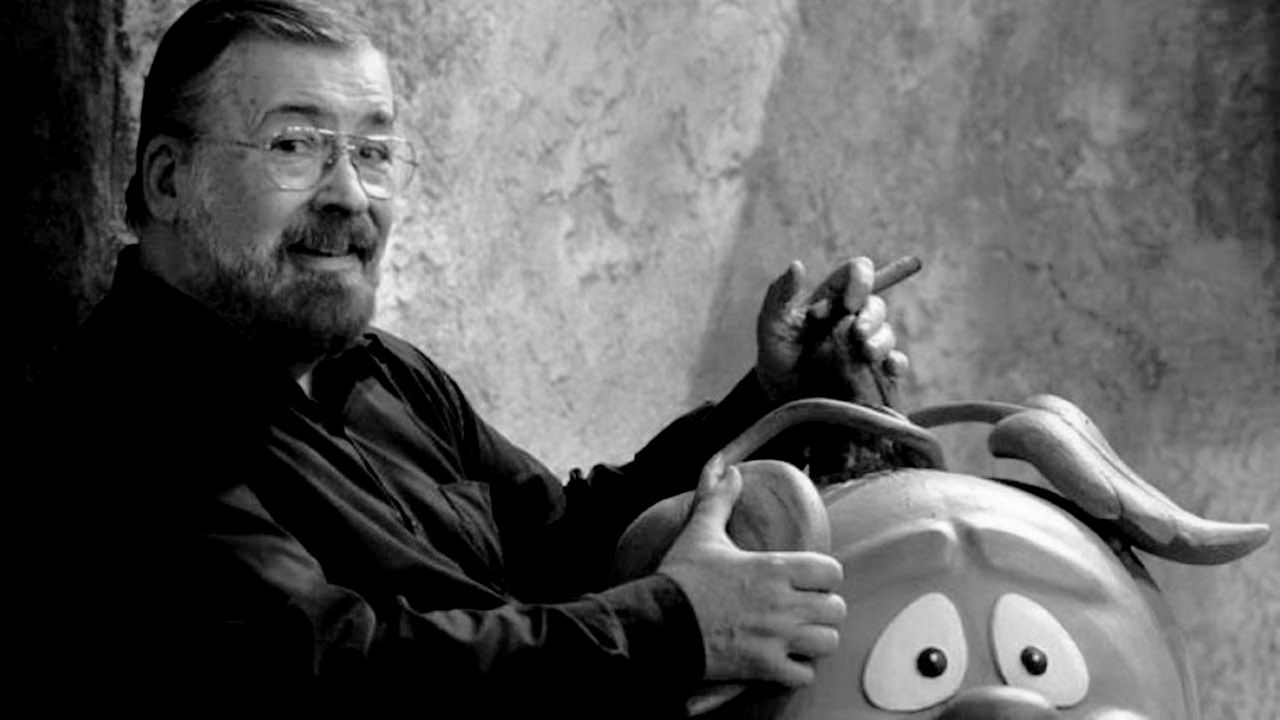
Narciso Ibáñez Serrador: historias para recordar (2017)
How the Uruguayan-Spanish actor, writer, producer and director Narciso «Chicho» Ibáñez Serrador changed forever the way of producing programs for Spanish television.
How the Uruguayan-Spanish actor, writer, producer and director Narciso «Chicho» Ibáñez Serrador changed forever the way of producing programs for Spanish television.
 Chicho Ibáñez SerradorSelf - Filmmaker
 Alejandro Ibáñez NautaSelf - SonAlejandro Macías BlancoSelf - Journalist
 Álex de la IglesiaSelf - FilmmakerAlfredo AmestoySelf - TV HostBorja TeránSelf - JournalistCarlos UrrutiaSelf - ActorConcepción CascajosaSelf - Academic ResearcherConsuelo BerlangaSelf - TV Host
 Eduardo AldánSelf - Comedian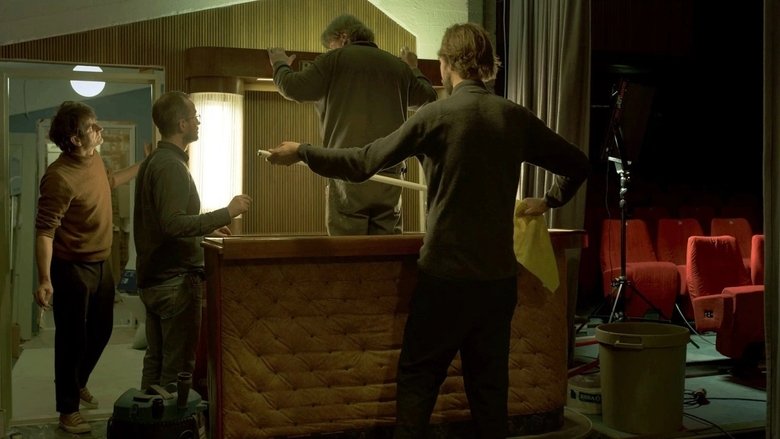
In the heart of the Finnish forest, the long-closed foundry of the little town of Karkkila has come back to life thanks to director Aki Kaurismäki and his creation of the town's first cinema. The peace and calm of the little town of Karkkila, nestled deep in the Finnish forest, is interrupted by unexpected sounds. In the abandoned foundry, noisy building work is taking place. Inside the building, Aki Kaurismäki is both builder and site manager of what is soon to become the Kino Laika cinema. The creation of the cinema is the talk of the town. In the factory still in activity, in a 1960s Cadillac, in a bikers' club, in the local pub, in the woods or in Aki Kaurismäki's former editing room, people start talking about cinema again.
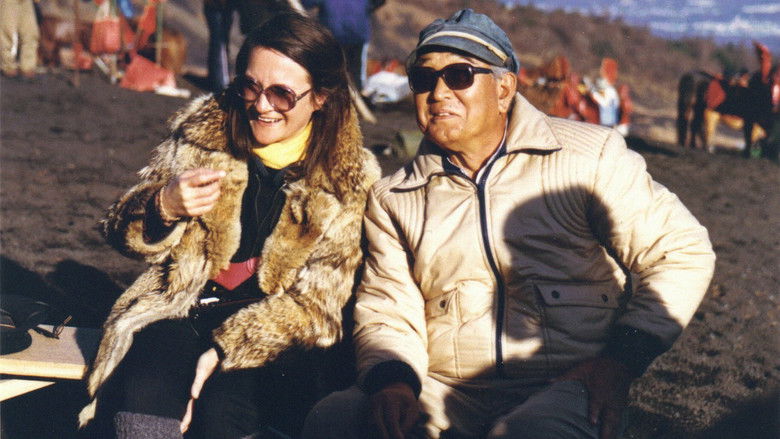
Eleven major film makers from Europe, America and Asia talk about Akira Kurosawa and discover surprising influences on their own work.
Biography on the famous writer-director, Billy Wilder.
A portrait of a relationship between three generations and how it shifts between the search for closeness, understanding and acceptance, as the teenage son steps closer to adulthood. The film continues to follow the lives of Tero and his son Henri, both previously featured in Kärkkäinen’s documentary The Living Room of a Nation.
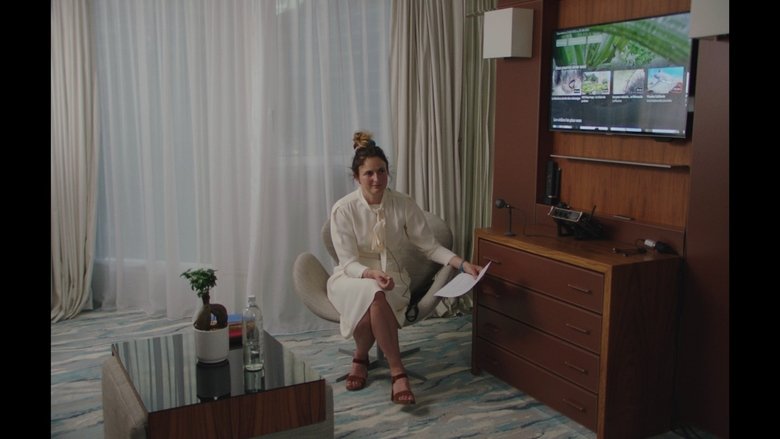
In 1982, Wim Wenders asked 16 of his fellow directors to speak on the future of cinema, resulting in the film Room 666. Now, 40 years later, in Cannes, director Lubna Playoust asks Wim Wenders himself and a new generation of filmmakers (James Gray, Rebecca Zlotowski, Claire Denis, Olivier Assayas, Nadav Lapid, Asghar Farhadi, Alice Rohrwacher and more) the same question: “is cinema a language about to get lost, an art about to die?”
When World War II broke out, John Ford, in his forties, commissioned in the Naval Reserve, was put in charge of the Field Photographic Unit by Bill Donavan, director of the soon-to-be-OSS. During the war, Field Photo made at least 87 documentaries, many with Ford's signature attention to heroism and loss, and many from the point of view of the fighting soldier and sailor. Talking heads discuss Ford's life and personality, the ways that the war gave him fulfillment, and the ways that his war films embodied the same values and conflicts that his Hollywood films did. Among the films profiled are "Battle of Midway," "Torpedo Squadron," "Sexual Hygiene," and "December 7."
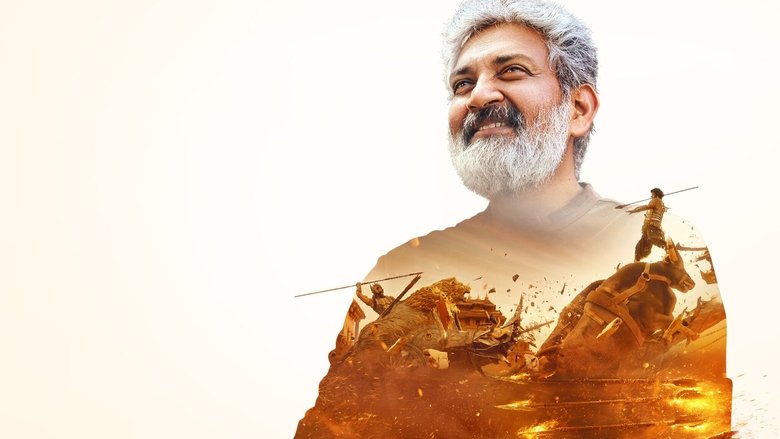
Highlights Rajamouli’s influence on Indian and international cinema, with interviews and behind-the-scenes footage.
A television documentary on the life and career of British film director David Lean. Scenes of Lean directing are intercut with personal interviews in which the director explains his methods, the beginnings of his career, and his relationships with actors and actresses.
A journey through the work of Spanish filmmaker Juan Piquer Simón (1935-2011).

Nagisa Oshima interviews Akira Kurosawa, leading him to share his thoughts about filmmaking, his life and works, and numerous anecdotes relating to his films and his various film activities.
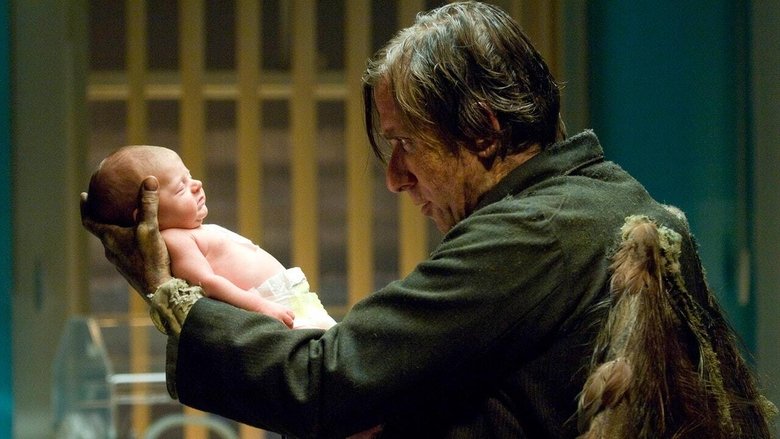
An ordinary boy named Michael is going through some extraordinary changes in his life. His family has just moved into an unfamiliar house, and his brand new baby sister has fallen ill. One day, while cleaning out the garden shed, he stumbles across something mysterious, a strange creature huddled in the corner; weak of body but strong of will. This is Skellig.
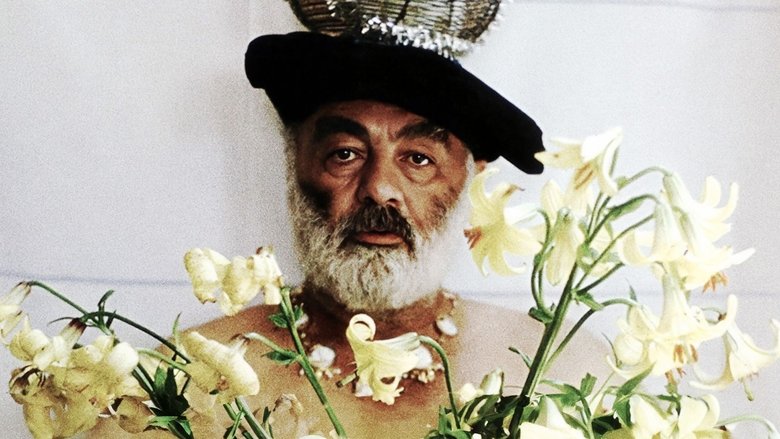
The author of the film decides to leave the country where she lives, in connection with the outbreak of the dramatic events, and return home to Armenia in search of a worthy example and solutions on how to live on. Paradjanov's house becomes a place of inspiration and a point of no return to toxic reality.
A documentary on the life and career of filmmaker Edward D. Wood Jr., with clips from his films and interviews with the cast and crews of some of his films.
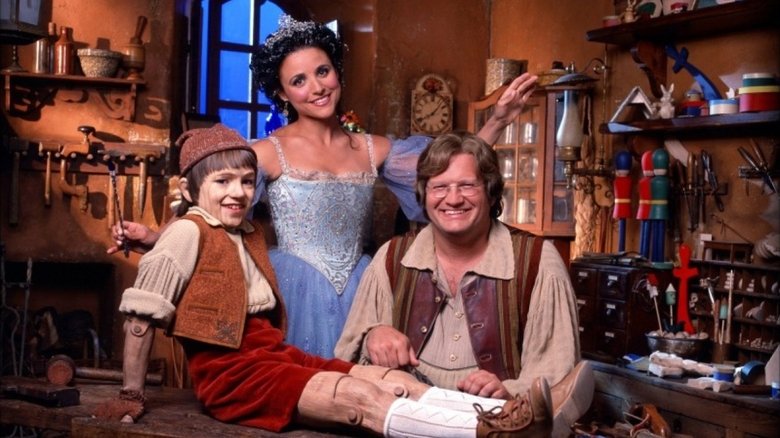
Toymaker Geppetto is desperate for a son, so he is overjoyed when a wooden puppet boy, Pinocchio, is magically brought to life. However, the relationship between father and son soon sours, and Pinocchio runs away to join a travelling puppet show. This forces Geppetto to realise how much he loves Pinocchio, and he sets out on an eventful journey to find him.
Hour long documentary on the legendary director.
Directed by Patrick Gramm, 'The Pigeon People' (2023) takes you deep into Arizona's underground pigeon racing scene as racing rivals prepare for and compete in the Grand Canyon Classic - a 350-mile pigeon race from Utah to Arizona that crosses over the Grand Canyon.
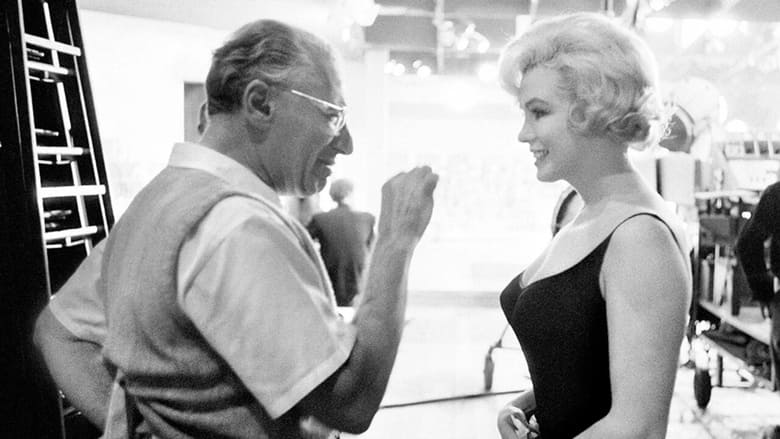
Widely thought of as “a woman’s director,” legendary film director George Cukor is profiled with the use of film clips and interviews with his friends and colleagues to provide a picture of the director’s unique accomplishments and to trace the arc of his career.
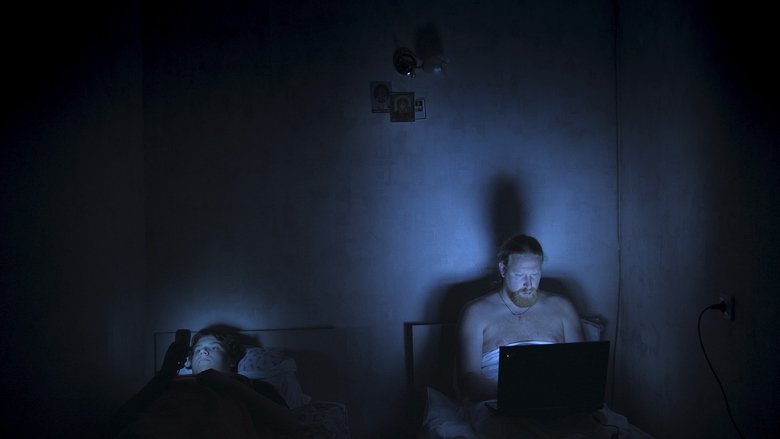
Father and son Vít and Grisha travel to Russia to visit the boy’s mother and sister. Why did their previously harmonious family split in two? A documentary road movie about the distance between two Slavic countries, the difficulties of fatherhood and puberty, and the alienation between people who should, in theory, be the closest of all.
Actors Anne Dorval, Suzanne Clément, Monia Chokri, Gaspard Ulliel, Vincent Cassel, Niels Schneider and Melvil Poupaud discuss working with the young Canadian director Xavier Dolan, who has conquered the hearts of both cinema lovers and prestigious festival juries with his films. To French actress Nathalie Baye, he seems very experienced despite his young age, while Cannes Director Thierry Frémaux says he may be insolent, but everyone agrees he is passionate, creative, a perfectionist and... in a hurry.
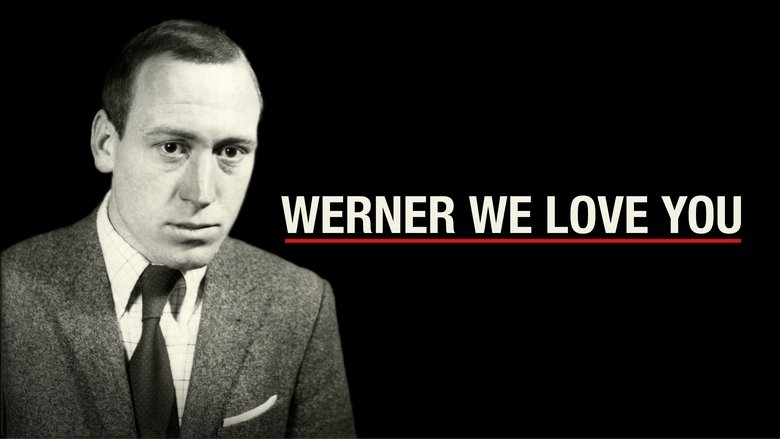
When Werner Herzog was still a child, his father was beaten to death before his eyes. His mother was overwhelmed with his upbringing and thereupon shipped him off to one of the toughest youth welfare institutions in Freistatt. This was followed by a career as a bouncer in the city's most notorious music club and an attempt to start a family. Today, the 77-year-old from Bielefeld lives with his dog Lucky in a lonely house in the country. Despite adverse living conditions, he has survived in his own unique and inimitable way.