
Wild Boar Hunt (1940)
This short film showcases the skills of Howard Hill, known as the "World's Greatest Archer".
This short film showcases the skills of Howard Hill, known as the "World's Greatest Archer".
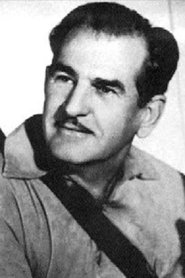 Howard HillHimself
 Knox ManningNarrator (voice)Buster WilesFarmer (uncredited)
Peter Gimbel and a team of photographers set out on an expedition to find and film, for the very first time, Carcharodon carcharias—the Great White Shark. The expedition lasted over nine months and took the team from Durban, South Africa, across the Indian Ocean, and finally to southern Australia.
Hunters have disappeared from wildlands without a trace for hundreds of years. David Paulides presents the haunting true stories of hunters experiencing the unexplainable in the woods of North America.
An ethnographic documentary following four Ju/’hoansi (!Kung) men during a multi-day giraffe hunt in the Kalahari Desert, filmed during the Smithsonian–Harvard Peabody expedition of 1952–53.
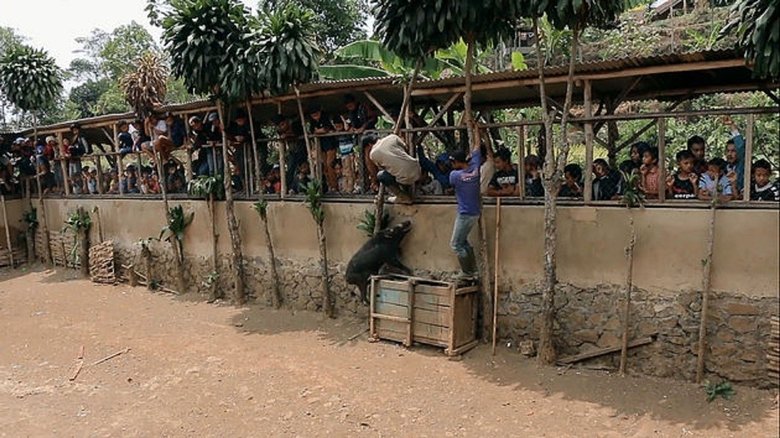
A family in rural area of West Java, Indonesia enjoys their time with 'Ngadu Bagong', a sundanese traditional game where dogs put to fight against a wild boar in a single event. Ngadu Bagong has always been some sort of animal abuse but it's been in the tradition for a long time. Ade Rohmat has been in the game for a long time; a hobby that he now passes on to his daughter, Ilma Nurjanah. The potentially controversial Ngadu Bagong has always brought intense emotion, prestige, and fortune upon its practicioners.
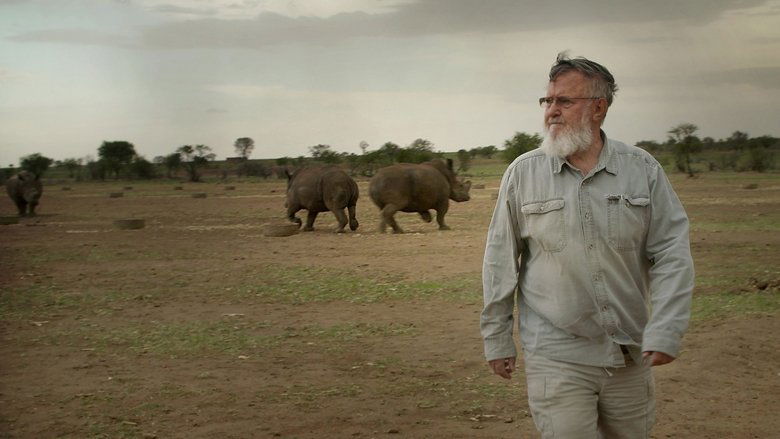
This in-depth look into the powerhouse industries of big-game hunting, breeding and wildlife conservation in the U.S. and Africa unravels the complex consequences of treating animals as commodities.
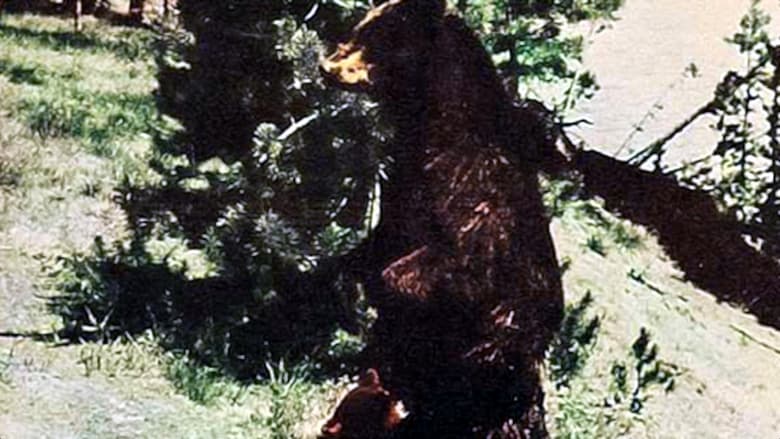
Archery expert Howard Hill and a cameraman go to Wyoming to film this wild-animal three-reel short. Besides the scenery, the scenes include a buffalo killed by an arrow shot by Hill (for food); a wildcat and a coyote in a battle, and a fight-to-the-death between a mother bear protecting her cubs against a killer male bear.
This grisly documentary presents horrifying journalistic footage of suicides, assassinations, bombings, mob hits, decapitations, and more in bloody detail. Not for the faint of heart.
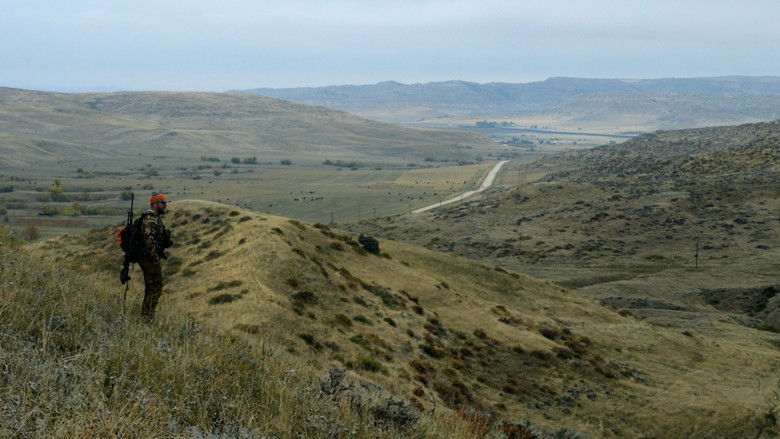
Amidst Wyoming's rugged beauty, an experienced hunter confronts the challenges of tracking wild game and forges lifelong bonds within his friendships.
This short follows two duck hunters in the Sacramento River Valley.

In Missing 411: The UFO Connection, David Paulides continues the story of people who vanish in the wild without a trace. In his third documentary, David reveals the first evidence documenting a link between UFOs and missing people.
Mr. Burbridge's party slew three giant gorillas, one weighing something like 450 pounds. Two of these were sent to the Belgian Government and one to the Smithsonian Institution. The explorer also brought away with him three young gorillas, one of which weighed 125 pounds and put up a good battle before he surrendered. Mr. Burbridge shows some amusing scenes with these animals, one of them being that of a young gorilla who insists on getting tangled up in a drum of film. (cont. http://www.nytimes.com/movie/review?res=9B04E5D7143CEE3ABC4C52DFB467838D639EDE)
A young boy from the Dakota prairies grows up heeding the "call of the wilderness." He hunts for pheasant in the Illinois cornfields; ducks and geese in the northern lakes; deer in the Dakota Bad Lands; mountain sheep, goats, caribou, moose, and mountain lions in British Columbia and the Yukon; and brown bears on the Alaskan peninsula. He fishes in British Columbia's mountain streams for grayling and along the Bering Sea coast for trout. The film includes footage of swans, eagles, cnd ptarmigans; a beaver colony repairing a dam; battling rams; and sheep at rest in the mountains.
In the estuaries and lagoons of the Northern Territory, freshwater and saltwater crocodile are hunted for their hides by both Indigenous and non-Indigenous hunters. This film shows Aboriginal people using age-old hunting techniques to land crocs either for food or for skins. The methods employed by the professional hunters, who earn as much as 3000 pounds during the season, are also depicted, followed by a brief look at how the hides are skinned and prepared before being transported to the leather factories of Sydney and Melbourne.
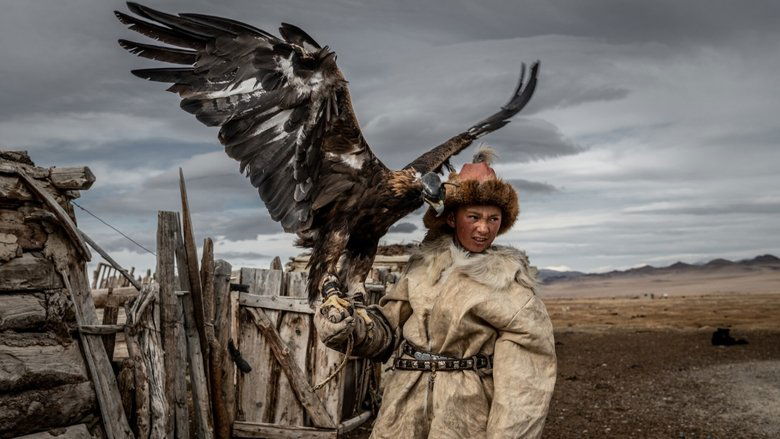
Semi-documentary exposé of scandalous hunting practices in the Sologne, a wooded area south of Orléans where he shared a house at the time. The film, part tribute to Jean Renoir's The Rules of the Game (1939) and its celebrated hunting scene, is notable for its cinematography by Polish director Walerian Borowczyk.
Nisa Ward’s film seeks to expose the hidden realities of hunting – via footage of hunters’ aggressive interactions with hunt monitors and their effect on other inhabitants of the countryside – and show what a repeal of the ban would mean.
Russian hunters on horse and a pack of borzois hunt down and kill a wolf.
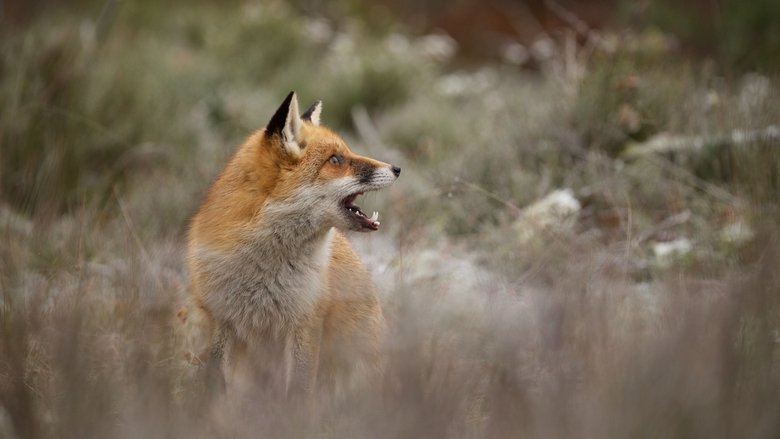
From the imposing mating call of the red deer and the flight of the buzzard to the hunt of the fox and the micro-ecosystem on a massive oak: nature documentarist Luc Enting recorded it all for his stunning feature film Wild Heart of Holland, produced by PVPictures. The result of his efforts is an exciting, moving and often humorous film, revealing the beauty and diversity of this wild park in every season. We also watch the main characters grow up to adulthood, a path inevitably dogged with challenges. Enting: “To me, this park, in any season, has an almost un-Dutch beauty. It is the largest continuous nature reserve in northwest Europe with an incredible variety of landscapes and life. It has forests, heath, sand drifts, brooks and pushed moraines. With my film, I would like to give a new insight into its incredibly diverse nature.”
Two hunters set out on safari with their African guide. They observe zebras, an ostrich, and a hippopotamus, capture a monkey, and camp for the night. After a lion kills their goat and horse, they shoot it by the water’s edge and later kill a second. The animals are skinned, and the hunters relax with cigarettes beside their trophies. (Note: Produced by Nordisk Film in 1907, Løvejagten gained notoriety because founder Ole Olsen purchased lions from Copenhagen Zoo, released them on an island, and filmed their killing. Supplemented with zoo footage to simulate Africa, the film caused public outrage yet drew huge audiences, establishing Nordisk’s reputation worldwide.)
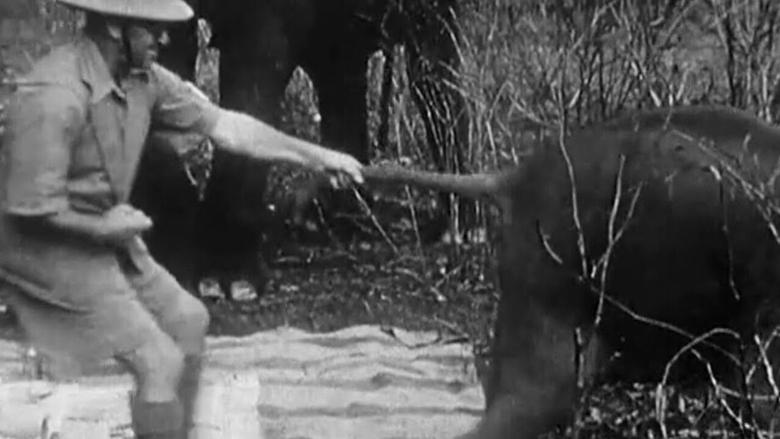
Indian elephants in action as working animals and in hunting.