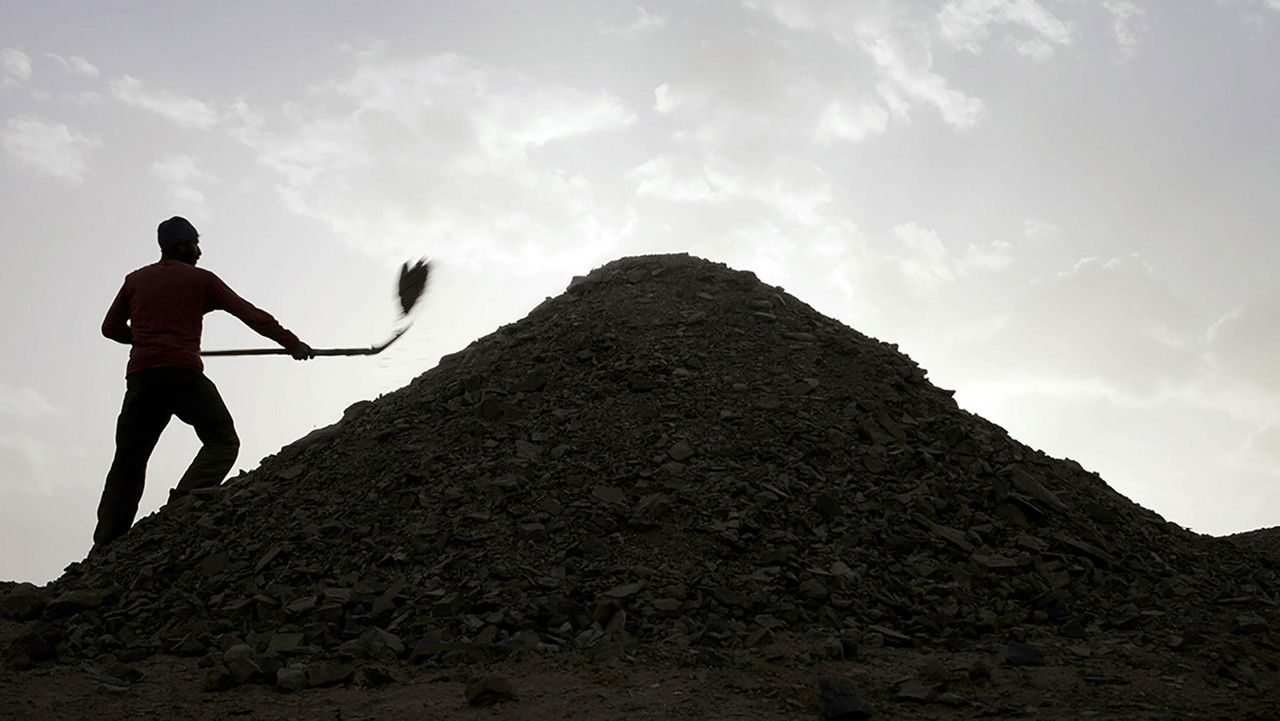
Sisyphus (2018)
In the desert, a man extracts stones from a mountain and breaks them. In his perpetual labour, he meditates upon life and death.
In the desert, a man extracts stones from a mountain and breaks them. In his perpetual labour, he meditates upon life and death.
 Mustapha AroussiSisyphe
The rock pocket mouse is a living example of Darwin's process of natural selection. Evolution is happening right now everywhere around us, and adaptive changes can occur in a population with remarkable speed. This is essential if you're a mouse living in an environment where a volcanic eruption can reverse selective pressure in nearly an instant. The film features Dr. Michael Nachman, whose work on pocket mice reveals a complete story, from ecosystem to molecules, that demonstrates how random changes in the genome can take many paths to the same adaptation-a colored coat that hides them from predators.
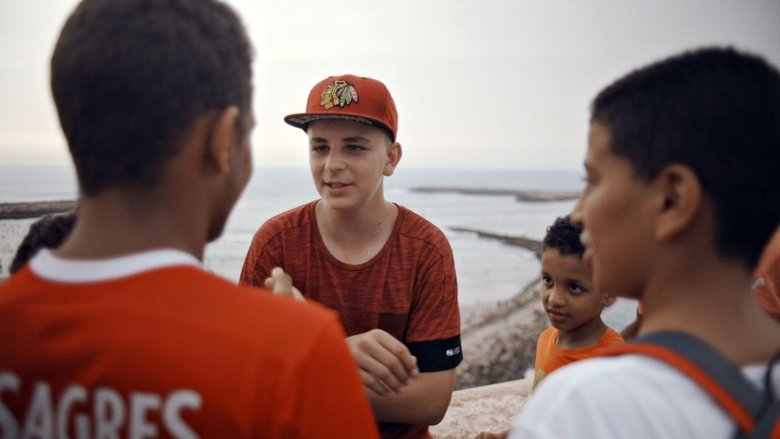
When the junior ice hockey team from the small town of Náchod, in the Czech Republic, sets off in a bus to Morocco to play the away game in an exchange programme, the players and their coach expect an easy victory and a cultural shock: “bring ear plugs”, the coach suggests them with a touch of undisguised condescendence, so as not to hear the call to prayer early in the morning. Both on and off the ice, Rozálie Kohoutová and Tomáš Bojar’s camera focuses on a few teenagers and their exchanges, simultaneously funny and cruel, in a clumsy English.
This video research is based on a trip to Morocco in July 2005, during which the director documented irregular migration transiting through Morocco, as well as their control. This geographical project focuses on the main migratory axes: Oujda, entry point for migrants in Morocco; Tangier, from where migrants can try to cross the strait or the fences of Ceuta; Rabat, organization space; and Laayoune, the closest point to the Canaries. The video questions the nature and meaning of these extraterritorial enclaves that structure the Moroccan territory.
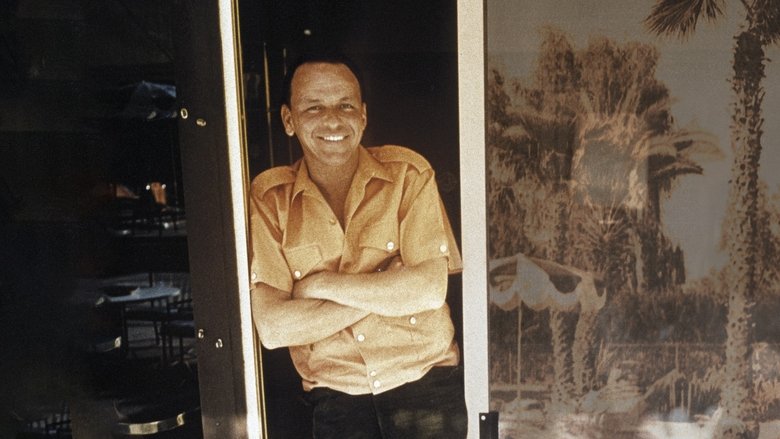
Palm Springs, a small desert oasis 100 miles East of Los Angeles was Sinatra's true home for 50 years. During his brief yet turbulent marriage to Ava Gardner his Palm Springs home was center stage. For the rest of his life, the Rancho Mirage compound on Frank Sinatra Drive, was the home he called "My Heaven". Palm Springs still feels the ghost of Frank Sinatra.
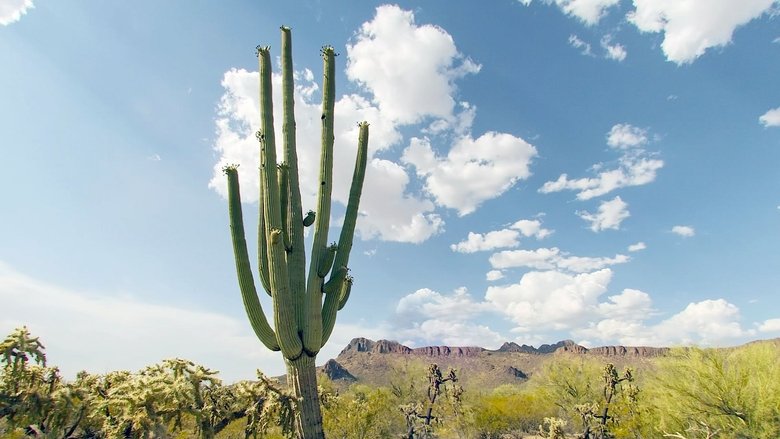
Told by an old Sagauro cactus, of the many guests which live in its "hotel," from ants to owls nestling in its bark and unlikely co-habitants such as a rattle snake and next door, protected by a barrier of thorn balls, a desert rat.
At 14 Rabha El Haimer was an illiterate child bride, beaten, raped and then rejected. Ten years later, she is a single mother, fighting to legalise her sham marriage and secure a future for her illegitimate daughter. With unprecedented access to the Moroccan justice system, “Bastards” follows Rabha’s fight from the Casablanca slums to the high courts.
A tour of the arid, inhospitable region of the southern California desert known as Death Valley, originally named because of the many travelers in the 1840s who died of thirst, starvation and/or exposure trying to cross it.
A small village high up in the mountains of Ketama, Northern Morocco. The life of the people here has been shaped by the drug hashish for centuries. Hashish as daily work, hash as exchange currency, hashish as business, hashish as basis and philosophy of a social system, hashish as medium for dreams and hashish as reason for stagnation.
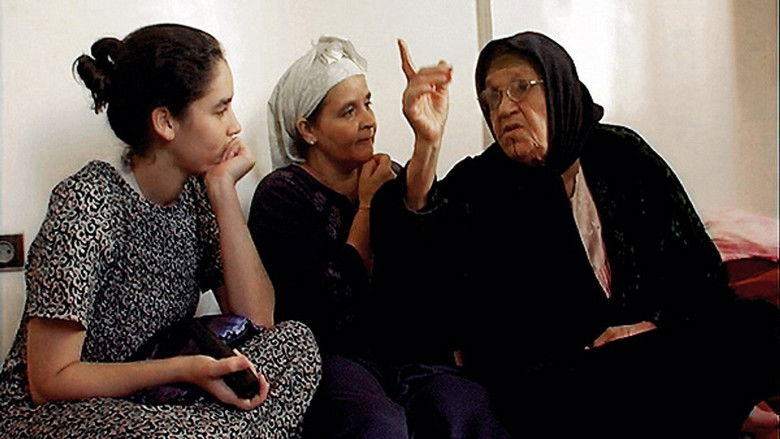
During the oppressive reign of Moroccan King Hassan II in the 70s and 80s (Years of Lead), many dissidents went missing. After the throning of a new king, a truth commission was formed in the 2000's. Families of the missing speak.
Directed by Patrick Gramm, 'The Pigeon People' (2023) takes you deep into Arizona's underground pigeon racing scene as racing rivals prepare for and compete in the Grand Canyon Classic - a 350-mile pigeon race from Utah to Arizona that crosses over the Grand Canyon.
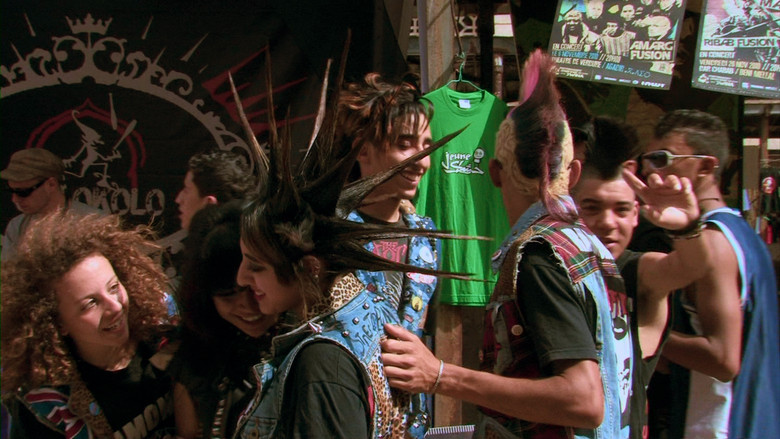
Once a Punk, always a Punk? This is the story of Stof whom we followed for 8 years through the popular districts of Casablanca. He pays his independence at a high price when he finds himself arrested.
In the vast expanse of desert East of Atlas Mountains in Morocco, seasonal rain and snow once supported livestock, but now the drought seems to never end. Hardly a blade of grass can be seen, and families travel miles on foot to get water from a muddy hole in the ground. Yet the children willingly ride donkeys and bicycles or walk for miles across rocks to a "school of hope" built of clay. Following both the students and the teachers in the Oulad Boukais Tribe's community school for over three years, SCHOOL OF HOPE shows students Mohamed, Miloud, Fatima, and their classmates, responding with childish glee to the school's altruistic young teacher, Mohamed. Each child faces individual obstacles - supporting their aging parents; avoiding restrictions from relatives based on traditional gender roles - while their young teacher makes do in a house with no electricity or water.
London-based artist and photographer Muzi Quawson examines the lives of people situated at the fringes of the mainstream. She is drawn to individuals who tend to assert their identity via a blending of references informed by cinema, music and the history of popular culture. Doll Parts functions as a quiet study on the nature of identity.
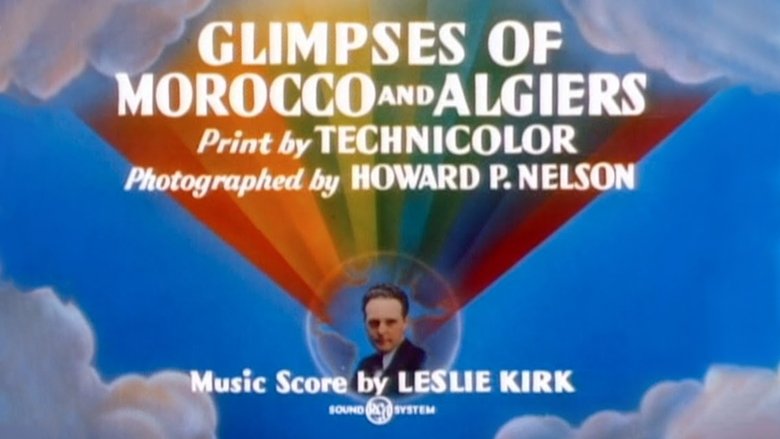
This FitzPatrick Traveltalk short visits the cities of Casablanca, Rabat, and Marrakesh in Morocco, as well as the city of Algiers in Algeria.
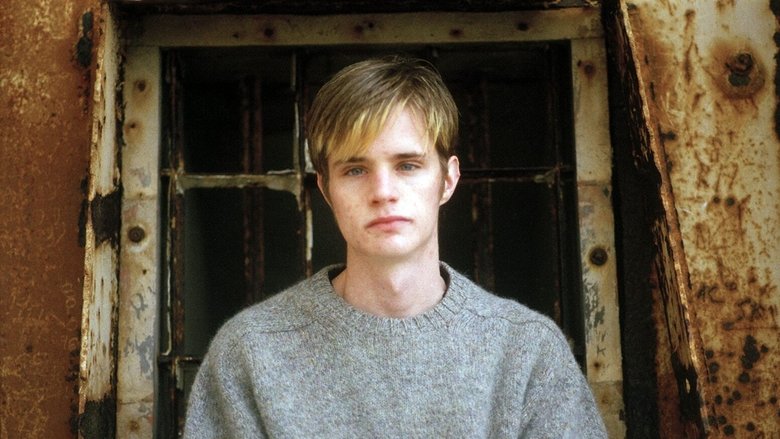
An intimate portrait of Matthew Shepard, the gay young man murdered in one of the most notorious hate crimes in U.S. history. Framed through a personal lens, it's the story of loss, love, and courage in the face of unspeakable tragedy.

On July 30, 2024, Mohamed VI celebrates the 25th anniversary of his reign in style. Who is this so-called secret monarch? How did he gradually impose his vision and projects?
An undercover documentary film produced and directed by British filmmaker Dominic Brown, about the struggle of the indigenous Sahrawi people of Western Sahara. The documentary covers the current human rights and political situation of the Sahrawi. There are several interviews recorded with human rights victims including an elderly lady who had been attacked in her home the previous day by Moroccan security forces. There is also a focus given to the alleged vested interests of countries in the region, particularly France. The film states that the French Government's close relationship with Morocco, their trade deals and their use of veto over the terms of the UN mission in Western Sahara are major factors.
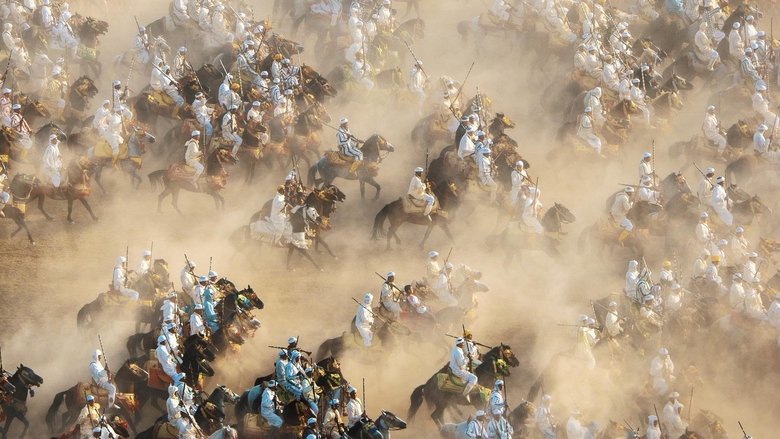
Yann Arthus-Bertrand flew over Morocco with his cameras and asked the journalist Ali Baddou to write and record the comment.
Explore the 1928 collapse of the St. Francis Dam, the second deadliest disaster in California history. A colossal engineering and human failure, the dam was built by William Mulholland, a self-taught engineer who ensured the growth of Los Angeles by bringing the city water via aqueduct. The catastrophe killed more than 400 people and destroyed millions of dollars of property.