
The Fleet That Came to Stay (1945)
A propaganda short film produced by the US Navy in 1945 about the naval engagements of the invasion of Okinawa.
A propaganda short film produced by the US Navy in 1945 about the naval engagements of the invasion of Okinawa.
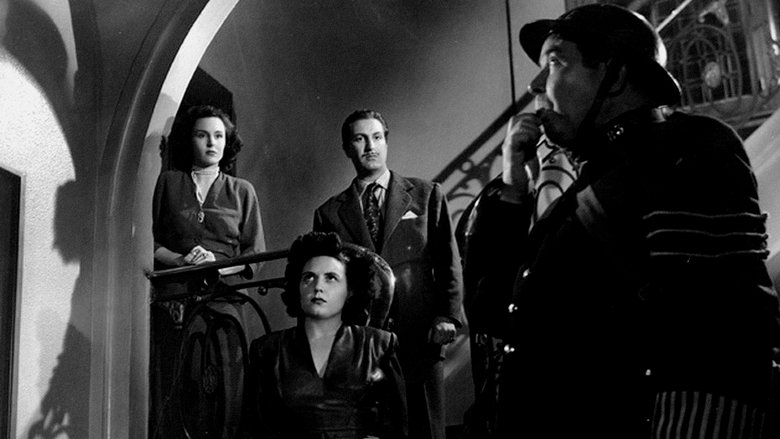
London, England, World War II. During a bombing, several people are trapped in the basement of a building where the air will run out in only ninety minutes.

Documentary on the young builders who'll rebuild Britain after the war.
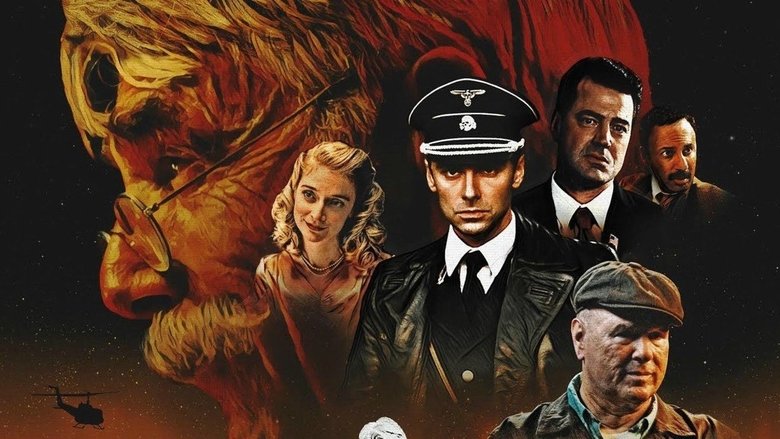
Decades after serving in WWII and assassinating Adolf Hitler, a legendary American war veteran must now hunt down the fabled Bigfoot.
This documentary about WW II, composed of clandestine Allied film takes and German Wochenschaubilder, focuses on the French Resistance, especially the heroic but disastrous battle of the Vercors plateau in July 1944, where German troops mercilessly slaughtered the Maquis and the inhabitants.
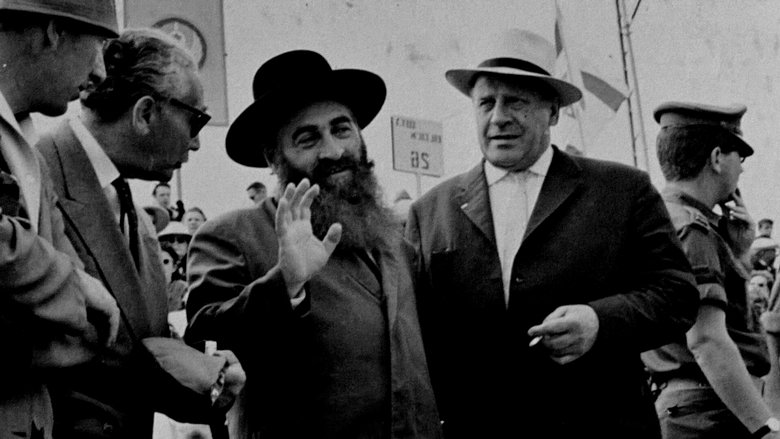
The true story of German-Czech businessman Oskar Schindler (1908-74) as told by some of the Jews — more than a thousand people — whose lives he saved from extermination during World War II.
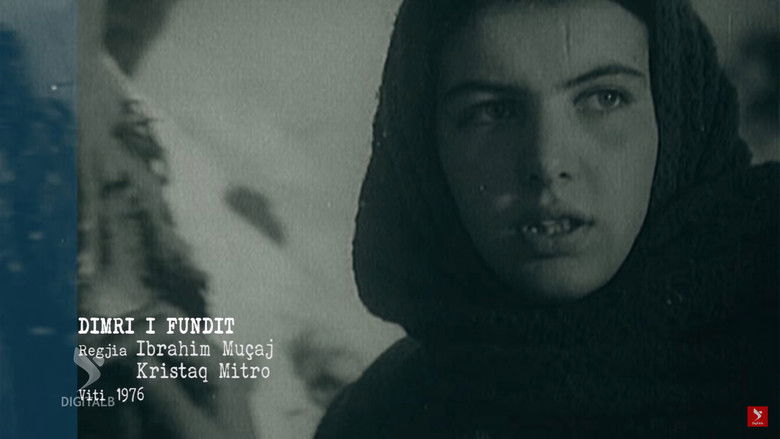
Germans come amid snow and winter. In the village only people remained are women, that fight until wounded partisans, sheltered in the village, will retreat deeper and snow will cover their tracks. Face to face with the Germans and their control of the village, women, led by mother Shano and mother Mara, depart to make a pile of wood, but actually bring bread and food to the partisans.
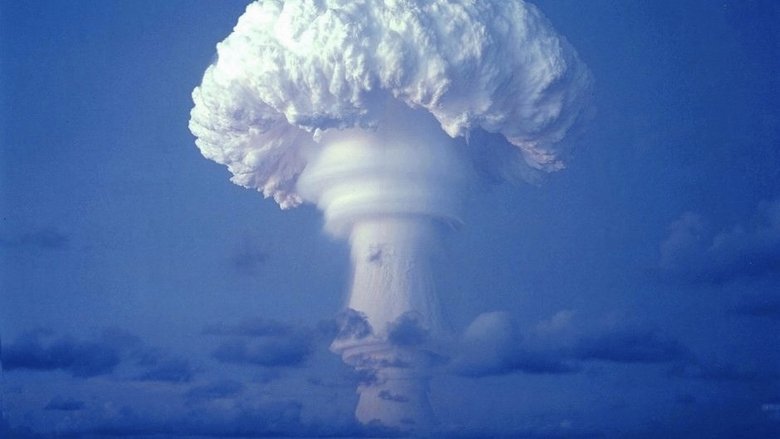
Using masterfully restored footage from recently declassified images, The Bomb tells a powerful story of the most destructive invention in human history. From the earliest testing stages to its use as the ultimate chess piece in global politics, the program outlines how America developed the bomb, how it changed the world and how it continues to loom large in our lives. The show also includes interviews with prominent historians and government insiders, along with men and women who helped build the weapon piece by piece.
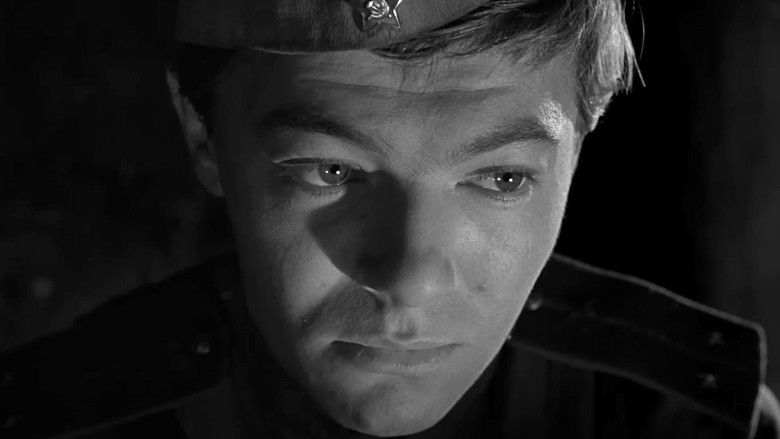
The film is about the hot war summer of 1944. A group of several gun crews defends a tiny bridgehead on the right bank of the Dniester. The fates of the main characters: the front-line soldier-battalion commander Babin, the young lieutenant Motovilov, the nurse Rita Tamashova and the rank-and-file gunners, soldiers, among whom are brave people, faint-hearted and scoundrels, unnoticed heroes, are shown in a setting of several hours of peaceful life before another violent attack of the enemy, after which not everyone will survive...
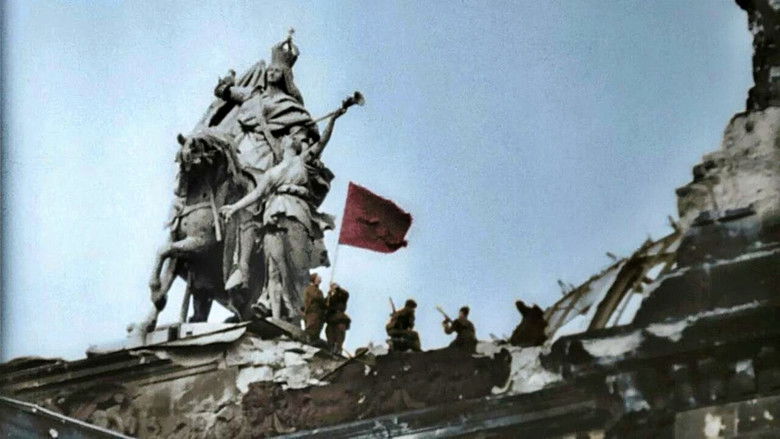
In June 1944, optimism reigned in the Allied camp. In the West, the Normandy landings were a success. In their advance, the troops soon threatened the German border. In the East, the Red Army launched an attack. With Operation Bagration, it swept into Belarus and forced the Wehrmacht into a terrible retreat. It was a time for confidence. There was no doubt: "The war would be over before Christmas." And yet... The war dragged on for almost another year. Eleven long months of fighting, punctuated by terrible battles and atrocious war crimes. Eleven months of fear and hope, which shook the certainties of the leaders and the daily lives of the men. Eleven murderous months, which left an eternal scar on hearts and in history.
Nazi propaganda film “exposes” the United States and its plans against Germany and the German people. Shows so-called signs of decay, gang-wars, slums, riots of blacks, etc. Small wonder, the comment is, that the Statue of Liberty turns it back on America.
This film documents Hollywood's efforts to bolster support for the Allied forces in WWII by creating propaganda films.
In a remote Slovak village in the closing days of World War II, a schoolteacher and his young wife find a wounded Russian parachutist in their front yard just as the Germans are coming in to occupy their village. As his wife readily becomes involved with anti-Nazi partisans, the schoolteacher collaborates with the Germans in fear.
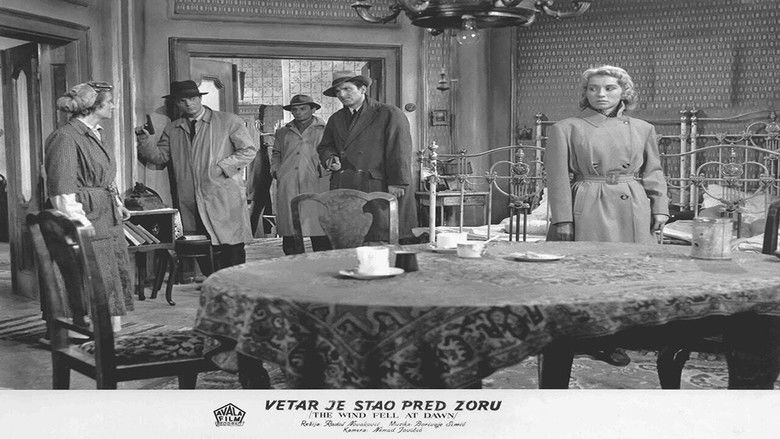
Members of Jasna's group are suspicious because of her firing from occupation Special police squad and they start avoiding her. She finds out the members of the group have been betrayed but they become even more suspicious. At the moment when they were ready to liquidate her the true traitor is revealed. Thanks to Jasna's courage an action becomes success and she regains their trust.
In the conflict with the enemy in one battle lost in advance, the risk to die in vain, partisan Mitko Angelov, fleeing from the battlefield. He climbs onto the train and goes to see his mother, who has just returned from internment. When he returned to the brigade, Mitko was declared a deserter and was disarmed and bound. Since he lost his weapon, the Commissioner sent him to patrol the action to take weapons from the Germans. All partisans patrol that went with him dying and the only Mitko and Vane, who was seriously injured remain alive. Thinking it was dead Vane, Angelov returns to the brigade. But the commander did not believe him, thinking that he had fled from the battle, and that is why the prison in the basement. In the meantime, get wounded fighter Vane, and the story of the heroic struggle led by Mitko. But at the same time, a military court condemned him to death for desertion.
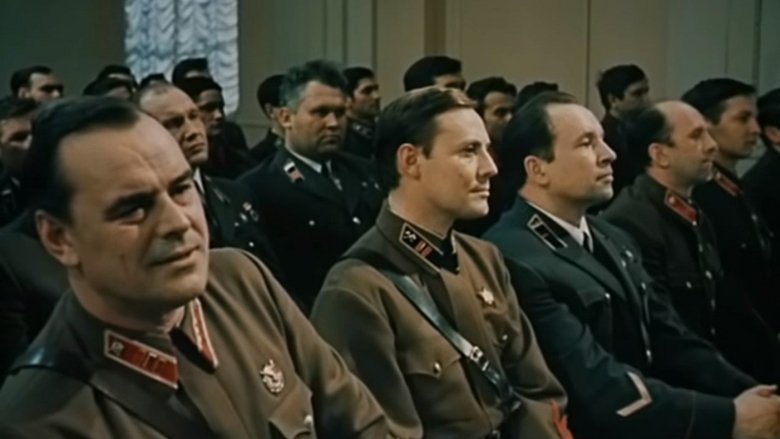
In June 1941, the Extraordinary Defense Headquarters of Leningrad, under the leadership of Zhdanov and Voroshilov, decided to build the Luga defensive line. Heavy fighting west of Pskov forced units of the front to withdraw, and on July 9, Pskov was also abandoned. The battles in the Luga direction held back the enemy. The first attacks of the Germans, intending to cross the Luga line on the move, were repulsed with heavy losses for them.
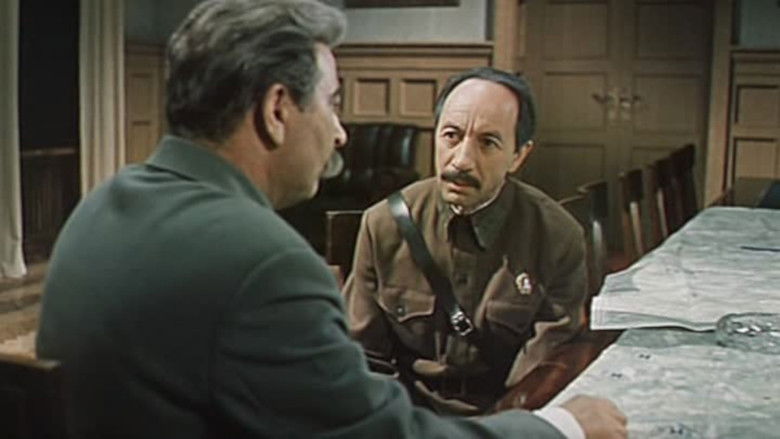
A story about the tragic events in the life of besieged Leningrad from September 1941 to January 1943.
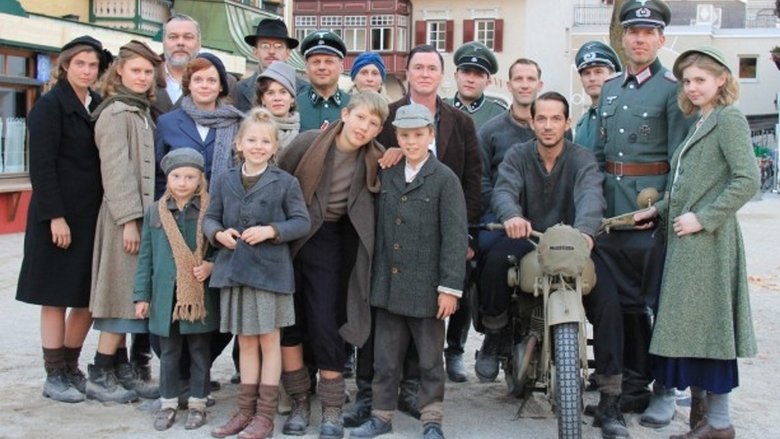
April 1945. In a dramatic operation the SS transports 139 special prisoners, and kin of the prisoners, into the Alps. The plan: to use the prisoners as bargaining chips in possible negotiations with the Allies. During the journey a number of prisoners plan their escape and experience six days between liberty and death, their fates in the hands of ruthless and increasingly nervous criminals. But the hostages band together and turn the tables with a clever ploy: they call in the Wehrmacht to aid them…
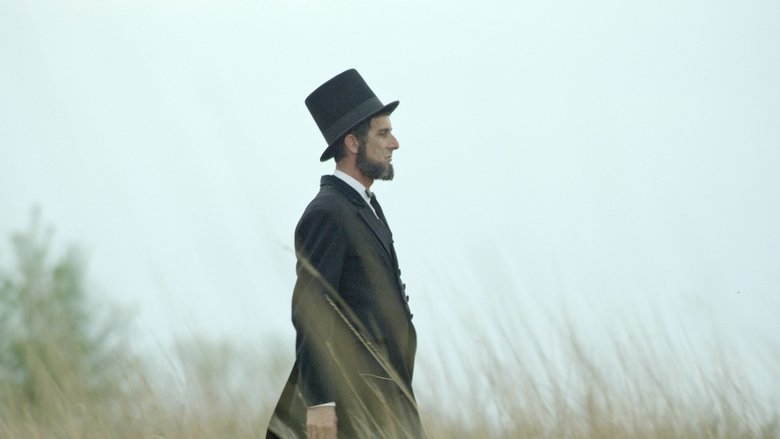
Parallels are drawn between Abraham Lincoln's presidency and the presidency of Donald Trump. Not since 1860 have the Democrats so fanatically refused to accept the result of a free election. That year, their target was Lincoln. They smeared him. They went to war to defeat him. In the end, they assassinated him.
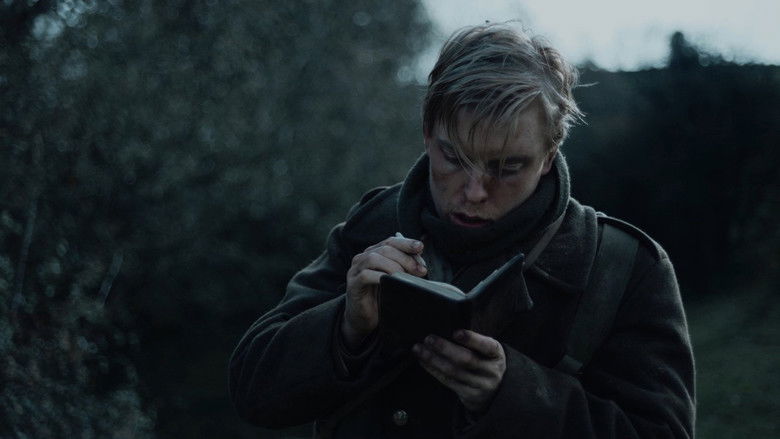
Lost at war, two soldiers struggle to find their moral grounding before their ultimate demise.
Two thousand Canadians suffered the longest incarceration anywhere in the Second World War, a bitter four-year period inside Japanese POW camps in Hong Kong and Japan.