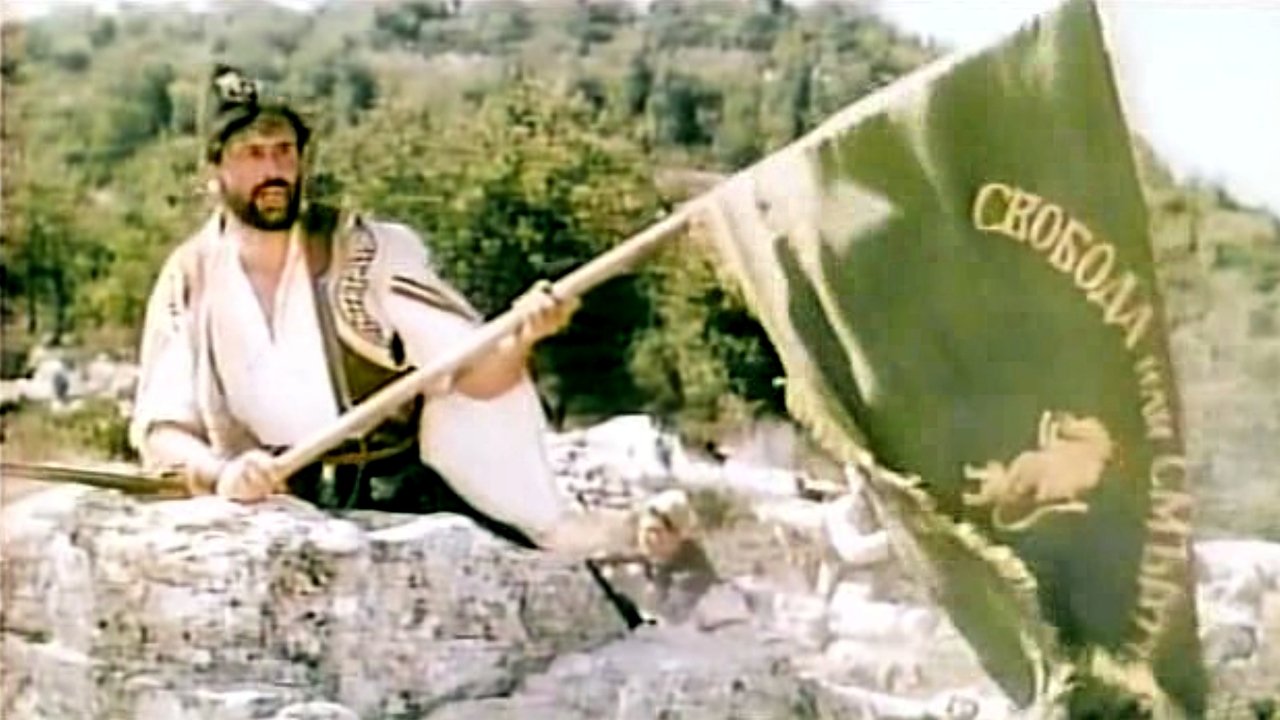
Liberty or Death (1969)
In а short but heroic campaign, Bulgarian poet and revolutionary Hristo Botev leads a band of rebels from the Danube to the Balkan Range.
In а short but heroic campaign, Bulgarian poet and revolutionary Hristo Botev leads a band of rebels from the Danube to the Balkan Range.
 Milen PenevHristo Botev
 Kosta Tsonev
 Vsevolod Safonov
 Stefan Iliev
 Kiril Gospodinov
 Apostol KaramitevDavid Todorov
 Vassil Mihajlov
In September 1923, during the so-called 'anti-fascist' uprising, police chief's daughter Kita falls for a student with communist beliefs. Although loyal to the monarch, her father's paternal instinct force him to compromise but his retaliation against the rebels takes a devastating turn.
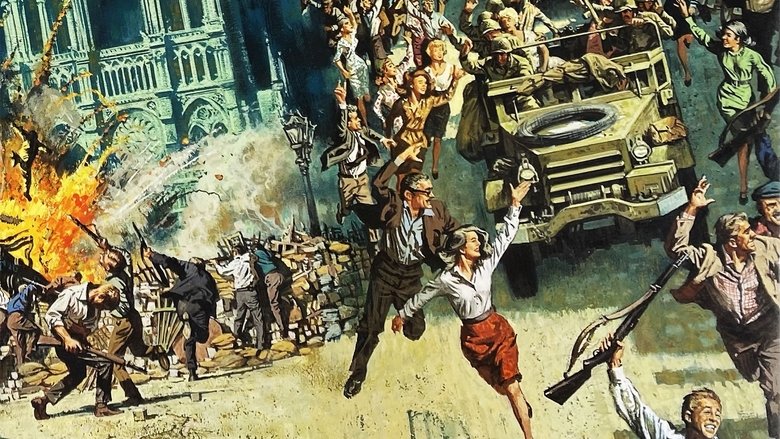
Near the end of World War II, Gen. Dietrich von Choltitz receives orders to burn down Paris if it becomes clear the Allies are going to invade, or if he cannot maintain control of the city. After much contemplation Choltitz decides to ignore his orders, enraging the Germans and giving hope to various resistance factions that the city will be liberated. Choltitz, along with Swedish diplomat Raoul Nordling, helps a resistance leader organize his forces.

Frantz Fanon, a French psychiatrist from Martinique, has just been appointed head of department at the psychiatric hospital in Blida, Algeria. His methods contrast with those of the other doctors in a context of colonization. A biopic in the heart of the Algerian war where a fight is waged in the name of Humanity.
Part one of this two-part epic follows the life and deeds of Boris I – a strong historic personality, which completes his mission to the full and at the end of his life receives holy orders.
Knyaz Boris I reached the most important spiritual insight - the country needed a single language and script. It accepts students of Cyril and Methodius, creating Ohrid and Preslav Literary School. What other nations took centuries, for bulgarians takes place only about 20 years after their baptizing - introduced a Slavonic Alphabet.
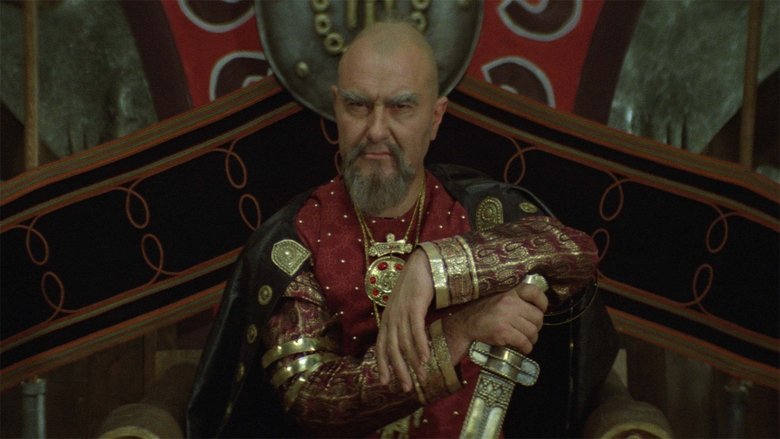
This is an epic screen presentation showing the creation, the consolidation and the power of First Bulgarian Kingdom and the first Bulgarian ruler Khan Asparuh. This is the first part of the film trilogy about the events before the creation of the Bulgarian state in the middle of the VII century. Volga Bulgaria is straining under the attacks of the Khazars. Following the testament of his father, the sons of Khan Kubrat looking for a new home for their tribes. The youngest of them - Asparukh, wander 20 years in search of "land forever" for his people and reaches the mouth of the Danube. The film is narrated by captured Byzantine chronicler Belisarius, which should Asparukh in his journeys. Byzantine witnessed the heroic efforts of the Bulgarians to win the land south of the Danube and to create their new country.
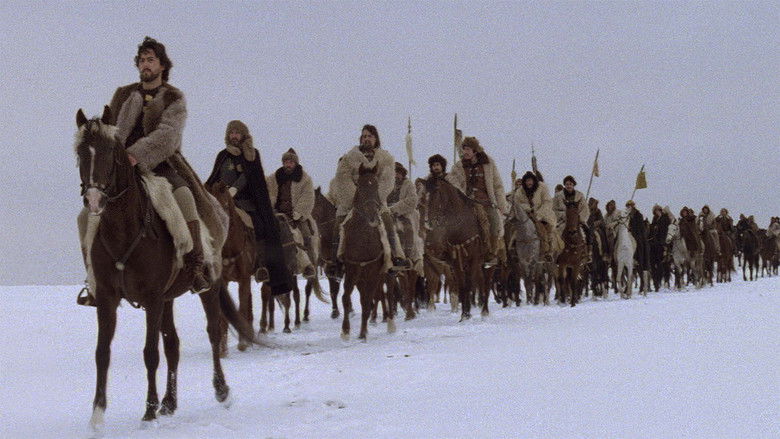
This is an epic screen presentation showing the creation, the consolidation and the power of First Bulgarian Kingdom and the first Bulgarian ruler Khan Asparuh. The second part of the great historical epic - "The Migration" - tells about the long journey to the land of the Bulgarians of today's Bulgaria. Here the young Khan Asparukh laid the foundations of the new state. The authors adhere to the established historical versions for this event. The film builds on the impressive mass scenes and the convincing served psychological characteristics of the main characters. The image of Asparoukh is a natural center of the story, in which many minor persons recreate the environment of the Khan. Romantic exalted, Asparukh is shown as capable leader of the people, consistently implement his own ideas.
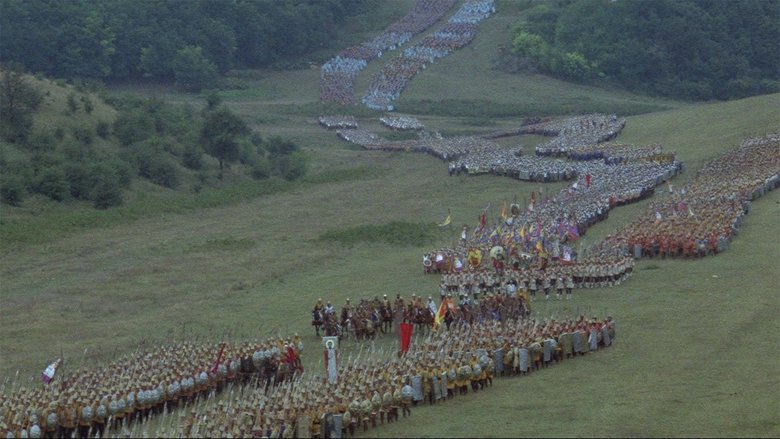
The last part of the epic "Khan Asparukh" - "Land Forever" is an impressive finish to scale narrative, created for the nationwide celebration of 13 century anniversary of the Bulgarian state. The authors collected in final chord all storylines, culminating in the political strengthening of the young Bulgarian state. In the center of the film epic again is the image of Khan Asparukh - a lofty romantic hero who embodies the virtues and energy of his people.
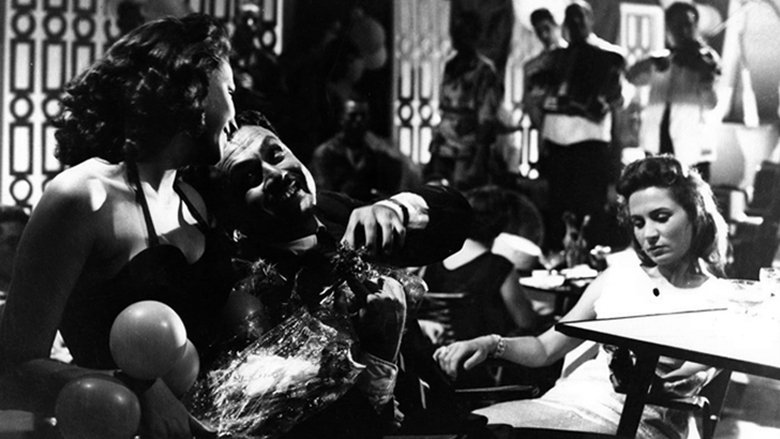
Djamila, a young Algerian woman living with her brother Hadi and her uncle Mustafa in the Casbah district of Algiers under the French occupation of Algeria, sees the full extent of injustice, tyranny and cruelty on his compatriots by French soldiers. Jamila's nationalist spirit will be strengthened when French forces invade her university to arrest her classmate Amina who commits suicide by ingesting poison. Shortly after the prominent Algerian guerrilla leader Youssef takes refuge with her, she realizes that her uncle Mustafa is part of this network of anti-colonial rebel fighters. Her uncle linked her to the National Liberation Front (FLN). A series of events illustrate Jamila's participation in resistance operations against the occupier before she was finally captured and tortured. Finally, despite the efforts of her French lawyer, Jamila is sentenced to death...
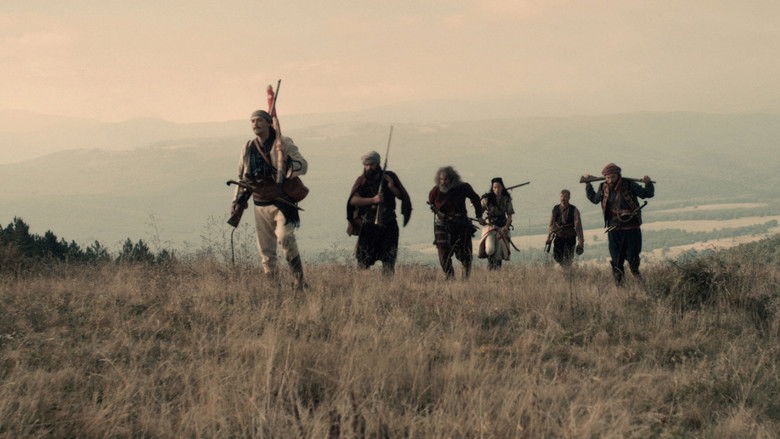
At the end of the 18th century in Bulgaria under Ottoman slavery, a young woman leaves home and family to become leader of a guerrilla gang.
The Oath, a TV film produced by Algerian television in 1963 following the end of the war of independence, tells the story of young Algerians who joined the resistance after the bloody repressions of May 1945 in Constantinois by the French colonial army .
The feature film “The seven ramparts of the citadel”, a fiction recounting the conflict between an Algerian family expropriated from its land and a bloodthirsty settler; by director Ahmed Rachedi. Adapted from the eponymous novel by Mohamed Maarafia, the film, whose plot begins in 1954, tells the story of two characters, Thebti and Lucien, “the fellaga and the colonist”, a story of crossed destinies. “After having engaged in a fight to the death, after having both traveled a long path of embers, (they) finally find themselves face to face and above all each face to themselves”.
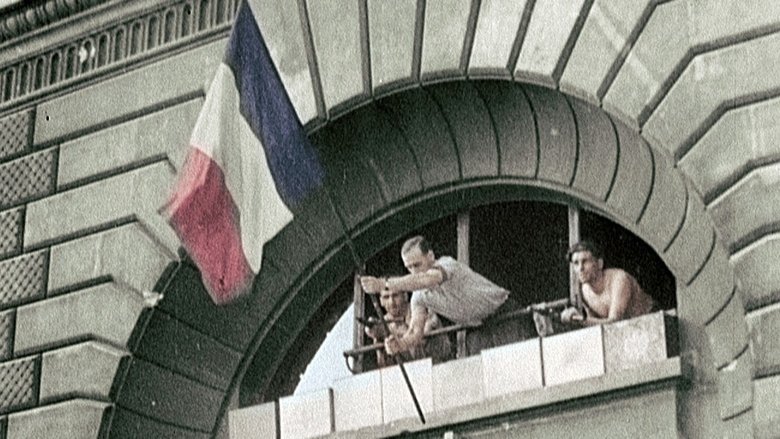
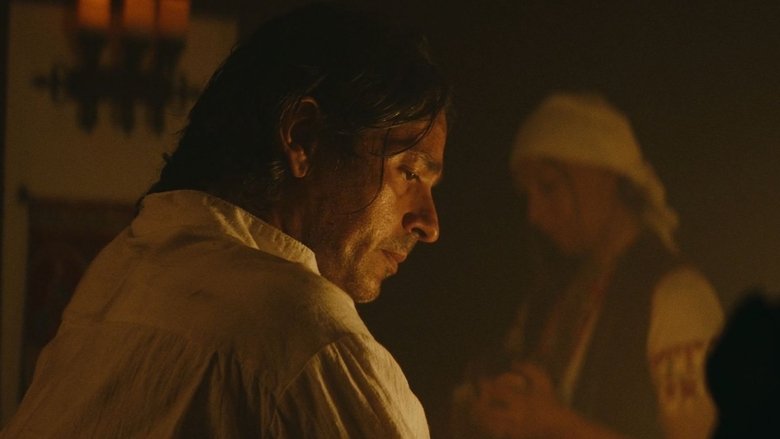
In 1876 Bulgaria, a desperate revolutionary must convince a room of suspecting Ottoman soldiers that he is innocent. Based on the history of the April Uprising -- a struggle for independence between Bulgaria and the immense Ottoman Empire.
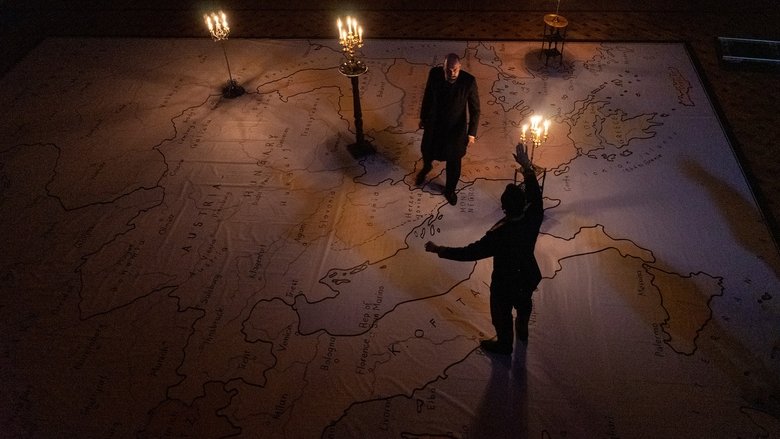
Before the Liberation, during the years of the exiled Bulgarian revolutionaries in Romania, the Major and the Prime Minister once shared the same ideals, the same home, and even the same woman. Today, the Major orchestrates a conspiracy to overthrow the government led by his former friend, the Prime Minister. The head of state must be assassinated, and the Prince – dethroned. The woman is part of the plot, but she will try to prevent the fratricide.
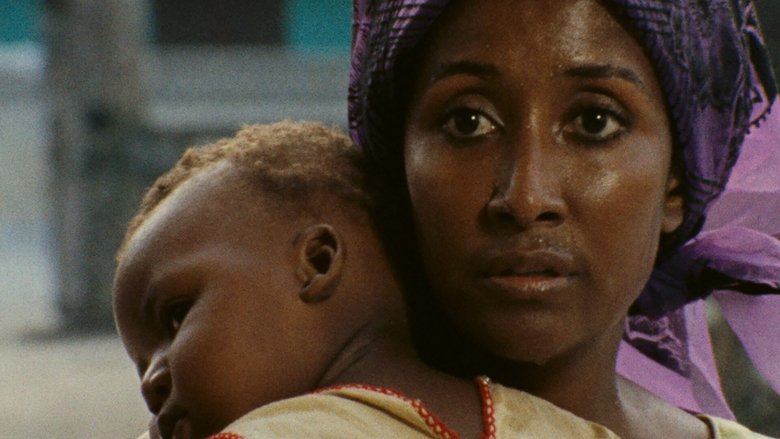
Domingos is a member of an African liberation movement, arrested by the Portuguese secret police, after bloody events in Angola. His wife goes from a prison station to another, trying in vain to find out where he is.
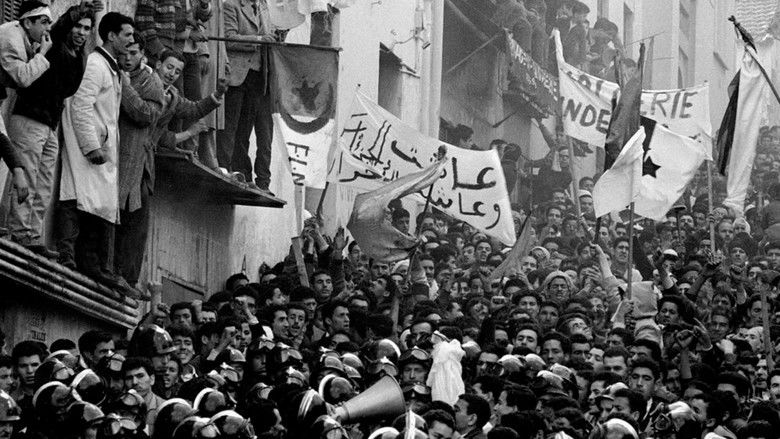
In 1962, René Vautier, together with some Algerian friends, organised the audio-visual formation centre Ben Aknoun to encourage a "dialogue in images" between the two factions. Together with his students he made a film that shows the history of the Algerian War and of the ALN (National Liberation Army), and life during the reconstruction.
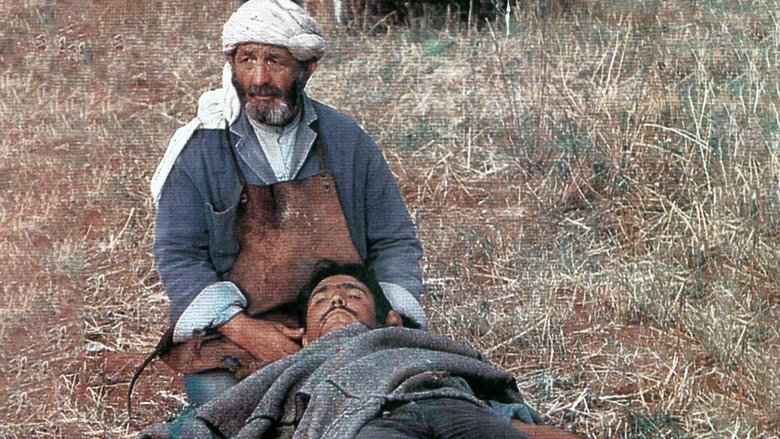
Chants d’Automne (Song of Autumn), is a story of daily life on a colonial farm, at the start of the war of liberation in Algeria, describing individual and group behavior in this context. An unthinkable, even dangerous, romantic relationship, born in this context between Catherine, daughter of a settler, and Abdelmalek, son of a blacksmith. Managing his vast property in a feudal manner, Monsieur Marcel whose only ambition is his personal enrichment to the detriment of the community. Everyone fears his authority except his daughter Catherine, a student in France, who returns home during the holidays. She does not stop herself from expressing to him her ideas of justice which go against family and colonial practices. Catherine and Abdelmalek's romance makes relationships increasingly strained, but the call for freedom will be stronger than a woman's love.

A meticulous chronicle of the evolution of the Algerian national movement from 1939 until the outbreak of the revolution on November 1, 1954, the film unequivocally demonstrates that the "Algerian War" is not an accident of history, but a slow process of suffering and warlike revolts, uninterrupted, from the start of colonization in 1830, until this "Red All Saints' Day" of November 1, 1954. At its center, Ahmed gradually awakens to political awareness against colonization, under the gaze of his son, a symbol of the new Algeria, and that of Miloud, half-mad haranguer, half-prophet, incarnation of Popular memory of the revolt, the liberation of Algeria and its people.
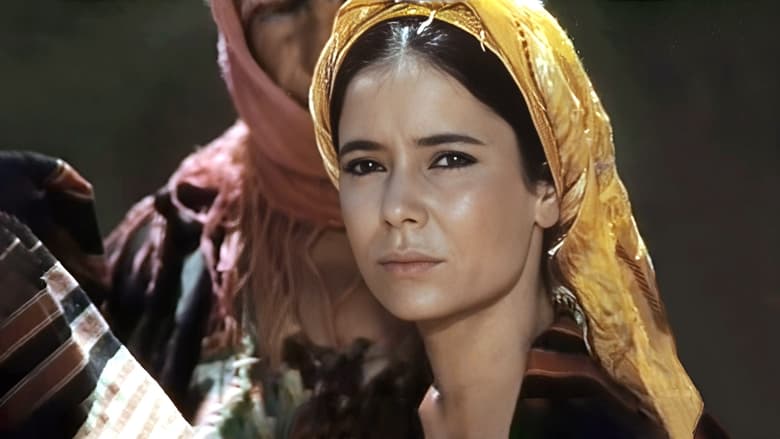
In 1950, in Algeria, in a village in Kabylia, Algerian resistance fighters resisted the French occupation army. Bachir returns to the village to escape the clashes ravaging Algiers. In Thala, he has two brothers, Ali and Belaïd. The first is engaged with the ALN (The National Liberation Army) and fights against the colonizer. His second brother, Belaïd, the eldest, is convinced of a French Algeria. His family torn apart, Bachir decides to join the war and takes sides against the repression of the French army. The French army is trying in vain to turn the population against the insurgents by using disinformation. The more time passes, the more the inhabitants of the village and surrounding areas, oppressed, rally to the cause of the FLN, their houses and their fields will be burned... Adaptation to the cinema of the eponymous novel Opium and the Stick, published in 1965, by Mouloud Mammeri, the film was dubbed into Tamazight (Berber), a first for Algerian cinema.