
Similar to Věž smrti
Gulag (2006)
This excellent and breathtaking documentary is the result of a long study on the Gulag to try to understand why more than 60 million Soviet citizens were sent to the camps from 1918 to 1956, how such a massive confinement could take place during two generations. From the Solovki in the north-west to the Kolima in Siberia, from Lenine to Kroutchev, a polar geography is erected into the Gulag system. One does not escape from camps. After ten years of imprisonment, one dies. Some survived, some left traces; they witness: organisation, work and discipline, but also resistance, repression and revolt.
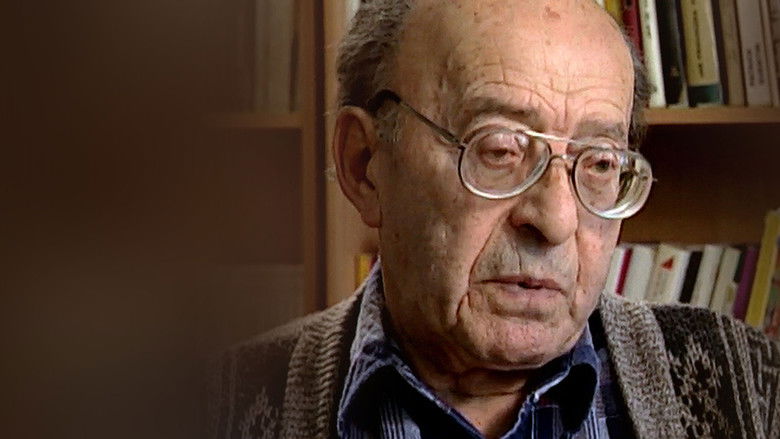
Stalin: Man of Steel (2003)
Emmy Awards nominee for "Outstanding Individual Achievement in a Craft: Research: Multi-faceted portrait of the man who succeeded Lenin as the head of the Soviet Union. With a captivating blend of period documents, newly-released information, newsreel and archival footage and interviews with experts, the program examines his rise to power, deconstructs the cult of personality that helped him maintain an iron grip over his vast empire, and analyzes the policies he introduced, including the deadly expansion of the notorious gulags where he banished so many of his countrymen to certain death.
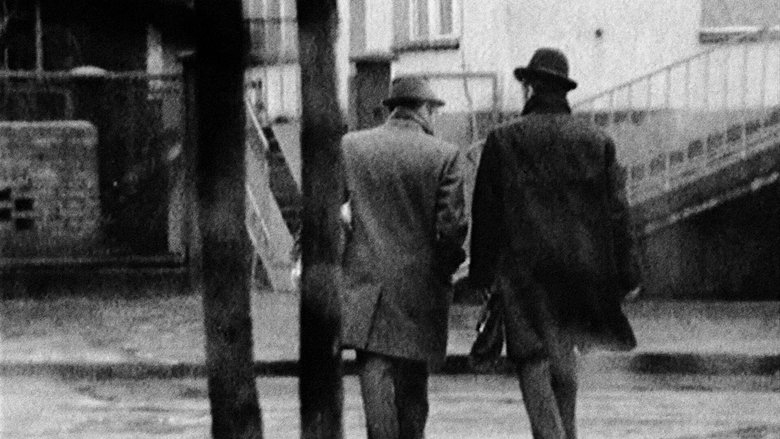
An Ordinary Country (2020)
The story of what daily life was like in Poland under communism: private conversations, cruel interrogations, recruitment attempts, recorded and filmed with hidden devices; of how the secret services spied on every activity of ordinary citizens: nothing escaped the brutal system of control developed by the Soviets in the name of freedom.
Sny o tátovi (2010)
The trial of Alfred Plock differed from previous trials in that it did not have an explicitly political background. A group of engineers from the Ministry of Post, Industry, and Standard Electric were charged solely because they wanted to implement a revolutionary technological innovation and turn Prague into the headquarters of a new pan-European telecommunications system. Among other things, they wanted to enhance their country's prestige on the international stage. However, it was precisely this intention that aroused the suspicion of the security authorities and Soviet advisers. They therefore decided to take decisive action.
Co mogą martwi jeńcy (2010)
A documentary about the modern controversy between Poland and Russia over Russian prisoners of war from the time when Poland regained its independence, after the First World War.
One Child (2013)
Three family cope with having lost their only child in 2008 deadly Chinese earthquake.
Gdzie rosną poziomki? (2006)
The forest in Bykovnia near Kyiv hides the remains of more than 30,000 NKVD victims, including several thousand Poles. In 2006, a team of Polish archeologists, with the cooperation of the Ukrainian side, conducted exhumation work there, which confirmed that Poles were buried in the cemetery. At the time, two people whose fathers are believed to be buried there also came to the Bykovsky forest. The film tells the story of the history of the place, the local residents' perception of it, and the search for the fathers' graves.
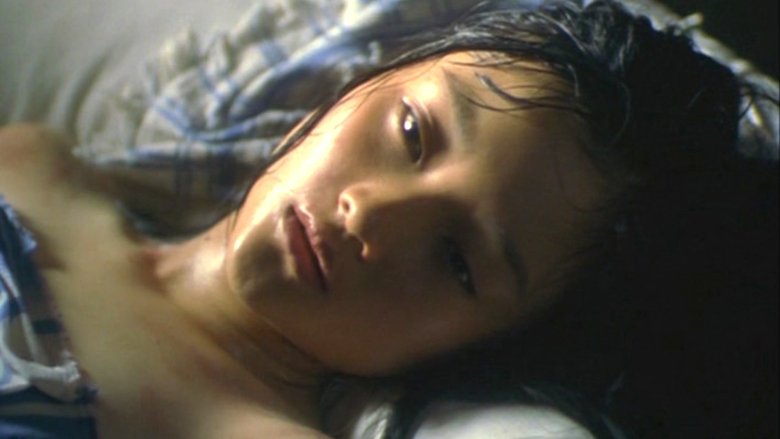
Xiu Xiu: The Sent-Down Girl (1998)
Young teen girl Xiu Xiu is sent away to a remote corner of the Sichuan steppes for manual labor in 1975 (sending young people to there was a part of Cultural Revolution in China). A year later, she agrees to go to even more remote spot with a Tibetan saddle tramp Lao Jin to learn horse herding.
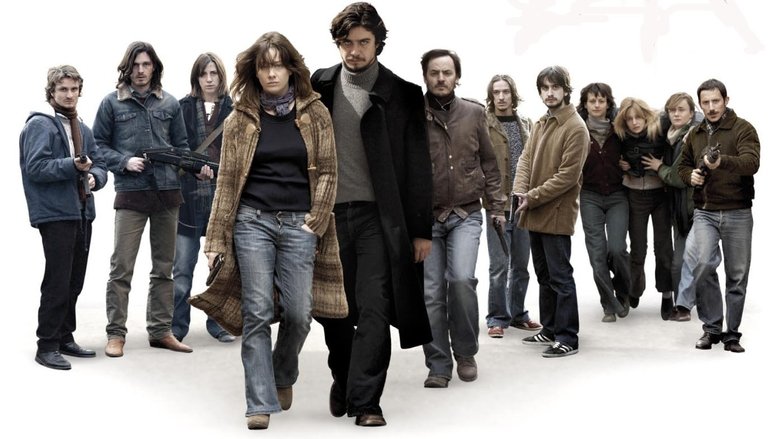
The Front Line (2009)
United by an uncompromising struggle as members of the infamous 1970s far-left terrorist group Prima Linea, fugitive couple Sergio and Susanna have become increasingly alienated from the real world. Their luck runs out when Susanna is captured and thrown in jail. Putting his life on the line, Sergio embarks on a radical plan... Loosely based on the memoir by Prima Linea's 'commander' Sergio Segio.
Be Sure to Behave (1968)
A woman prisoner is harshly incarcerated and suddenly released.
Brasslands (2013)
Half a million people descend upon a tiny Serbian village for the 50th anniversary of the world's largest trumpet festival. Brasslands chronicles the cultural and musical collisions through the personal journeys of 3 musicians - American, Serbian, Roma - whose lives are bound to Balkan brass for very different reasons.
Rotterdam-Europoort (1966)
Instructional film about the (former) biggest harbour in the world, with a hybrid format. Well known Ivens themes are revisited, like The Flying Dutchman in the fiction part of the film, who returns to the modern day Rotterdam, that has recovered very well after the devastating bombardments in the second world war.
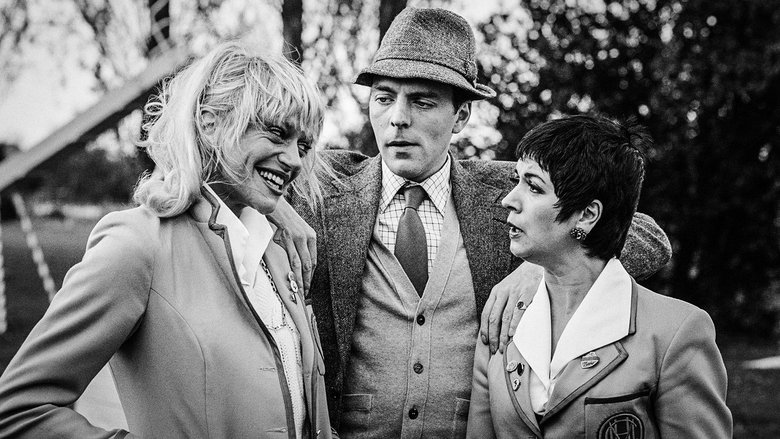
Hi-De-Hi!: All the Laughs & More (2022)
A celebration of the much-loved holiday camp sitcom, featuring classic scenes and interviews with members of cast and crew including Su Pollard, Ruth Madoc, Jeffrey Holland, Paul Shane and Jimmy Perry. The programme reveals that Butlin's, the real-life inspiration for the series, were not impressed with the show, and there are backstage secrets, such as the day several cast members nearly drowned in the swimming pool
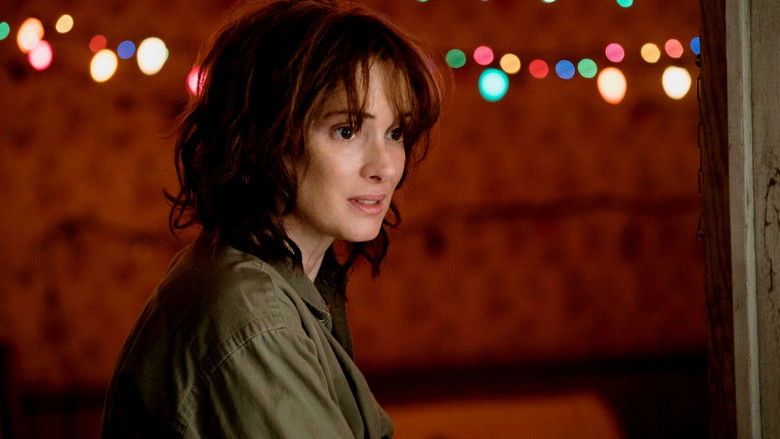
Winona Ryder: The Ghosts She Called (2022)
A portrait of the actress Winona Ryder, the great muse of nineties cinema, who, although she has had an atypical and somewhat erratic career, has always offered performances as sensitive as they are honest.
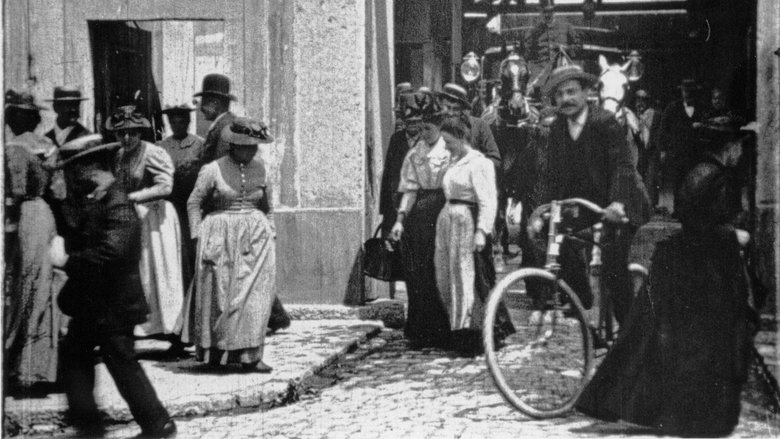
Workers Leaving the Lumière Factory (1895)
Working men and women leave through the main gate of the Lumière factory in Lyon, France. Filmed on 22 March 1895, it is often referred to as the first real motion picture ever made, although Louis Le Prince's 1888 Roundhay Garden Scene pre-dated it by seven years. Three separate versions of this film exist, which differ from one another in numerous ways. The first version features a carriage drawn by one horse, while in the second version the carriage is drawn by two horses, and there is no carriage at all in the third version. The clothing style is also different between the three versions, demonstrating the different seasons in which each was filmed. This film was made in the 35 mm format with an aspect ratio of 1.33:1, and at a speed of 16 frames per second. At that rate, the 17 meters of film length provided a duration of 46 seconds, holding a total of 800 frames.
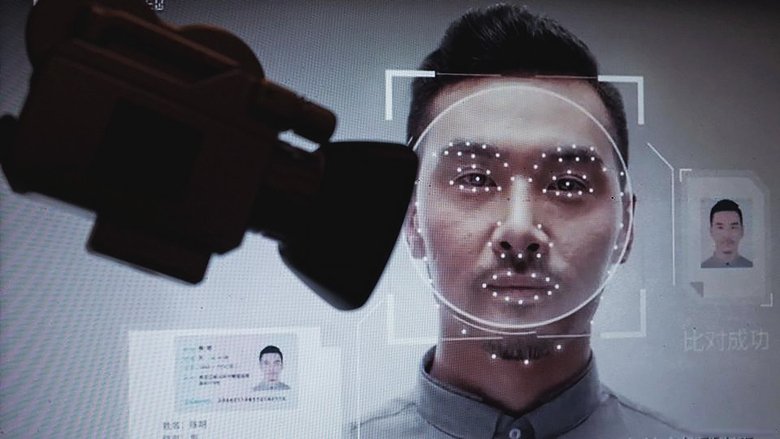
Die Magie von Gesicht und Stimme (2022)
Are the face and voice mirrors of the soul? This documentary reveals in detail their impact on our immediate perception of others and recounts astonishing experiments on our psyche.