
Hand-Drawn: Documentary
An indie documentary exploring the art form of hand-drawn animation through a contemporary lens in the digital era. Featuring insights and anecdotes by hand-drawn animation artists from around the world.
An indie documentary exploring the art form of hand-drawn animation through a contemporary lens in the digital era. Featuring insights and anecdotes by hand-drawn animation artists from around the world.
Tina NawrockiSelf Koji YamamuraSelfAnatola HowardSelf
 Mamoru HosodaSelf
 Glen KeaneSelfAya SuzukiSelf
 Lucrèce AndreaeSelfShinya OhiraSelf
 Mitsuo IsoSelfJoanna DavidovichSelf
Documentary on the making of Gus Van Sant's "Psycho."
For this work Alÿs purchased a gun in Mexico City then walked through the city streets with the weapon in his hand. After eleven minutes he was arrested by the police. The following day he repeated the action, this time in cooperation with the police. By presenting a record of this dramatic action alongside footage of its reenactment, Alÿs blurs the boundaries between documentation and fiction. Questioning the concept of authenticity, this work demonstrates “how media can distort and dramatize the immediate reality of a moment,” the artist has said. Gallery label from Francis Alÿs: A Story of Deception, May 8–August 1, 2011.

Immigrant residents of a “shift-bed” apartment in the heart of New York City’s Chinatown share their stories of personal and political upheaval. As the bed transforms into a stage, the film reveals the collective history of the Chinese in the United States through conversations, autobiographical monologues, and theatrical movement pieces. Shot in the kitchens, bedrooms, wedding halls, cafés, and mahjong parlors of Chinatown, this provocative hybrid documentary addresses issues of privacy, intimacy, and urban life.
Adlon recounts the making of the sculpture, "Kugelkaryatide" the sphere that stood in the center of Tobin Plaza between the two towers of the World Trade Center. The film follows the sculpture from its creation as the largest bronze sculpture of recent times to the aftermath, where it now stands, heavily scarred, in Battery Park.

Florida, 1994. Artist Mike Diana is convicted on an obscenity charge in the wake of an undercover police officer purchasing his limited edition zine Boiled Angel. Here is the very unusual story of what led to this First Amendment debacle happening for the first time in the United States.
Actors Anne Dorval, Suzanne Clément, Monia Chokri, Gaspard Ulliel, Vincent Cassel, Niels Schneider and Melvil Poupaud discuss working with the young Canadian director Xavier Dolan, who has conquered the hearts of both cinema lovers and prestigious festival juries with his films. To French actress Nathalie Baye, he seems very experienced despite his young age, while Cannes Director Thierry Frémaux says he may be insolent, but everyone agrees he is passionate, creative, a perfectionist and... in a hurry.
Some people collect family albums. Sarmīte Sīle, an accomplished arts scholar, takes a nude photo of herself every ten years. Behind this unique series of nude photos that span a lifetime, is her story.
Handbook of Movie Theaters’ History is a documentary about the history, the development in the present days and the future of movie theaters in the city of Turin, Italy. It mixes the documentary language with comedy and fiction, and is enriched by interviews to some of the most important voices of Turin cinematography. The film follows the evolution of movie theaters by enlightening its main milestones: the pre-cinema experiences in the late 19th Century, the colossals and the movie cathedrals of the silent era, the arthouse theaters, the National Museum of Cinema, the Torino Film Festival, the movie theaters system today and the main hypothesis about its future.
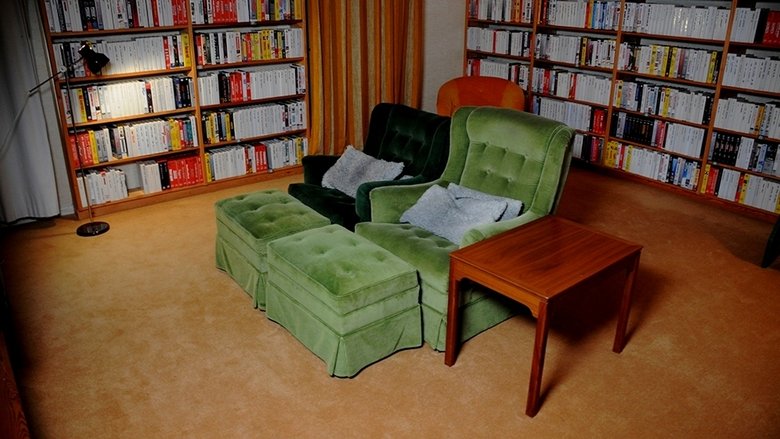
In the sixties, Swedish filmmaker Ingmar Bergman (1918-2007) built a house on the remote island of Fårö, located in the Baltic Sea, and left Stockholm to live there. When he died, the house was preserved. A group of very special film buffs, came from all over the world, travel to Fårö in search of the genius and his legacy. (An abridged version of Bergman's Video, 2012.)
When Forgotten Silver — the story of pioneer filmmaker Colin McKenzie — unspooled on 29th October 1995, in a Sunday TV slot normally reserved for drama, many believed the fable was fact. Controversy ensued as a public reacted (indignant, thrilled) to having the wool pulled over their eyes. Costa Botes, who originated the mockumentary, later made this doco, looking at the construction of McKenzie's epic, tragic, yet increasingly ridiculous story. He interviews co-conspirator Peter Jackson and other pranksters, and they muse on the film's priceless impact.
Arguing that advertising not only sells things, but also ideas about the world, media scholar Sut Jhally offers a blistering analysis of commercial culture's inability to let go of reactionary gender representations. Jhally's starting point is the breakthrough work of the late sociologist Erving Goffman, whose 1959 book The Presentation of the Self in Everyday Life prefigured the growing field of performance studies. Jhally applies Goffman's analysis of the body in print advertising to hundreds of print ads today, uncovering an astonishing pattern of regressive and destructive gender codes. By looking beyond advertising as a medium that simply sells products, and beyond analyses of gender that tend to focus on either biology or objectification, The Codes of Gender offers important insights into the social construction of masculinity and femininity, the relationship between gender and power, and the everyday performance of cultural norms.
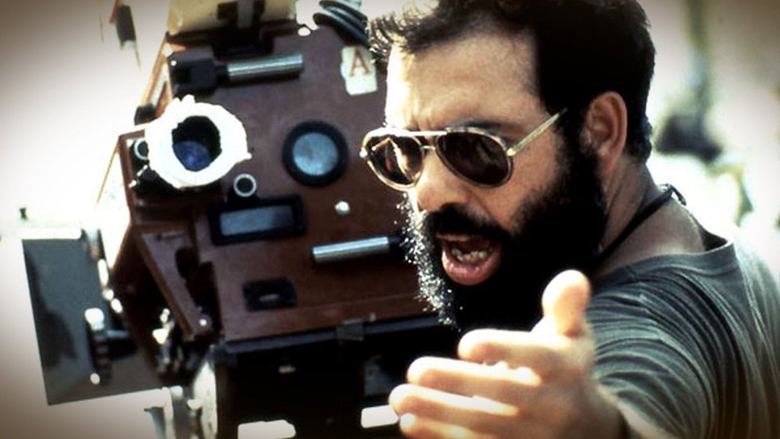
A chronicle of the production problems — including bad weather, actors' health, war near the filming locations, and more — which plagued the filming of Apocalypse Now, increasing costs and nearly destroying the life and career of Francis Ford Coppola.
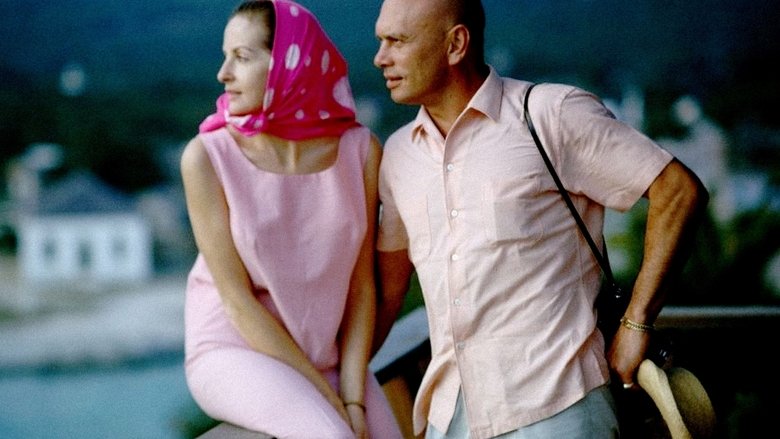
The incredible story of the mythical Russian-American actor and filmmaker Yul Brynner (1920-85), the most exotic sex-symbol since Rudolph Valentino; the story of the atypical destiny of an international nomad: from the Parisian cabarets to the stages of Broadway and the Hollywood studios. The rise to fame of a multidisciplinary genius who became a king of the screen.

A documentary on Fellini’s lost alternate ending for 8½
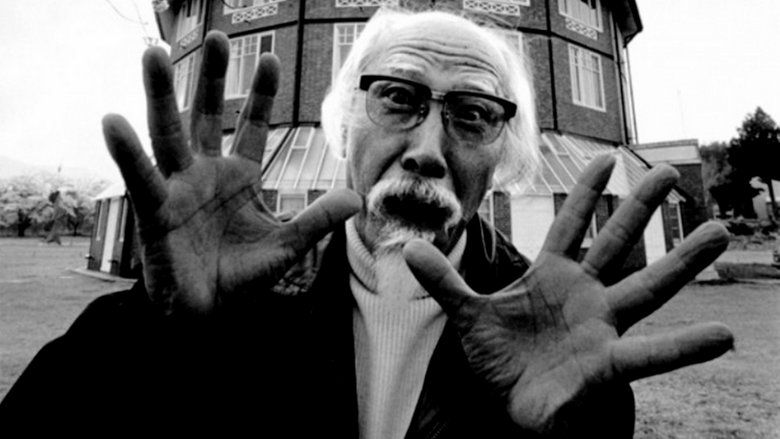
Film director and screenwriter Seijun Suzuki (1923-2017), who in the sixties was the great innovator of Japanese cinema; and his collaborator, art director and screenwriter Takeo Kimura (1918-2010), recall how they made their great masterpieces about the Yakuza underworld for the Nikkatsu film company.
Functions without theaters, murals without walls, clothes without fabrics and students without schools says the necessary about the state abandonment and but also talent and creativity of Colombians, which it has nothing to lose. The documentary tells the story of the beginnings and resilience of several artist from Barranquilla in different disciplines in continuing to maintain and diversify the living culture, that remain to exist.
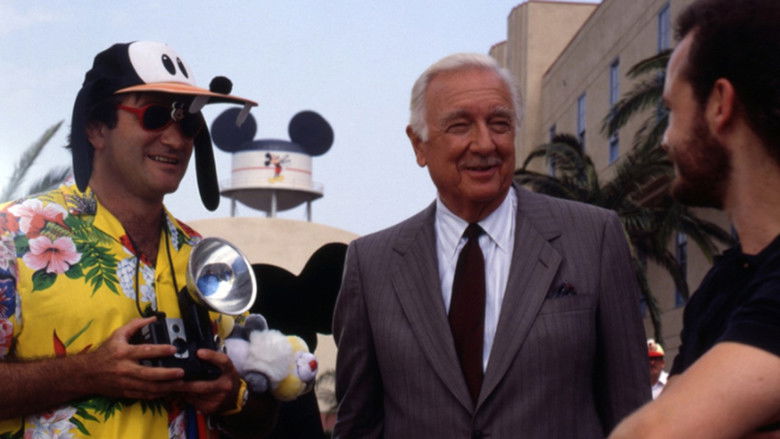
Legendary TV news anchor Walter Cronkite takes ecstatic Disneyland tourist Robin through the process of Disney's hand drawn animation and makes Robin's wish of visiting the animated world of Peter Pan (1953) come true.

Paparazzi explores the relationship between Brigitte Bardot and groups of invasive photographers attempting to photograph her while she works on the set of Jean-Luc Godard's film Le Mépris (Contempt). Through video footage of Bardot, interviews with the paparazzi, and still photos of Bardot from magazine covers and elsewhere, director Rozier investigates some of the ramifications of international movie stardom, specifically the loss of privacy to the paparazzi. The film explains the shooting of the film on the island of Capri, and the photographers' valiant, even foolishly dangerous, attempts to get a photograph of Bardot.
A documentary on "The Life and Death of Colonel Blimp."
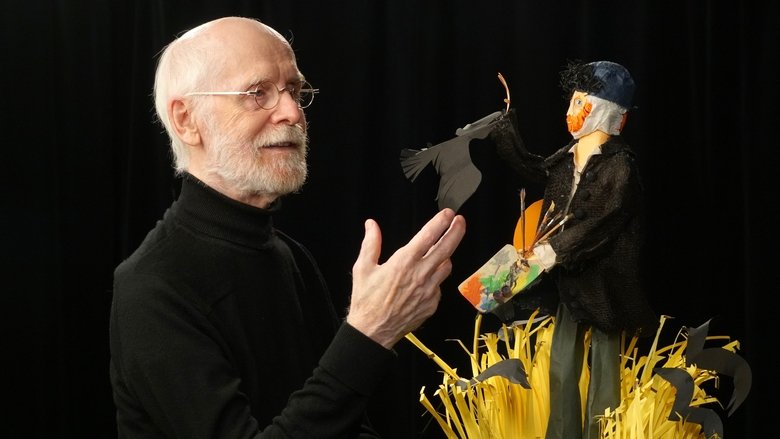
Much like Fred Rogers and Bob Ross in the United States, Claude Lafortune was a staple of French-Canadian television. The beloved children's television host inspired generations of children through his celebration of creativity, inclusivity and diversity. For over five decades, he dedicated his life to transforming mere paper into whimsical sculptures, creatures and film sets. "The Paper Man" reveals the depths of Claude Lafortune's work, as well as his continuing legacy.