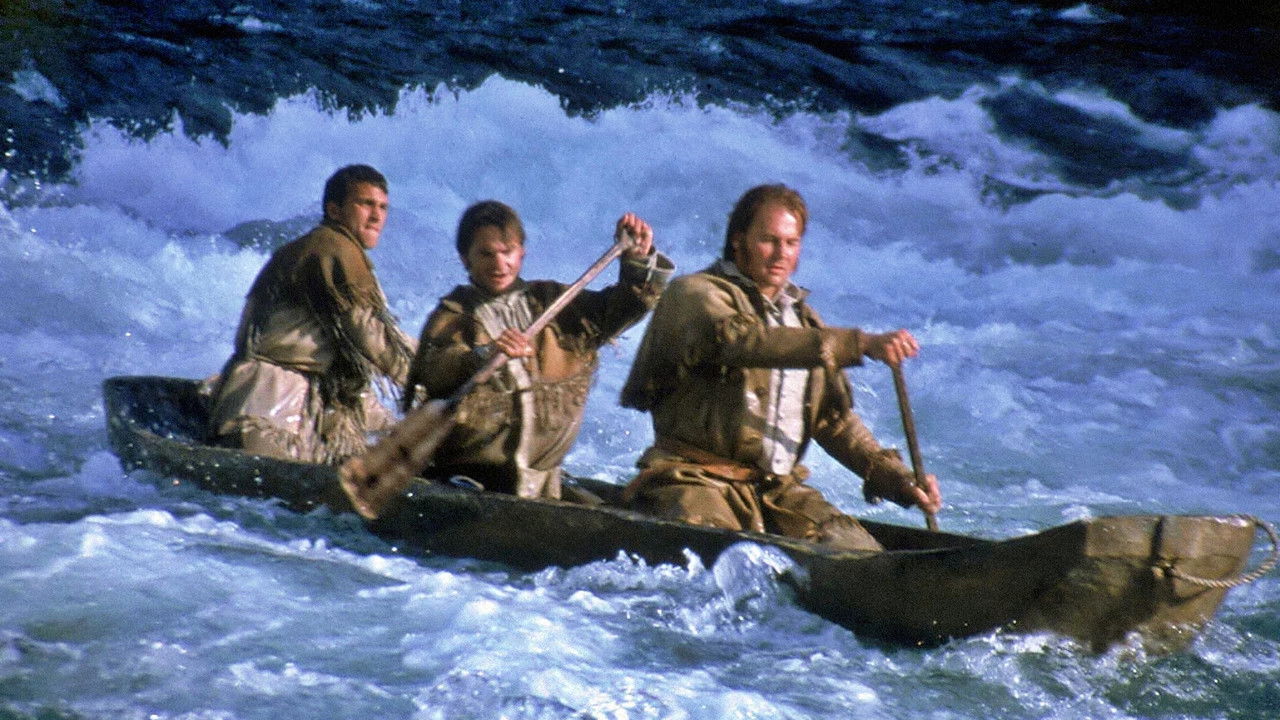
Lewis & Clark: Great Journey West (2002)
Explorers Meriwether Lewis and William Clark lead a U.S. expedition to the Pacific Ocean and back.
Explorers Meriwether Lewis and William Clark lead a U.S. expedition to the Pacific Ocean and back.
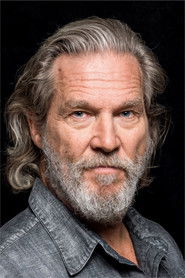 Jeff BridgesNarrator (voice)
 Kelly BoulwareMeriwether Lewis
 Sonny SurowiecWilliam Clark
 Alex RiceSacajawea
A Texas congressman sets a series of events in motion when he conspires with a CIA operative to aid Afghan mujahideen rebels fighting the Soviets.
Watched by crowds, Sir Redvers Buller, Lady Buller, the Mayor of Southampton and others walk along the gangway leading to the ship towards the camera. Sir Redvers pauses to be introduced to one of the ship's officers before embarking. According to BFI programme notes, the filmmaker William K.L. Dickson can be seen bottom left, attempting to introduce himself to General Buller as he passes. Film companies were in competition to film reportage of the Boer War and Dickson was one of those filmmakers keen to do so.
Spectators on the quayside at Southampton wave farewell as the crowded troopship Roslin Castle moves away to the right of the picture. Large numbers of troops on board wave back to loved ones and the crowd including thr 2nd Battaliion West Yorkshires. Date: 20th October 1899.
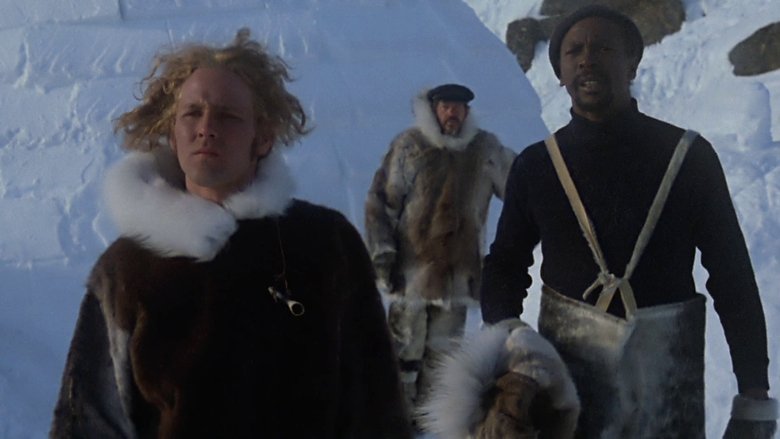
In 1896, three survivors of a whaling ship-wreck in the Canadian Arctic are saved and adopted by an Eskimo tribe but frictions arise when the three start misbehaving.
In 1863, when a legless, shipwrecked man washes up on the Acadian coast, he's taken to the home of Jean the Corsican, a burly and bitter former soldier, and his childless young wife, Julitte. The man, who is young, handsome, and well-dressed, remains mute as Julitte nurses him back to health. Jean, meanwhile, who is inexplicably estranged from Julitte and an outsider to townspeople, continues his hunt for pirate treasure, rumored to be hidden in a cave by the sea. The treasure is his ticket out of Acadia. As loneliness and Eros draw Julitte and the mysterious Jérôme together, something's got to give.
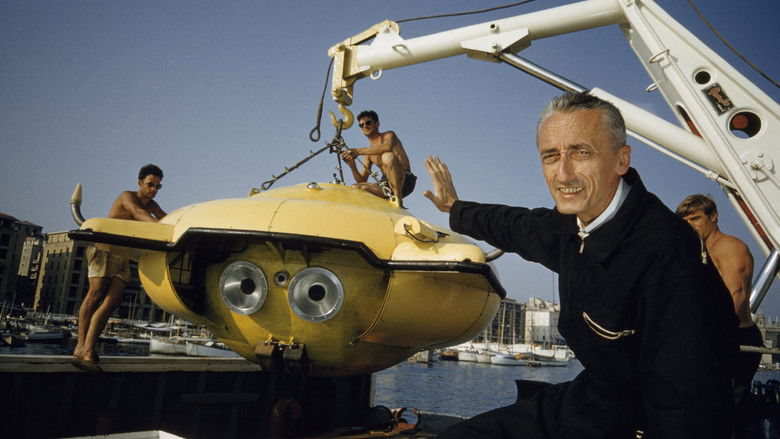
Adventurer, filmmaker, inventor, author, unlikely celebrity and conservationist: For over four decades, Jacques-Yves Cousteau and his explorations under the ocean became synonymous with a love of science and the natural world. As he learned to protect the environment, he brought the whole world with him, sounding alarms more than 50 years ago about the warming seas and our planet’s vulnerability. In BECOMING COUSTEAU, from National Geographic Documentary Films, two-time Academy Award®-nominated filmmaker Liz Garbus takes an inside look at Cousteau and his life, his iconic films and inventions, and the experiences that made him the 20th century’s most unique and renowned environmental voice — and the man who inspired generations to protect the Earth.
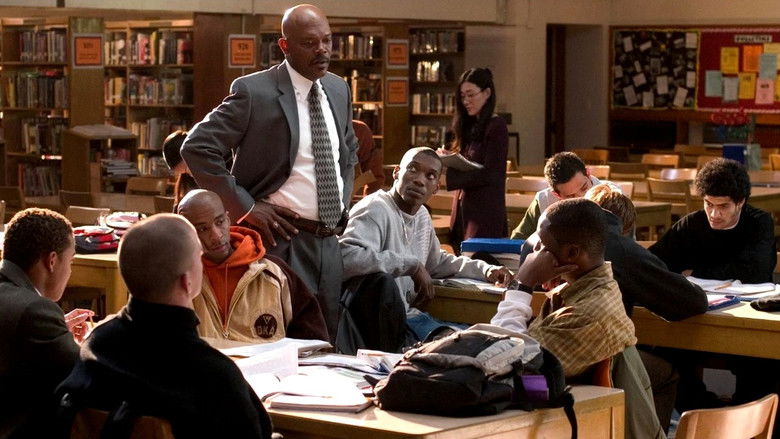
Based on a true story, in which Richmond High School head basketball coach Ken Carter made headlines in 1999 for benching his undefeated team due to poor academic results.

Richthofen goes off to war like thousands of other men. As fighter pilots, they become cult heroes for the soldiers on the battlefields. Marked by sportsmanlike conduct, technical exactitude and knightly propriety, they have their own code of honour. Before long he begins to understand that his hero status is deceptive. His love for Kate, a nurse, opens his eyes to the brutality of war.
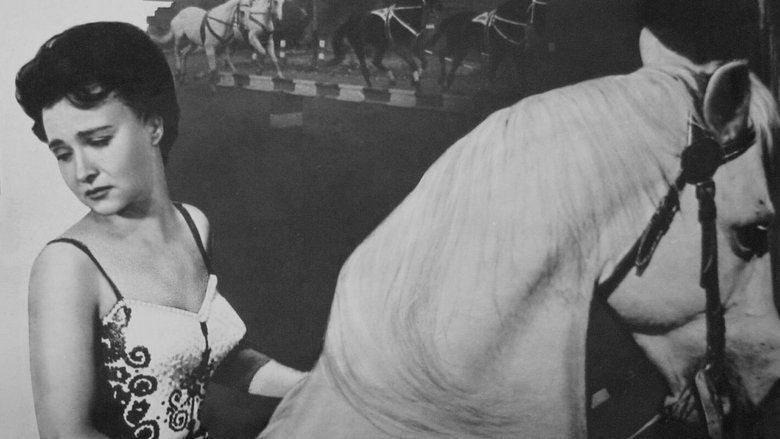
In one of the occupied European cities, the commandant of the garrison gathers a troupe of circus performers. Coming from different countries, they are in the humiliating position of people forced to serve their enslavers. Many of them, recruited from camps and workhouses, were quite content with their lot. Only after a chain of subsequent events, the artists raise an uprising. Unarmed people are not able to resist the arrived guards. They die, but at the cost of their lives they regain their lost human dignity.
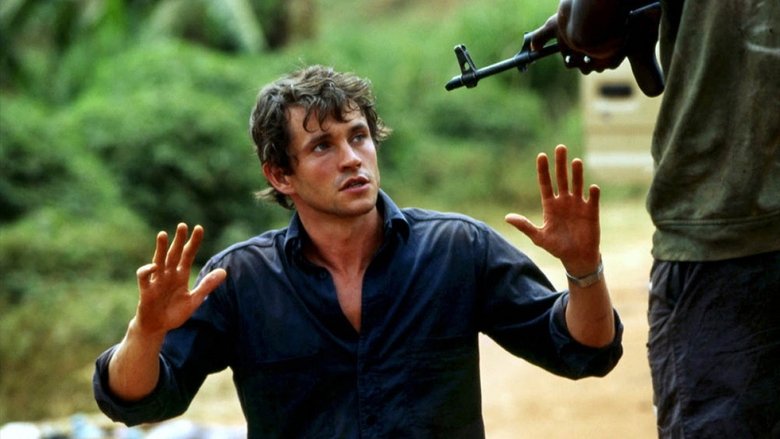
Two westerners, a priest and a teacher find themselves in the middle of the Rwandan genocide and face a moral dilemna. Do they place themselves in danger and protect the refugees, or escape the country with their lives? Based on a true story.
An actuality and reportage film. This film captures Lord Frederick Roberts (British Army rank Field Marshal) departing England for South Africa on 23rd December 1899, where he commanded British forces for a year in the Second Boer War. The ship in this film is the RMS Dunottar Castle. Going with Roberts is his chief of staff, Lord Kitchener, whose future role as Secretary Of State for War during World War One awaits him. This film was produced and distributed by the Warwick Trading Company, a London based company at its peak at this time, involved in the majority of British films.The Warwick Trading Company specialised in travel, reportage and actuality films and had substantial catalogues. Charles Urban had taken over as managing director in 1897 and was in that role when this film was produced. According to the BFI programme entry, the company had a large amount of resources already in South Africa. This meant they could capture historic moments as part of its Boer War coverage.

An account of the last two centuries of the Anthropocene, the Age of Man. How human beings have progressed so much in such a short time through war and the selfish interests of a few, belligerent politicians and captains of industry, damaging the welfare of the majority of mankind, impoverishing the weakest, greedily devouring the limited resources of the Earth.

In this biopic, Christian Rahadi – aka Chrisye – overcomes early failures, family strife and anxiety to become one of Indonesia's legendary musicians.
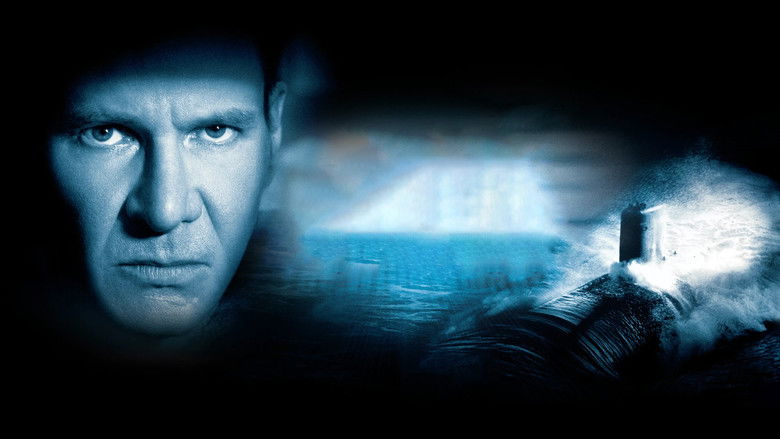
When Russia's first nuclear submarine malfunctions on its maiden voyage, the crew must race to save the ship and prevent a nuclear disaster.
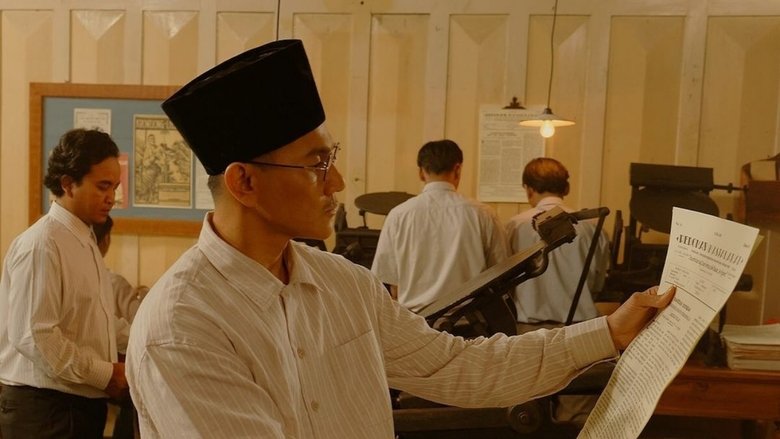
Discover the life of renowned Muslim scholar Buya Hamka, from his humble West Sumatra origins to his political achievements.
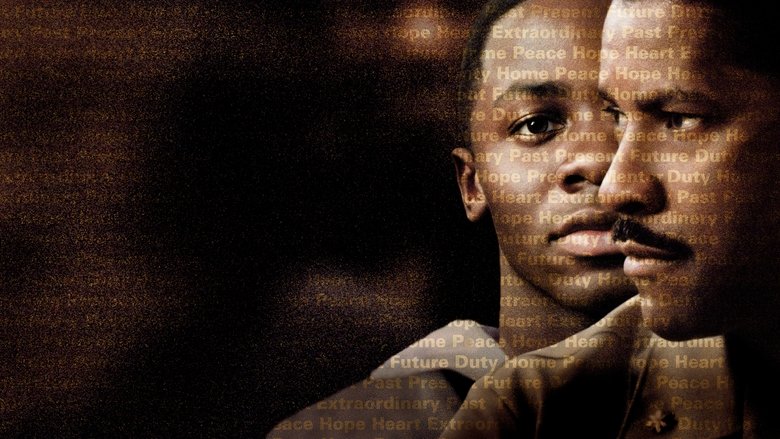
A sailor prone to violent outbursts is sent to a naval psychiatrist for help. Refusing at first to open up, the young man eventually breaks down and reveals a horrific childhood. Through the guidance of his doctor, he confronts his painful past and begins a quest to find the family he never knew.
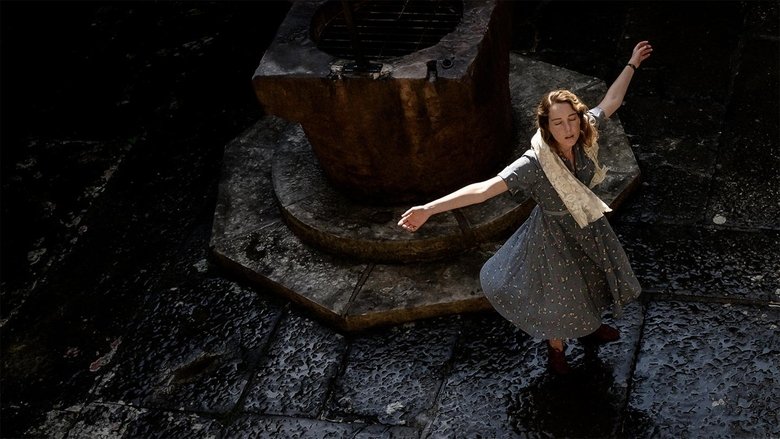
Chiara is a young teacher who lives the horror of war trying desperately to make sense of what is happening. In the aftermath of the armistice, plagued by a thousand doubts and a thousand questions, while she wanders through the bombed-out city, she stops in front of a statue of the Madonna and realizes that God is the only ideal that has not collapsed. Thus she chooses to live the Gospel concretely with a single mission: to ensure that "all may be one".
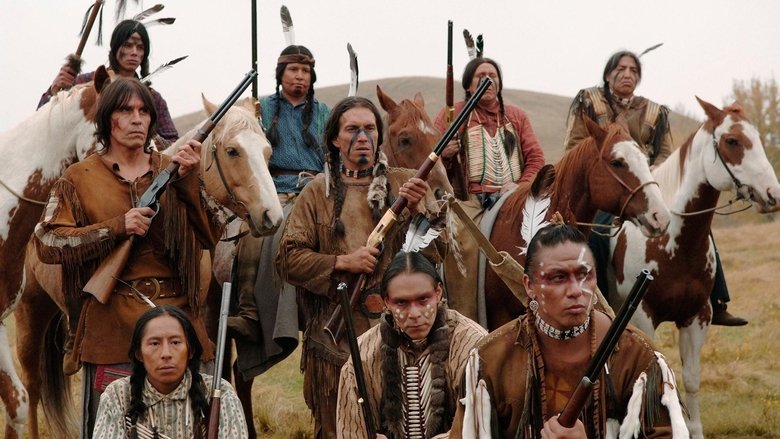
Beginning just after the bloody Sioux victory over General Custer at Little Big Horn, the story is told through two unique perspectives: Charles Eastman, a young, white-educated Sioux doctor held up as living proof of the alleged success of assimilation, and Sitting Bull the proud Lakota chief whose tribe won the American Indians’ last major victory at Little Big Horn.
The Czech revival movement is divided at the end of the first half of the 19th century. While the older generation, such as František Palacký, urges restraint, students lean towards radical positions. A report on the revolutionary events in Paris prompts Czech Prague residents to write down the demands of the Czech nation for self-determination and the proclamation of a constitution. Tensions peak during the All-Slavic Congress in Prague's Žofín. Vienna rejects the Czech demands and the congress is brutally dispersed by the Austrian police. Prague begins to build barricades...

The true story of fraudulent Washington, D.C. journalist Stephen Glass, who rose to meteoric heights as a young writer in his 20s, becoming a staff writer at The New Republic for three years. Looking for a short cut to fame, Glass concocted sources, quotes and even entire stories, but his deception did not go unnoticed forever, and eventually, his world came crumbling down.