
Making Waves: The Art of Cinematic Sound (2019)
The history of cinematic sound, told by legendary sound designers and visionary filmmakers.
The history of cinematic sound, told by legendary sound designers and visionary filmmakers.
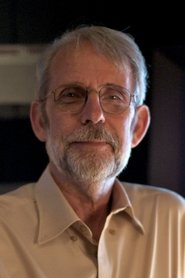 Walter MurchSelf
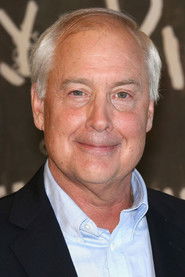 Ben BurttSelf
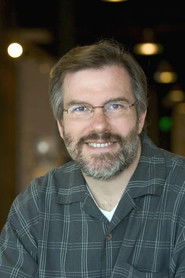 Gary RydstromSelf
 Sofia CoppolaSelf
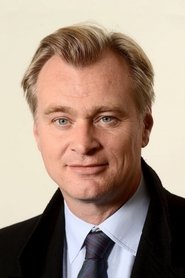 Christopher NolanSelf
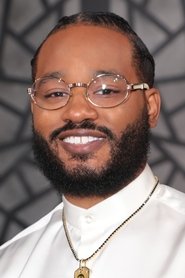 Ryan CooglerSelf
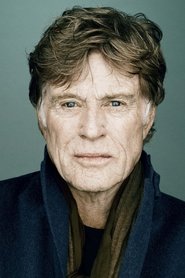 Robert RedfordSelf
 Barbra StreisandSelf
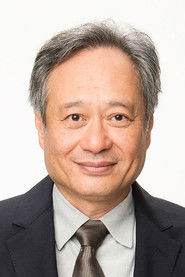 Ang LeeSelf
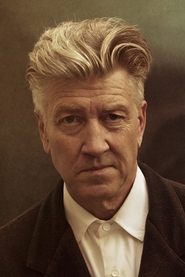 David LynchSelf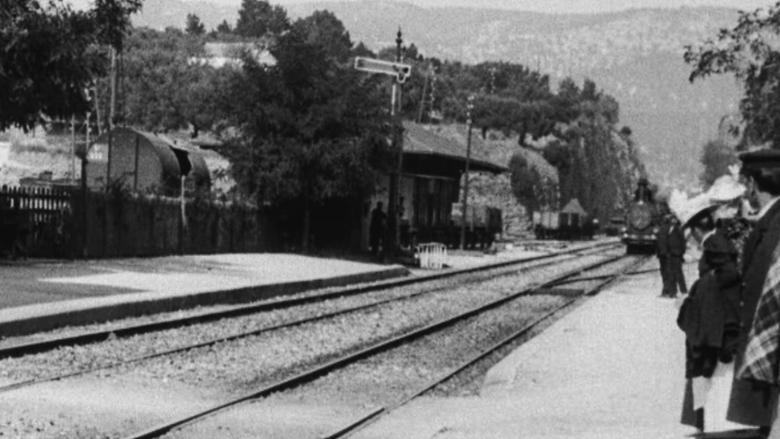
A group of people are standing along the platform of a railway station in La Ciotat, waiting for a train. One is seen coming, at some distance, and eventually stops at the platform. Doors of the railway-cars open and attendants help passengers off and on. Popular legend has it that, when this film was shown, the first-night audience fled the café in terror, fearing being run over by the "approaching" train. This legend has since been identified as promotional embellishment, though there is evidence to suggest that people were astounded at the capabilities of the Lumières' cinématographe.
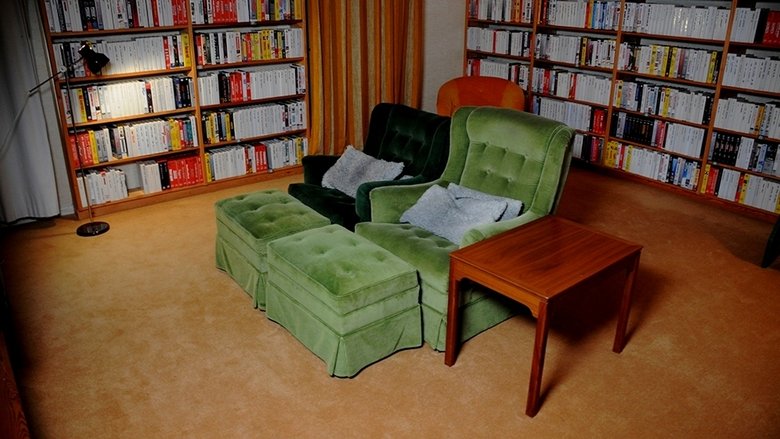
In the sixties, Swedish filmmaker Ingmar Bergman (1918-2007) built a house on the remote island of Fårö, located in the Baltic Sea, and left Stockholm to live there. When he died, the house was preserved. A group of very special film buffs, came from all over the world, travel to Fårö in search of the genius and his legacy. (An abridged version of Bergman's Video, 2012.)
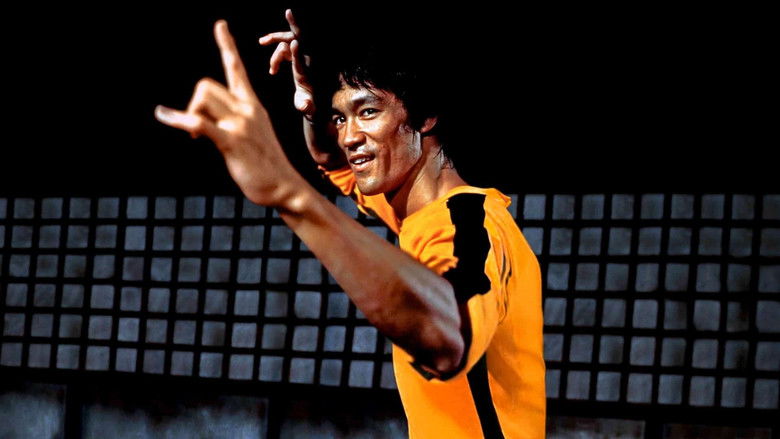
The fantastic story of how an ancient martial art, Chinese kung fu, conquered the world through the hundreds of films that were produced in Hong Kong over the decades, transformed Western action cinema and inspired the birth of cultural movements such as blaxploitation, hip hop music, parkour and Wakaliwood cinema.
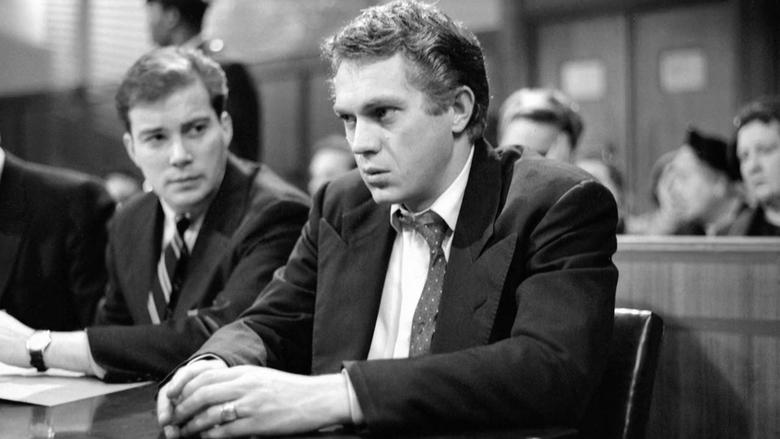
The story of the abandoned production of 'Day of the Champion', a movie about Formula 1 which was set to film in 1966.
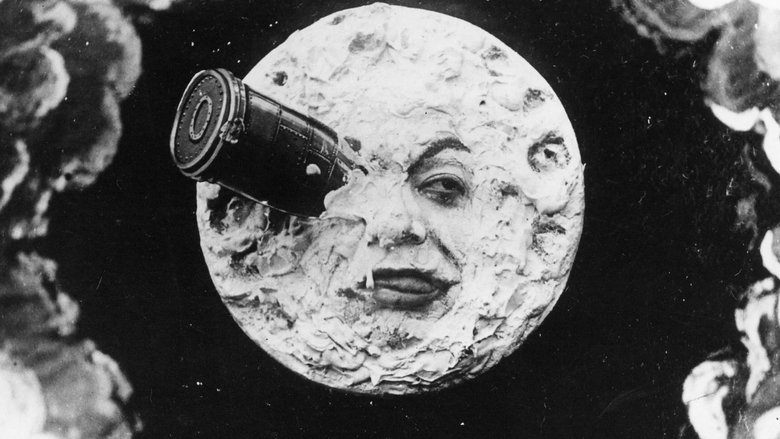
A documentary that details the process of restoring 270 of the 520 lost films of pioneering director Georges Méliès, all orchestrated by a Franco-American collaboration between Lobster Films, the National Film Center, and the Library of Congress.
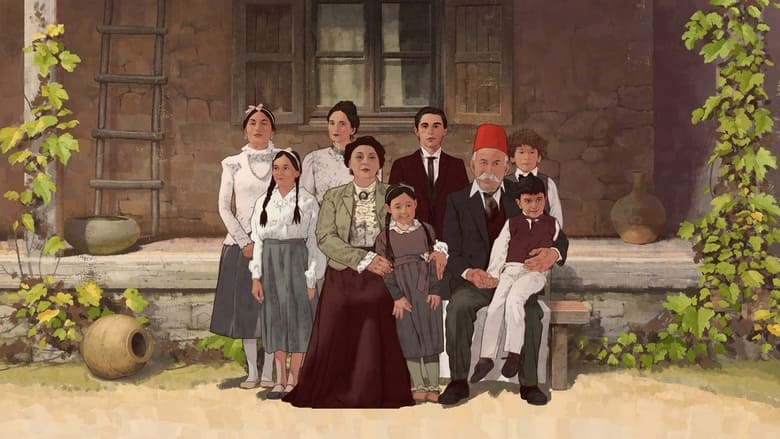
The story of how Aurora Mardiganian (1901-94), a survivor of the Armenian genocide perpetrated by the Ottoman Empire (1915-17), became a Hollywood silent film star.
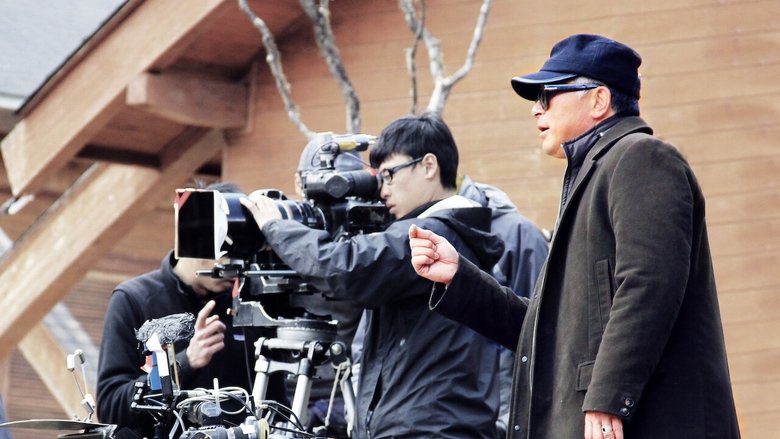
As Hong Kong's foremost filmmaker, Johnnie To himself becomes the protagonist of this painstaking documentary exploring him and his Boundless world of film. A film student from Beijing and avid Johnnie To fan, Ferris Lin boldly approached To with a proposal to document the master director for his graduation thesis. To agreed immediately and Lin's camera closely followed him for over two years, capturing the man behind the movies and the myths. The result is Boundless, a candid profile of one of Hong Kong's greatest directors and a heartfelt love letter to Hong Kong cinema.
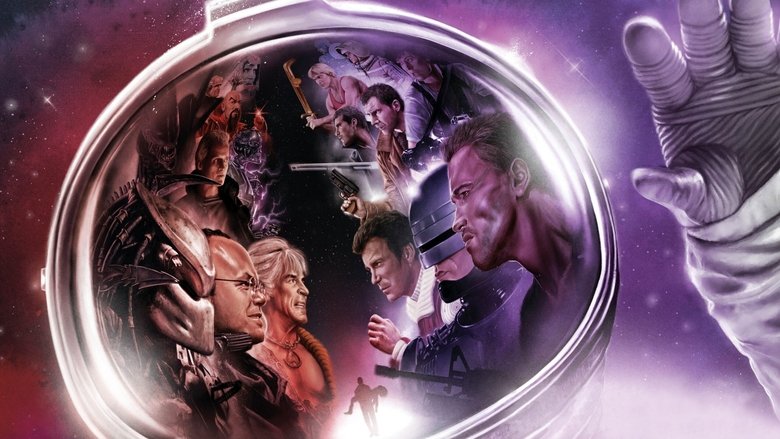
A nostalgic journey through ’80s Sci-Fi-films, exploring their impact and relevance today, told by the artists who made them and by those who were inspired to turn their visions into reality.
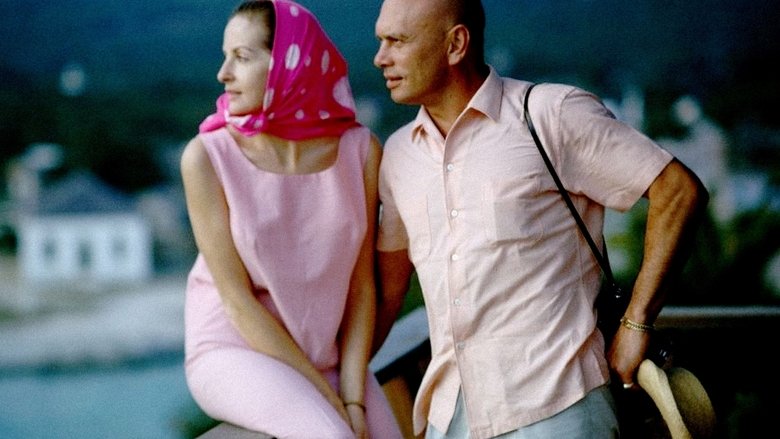
The incredible story of the mythical Russian-American actor and filmmaker Yul Brynner (1920-85), the most exotic sex-symbol since Rudolph Valentino; the story of the atypical destiny of an international nomad: from the Parisian cabarets to the stages of Broadway and the Hollywood studios. The rise to fame of a multidisciplinary genius who became a king of the screen.
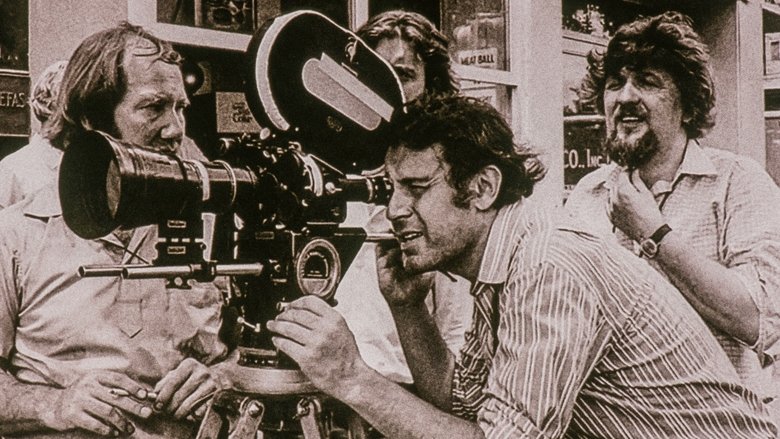
A moving account, in his own words, of the personal life and work of the brilliant Czech filmmaker Miloš Forman (1932-2018): his tragic childhood, his major contribution to the cultural movement known as the Czech New Wave, his exile in Paris, his troubled days in New York, his rise to stardom in Hollywood; a complete existence in the service of cinema.

A detailed history of documentary filmmaking in the US and the UK from 1929 to 1945. The first part, Working for Change, focuses on 1929-1941 and the social movements of the times, The Great Depression, The New Deal, and the awakening of the Leftwing in the UK. The second part, The Strategy of Truth, focuses on 1933-1946 and explores the role of film as propaganda during World War II, and the different forms it took in the US, the UK, and Germany.
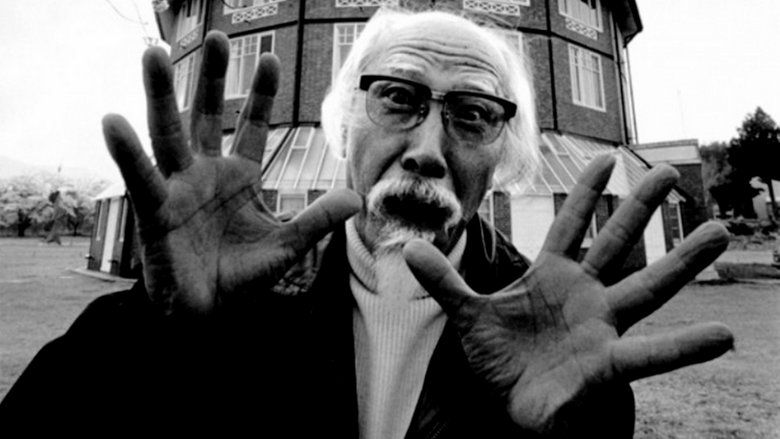
Film director and screenwriter Seijun Suzuki (1923-2017), who in the sixties was the great innovator of Japanese cinema; and his collaborator, art director and screenwriter Takeo Kimura (1918-2010), recall how they made their great masterpieces about the Yakuza underworld for the Nikkatsu film company.

How did Marilyn Monroe become one of the greatest sex symbols of all time? What drove a prudish little Californian girl, who was not especially pretty nor exceptionally talented, to become this incredibly striking platinum blonde superstar? How did she become the icon capable of balancing innocence with raw sensuality, whilst continuing to captivate the masses to this day? How did she achieve this? And what price did she pay?
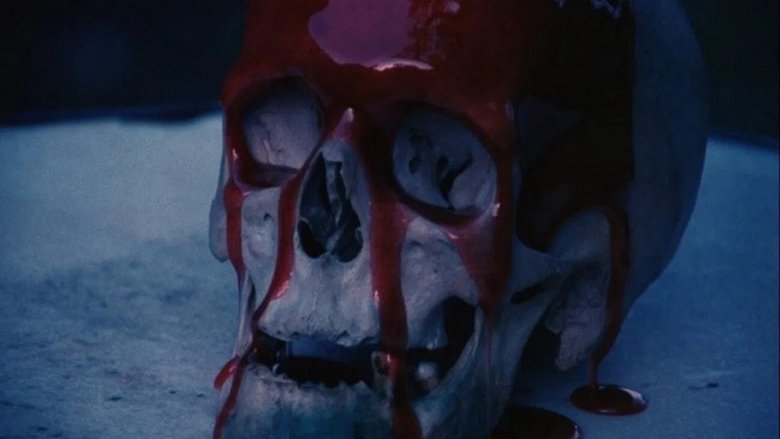
Spain, 1975. Franco's death opens the door to the possibility of uncensored cinema. After two years of relaxed censorship, it is abolished in 1977, and the “S” rating is created to protect viewers from films that may “offend their sensibilities.”
Emilio Pascual, a historical figure of Andalusian cinema from the early 1900s, appears in today's Malaga with the mission of bringing the first documentary filmed in Andalusia to its first screening.
The history of the Yakuza Eiga at the TOEI studio is roughly outlined. Real Yakuza and also their connections to the movie business are discussed, and many important actors and directors of the genres are interviewed. Former real yakuza boss turned actor Noboru Ando, Takashi Miike, Sonny Chiba and many more get a chance to speak.

The personal and professional story of Ilona Staller, known as Cicciolina, is probably unique: she left communist Hungary and moved to Italy, where she found a fertile environment for a life dedicated to scandal.
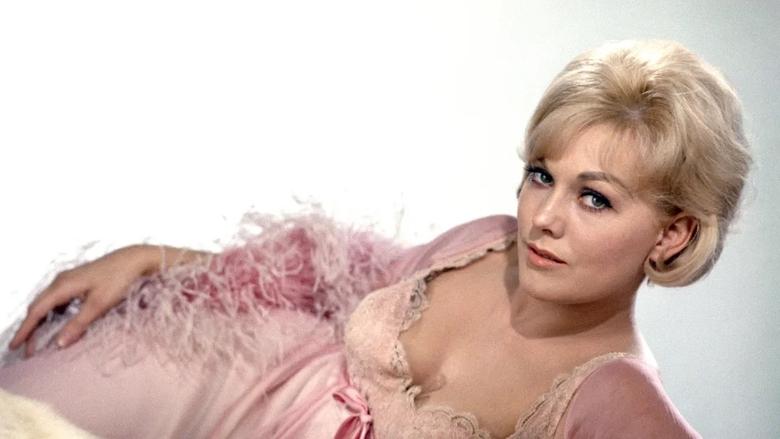
Kim Novak never dreamed on being a star, but she became one. Most famous for her enigmatic performance in Hitchcock’s Vertigo (1958), the Chicago-born actress never quite fitted into the Hollywood mould and wanted to do things her own way.
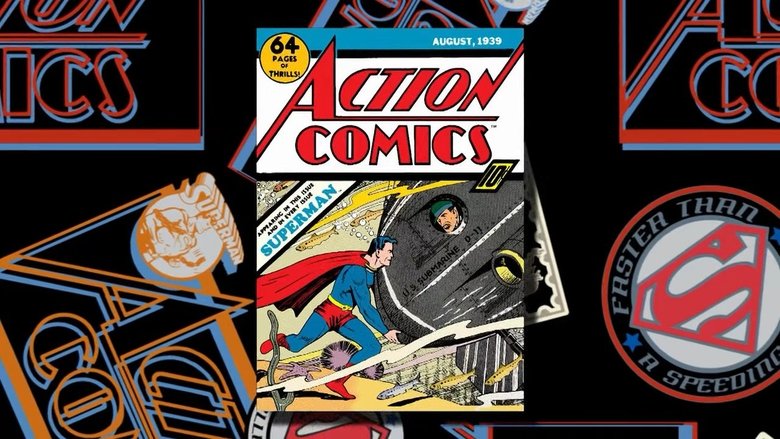
The history of the comic book superhero, Superman, in his various media incarnations.
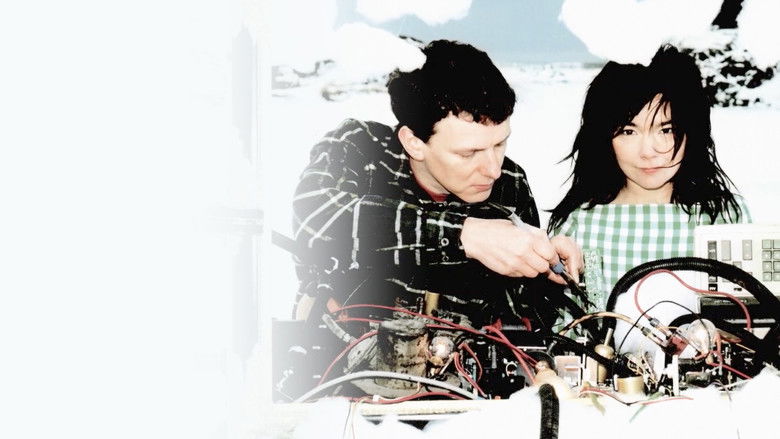
A portrait of French filmmaker Michel Gondry, creator, for three decades, of an imperfect, astonishing, fascinating, damaged and poetic work.