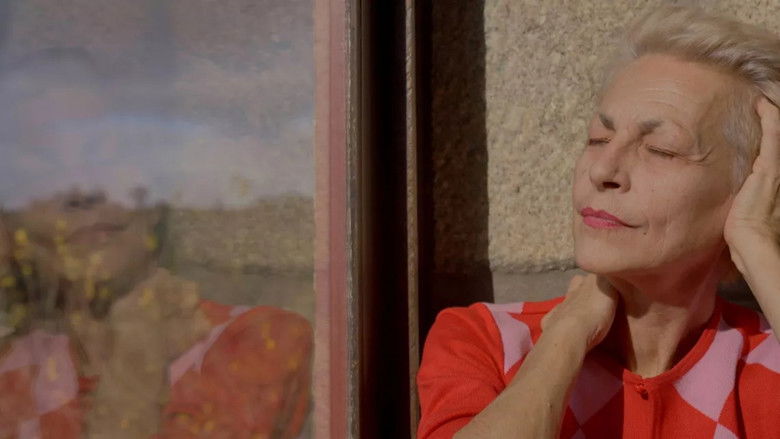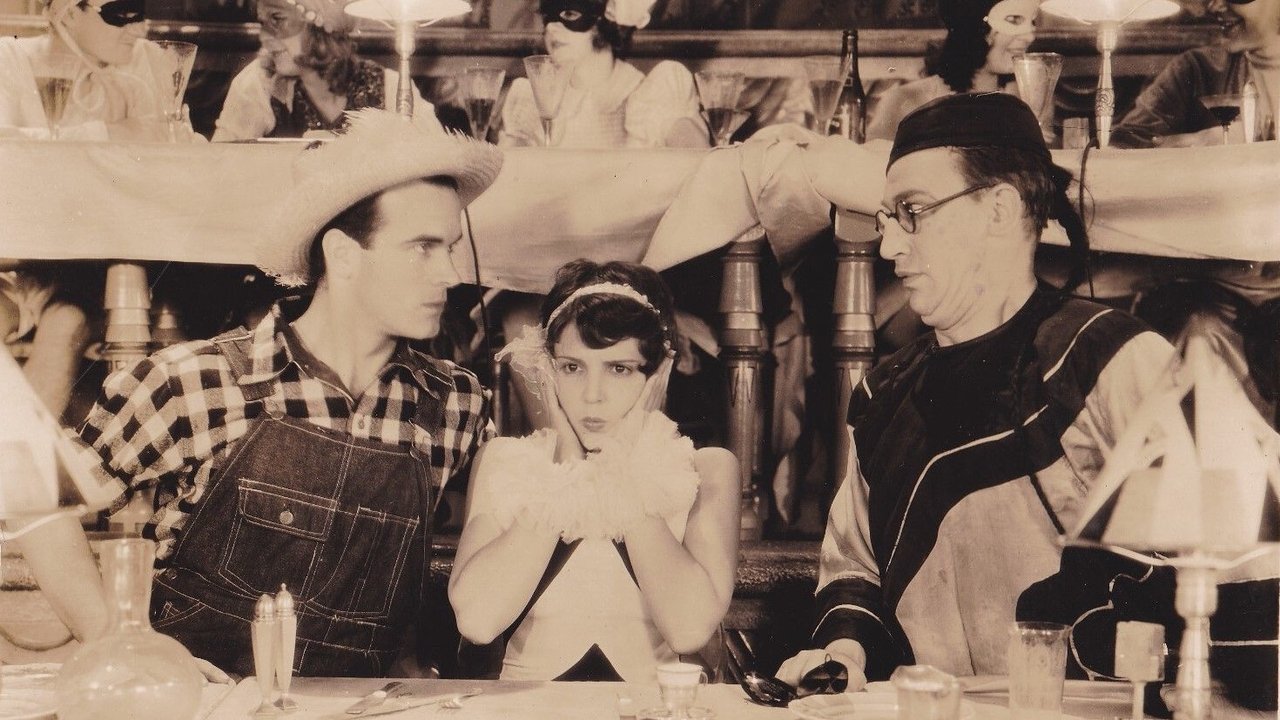
Why Leave Home? (1929)
Why Leave Home? is said to be a lost film according to the Fox section at Lost Film Files.
Why Leave Home? is said to be a lost film according to the Fox section at Lost Film Files.
 Sue CarolMary
 Dixie LeeBillie
 Nick StuartDick
 Ilka ChaseEthel
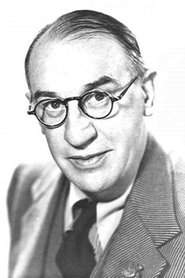 Walter CatlettElmer
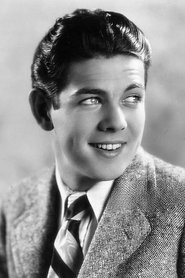 David RollinsOscar
 Jean LavertyJackie (as Jean Bary)
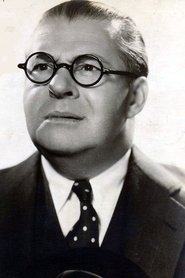 Jed ProutyGeorge
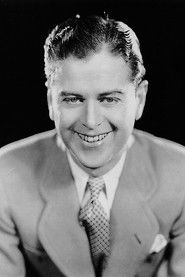 Richard KeeneJose
 Laura HamiltonMaude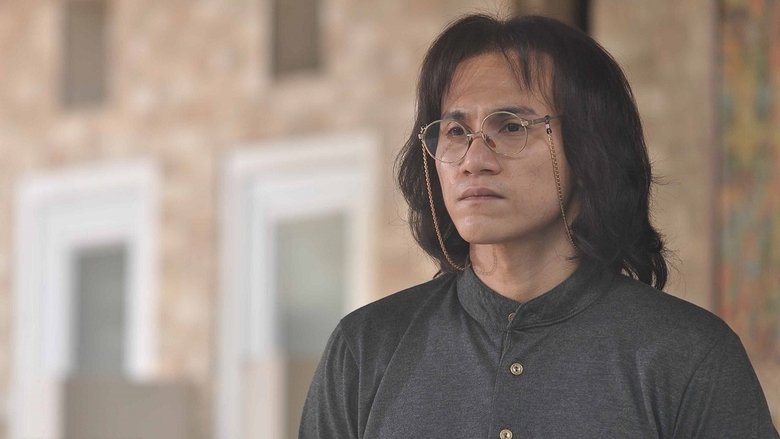
In this biopic, Christian Rahadi – aka Chrisye – overcomes early failures, family strife and anxiety to become one of Indonesia's legendary musicians.


After a deadly incident involving her producer, rising pop star Naya flees with her sister and ailing father to a remote village. There, she’s forced to hide her identity and perform as a dangdut singer—while struggling to escape her past and the law closing in.
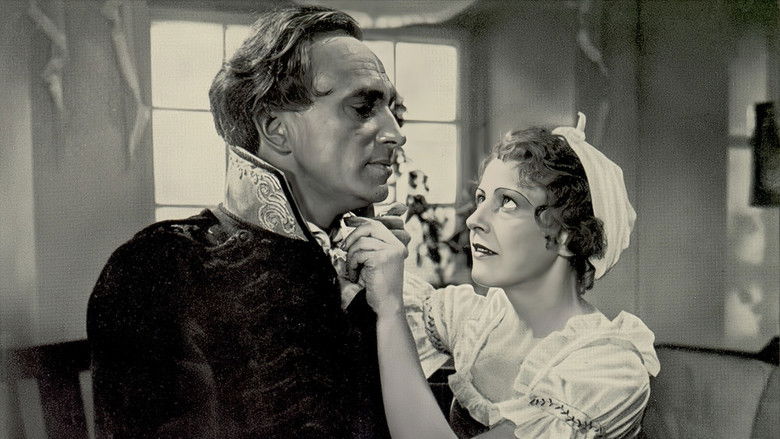
In 1812, during the French period, large parts of Germany are occupied by the troops of Napoleon. Several paramilitary Freikorps units battle the French forces, among them the Black Brunswickers led by the 'Black Duke' Frederick William of Brunswick-Wolfenbüttel. After the War of the Fifth Coalition, the Black Hussars are pursued by Napoleon throughout the country, but frequently take refuge with the noble-minded German people.
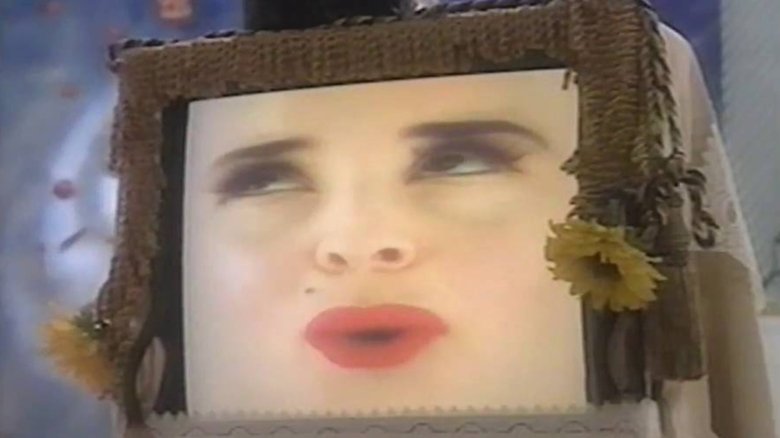
Three children visit their friend Bethie's clubhouse where they are encouraged to be as silly as possible as long as they learn and do well in school. Everything is silly at Bethie's clubhouse, the door tells knock-knock jokes, the books jockey to be read first, and the TV reminds Bethie when her favorite show "Ivana the Iguanna's Beauty Tips" is on. Add to that an assortment of silly visitors like Kitty Kat Man, Captain Schnorer the Worldwide Explorer and various talking animals who all break into wonderful musical numbers while educating the kids.

Larry the Cucumber's vision of the future includes automated robotic hosts telling jokes with random punch lines and musical numbers in which the performers and themes are chosen entirely by chance. As Bob the Tomato quickly points out, the jokes of the future aren't very funny because they don't make sense. Worse, technical malfunctions in the Ventrilomatic hosts actually promote emotional instability. Nonetheless, Bob admits that Larry's vision of the future contains some very cool adaptations of classic songs like Gilbert and Sullivan's fast-talking "Modern Major General" and Binky the Aardvark's solo performance of Mozart's The Barber of Seville. Larry's vision of the future also includes an amusing animated short about greed called "Lunch." Junior Asparagus calls Bob and Larry back to the present with a final song celebrating God's unconditional love.
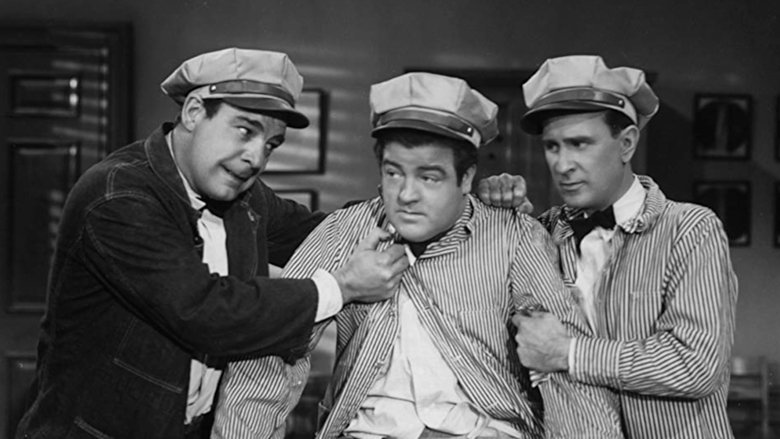
Molly, her brother, Slats, and his pal, Oliver, are taxi dancers at the Miramar Ballroom. As a publicity stunt, Slats plants an article about Molly claiming her ambition is to earn enough money to attend staid, all-girl Bixby College. Bixby's progressive dean offers Molly a scholarship. Molly accepts on the condition that Slats and Oliver come along too as campus caretakers. But the pompous Chairman threatens to foreclose on the school's mortgage if Molly isn't expelled. Together, the trio, with the help of some new friends, concocts a scheme to raise enough money to save the school. The plan involves a bet on the Bixby basketball team, which is playing in a game rated at 20 to 1 by the local bookie. But the bookie has other plans for their dough and hires a group of ringers to step in for the opponents. All is not lost, at least while Oliver has the chance to turn things around for his friends-one way or another.

Many French-speaking artists from different countries pay tribute in song to the women and men who share and support the French language around the world. Four great ambassadors of music will guide the audience throughout the evening: Roch Voisine, Cœur de Pirate, Gims, and Mentissa. They are joined by a large number of artists, including Pierre de Maere, Ycare, Claudio Capéo, Axelle Red, Diane Dufresne, Cephaz, Khaled, Marie-José Lord, Sarahmée, Josianne, Radio Radio, Teety, Bilal Hassani, Emilie-Claire Barlow, and Olivier Dion. From the Agora in Quebec City's Old Port, in front of 8,000 people, this small world celebrates Francophonie in unison.
Join Ozzy Octave and his friends as they sing and dance to their favourite nursery rhymes. Some of the happening songs include 'Polly Put the Kettle On', 'Michael Finnigan', 'Jack and Jill', 'Pop Goes the Weasel' and 'Oranges and Lemons'.

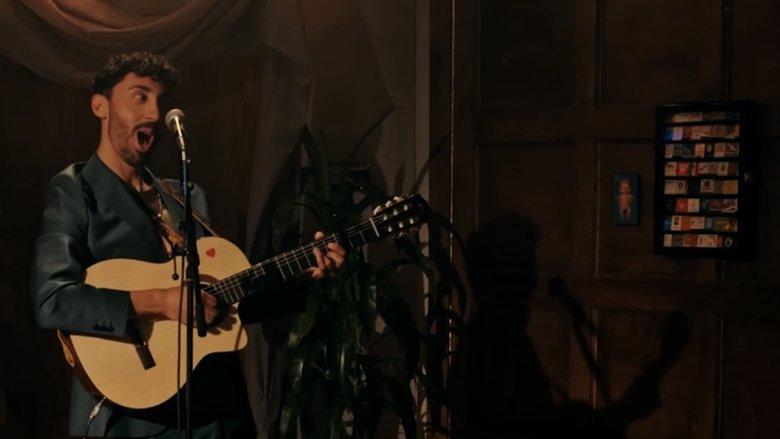
Morgan Jay's second comedy special recorded live at the legendary Village recording studio in Los Angeles.
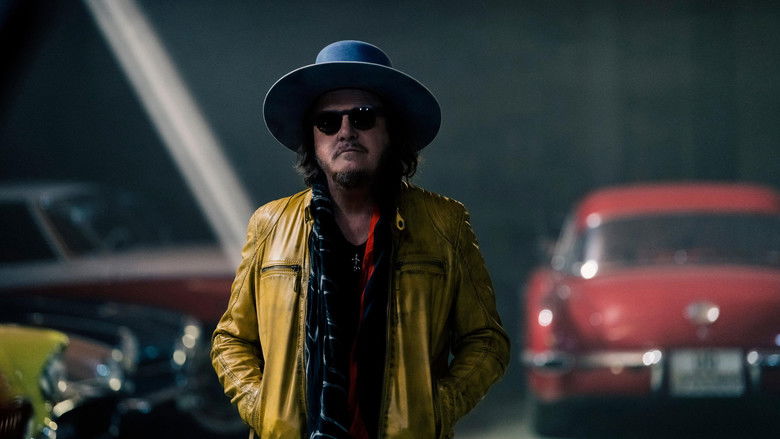
The documentary film tells the story of Zucchero Sugar Fornaciari through his words and those of colleagues and friends such as Bono, Sting, Brian May, Paul Young, Andrea Bocelli, Salmo, Francesco Guccini, Francesco De Gregori, Roberto Baggio, Jack Savoretti, Don Was, Randy Jackson and Corrado Rustici. A journey of the soul which, thanks to images coming from Zucchero's private archives and from the "World Wild Tour", his last and triumphant world tour, goes beyond the portrait of a successful musician reaching into the doubts and fragilities of 'man.
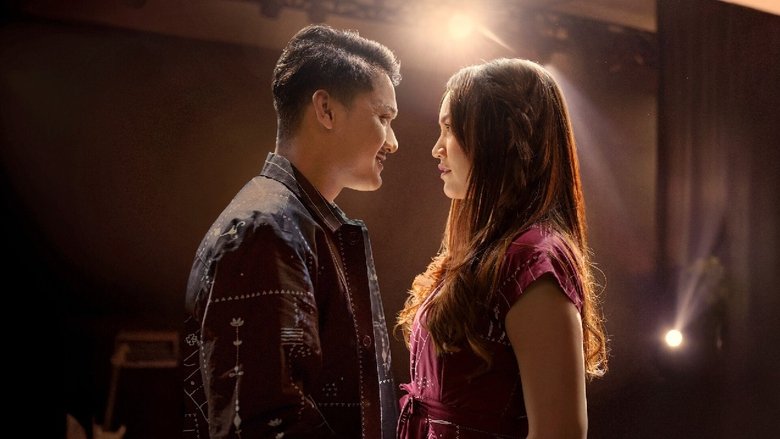
Jeru wants his band to be a success. But when he meets Bethari, their romance puts his dreams at risk as her royal family seeks to sabotage their lives.
Soviet musical film-concert directed by Boris Barnet. Filmed in 1952 at the Kyiv Film Studio.
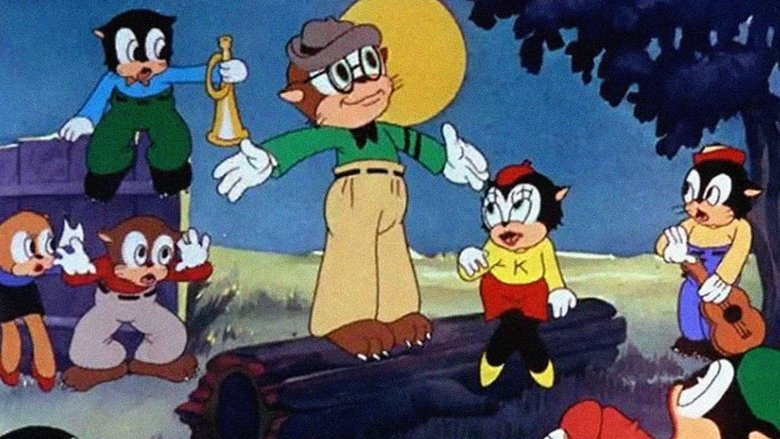
At the Katnip Kollege, we see a roomful of cats taking a course in Swingology. Everyone swings except Johnny, who can't cut it and has to sit in the dunce chair. Miss Kitty Bright tells him to look her up when he learns how to swing. Finally, listening to the pendulum clock at night, Johnny gets the beat. He rushes out to where everyone is playing and sings "Easy As Rollin' Off a Log" to Kitty Bright. She joins in; he grabs a trumpet for an instrumental break, with the complete band. They both fall off a log; she covers him with kisses.
The rise and fall of late 80's hard rock / "hair band", Boy Elroy.
An exploration into the benefits of music in uk youth culture. Understanding the comfort it can provide.
Three years of research and perseverance enabled the filmmakers to uncover exceptional and completely unseen archive footage of our father in concert. More than 40 years later, it was beyond our wildest dreams! Far from the formulaic image of “Cloclo” on television, we suddenly see a different artist, a showman, an extraordinary dancer giving his heart and soul, sweating, his eyes filled with his music. We realize that at least two generations are unaware of his true artistic dimension. Through these audiovisual treasures, he alone tells us about his career, his influences, and shares his passion for music and his craft. If we had to show our children just one documentary about our father, it would be this one!