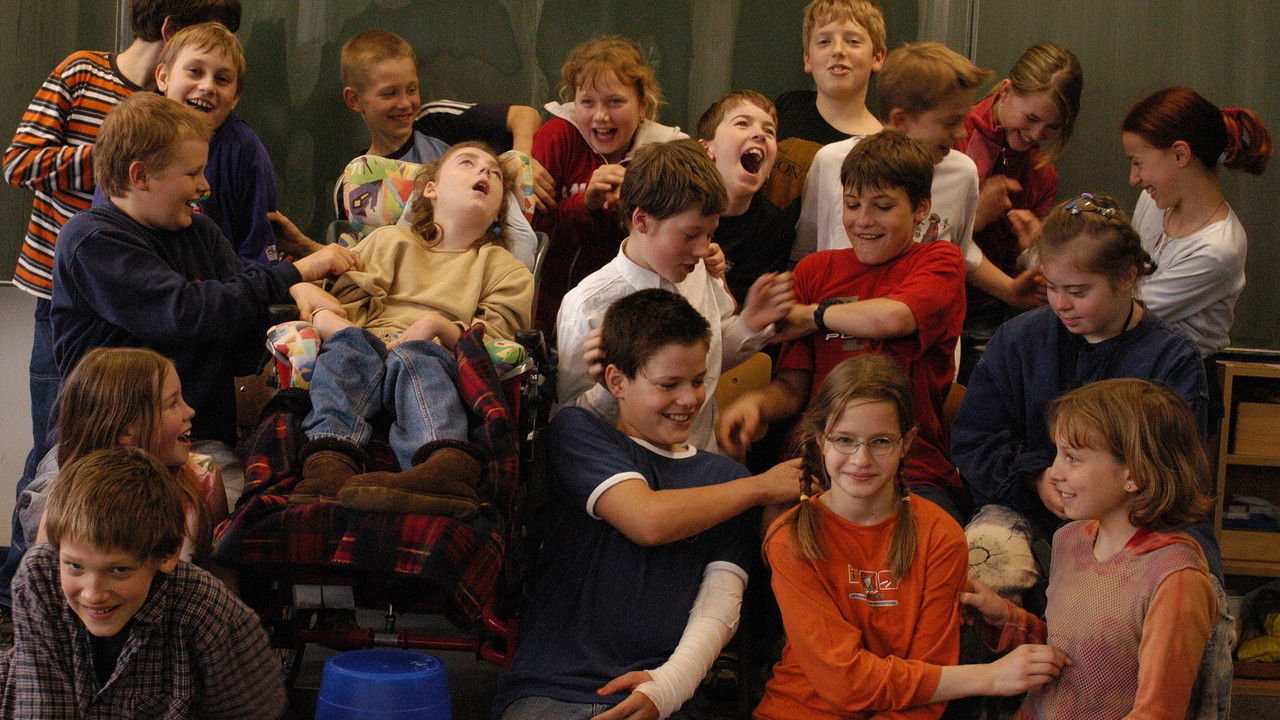
Children of Utopia (2019)
Twelve years after they went to school together, six children from Berlin with and without disabilities are interviewed on the topic of inclusion in the German school system.
Twelve years after they went to school together, six children from Berlin with and without disabilities are interviewed on the topic of inclusion in the German school system.
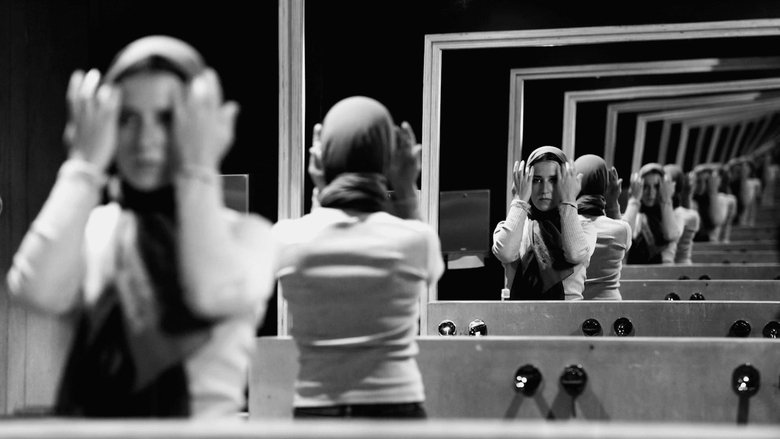

On 1 January 2021, the UK's transition period with the EU ended and new rules and regulations were agreed at the last minute. This is a time for reflection on the social phenomenon that is Brexit - which has now become a British trademark world-over, alongside the Royal Family, fish and chips and Sherlock Holmes. Brexit Through The Non-Political Glass puts politicians and public sentiments to one side, and seeks the opinions of non-partisan world-class experts - the scholars and professional advisors who specialize in this very topic; no politicians and propagandists, and no social media and populism; among the experts is Vernon Bogdanor, the Oxford tutor of former British prime minister David Cameron, who was consulted before the referendum was offered to the nation; you will hear what his advice was.

A porn-loving, Charles Manson-befriending, Mississippi Republican runs to become the next sheriff.

Oscar-winner Michael Moore dives right into hostile territory with his daring and hilarious one-man show, deep in the heart of TrumpLand in the weeks before the 2016 election.

Wild About Hank is a documentary that covers the story of Hank, a cat, who ran for the Virginia U.S. senate seat in 2012 against George Allen and Tim Kaine. While the campaign began as satire, it turns into a more serious effort to raise awareness about both politics and animal welfare.
For some time now, there have been schools in Germany whose aim is not to segregate any child. Everyone should be integrated with their minor or major handicaps, advantages or weaknesses, whether highly gifted or severely disabled. Klassenleben tells the story of such a school, its teachers, its children and the immense challenge of learning. From winter to summer 2004, Hubertus Siegert and his film team accompanied class 5d at the Fläming elementary school in Berlin. At eye level with its protagonists, the film observes the learning and life of pupils with extremely different abilities in a class of 20 children, four of whom have learning difficulties or severe multiple disabilities, and 16 "normal pupils", including some so-called gifted pupils. Do lessons succeed in such a heterogeneous group? Is everyone motivated to learn where the competition is not between "gifted" children?
50 years ago, assemblyman George Michaels cast a single vote on New York's abortion bill that changed the course of American history but destroyed his political career in the process.
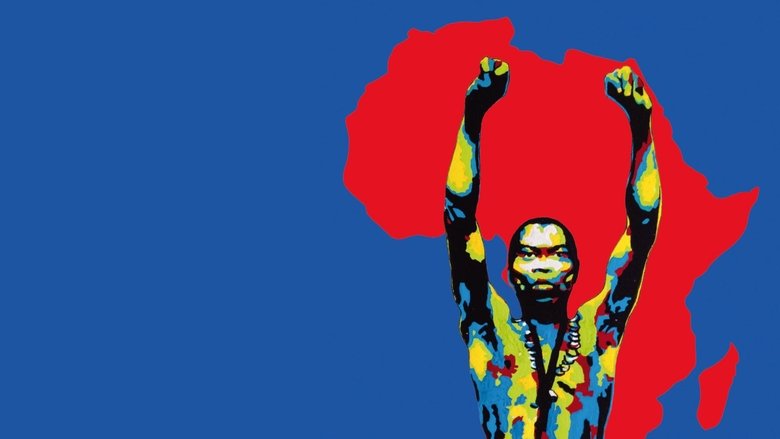
Fela Anikulapo Kuti created the musical movement Afrobeat and used it as a political forum to oppose the Nigerian dictatorship and advocate for the rights of oppressed people. This is the story of his life, music, and political importance.
An hour long interview with Slovenian philosopher Slavoj Žižek made by Russia Today for his 70th birthday. In this documentary Žižek answers questions from the public in regards to politics and ideology, gender and sex, philosophy and psychoanalysis, hardcore pornography and sexual liberation in the West, in his usual style of polemics and comedy.
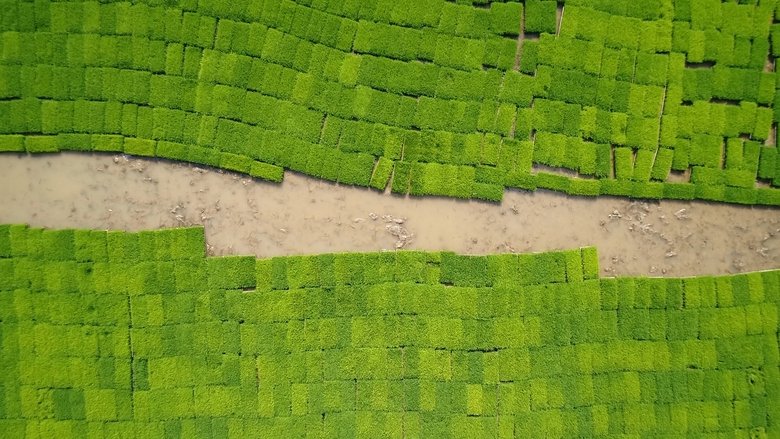
The secretive rules of nature spread out to be extraordinary beauty. Water is a lifeform that remembers and reflects everything. Following the nature of this water and the mysterious record of the ecosystem leads to the wonderful four seaons of the Bongha Village and the late Roh Moo-hyun's ambitious visions. What is the future he dreamt of back in his home, carrying out biological agricultural technology?
This documentary examines the media's coverage of the Canadian federal election of May 1979. Filmed over a 3-week period, it takes a fascinating look at journalists in action and the politicians who attempt to manipulate the media.
Each night the only border crossing between India and Pakistan on a 1000km stretch becomes the sight of an extraordinary event. Thousands of people gather to witness the ritual closing of the border, after which the masses get as close as possible to the gate to greet their former neighbors. This "festival" is therefore on the one hand a celebration of the partition, but on the other hand also the only connecting element. What do the terms separation, home and proximity mean to the people on both sides?
The film deals with the process of globalization based on the thought of geographer Milton Santos, who through his ideas and practices, inspires the debate about Brazilian society and the construction of a new world. Santos discusses his views on the importance of respecting difference and his belief that an alternative globalisation model could wholly enfranchise all citizens of the world. An illustrious presence in 20th century social sciences, the man dubbed as ‘geography’s philosopher’ eloquently elucidates a developing world perspective on the global age.
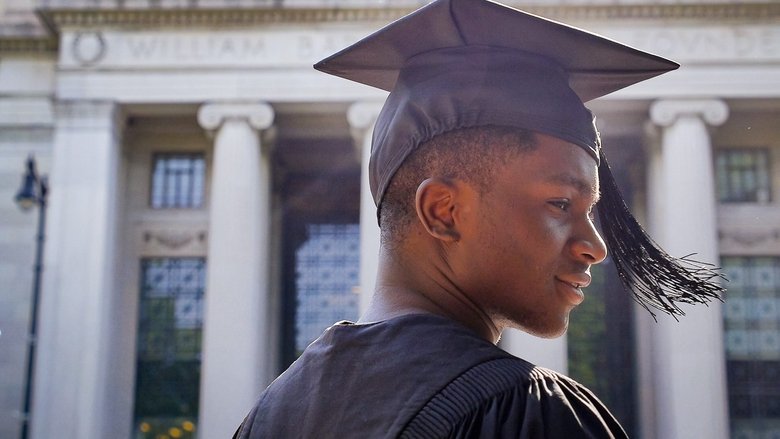
At America's elite MIT, a Ghanaian alum follows four African students as they strive to graduate and become agents of change for their home countries Nigeria, Rwanda, Tanzania, and Zimbabwe. Over an intimate, nearly decade-long journey, all must decide how much of America to absorb, how much of Africa to hold on to, and how to reconcile teenage ideals with the truths they discover about the world and themselves.
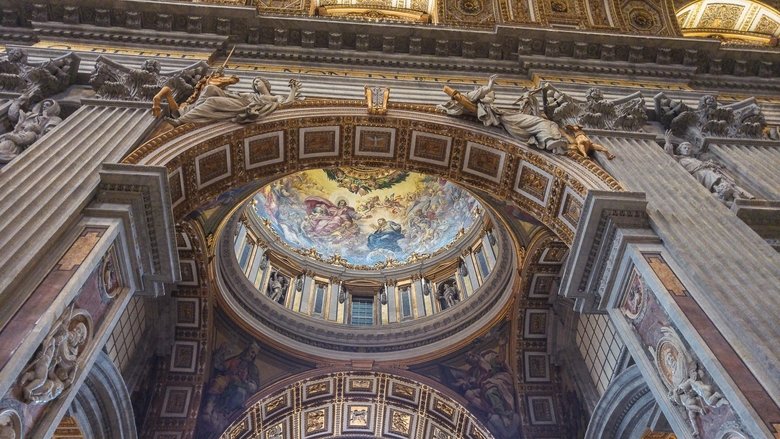
What started as a simple tomb became over a 2,000 years history the universal seat of Christendom and is today one of the most visited museum in the world with invaluable collections of Arts, Manuscripts, Maps. Using spectacular 3D modelisation and CGI to give viewers as never before a true understanding of the history of this architectural masterpiece and its extensions, the film will also use animation to tell relevant historical events. This heritage site reveals new untold secrets with the help of historians deciphering the Vatican’s rich archives and manuscripts collection and following the restorations at work (newly discovered frescoes by Raphael) and recent excavations. A story where Religion, Politics, Arts and Science meet to assert religious authority and serve as a spiritual benchmark.
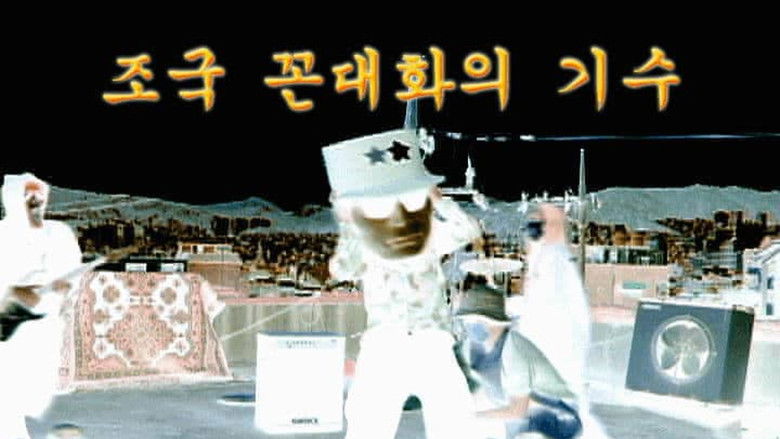
A zombie in Seoul, 2001 is a corpse which died 22 years ago. The corpse sucks vital energy of the live to revive and walks around Seoul. There are people to worship the zombie. They build a church for it at last, and the honorary president of the church is President who has been hurt by it. Moreover, many Korean rightists talk about the zombie and still perform what he instructed. It is the zombie, the president Park that the rightists worship, who is the leader of the National rightists. This is a reality of the right wing which now are still working in Korea. I’d like to teach English to you rightists and Park. Fuck you!

Matt Walsh's controversial doc challenges radical gender ideology through provocative interviews and humor.

Filmmakers Laura Mulvey and Mark Lewis use rare archival footage and interviews with artists, art historians, and museum directors to examine the fate of Soviet-era monuments during successive political regimes, from the Russian Revolution through the collapse of communism. Mulvey and Lewis highlight both the social relevance of these relics and the cyclical nature of history. Broadcast on Channel Four as part of the 'Global Image' series (1992-1994).