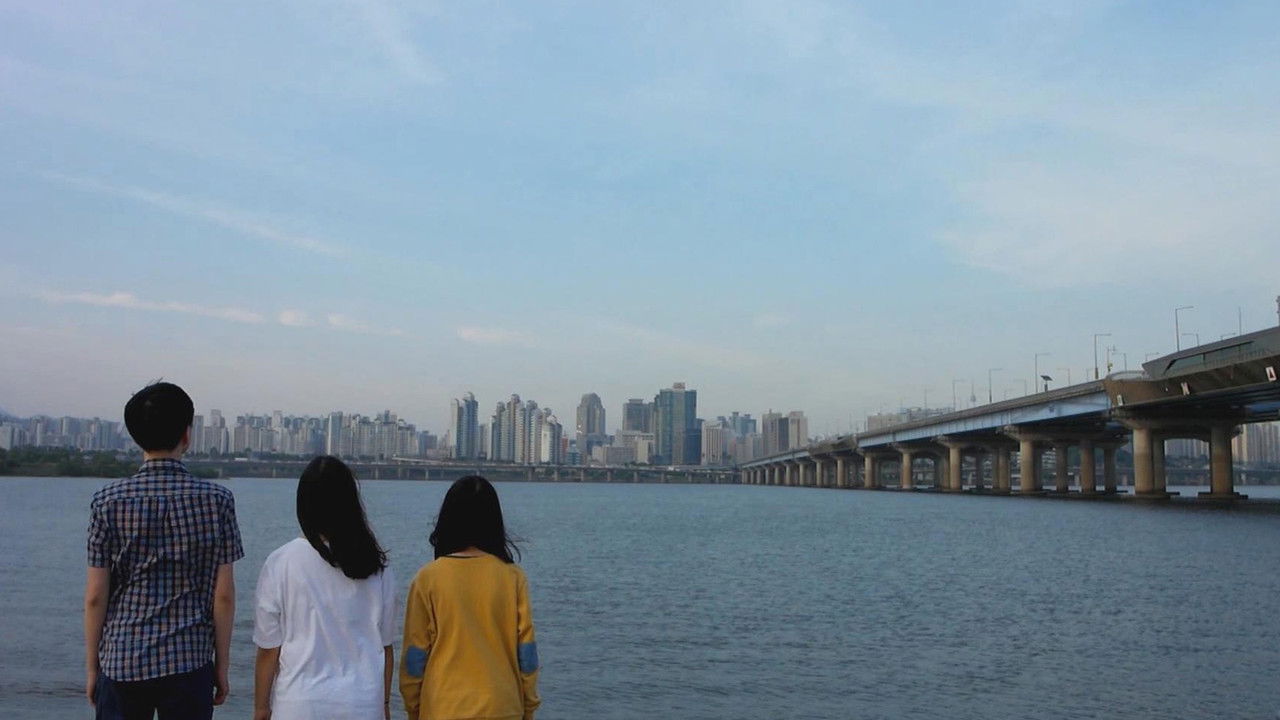
Searching for Bong (2015)
Unlike our dream of becoming a great filmmaker, the movie boards that adults talk about are tough. We are looking for our idol, Bong Joon-ho...
Unlike our dream of becoming a great filmmaker, the movie boards that adults talk about are tough. We are looking for our idol, Bong Joon-ho...
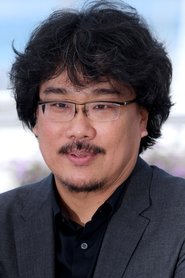 Bong Joon HoSelf
 Hong Kyung-pyoSelf
 Jung Ha-rimNarrator
The story of Dr. George Washington Carver (1864-1943), black educator and horticulturist. He is perhaps most well known for developing over 140 products from all parts of the peanut plant, including the shells and husks. He also developed products based on sweet potatoes and soybeans, and developed a cotton hybrid that was named after him.
A short documentary covering the conclave and election of Pope Pius XII.
Behind-the-scenes documentary of one morning on the set of "Gerry" directed by Gus Van Sant.
The fourth generation in his family to be born intersex, Jewish Rabbi Levi was assigned the female gender at birth and grew up thinking he was sick and defective. "In the Image of God" tells the story of his struggles and transitions, culminating today in a life as a religious leader and an LGBTQI+ activist living happily in Los Angeles with his wife.
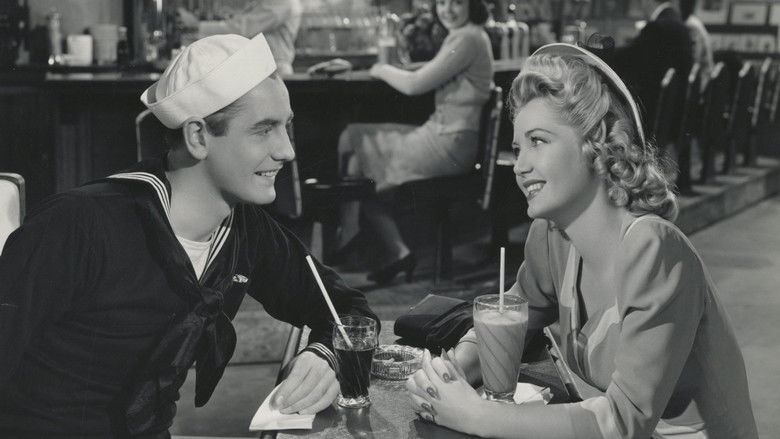
This short film examines the origins of several superstitions including crossing your fingers, knocking on wood, rabbit's feet, and breaking champagne bottles to christen ships, plus the role of superstitions in the Flying Dutchman tale.
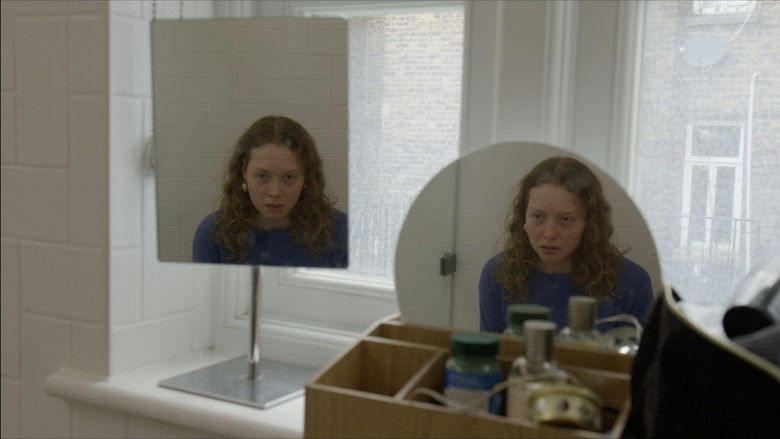
When a student documentary crew decides to interview Julia, a puzzling young woman willing to share her sensitive past, the project grows increasingly uncomfortable for the subject as the director's relentless scrutiny and unethical transgressions soon start to blur the lines between reality and performance.
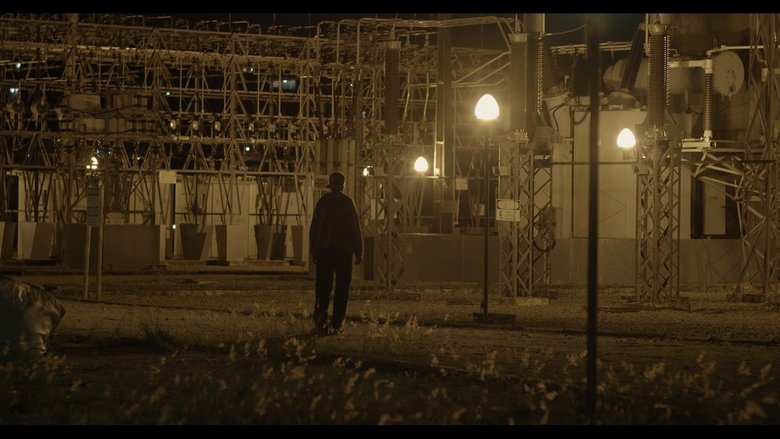
One night seven years ago, Rafael came home after work and discovered that people he did not know had come looking for him. He immediately fled, without looking back. From that moment on, his life changed, as if that night had never ended. One evening, around an improvised fire near a factory, he decides to confide his journey to a stranger. Rafael’s intimate account meets the collective testimony of an entire nation oppressed by poverty, police repression and institutional corruption.
A retrospective on the life and work of Portuguese director António-Pedro Vasconcelos.
An essay film on the editing of erotic movies.
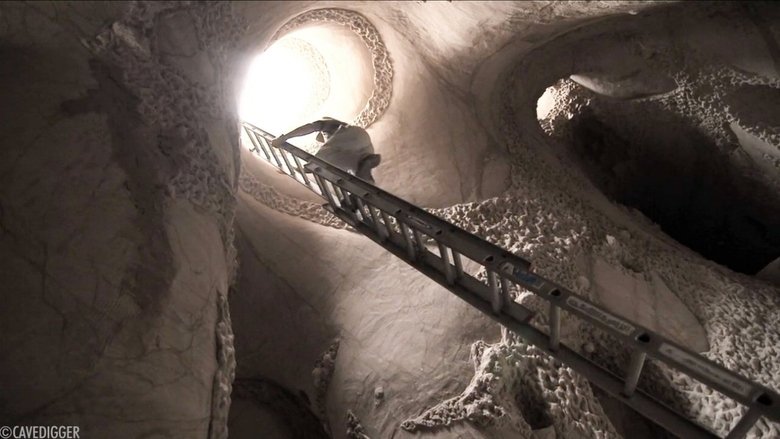
Ra Paulette digs cathedral-like, 'eighth wonder of the world' art caves into the sandstone cliffs of Northern New Mexico. Each creation takes years to complete, and each is a masterwork. But patrons who have commissioned caves have cut off nearly all of his projects due to artistic differences. Fed up, Ra has chosen to forego all commissions to create his own Magnum Opus, a massive 10-year project.
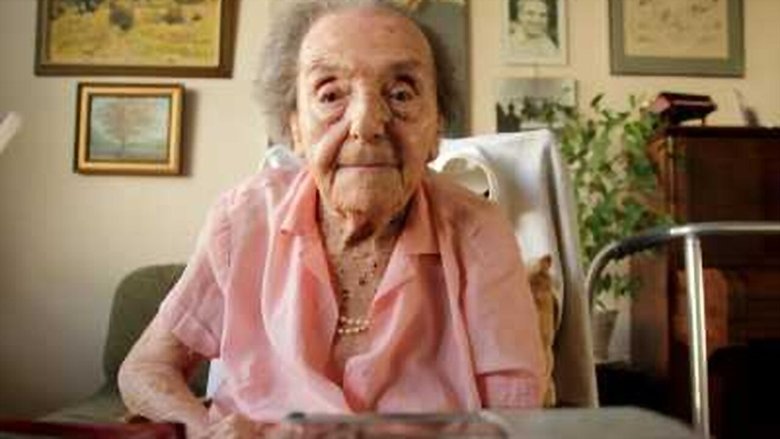
The story of Alice Herz-Sommer, a German-speaking Jewish pianist from Prague who was, at her death, the world's oldest Holocaust survivor. She discusses the importance of music, laughter, and how to have an optimistic outlook on life.
A chronological look at the creative life of Luchino Visconti (1906-1976). It examines his theatricality, role in the neorealist movement, use of melodrama, and relation to decadence. It touches on the impact of a fabulously wealthy childhood, his writing for "Cinema," his politics, his work with Renoir, his appreciation of Thomas Mann, and his deep knowledge of literature and the arts. Visconti moves constantly between film and the theater, staging plays provocatively, working with Maria Callas at La Scala, and shooting films in theaters. Clips from his films and interviews with actors, crew members, and critics provide details for this portrait of creativity.
A mini-documentary which further explores allegations made in HBO’s Leaving Neverland, that the King of Pop sexually abused two young boys. Through interviews with those closest to the situation, as well as members of Jackson’s family, the film sheds light on information that was excluded from HBO’s broadcast.
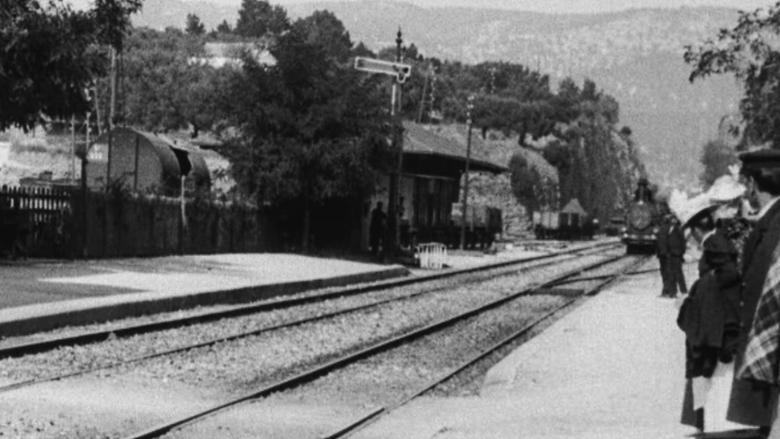
A group of people are standing along the platform of a railway station in La Ciotat, waiting for a train. One is seen coming, at some distance, and eventually stops at the platform. Doors of the railway-cars open and attendants help passengers off and on. Popular legend has it that, when this film was shown, the first-night audience fled the café in terror, fearing being run over by the "approaching" train. This legend has since been identified as promotional embellishment, though there is evidence to suggest that people were astounded at the capabilities of the Lumières' cinématographe.
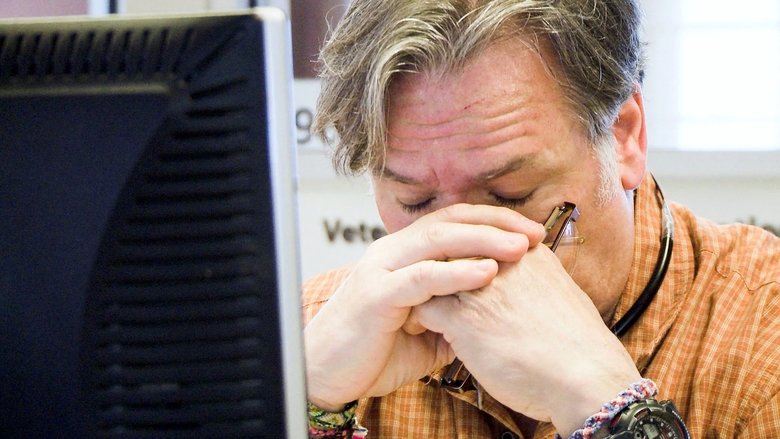
According to the U.S. Department of Veterans Affairs, one veteran dies by suicide in America every 80 minutes. While only 1% of Americans has served in the military, former service members account for 20% of all suicides in the U.S. Based in Canandaigua, NY and open 24 hours a day, 365 days a year, the Veterans Crisis Line receives more than 22,000 calls each month from veterans of all conflicts who are struggling or contemplating suicide. This timely documentary spotlights the traumas endured by America’s veterans, as seen through the work of the hotline’s trained responders. CRISIS HOTLINE captures extremely private moments, where the professionals, many of whom are themselves veterans or veterans’ spouses, can often interrupt the thoughts and plans of suicidal callers to steer them out of crisis.
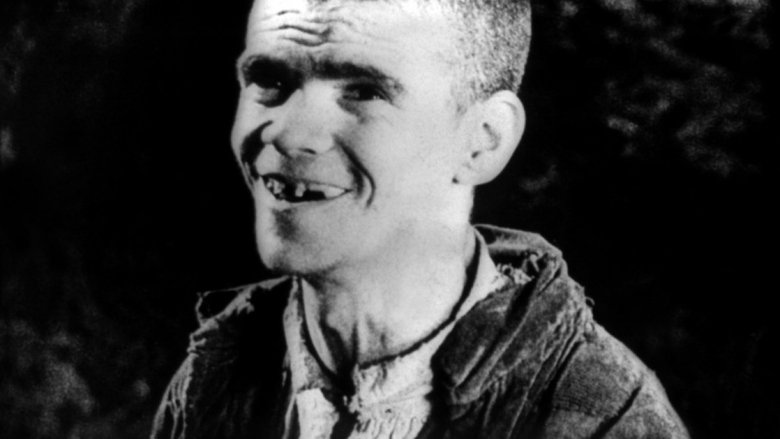
An exploration —manipulated and staged— of life in Las Hurdes, in the province of Cáceres, in Extremadura, Spain, as it was in 1932. Insalubrity, misery and lack of opportunities provoke the emigration of young people and the solitude of those who remain in the desolation of one of the poorest and least developed Spanish regions at that time.
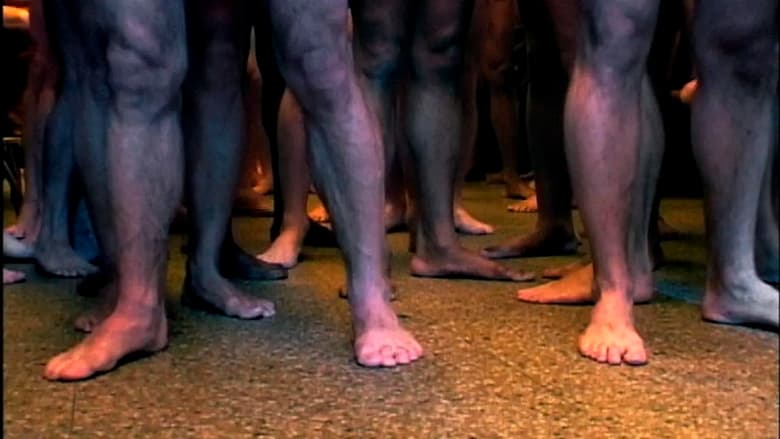
No clothes. No apologies. This film marks artist Spencer Tunick's third 'Naked' documentary which feature photo shoots that create art from the naked bodies of men and women. In this shoot, 85 HIV-positive men and women gather in a downtown Manhattan bar where they bare it all for Tunick's camera, creating an unsentimental look at life with AIDS in America today.
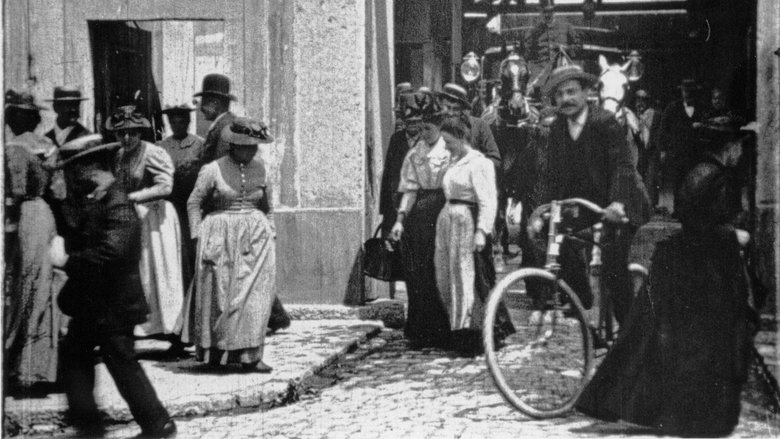
Working men and women leave through the main gate of the Lumière factory in Lyon, France. Filmed on 22 March 1895, it is often referred to as the first real motion picture ever made, although Louis Le Prince's 1888 Roundhay Garden Scene pre-dated it by seven years. Three separate versions of this film exist, which differ from one another in numerous ways. The first version features a carriage drawn by one horse, while in the second version the carriage is drawn by two horses, and there is no carriage at all in the third version. The clothing style is also different between the three versions, demonstrating the different seasons in which each was filmed. This film was made in the 35 mm format with an aspect ratio of 1.33:1, and at a speed of 16 frames per second. At that rate, the 17 meters of film length provided a duration of 46 seconds, holding a total of 800 frames.