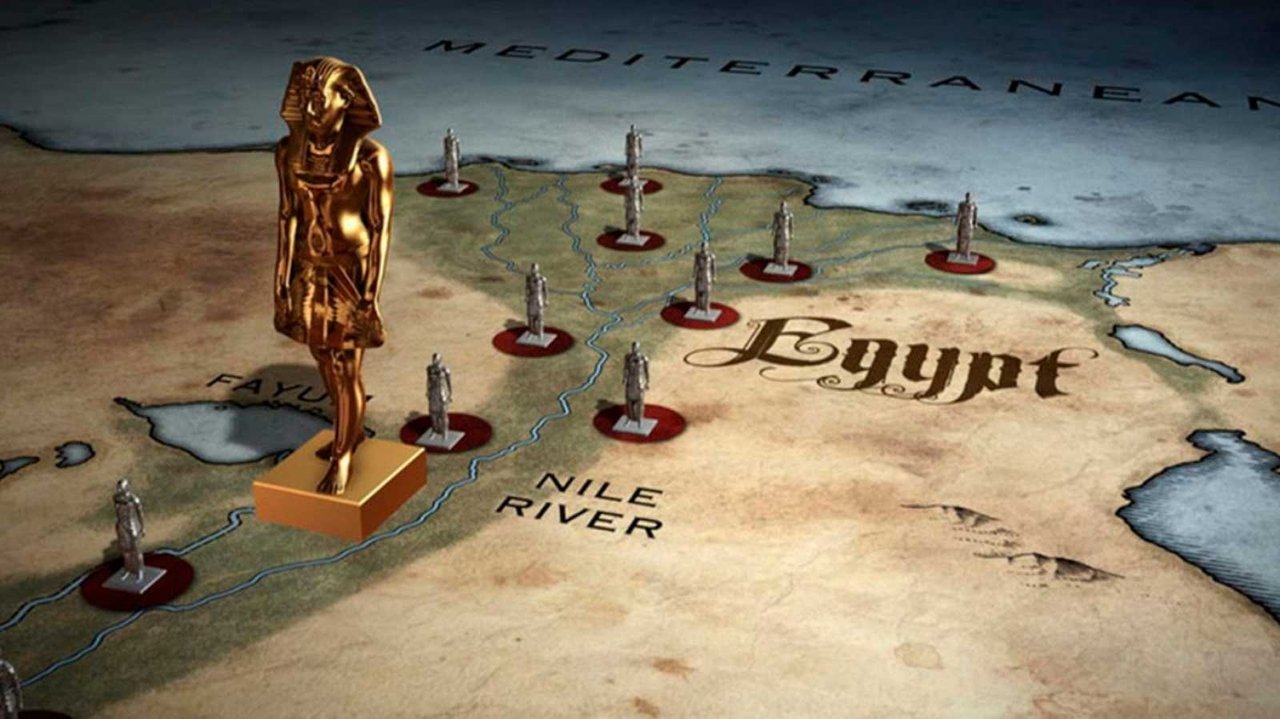
Top billed cast
 Charles Aling
 Manfred Bietak
- John Bimson
- Mansour Boraik
- Israel Finkelstein
- Norma Franklin
Similar to Patrones de Evidencia: El Éxodo
Draw Me Egypt - Doaa El-Adl, A Stroke of Freedom (2023)
Doaa el-Adl, the first woman to be awarded the esteemed Journalistic Distinction in Caricature, serves as a catalyst for transformation within the predominantly male-dominated realm of Egyptian political cartoonists. Challenging patriarchal norms, she routinely confronts censorship, harassment, and even threats to her life. In a remarkable fusion of documentary, cartoons, and animation, Egyptian director Nada Riyadh breathes life into el-Adl's most renowned works. This dynamic and fearless presentation delves into the issue of violence against women, stretching the boundaries of freedom of speech in a society often characterized by restrictions. Through her exceptional talent, el-Adl not only champions women's rights but also serves as an inspiration for societal change.
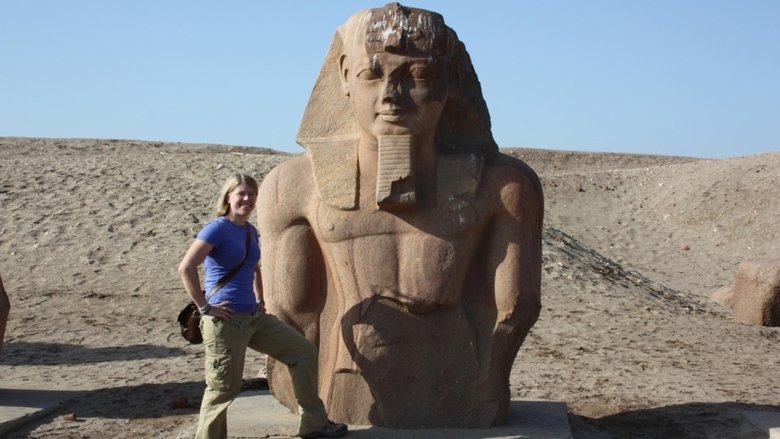
Egypt's Lost Cities (2011)
It is possible that only one per cent of the wonders of ancient Egypt have been discovered, but now, thanks to a pioneering approach to archaeology, that is about to change. Dr. Sarah Parcak uses satellites to probe beneath the sands, where she has found cities, temples and pyramids. Now, with Dallas Campbell and Liz Bonnin, she heads to Egypt to discover if these magnificent buildings are really there.
Cairo 'City of Contrast' (1938)
This Traveltalk series short takes a look at Cairo's landmarks, people, and culture.
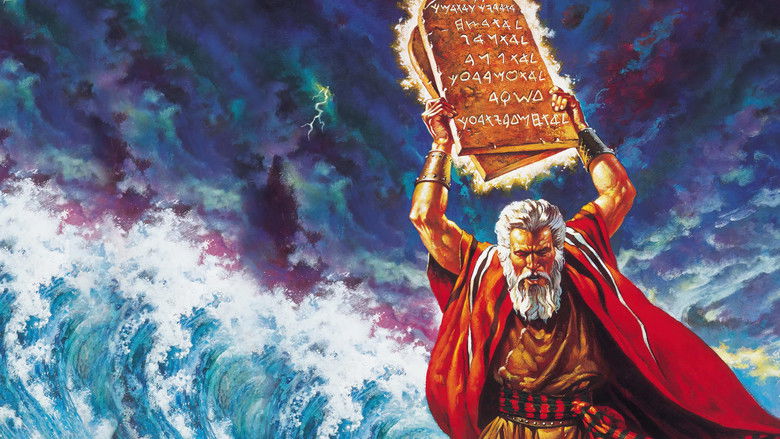
The Ten Commandments (1956)
Escaping death, a Hebrew infant is raised in a royal household to become a prince. Upon discovery of his true heritage, Moses embarks on a personal quest to reclaim his destiny as the leader and liberator of the Hebrew people.

Alexander (2004)
Alexander, the King of Macedonia, leads his legions against the giant Persian Empire. After defeating the Persians, he leads his army across the then known world, venturing farther than any westerner had ever gone, all the way to India.
The Scorpion King (2009)
The Scorpion King: The King before Pharaohs. Learn more about the king who likely united ancient Egypt, organized the world’s earliest phonetic writing system, and inspired the creation of the pyramids. Mace heads, a stone mounted on a wooden shaft, were an early weapon of war. They were used like a club to strike enemies on the head. The scorpion mace head was too large to have been used as a weapon, and was clearly reserved for ceremonial purposes. Archaeologists believe they have found the tomb of the Scorpion King at the ancient burial site of Abydos. He was buried with 700 wine jars, several of which had come from as far away as ancient Palestine. The Scorpion King may have presided over the birth of phonetic writing earlier than any other civilization in the world—200 years before the first pharaohs.
Whose Country? (2016)
A young Egyptian filmmaker recounts his interaction with a group of plainclothes policemen while grappling with issues of guilt and morality.
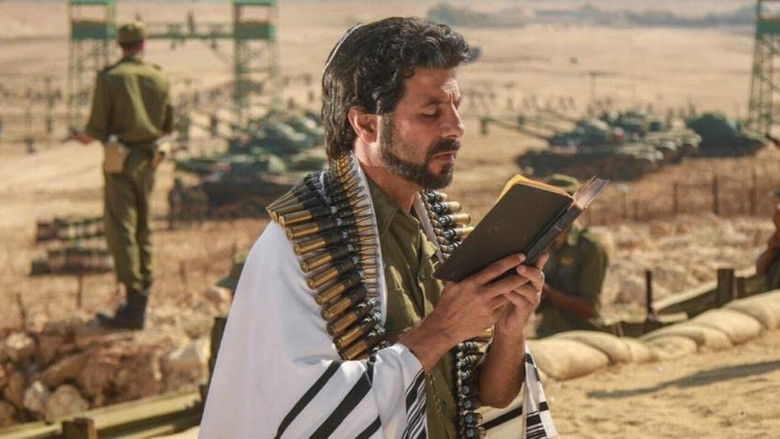
The Passage (2019)
A platoon of Commandos’ soldiers, lead by a fearless commander, Nour, and their journey through heroic battles from The Six Days War to the commencement of The Attrition War.
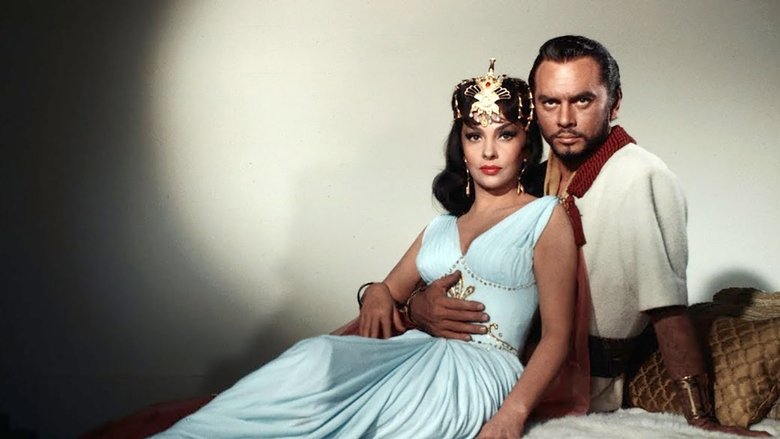
Solomon and Sheba (1959)
Near death, King David has a vision that his poet son, Solomon, should succeed him, rather than hot-headed Adonijah. Furious, Adonijah departs the court, swearing he will become king. Other rulers are concerned that Solomon's benevolent rule and interest in monotheism will threaten their tyrannical, polytheistic kingdoms. The Queen of Sheba makes an agreement with the Egyptian pharaoh to corrupt Solomon for their mutual benefit.
The Hidden History of Egypt (2002)
Egyptians were famed for their extravagant building techniques and extraordinary gods, but what about the ordinary citizens? How did they lead their day to day lives? What did they do for entertainment? Did they believe in their gods? Discover astonishing facts that throw new light on our understanding of the Ancient Egyptians.
The Hidden History of Rome (2002)
Rome was famed for the decadence of its ruling class, however, what about the ordinary citizens of these ancient cultures? How did they lead their day to day lives in an age when the average life expectancy was little more than forty? Did they believe in the Pagan Gods? What were their sex lives like? What did they do for entertainment? How ordinary Romans lived is, for the most part ...
Planetary Catastrophe (2019)
Prof. Robert Michelson takes you on a journey to a time when the Watchers roamed the Earth, corrupting it for their own pleasure and as an affront to its creator. So massive was this premeditated interference in God’s created order, that the Almighty used His creation to obliterate the monstrous works of corruption as well as the hands that created them. Learn why God would bring a great flood upon his world, and how such a flood of global impact might have been accomplished by God using only the forces of His own creation. See the physical evidence of the Great Flood and how it was recorded in eyewitness accounts. See the likely landing place of the Ark of Noah in the mountains of Urartu along the border between Turkey and Iran based not only on the ancient accounts of eyewitnesses, but on the physical evidence (actual artifacts) existing today. Finally, learn how ancient Egypt played a central role in the events just prior to, and immediately after the Great Flood.
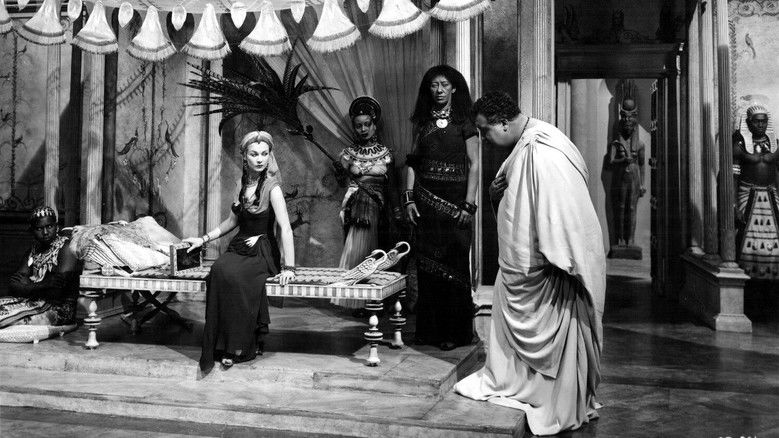
Caesar and Cleopatra (1945)
The aging Julius Caesar finds himself intrigued by the young Egyptian queen Cleopatra.
Atlantis: Secret Star Mappers of a Lost World (2007)
Go beyond the lost human history! A profile and examination of the recent findings of a highly advanced human settlement submerged at the end of the Ice Age when the sea level rose. The story of Atlantis has its roots in actual historical events!
Riddles of the Sphinx (2010)
For over 4000 years, the Sphinx has puzzled all who have laid eyes on it. What is this crouching lion, human-headed creature? Who built it and why? To unlock its secrets, two teams of scientists and sculptors immerse themselves in the world of ancient Egypt — a land of pharaohs and pyramids, animal gods and mummies, sun worship and human sacrifice.
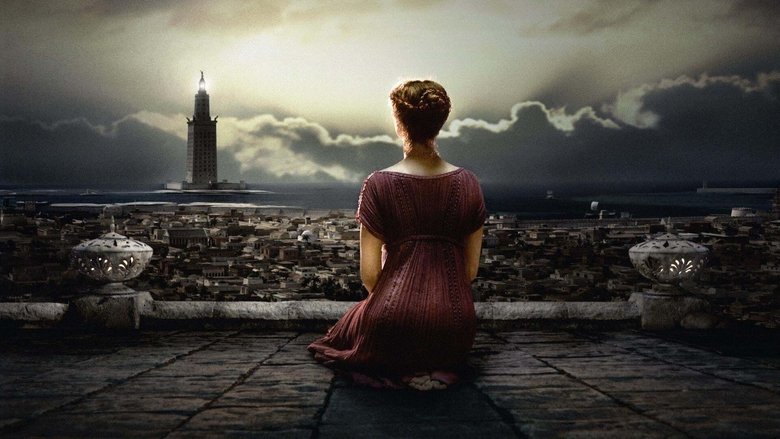
Agora (2009)
A historical drama set in Roman Egypt, concerning philosopher Hypatia of Alexandria and her relationship with her slave Davus, who is torn between his love for her and the possibility of gaining his freedom by joining the rising tide of Christianity.
El Shatt – A Blueprint for Utopia (2023)
Hundreds of frozen and starved people floating on boats in the middle of the Mediterranean Sea fleeing from the war... Familiar scenes that we are used to seeing in recent times. But the year is 1944, and the refugees are travelling from Europe to Africa. After Italian capitulation,and before the arrival of German army, 28 000 Dalmatian Croats left their home villages and towns to live for two years under the tents in the middle of Egyptian desert, in a kind of a communist model village that was formed to show the Allies how the new Yugoslavia will look like when the war ends. This is a story about them.
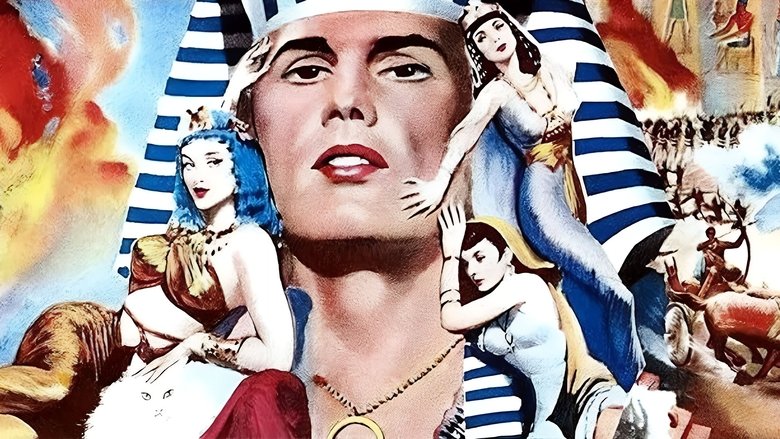
The Egyptian (1954)
In eighteenth-dynasty Egypt, Sinuhe, a poor orphan, becomes a brilliant physician and with his friend Horemheb is appointed to the service of the new Pharoah. Sinuhe's personal triumphs and tragedies are played against the larger canvas of the turbulent events of the 18th dynasty. As Sinuhe is drawn into court intrigues he learns the answers to the questions he has sought since his birth.
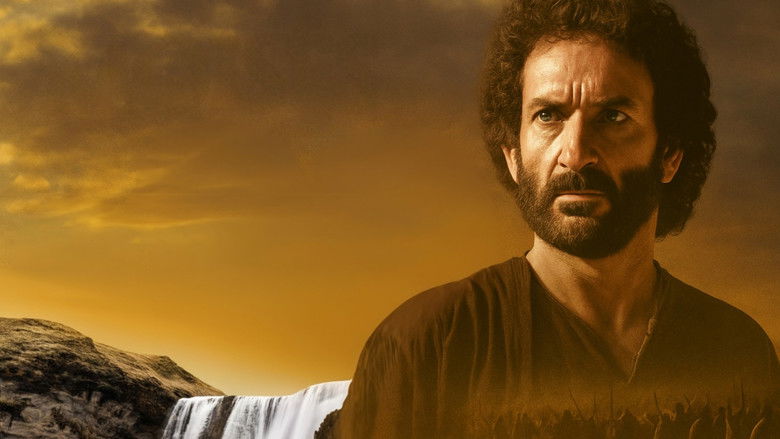
Moses (1995)
Pharaoh Ramses II decrees the death of all Hebrew children, but Moses, placed in a basket on the Nile by his mother, is picked up by a princess and raised as the brother of the heir to the throne of Egypt.
King Tut's Final Secrets (2005)
As part of a high-tech forensic probe into the demise of Egyptian Pharaoh Tutankhamun, scientists use X-rays and CT scans as they attempt to reach a conclusion about just how this famed king died. In addition, they explore the mysterious curse on explorers linked to Tut's tomb excavation.