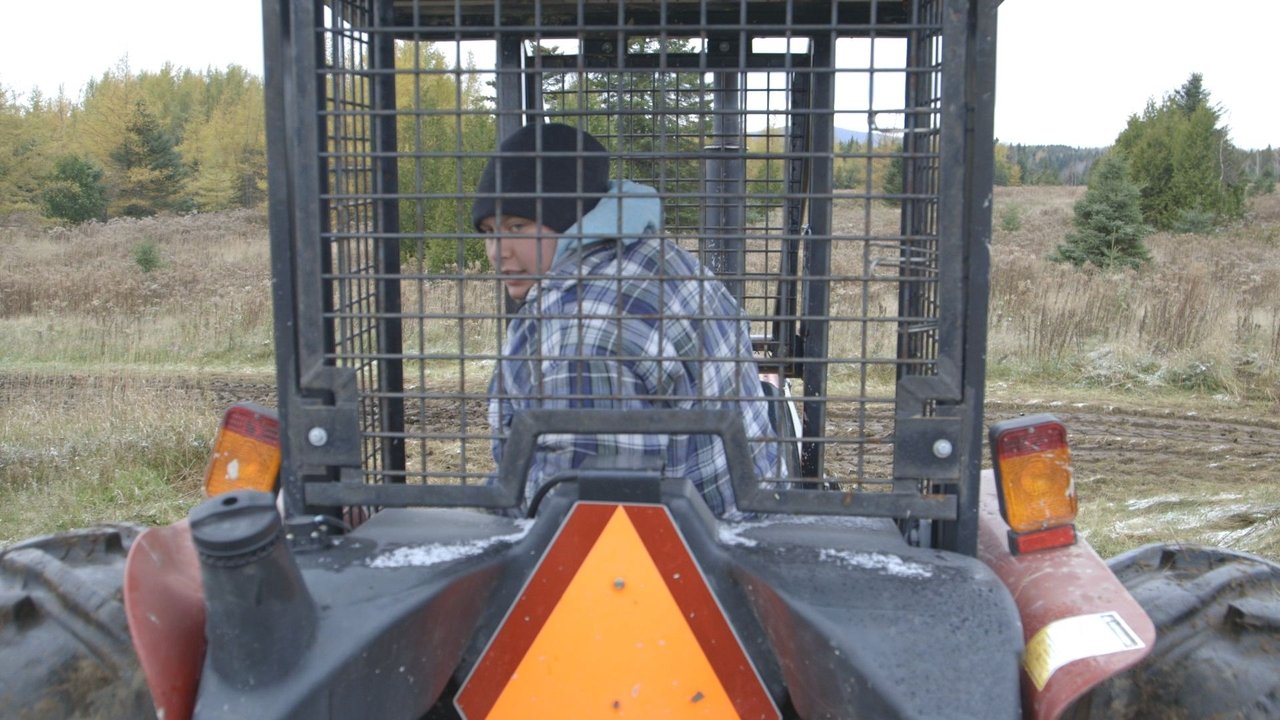
Solid Ground (2015)
The unique journey of three reserved and endearing teens as they test their limits, discover the meaning of strong connections and live and learn in synch with the natural rhythms of the land and its animals.
The unique journey of three reserved and endearing teens as they test their limits, discover the meaning of strong connections and live and learn in synch with the natural rhythms of the land and its animals.
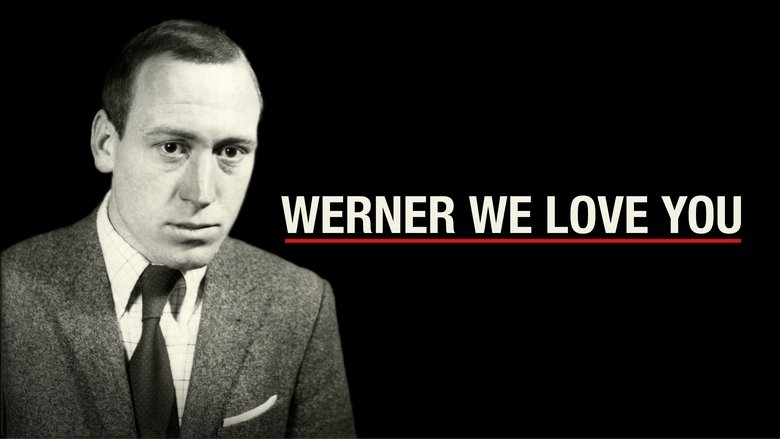
When Werner Herzog was still a child, his father was beaten to death before his eyes. His mother was overwhelmed with his upbringing and thereupon shipped him off to one of the toughest youth welfare institutions in Freistatt. This was followed by a career as a bouncer in the city's most notorious music club and an attempt to start a family. Today, the 77-year-old from Bielefeld lives with his dog Lucky in a lonely house in the country. Despite adverse living conditions, he has survived in his own unique and inimitable way.
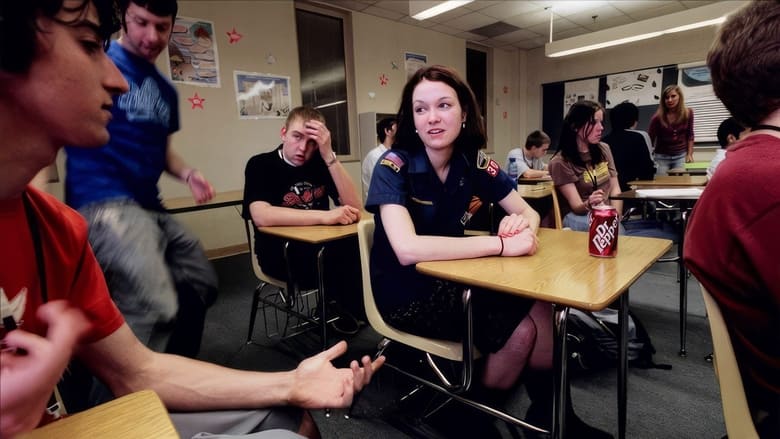
A documentary on seniors at a high school in a small Indiana town and their various cliques.

An intimate portrait of the lives of Delvys and Carlos, siblings who live alone with their elderly mother in a rural part of a small Cuban town. The film portrays a family engulfed in their inner worlds. Between the sacrifices they make out of love for those who are present, and their longing for things that are absent, they struggle to find meaning as they reflect, contemplate, and carry the weight of existence, trying together, to move forward.
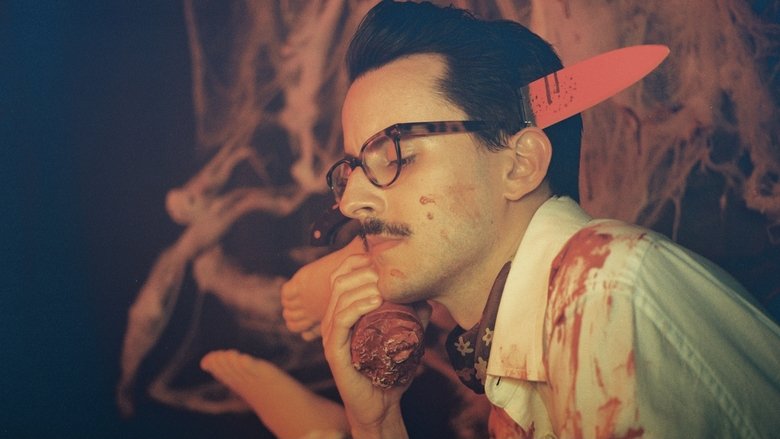
A student's increasingly intimate line of questioning causes his interview with a local horror host to take a vulnerable turn.
Liz tries to keep her friend from making the worse mistake of her life.
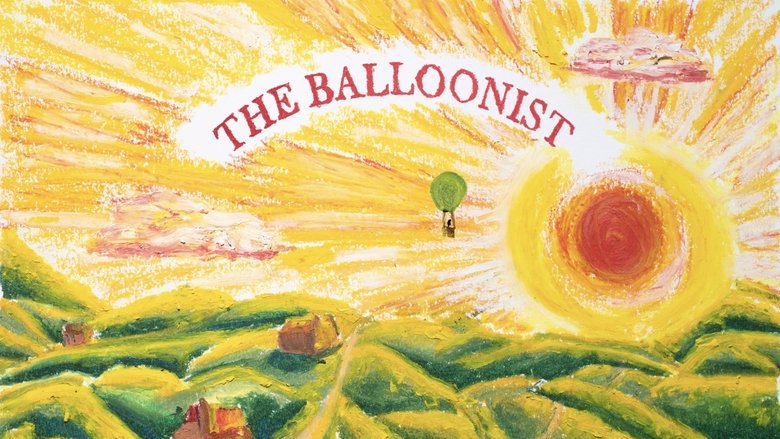
Meet Brian Boland—the beloved, eccentric hot air balloonist and artist from the rural Upper Valley of Vermont.

When the Chinese Communist Party backtracks on its promise of autonomy to Hong Kong, teenager Joshua Wong decides to save his city. Rallying thousands of kids to skip school and occupy the streets, Joshua becomes an unlikely leader in Hong Kong and one of China’s most notorious dissidents.
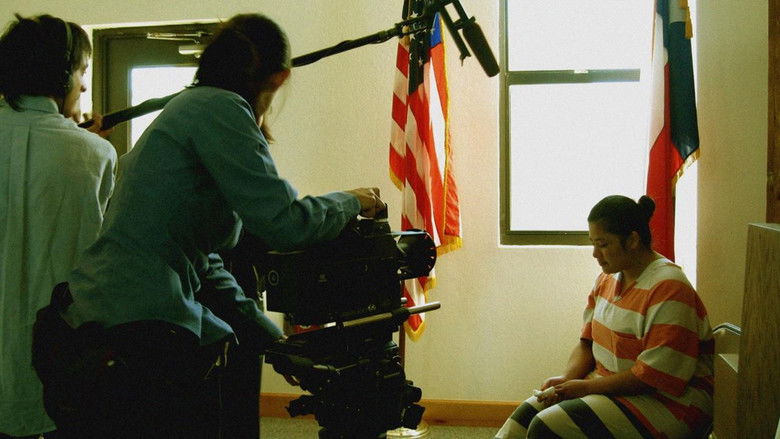
Rosa is a Mexican woman who, at the age of 17, migrated illegally to Austin, Texas. Some years later, she was jailed under suspicion of murder and then taken to trial. This film demonstrates how the judicial process, the verdict, the separation from her family, and the helplessness of being imprisoned in a foreign country make Rosa’s story an example of the hard life of Mexican migrants in the United States.
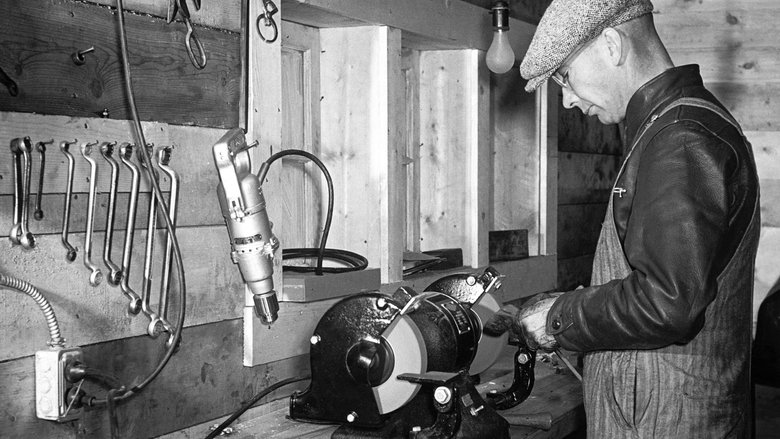
A farming community organizes to obtain hydro power under Manitoba's rural electrification plan. Energetic canvassing wins over those hesitant to share, for the good of all, the initial expense. The abundant return in comfort, convenience, efficiency and financial advantage is described in concluding sequences.

Chinese teenagers from the wealthy elite, with big American dreams, settle into a boarding school in small-town Maine. As their fuzzy visions of the American dream slowly gain more clarity, their relationship to home takes on a poignant new aspect.
Still today, people say that during the stormy night from March 31st to April 1st, 1922, the devil had come to Hinterkaifeck. On the farmstead near Schrobenhausen, all 6 inhabitants – 4 Adults and two children – are struck down bestially. The police did not manage to seek out the murderer(s). As the case is still unsolved as of today, the story still lives on in the minds of the people. Motion pictures, theatre plays, and the bestselling novel “Tannöd”, behind all of them stands Hinterkaifeck. Aspiring police investigators and a self-declared “Internet – special commission ‘Hinterkaifeck’” have now once again taken up the trail of the case. This exciting search for traces is followed by the film, and its findings are recreated in elaborate play scenes. Thereby, a picture of an era thought to be bygone and an idea of what really happened back then comes into existence. More precise than any fiction, the docudrama manages to get closer to the truth.
Sepp Holzer explains some of the innovative, labour-saving agricultural techniques he applies at his farm in the Eastern Alps of Salzburg, Austria.
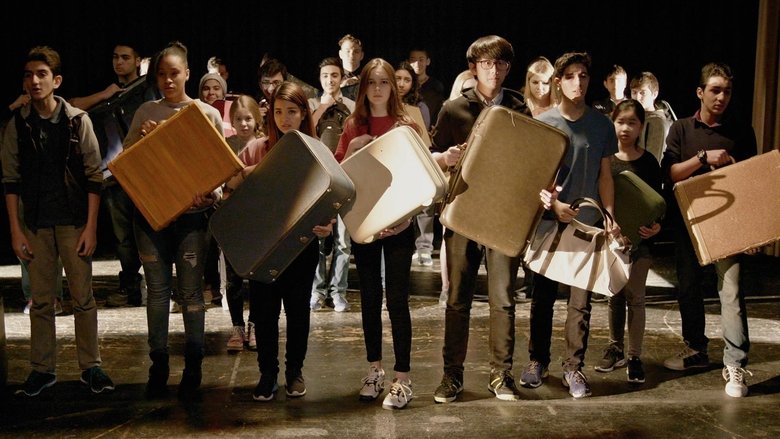
This documentary focuses on immigrant teens between the ages of 12 and 17 who share the story of their migration and their adaption to life in Canada through theatre. Young but wise, these children describe their experiences with emotion and authenticity.
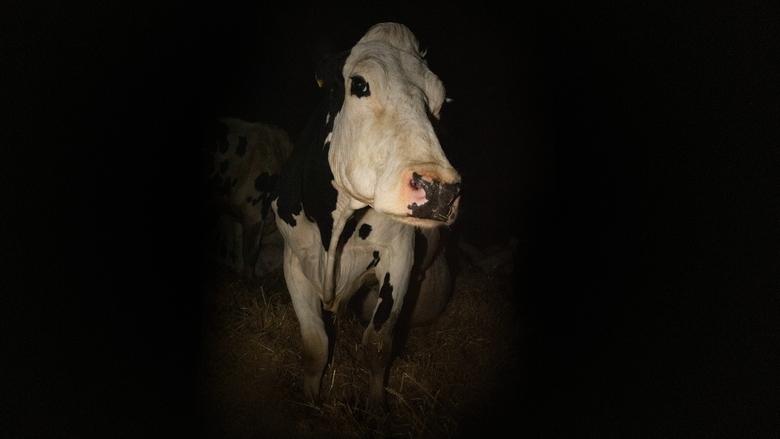
A close-up portrait of the daily lives of a pair of cows: told by way of some narrative-free, intimate POV photography, with plenty of close shot images, we follow the daily routine of these animals as they live what can only be described as mundane, boring lives - all with an ultimate purpose within the human food chain.
After a spell cast by Grandma Faraway, the oldest son of a small family encounters the ghost of his late Grandma Maria still living in her old house, and they chat as they used to.
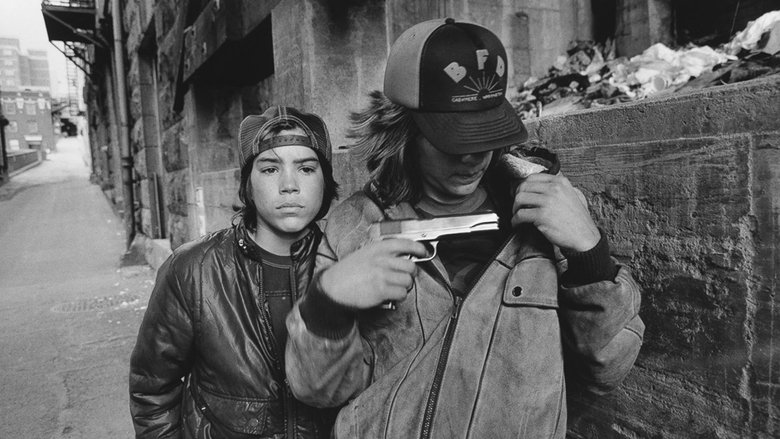
This documentary about teenagers living on the streets in Seattle began as a magazine article. The film follows nine teenagers who discuss how they live by panhandling, prostitution, and petty theft.
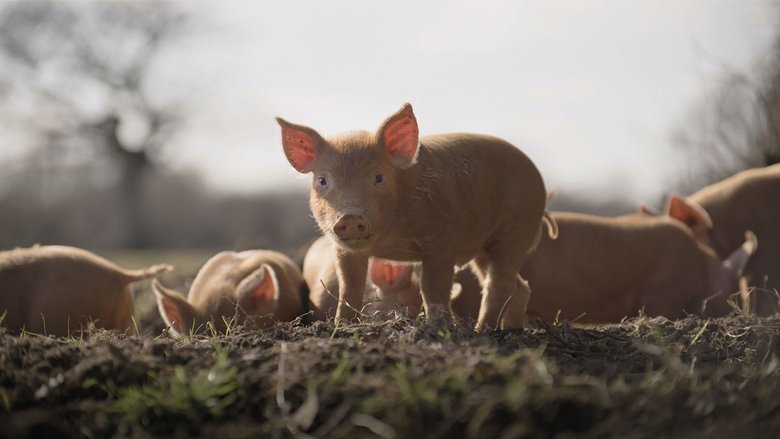
A young couple battle entrenched tradition and hostile forces to bet on nature for the future of their failing, four-hundred-year-old estate. Ripping down the fences, they set the land back to the wild and entrust its recovery to a motley mix of animals both tame and wild, beginning a grand experiment.
A short film by Walerian Borowczyk in two parts. The first 'panel' follows the morning routine of Leon Boyer who, despite being almost 100 years old, still farms the land, drives a vintage car, and plays with his two dogs. The second panel shows shots of beautiful flowers and a cat, to a recording of Tino Rossi singing 'La romance de Nadir / Je crois encore entendre' from Bizet's opera 'Les pêcheurs de perles'.
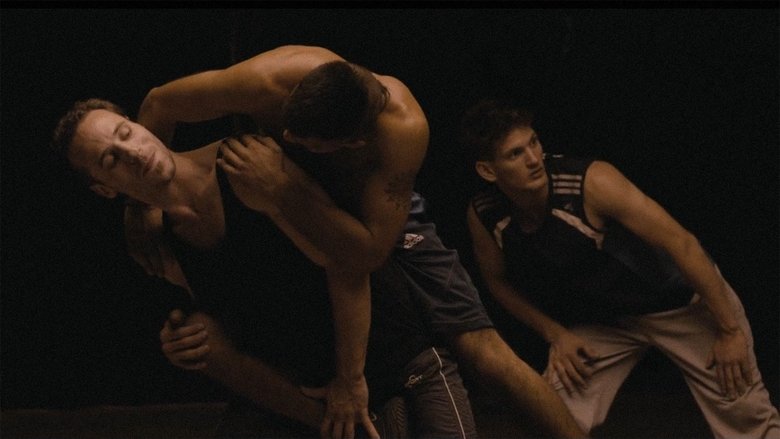
Santiago Mitre co-directs his first movement following The Student together with choreographer Onofri Barbato. Although it would have been more accurate to say “his first film-story-adventure-movie-great movie following The Student”, the word movement fits perfectly in Los posibles, the most overwhelmingly kinetic work Argentine cinema has delivered in many, many years. The film deals with the adaptation of a dance show directed by Onofri together with a group of teenagers who came to Casa La Salle, a center of social integration located in González Catán, trying to find some refuge from hardship. Already entitled Los posibles, the piece opened in the La Plata Tacec and was later staged in the AB Hall of the San Martín Cultural Center. Now, it dazzles audiences out of a film screen, with extraordinary muscles and a huge heart: Los posibles is a rhapsody of roughen bodies and torn emotions. Precise and exciting, it’s our own delayed, necessary, and incandescent West Side Story.

A documentary about a young farmer’s experience of being kidnapped by extraterrestrials.