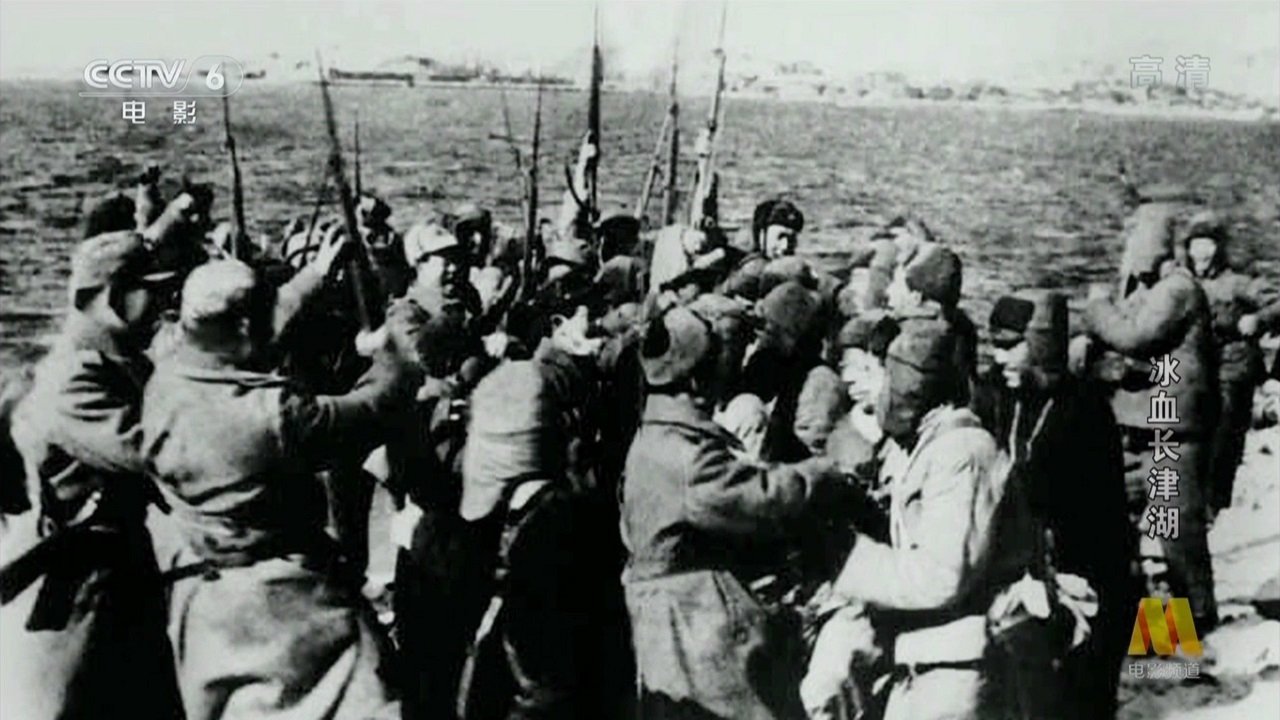
Similar to 冰血长津湖

Pathway (2012)
Xu Xin’s film “Dao Lu” (China 2012) offers an exclusive “in camera” encounter with Zheng Yan, an 83 year-old veteran of the Chinese Red Army, who calmly relates how he has navigated his country’s turbulent history over three-quarters of a century.Born to a wealthy family in a foreign concession, Yan joined the Chinese Communist Party (CCP) in 1941 because he sincerely believed in the socialist project, and in its immediate capacity to free China from the Japanese yoke and eradicate deep-rooted corruption.
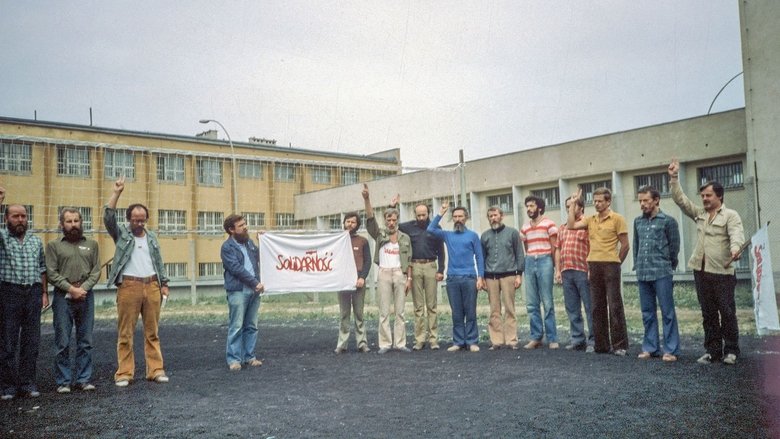
Solidarność: How Solidarity Changed Europe (2019)
Gdańsk, Poland, September 1980. Lech Wałęsa and other Lenin shipyard workers found Solidarność (Solidarity), the first independent trade union behind the Iron Curtain. The long and hard battle to bring down communist dictatorship has begun.
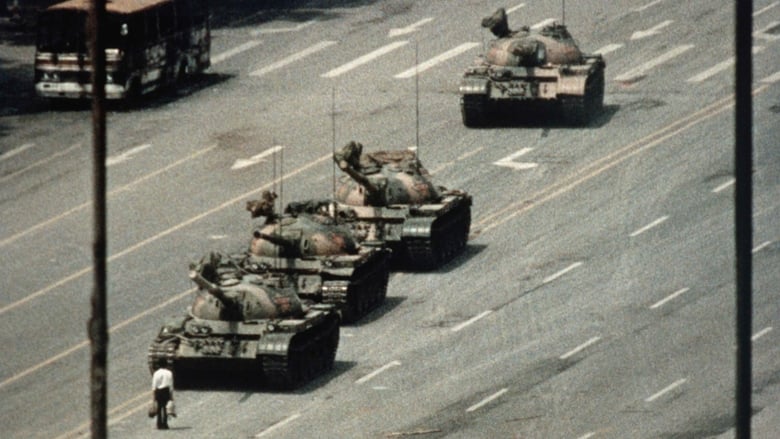
The Gate of Heavenly Peace (1995)
The Gate of Heavenly Peace is a feature-length documentary about the 1989 protest movement, reflecting the drama, tension, humor, absurdity, heroism, and many tragedies of the six weeks from April to June in 1989. The film reveals how the hard-liners within the government marginalized moderates among the protesters (including students, workers and intellectuals), while the actions of radical protesters undermined moderates in the government. Moderate voices were gradually cowed and then silenced by extremism and emotionalism on both sides.
Inside Red China (1958)
October 1st, 1957. Dusk descends on Tiananmen Square, Peking. Fireworks crackle light across the night sky, above a city alive with National Day festivities and celebrations. Two intrepid New Zealand film-makers - Rudall and Ramai Te Miha Hayward - are there, documenting the life and times of communist China. The distinction of being the first English speaking foreigners to film unfettered in communist China was significant. The invitation to visit China was facilitated through the New Zealand China Friendship Society. They filmed in Canton, Shanghai, Peking (Beijing) and Wuhan. It was a small window of opportunity for Westerners to gaze on a country that was largely a mystery to the outside world since 1949. The unfortunate irony was that two of the documentaries; “Wonders of China”, and “Inside Red China”, were considered to be communist propaganda, and were not distributed outside of New Zealand.
Láska (1949)
Montage of documentary footage from the liberation and building of the republic as a tribute to JV Stalin on his seventieth birthday.
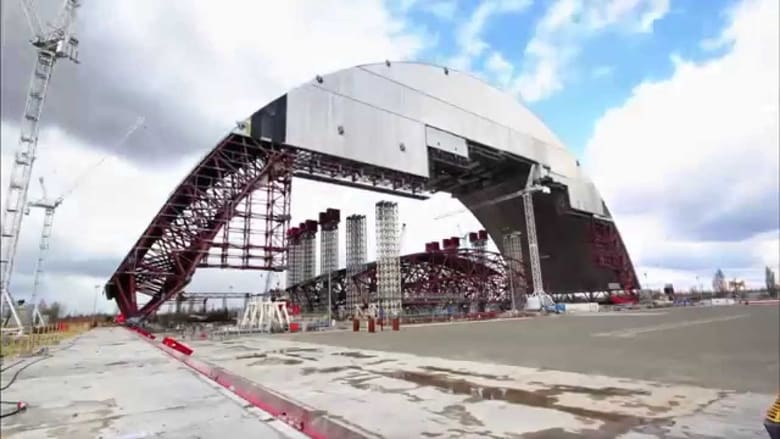
Chernobyl 30 Years On: Nuclear Heritage (2015)
Thirty years after the Chernobyl disaster, which occurred on the night of April 26, 1986, its causes and consequences are examined. In addition, a report on efforts to strengthen the structures covering the core of the nuclear plant in order to better protect the population and the environment is offered.
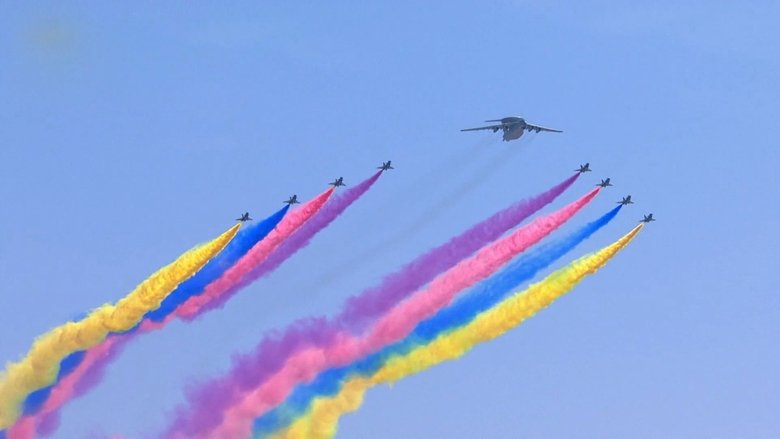
Amazing China (2018)
Amazing China is a documentary film edited and produced based on the six-episode documentary series "Brilliant China" broadcasted on China Central Television (CCTV). The film is a joint production of China Central Television and China Film Co., Ltd. It premiered on March 2, 2018, in major cinemas across the People's Republic of China. The documentary highlights the achievements of the Communist Party of China (CPC) led by General Secretary Xi Jinping since the 18th National Congress of the CPC in 2012.
Albania (1945)
Made by the highly influential Russian cameraman Roman Karmen, this documentary vividly features Albanian life immediately after the communists came to power in 1944. The film is especially memorable since it’s missing much of the heavy socialist realism that marked Albanian doc making. Shortly after he completed the film, Karmen set off for Berlin to shoot the Soviet victory over Nazi Germany.
Congratulations, Comrade Student! (1956)
The story of Viktor Stratoberdha (1921-1991) mirrors many of Albania’s tragedies. Stradoberdha’s humorous, buoyant style led him to be one of the country’s most promising filmmakers. But after being denounced in 1956, he was expelled from the Kinostudio and sent into internal exile. In 1967, Stratoberdha directed a local theater play in which the economic five year plan was placed in a coffin. He was then jailed for the next two decades. Urime Shokë Studentë! is one of the surviving documentaries of Viktor Stratoberdha’s all too short career.
Stalin: Man of Steel (2003)
Emmy Awards nominee for "Outstanding Individual Achievement in a Craft: Research: Multi-faceted portrait of the man who succeeded Lenin as the head of the Soviet Union. With a captivating blend of period documents, newly-released information, newsreel and archival footage and interviews with experts, the program examines his rise to power, deconstructs the cult of personality that helped him maintain an iron grip over his vast empire, and analyzes the policies he introduced, including the deadly expansion of the notorious gulags where he banished so many of his countrymen to certain death.
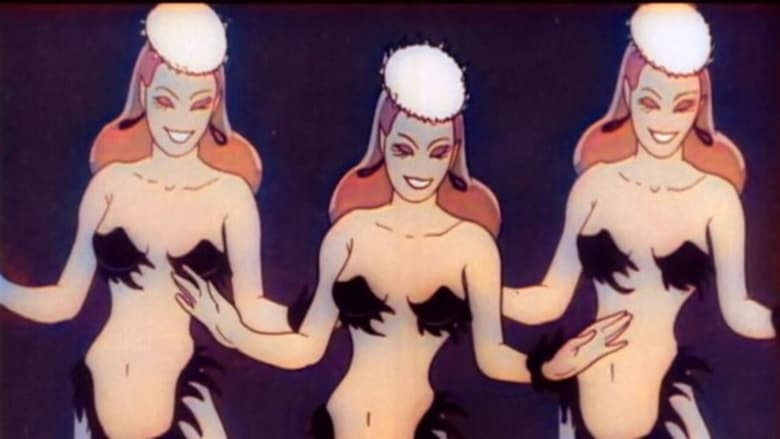
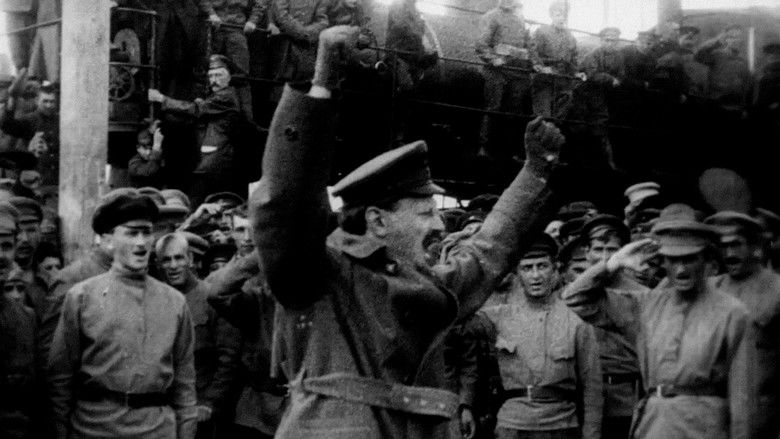
The History of the Civil War (1921)
The epic story of the Russian Civil War (1918-21): the White Terror, the counterrevolutionary uprisings, the guerrilla war, the Kolchak front, the Wrangel front and the Kronstadt rebellion. Chaos and violence, devastation and death.
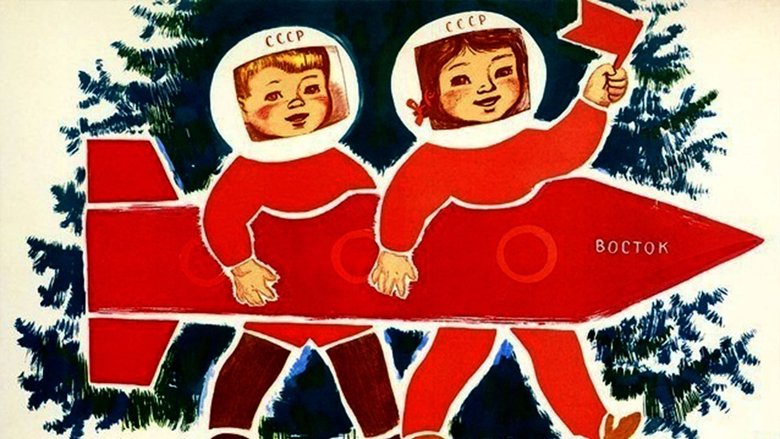
A Very Animated War (2021)
From 1945 to 1989, after the capitulation of Nazi Germany, two rival ideologies, communism and capitalism, faced each other in a merciless battle. On one side of the Iron Curtain and on the other, throughout the Cold War, the USSR and the United States sought to shape children’s imaginations through their magazines and films. Never in the history of mankind have so many comic books been published and so many cartoons produced for young people. In November 1989, communism collapsed with the Berlin Wall; capitalism was left to decide the future of the world. What if this victory had been prepared for a long time, and our thinking conditioned, from our early childhood, to ensure this absolute triumph?
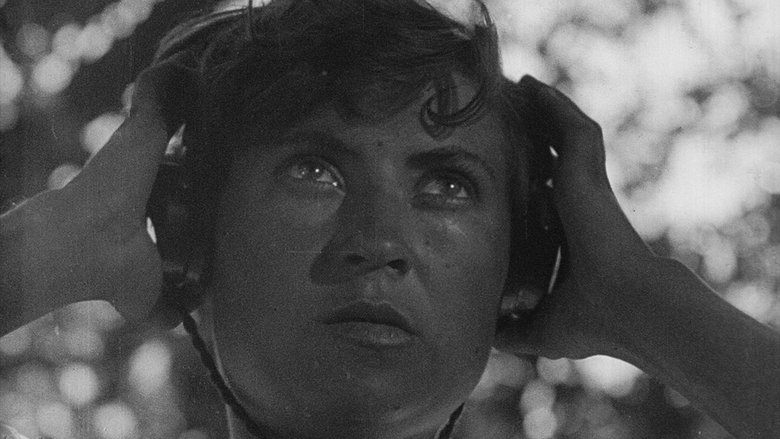
Enthusiasm. Symphony of Donbas (1930)
An audiovisual symphony that delves into the industrial, agrarian, and cultural fabric of the Donbas region during the inaugural Soviet Five Year Plan. It spotlights anti-religious campaigns, propagandistic marches, and the vibrant athletic culture of its time
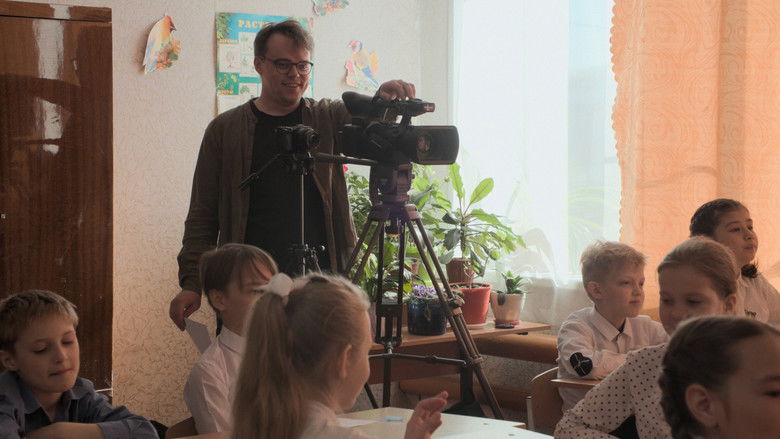
Mr. Nobody Against Putin (2025)
As Russia launches its full-scale invasion of Ukraine, primary schools across Russia’s hinterlands are transformed into recruitment stages for the war. Facing the ethical dilemma of working in a system defined by propaganda and violence, a brave teacher goes undercover to film what’s really happening in his own school.