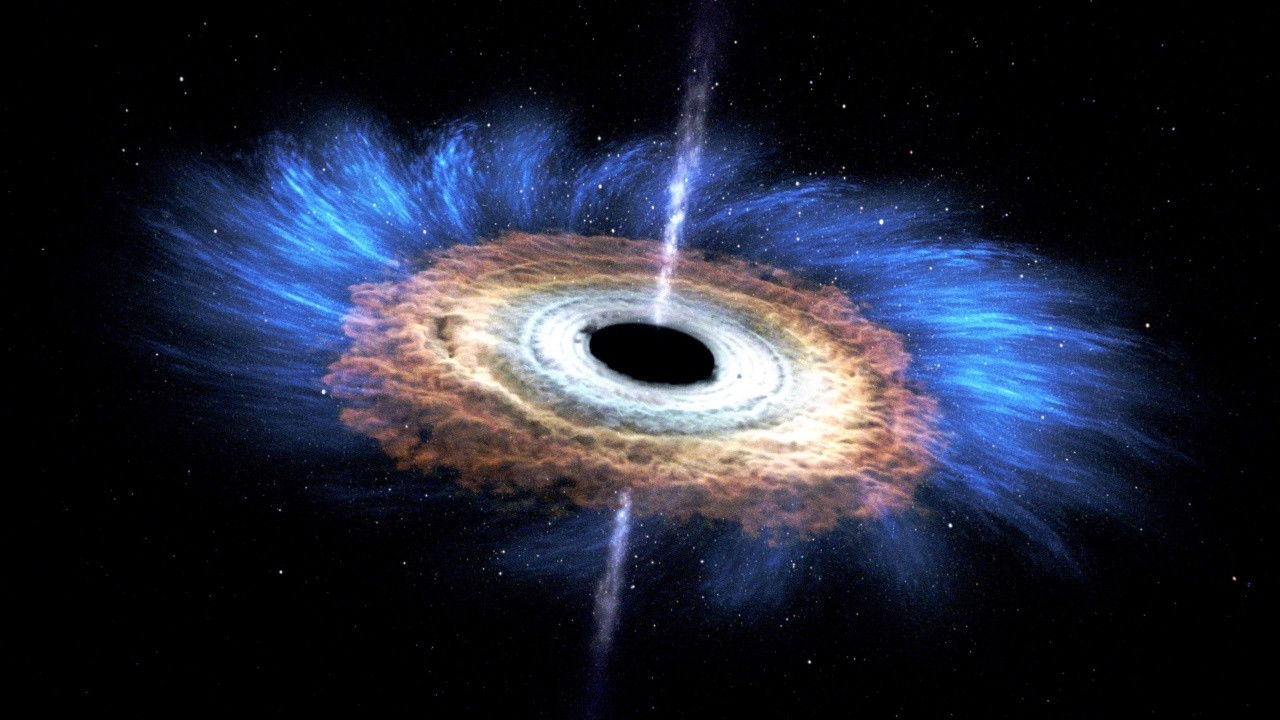
Black Hole Hunters (2019)
A team of international scientists attempt to document the first-ever image of a black hole.
A team of international scientists attempt to document the first-ever image of a black hole.
 Sheperd Doeleman
 Eric MeyersNarrator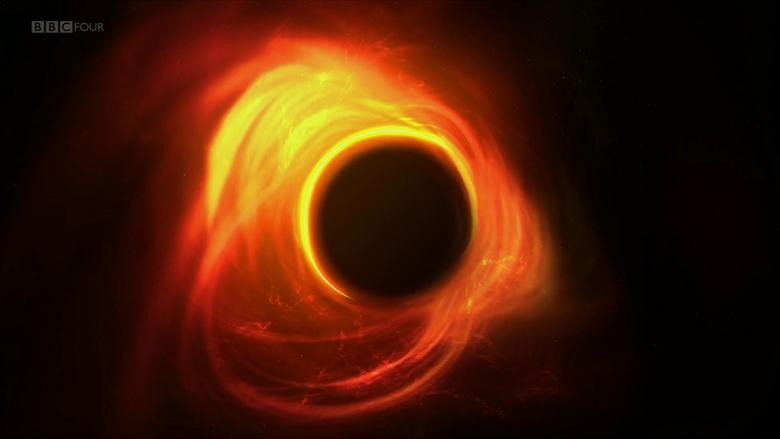
Documentary following researchers as they try to take the first-ever picture of a black hole. They must travel the globe to build a revolutionary telescope that spans planet Earth.
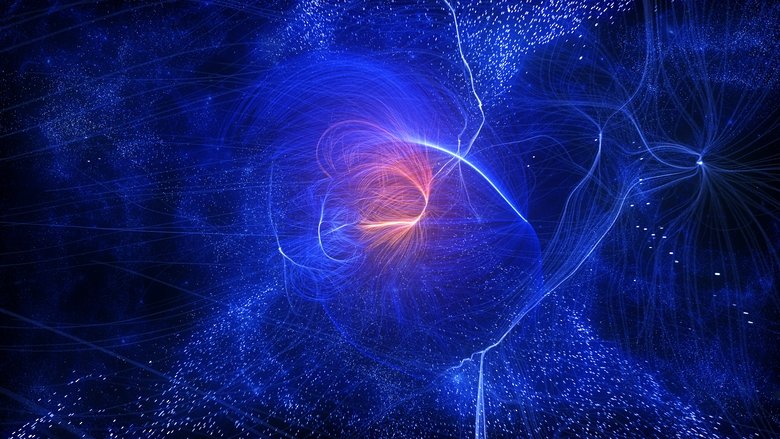
Man has always sought to seek further afield. After the seafaring explorers of the 16th century, 21st century cosmologists today navigate more celestial oceans, with each mission providing an ever-broader and more impressive cartography of our surroundings. At the avant garde of modern technology, these strange travellers are actually immobile, and their vessels are powerful and spectacular telescopes, on the Earth or in space, constantly widening the limits of our knowledge and giving form to our dreams of infinity. From Hawaii to Australia, via South Africa and China, we set out on an incredible scientific and human adventure to visit the planet's greatest cosmic exploration centres to discover the new challenges involved in understanding the universe. A journey on Earth and in the heavens that will take your breath away!

A look at the state of the global environment including visionary and practical solutions for restoring the planet's ecosystems. Featuring ongoing dialogues of experts from all over the world, including former Soviet Prime Minister Mikhail Gorbachev, renowned scientist Stephen Hawking, former head of the CIA R. James Woolse
Shot in Southern England over the course of six weeks by a crew of three American filmmakers, CircleSpeak offers a nuanced look at the passions and beliefs of the people immersed in the crop circle phenomenon during the season of 2001. This feature-length documentary presents interviews with serious “researchers”, self-proclaimed “hoaxers”, local farmers and villagers who are all, in one way or another, involved in this strange and compelling summer spectacle taking place year after year.

Is nuclear energy the solution to the climate crisis? Whether it is the only carbon-neutral technology capable of tackling the crisis or a fatally convenient stopgap, time is running out.
A series of programs designed for the adult layman who has a curiosity about the skies and the makeup of the universe in which we live. The terms used during the series are fully explained and materials from a number of great observatories and institutions of learning are used for visual illustration. It begins with the solar system and works outward, stimulating interest in this area and awakening a desire for further study and investigation.

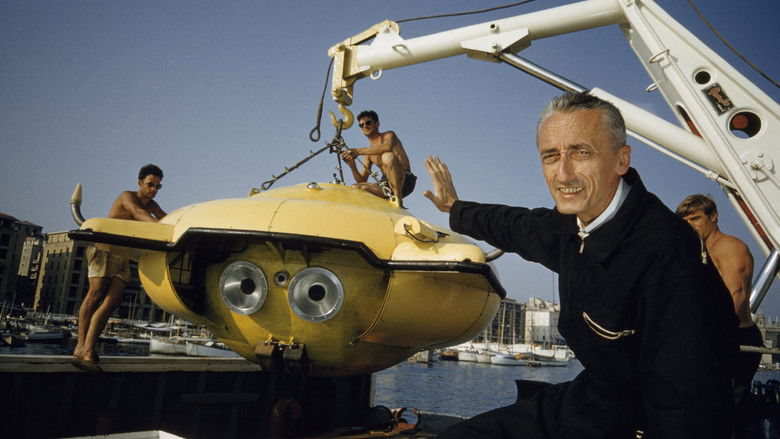
Adventurer, filmmaker, inventor, author, unlikely celebrity and conservationist: For over four decades, Jacques-Yves Cousteau and his explorations under the ocean became synonymous with a love of science and the natural world. As he learned to protect the environment, he brought the whole world with him, sounding alarms more than 50 years ago about the warming seas and our planet’s vulnerability. In BECOMING COUSTEAU, from National Geographic Documentary Films, two-time Academy Award®-nominated filmmaker Liz Garbus takes an inside look at Cousteau and his life, his iconic films and inventions, and the experiences that made him the 20th century’s most unique and renowned environmental voice — and the man who inspired generations to protect the Earth.
One entry in a series of films produced to make science accessible to the masses—especially children—this film describes the sun in scientific but entertaining terms.
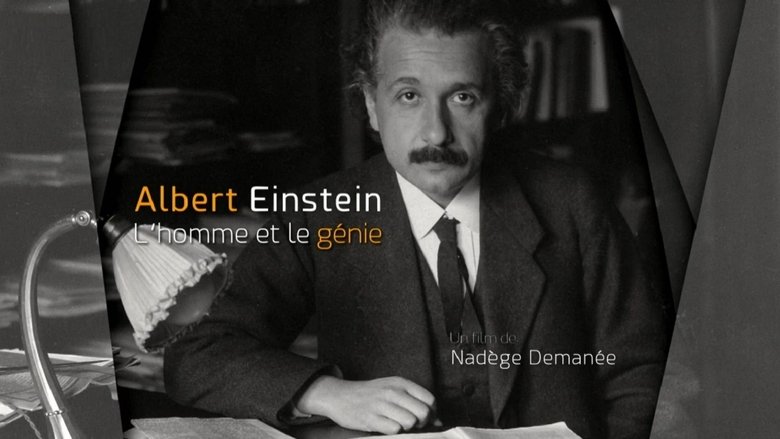
Top Gear presenter James May presents this informative program that examines the historic moon missions. Traveling to America, May meets three of the men who walked on the surface of the moon, learning how it felt and how the now antiquated technology was used to achieve such an historic feat.
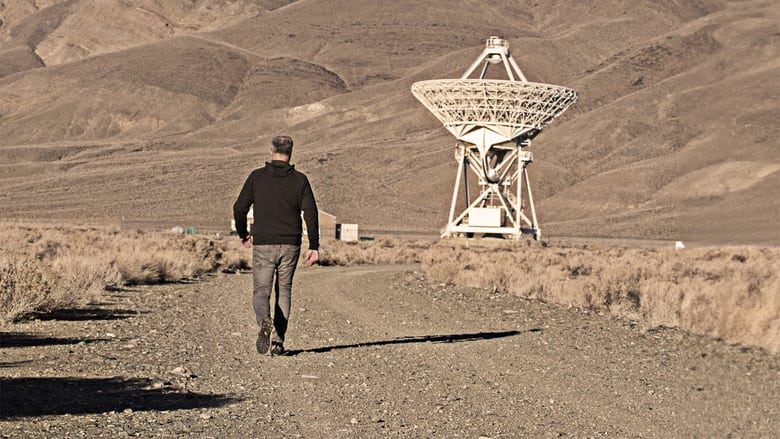
In an age when misinformation, alternative facts, and conspiracy theories have become mainstream, UFOs have risen to become one of the most-talked about pop culture phenomena. With all of this noise, how can we expect anyone to know how much of this is true? What is in our skies? What do we know, and how do we know it? And most importantly: Are we being visited?

This shows physicist Stephen Hawking's life as he deals with the ALS that renders him immobile and unable to speak without the use of a computer. Hawking's friends, family, classmates, and peers are interviewed not only about his theories but the man himself.
Based on more than two decades of systematic research and cross-cultural comparison by comparative mythologist David Talbott, Remembering the End of the World reconstructs a cosmic drama when planets hung in the sky close to the earth–an epoch of celestial wonder giving way to overwhelming terror. This highly visual presentation offers new answers to enigmas that have baffled experts for centuries. Why did every ancient civilization celebrate a former “Age of the Gods”, an age claimed to have ended in earth threatening disaster? What was meant by the lost “Golden Age?” Why did ancient sky worshipers refer to Saturn as “the sun?” Why was Venus worshiped as the “Mother Goddess?” And why did both Old and New World astronomers celebrate the planet Mars as a great warrior whose battles shook the heavens?
The issue of artificial insemination has biological, medical, psychological, and ethical dimensions. Filmmaker Marie Mandy approaches the topic in her own unique way, involving scientists from various disciplines. The artificial womb—is it a futuristic fairy tale or scientific reality? Filmmaker Marie Mandy uses a very personal visual style to explore the latest research findings in the field of artificial insemination. She highlights the biological, ethical, and psychological issues surrounding this (r)evolution, while also questioning the value of life and the power of science.
Go higher, faster and farther with the Smithsonian as they explore the dreams of flight.
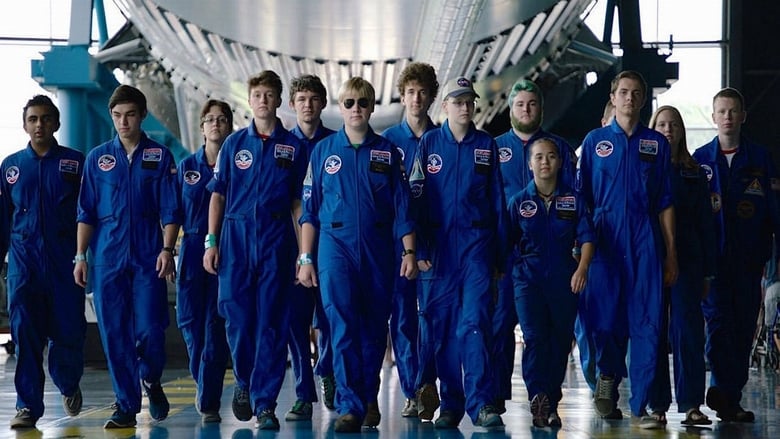
Aspiring teenage astronauts reveal that a journey to Mars is closer than you think.
Computer animation and footage from NASA space missions explain how our solar system evolved and the place Earth has within the system.
William Shatner presents a light-hearted look at how the "Star Trek" TV series have influenced and inspired today's technologies, including: cell phones, medical imaging, computers and software, SETI, MP3 players and iPods, virtual reality, and spaceship propulsion.
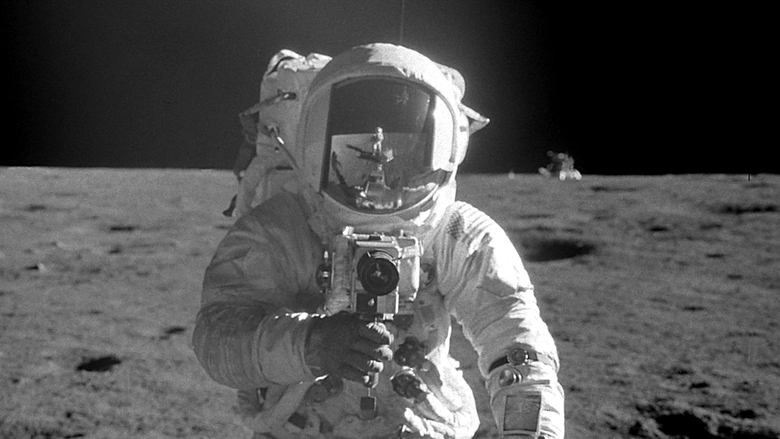
The Wonder of it All focuses on the human side of the men behind the Apollo missions through candid interviews with seven of the Apollo astronauts: Buzz Aldrin, Alan Bean, Edgar Mitchell, John Young, Charles Duke, Eugene Cernan and Harrison Schmitt. They all reflect on the training, the tragedies, the camaraderie, and the effect that their space travel has had on their families.