
Bastion Point: Day 507 (1980)
Merata Mita, Leon Narbey and Gerd Pohlmann’s powerful documentary Bastion Point: Day 507 depicts the eviction of protestors from Bastion Point during the struggle for Māori land rights.
Merata Mita, Leon Narbey and Gerd Pohlmann’s powerful documentary Bastion Point: Day 507 depicts the eviction of protestors from Bastion Point during the struggle for Māori land rights.
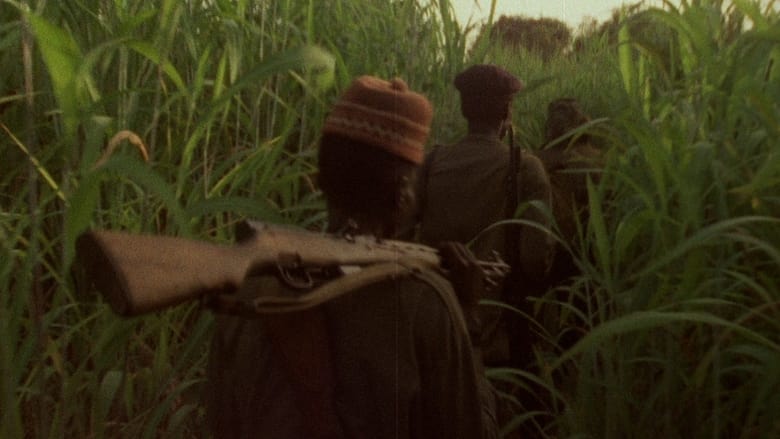
Based on powerful archival material documenting the most daring moments in the struggle for liberation in the Third World, this documentary is accompanied by classic text from The Wretched of the Earth by Frantz Fanon.
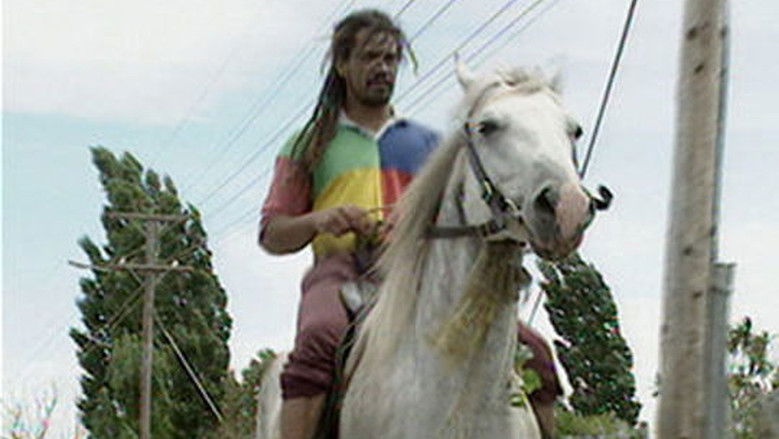
An East Coast community in Ruatōria, New Zealand attempts to live in autarchy according to the tenets of their movement. Bob Marley, a prophet of our electronic age, is the soundtrack to the everyday lives of these Māori who feel closer to their own roots by observing a blend of Afro-Carribean Rastafarianism and the Ringatū faith. Merata Mita's camera respectfully portrays this singular cultural dialogue. The outsider cultures of Jamaicans, Ethiopians and Māori have come together, vibrating to a common cosmic chord. They find an underground brotherhood, across continents and seas.
This 1981 NFU film is a tour of the contemporary world of Aotearoa’s tangata whenua. It won headlines over claims that its portrayal of Māori had been sanitised for overseas viewers. Debate and a recut ensued. Writer Witi Ihimaera felt that mentions of contentious issues (Bastion Point, the land march) in his original script were ignored or elided in the final film, and withdrew from the project. He later told journalists that the controversy showed that educated members of minority groups were no longer prepared to let the majority interpret the minority view.
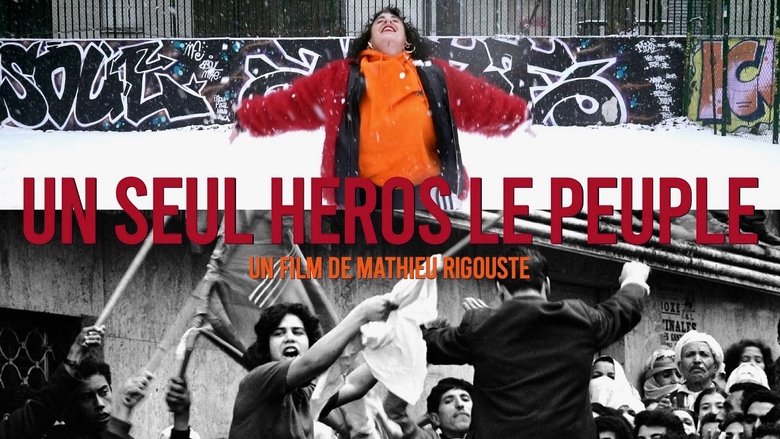
This film is the product of a seven-year research journey on the popular insurrection of December 1960 in Algeria and the failure of the counter-insurrection, thanks to the Wretched of the Earth themselves.
A documentary about the history of settler groups that came to New Zealand from Europe.
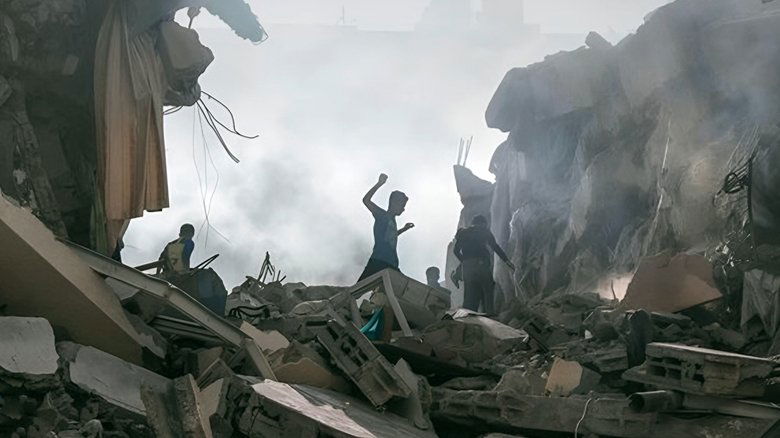
Montage film by Aymeric Caron, broadcast at the French National Assembly on May 29, 2024. “Is it a dream or a reality? » demands a little girl stunned by her injuries. It is a nightmare, without a doubt, and nothing can justify it, neither the crimes of October 7 nor the detention of Israeli hostages by Hamas. Condemning all the crimes of October 7, before and after, condemning anti-Semitism and all forms of racism is common sense. However, it seems that this needs to be clarified. Everyone present normally wishes that the surviving hostages can one day be reunited with their families and that the massacre in Gaza stops immediately. But to follow through with the process is to see things face to face, to see what has been happening in Gaza since October 7, what the Israeli army is doing, what the television channels are not showing.

In 1587, more than 100 English colonists settle on Roanoke Island and soon vanish, baffling historians for centuries; now, experts use the latest forensic archaeology to investigate the true story behind America's oldest and most controversial mystery.
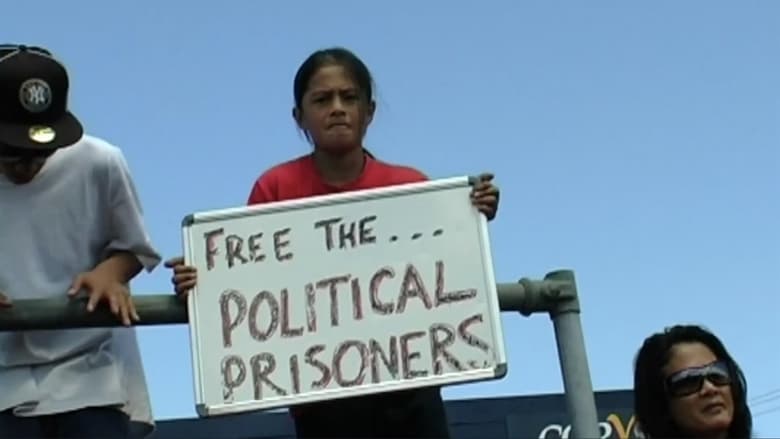
Operation 8 examines the so-called 'anti-terror' raids that took place around New Zealand on October 15, 2007 - asking how and why they took place and at what cost to those targeted.
The word panchão was first heard in Macao. From the Chinese pan-tcheong or pau-tcheong, dictionaries define it as a Macanese regionalism also known as China cracker. Who inhabits the ancient IEC Long firecracker factory?
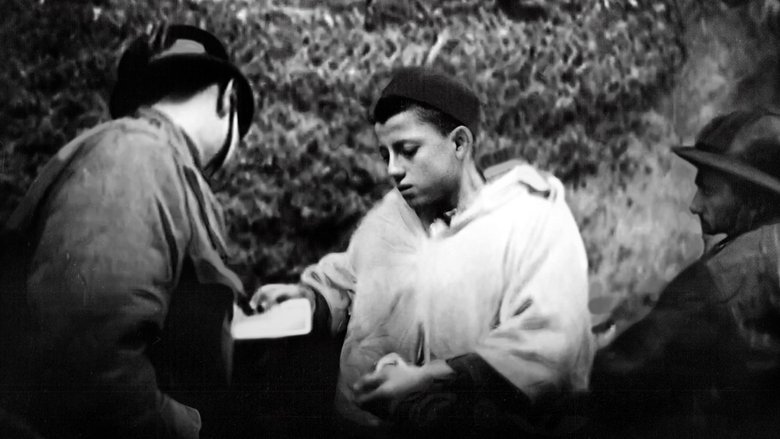
This film presents the point of view of an Arab from Algeria who rebels against colonization. He analyzes the process of awareness, the transition to revolt, to armed insurrection. Algeria and the settlers are seen through this lens and not the way a Frenchman saw the country. He gives voice to the Arabs at a time when this word was not heard: sometimes it was not even produced, at least publicly. The testimonies are based on real propositions, most of them were made to the author during his stay in Algeria from 1948 to 1956, then in 1958 and 1959. The comments are borrowed from the texts of Arab theorists of the revolution Algerian. This film thus completely evacuates the point of view of those who are not insurgents; he does not give the opinion of the colonists. It is the direct expression of what was the revolt of a colonized person: it thus constitutes the very type of the historical document.

This often confronting documentary observes a Māori restorative justice model through the eyes of straight-talking Mike Hinton, manager of Restorative Justice at Manukau Urban Māori Authority. The bringing together of victims (including wider whānau) and offenders may offer an alternate way forward for "a criminal justice system failing too many and costing too much”. Restoring Hope kicked off Māori Television’s 2013 season of Sunday night documentaries. In a Herald On Sunday preview, Sarah Lang argued it was “enough to restore hope in local documentary-making.” I’m in an arena where people have high emotions, they get stressed and pressured. I’m reasonably confident that I can avoid situations where I’ll be unsafe. I don’t have any death wish — I’ve got a game of golf tomorrow. – Mike Hinton, on the dangers of the job
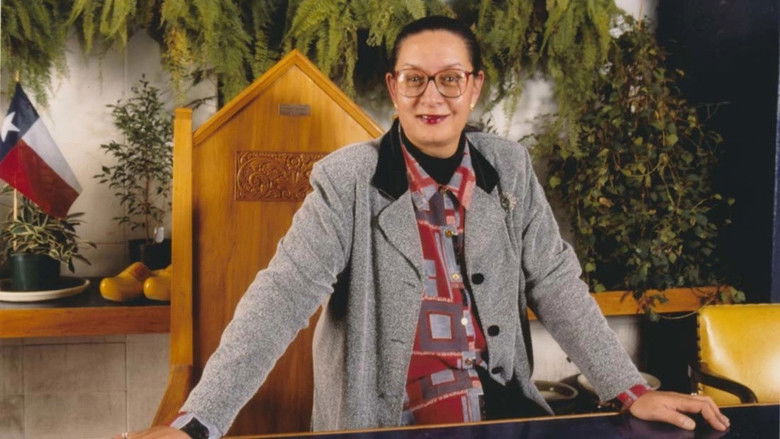
In 1999, the largely conservative Wairarapa district in New Zealand elected a former cabaret performer/actress named Georgina Beyer to the country's House of Parliament -- a seemingly unremarkable event in that country's history except for the fact that Beyer is a transsexual and may very well be the first transsexual in the world to be elected to a national office. In their 2002 biographical documentary Georgie Girl, co-directors Peter Wells and Annie Goldson highlight the popular Member of Parliament's rapid rise through local government to prominence in the New Zealand national government.
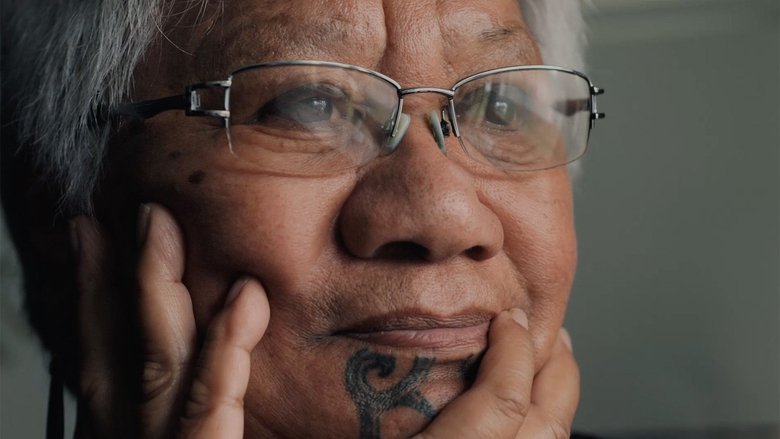
When an academic unearths a forgotten history, residents of the small township of Pukekohe, including kaumātua who have never told their personal stories before, confront its deep and dark racist past.
Two decades on from Cinema of Unease, Tim Wong’s essay film contemplates the prevailing image of a national cinema while privileging some of the images and image-makers displaced by the popular view of filmmaking in Aotearoa. Now streaming for free at: films.lumiere.net.nz
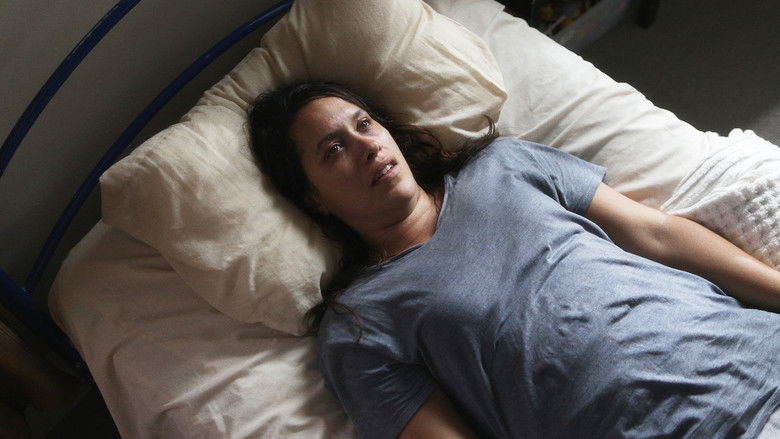
This impressive doco disperses the fog of shame and sensationalism to shed light on the tragedy that made international headlines in 2007 when a young Wainuiomata woman died during a mākutu lifting.
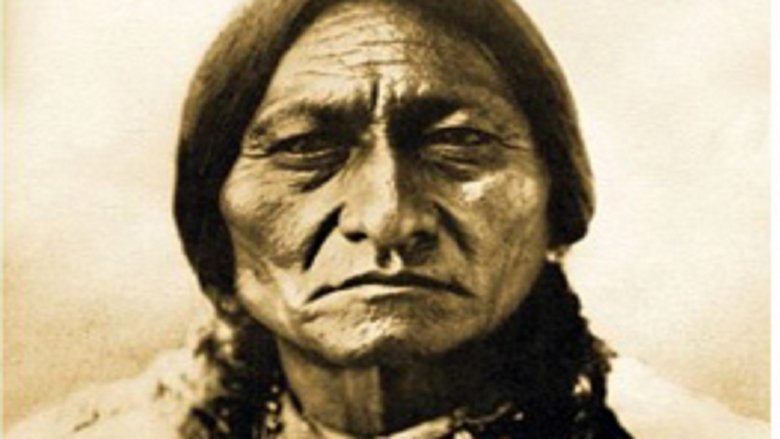
Documentation of the encroachment of European settlers upon Native American lands and the violent reaction of the Indians in their struggle to survive.
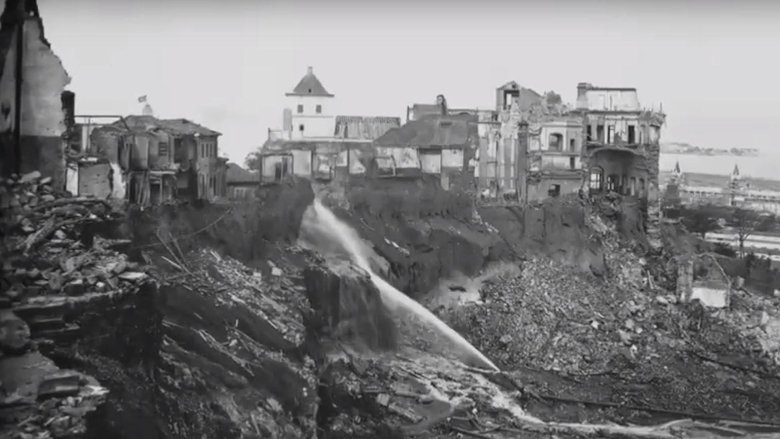
Morro do Castelo was chosen by the Portuguese to found Rio de Janeiro city. It was an important historical and architectural reference. Despite its relevance, the hill was destroyed by urban reforms aimed to promote real state speculation.
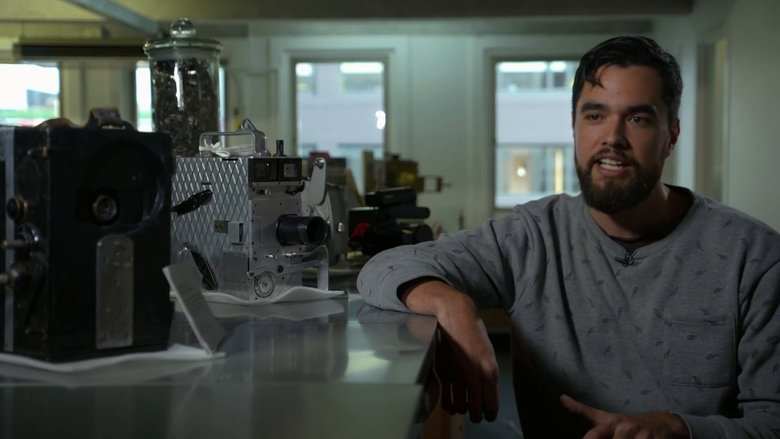
This film is an intimate portrayal of pioneering filmmaker Merata Mita told through the eyes of her children. Using hours of archive footage, some never before seen, her youngest child and director Hepi Mita discovers the filmmaker he never knew and shares the mother he lost, with the world.
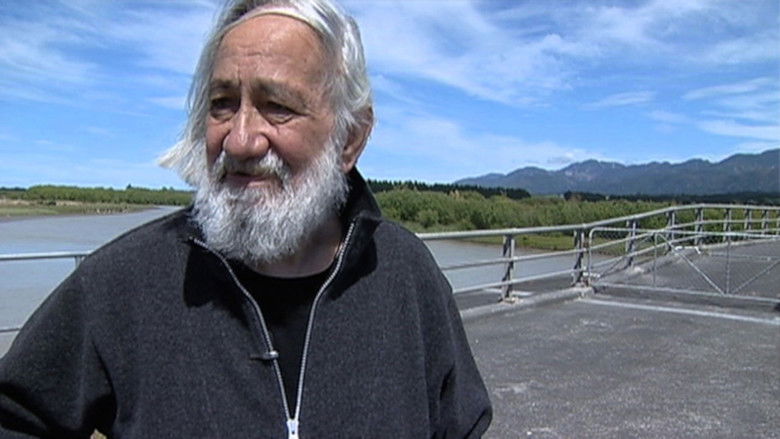
Barry Barclay was a New Zealand/Aotearoa director of documentaries and feature films. He is regarded as one of the world's first, and very influential, Indigenous film makers. The film The Camera on The Shore is a feature length introduction to Barry, and to his film making.
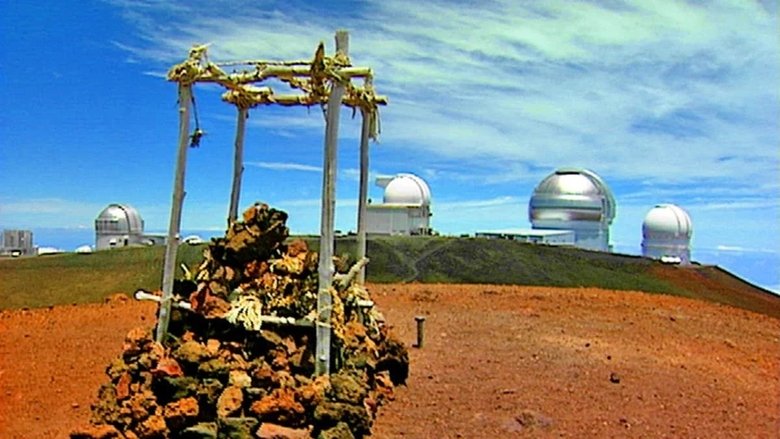
Although the mountain volcano Mauna Kea last erupted around 4,000 years ago, it is still hot today, the center of a burning controversy over whether its summit should be used for astronomical observatories or preserved as a cultural landscape sacred to the Hawaiian people. For five years the documentary production team Nā Maka o ka 'Āina ("the eyes of the land") captured on video the seasonal moods of Mauna Kea's unique 14,000-foot summit, the richly varied ecosystems that extend from sea level to alpine zone, the legends and stories that reveal the mountain's geologic and cultural history, and the political turbulence surrounding the efforts to protect the most significant temple in the islands: the mountain itself.