
Land Without God (2019)
An intimate portrait of a family coming to terms with decades of institutional abuse and the impact it has had and is still having on their lives.
An intimate portrait of a family coming to terms with decades of institutional abuse and the impact it has had and is still having on their lives.
Gerard Mannix FlynnHimself
Scott Mills travels to Uganda where the death penalty could soon be introduced for being gay. The gay Radio 1 DJ finds out what it's like to live in a society which persecutes people like him and meets those who are leading the hate campaign.
The fourth generation in his family to be born intersex, Jewish Rabbi Levi was assigned the female gender at birth and grew up thinking he was sick and defective. "In the Image of God" tells the story of his struggles and transitions, culminating today in a life as a religious leader and an LGBTQI+ activist living happily in Los Angeles with his wife.
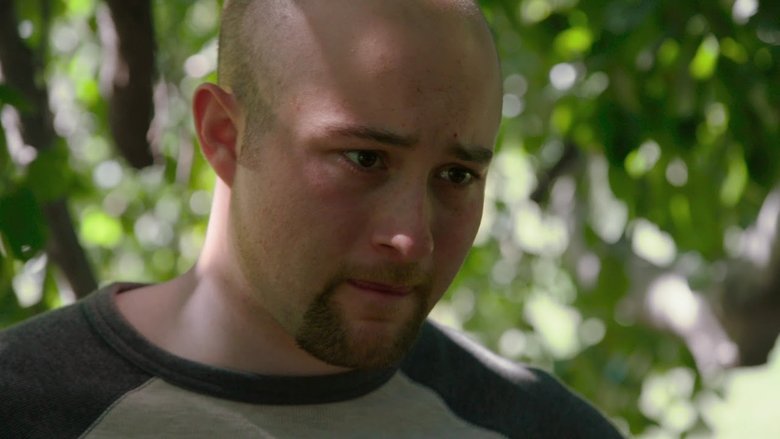
Digging through the vast collection of his father's home videos, a young man reconstructs the unthinkable story of his boyhood and exposes vile abuse passed through generations.
Explores the influence of propaganda on religion during Hitler's reign as well as his representation as the new Messiah.
King of the Jews is a film about anti-Semitism and transcendence. Utilizing Hollywood movies, 1950's educational films, personal home movies and religious films, the filmmaker depicts his childhood fear of Jesus Christ. These childhood recollections are a point of departure for larger issues such as the roots of Christian anti-Semitism.
Documentary about three men from Kentucky who claim to have discovered an Old Testament relic for 69-cents at a Madison, Tennessee Goodwill superstore. The men believe that they have found the mysterious Urim and Thummim in the form of a stone cup that allows its users to communicate with God and see visions.
A documentary based on the book Umbanda no Brasil by the scholar Mata e Silva, who is interviewed by the director. The book studies the Brazilian religion known as spiritism, a syncretism of African beliefs and magical rites, Indian beliefs and images, and Catholic symbols.
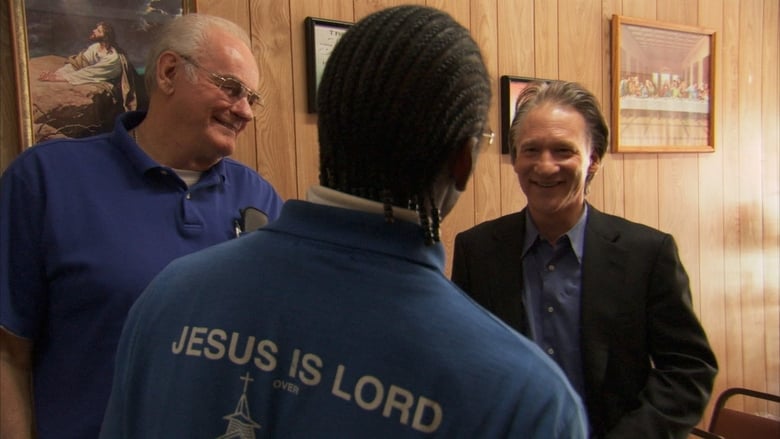
Commentator-comic Bill Maher plays devil's advocate with religion as he talks to believers about their faith. Traveling around the world, Maher examines the tenets of Christianity, Judaism and Islam and raises questions about homosexuality, proof of Christ's existence, Jewish Sabbath laws, violent Muslim extremists.
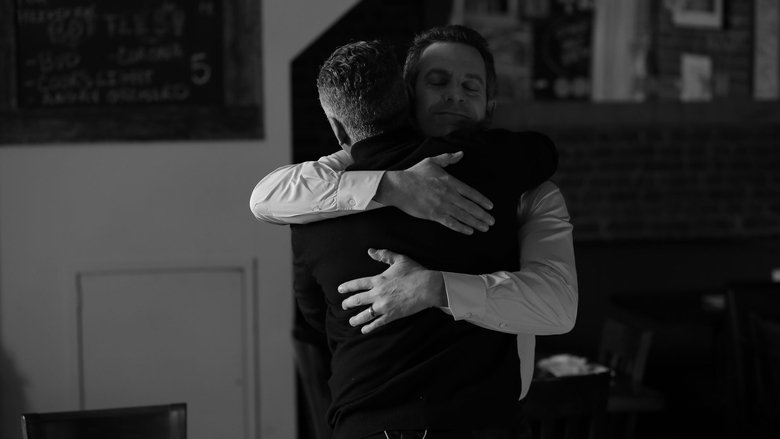
In the thick of a controversial war of ideas, two enlightening figures, Sam Harris, an atheist and a critic of religion, and Maajid Nawaz, an Islamist-turned-liberal activist, partake in an engaging dialogue on the state of Islam, its potential reform, the militant ideology of Islamism, and where all this lays in a secular world.
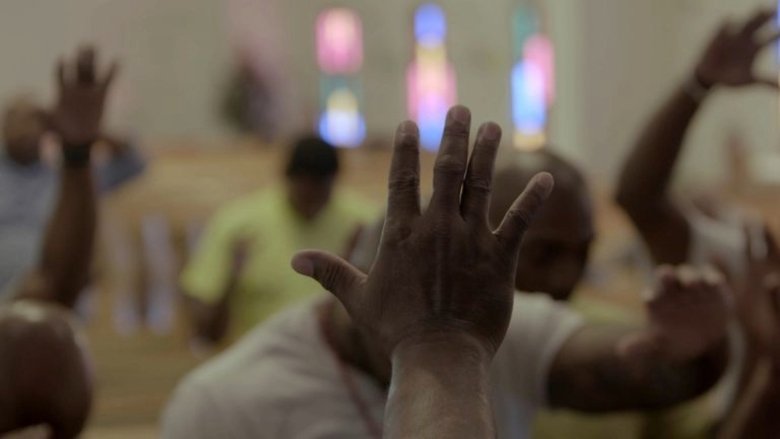
Sacred explores cultural and religious ritual as it relates to life’s cycles: birth, adolescence, marriage, aging and other key passages of life.

The Athos peninsula in Greece is one of Europe's last secrets. Over 2000 monks live on Athos - cut off from the outside world. Access is denied to women, tourists are not welcome. Only workers and pilgrims can obtain a visa. The "Autonomous Monastic State of the Holy Mountain" attracts people who feel like they are missing something from their modern lives. With the help of three Athos monks, "Athos - A Taste of Heaven" tells the story of the island and its inhabitants in a unique filmed diary style. The film's guiding theme is the path we as people have to find and follow - each and everyone for themselves. "First we must heal our own souls, only then we can help others", is one of Father Galaktions core messages. He lives as a hermit on the holy mountain. Not all monks, however, live as secluded and demure as Father Galaktion. The film team is also received by Father Epiphanios - a gifted and poetic cook who certainly does not disdain the pleasures of life.
A Life Apart: Hasidism in America, is the first in-depth documentary about a distinctive, traditional Eastern European religious community. In an historic migration after World War II, Hasidism found it's most vital center in America. Both challenging and embracing American values, Hasidim seek those things which many Americans find most precious: family, community, and a close relationship to God. Integrating critical and analytical scholarship with a portrait of the daily life, beliefs, and history of contemporary Hasidic Jews in New York City, the film focuses on the conflicts, burdens, and rewards of the Hasidic way of life.
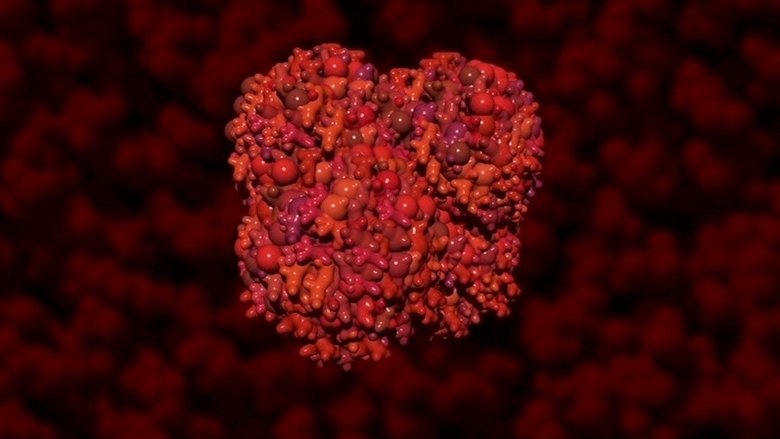
Filmmaker and evolutionary biologist Randy Olson tries to figure out if it is the Darwinists or Intelligent Design supporters who will become a flock of dodos.
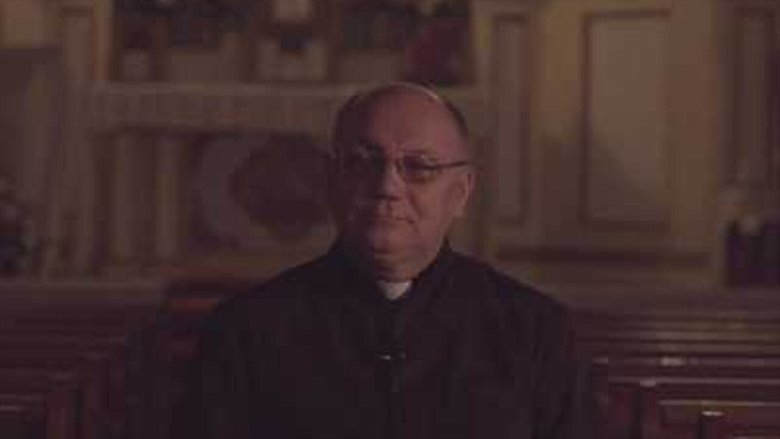
Writing a letter to Paul B. Preciado, trans philosopher and filmmaker, as one would write to a friend. Undertake a healing process as a queer child growing up in a Spanish evangelical family. From Lausanne to New York, Lézio Schiffke-Rodriguez follows in the footsteps of revolutions that invite us to redefine our vision of binary bodies.
Are we in the last days of our great nation? Is it too late for America? Revive Us features worship, prayer, and thoughtful discussion as Kirk Cameron turns to Scripture to offer encouragement for our great nation. As Kirk says, 'When our family of believers gets together and the Spirit is moving, we are unstoppable!' Revive Us will have you believing this could be our finest hour!
This one hour documentary, presented by former Olympian Jonathan Edwards, dissects the story of St Paul, and aimed to reveal the background to the story of Paul.
Two Bangladeshi girls born and raised in London have weddings arranged for them against their will by their family. Shahanara, the rebel of the family, banished from the family in her teens for being "too Western", has to swap her pink hot pants for a sari as she goes off to the airport to meet her new Bangladeshi husband. Her sister Hushnara is the opposite of Shahanara; a devout Muslim who agrees to marry so she doesn't upset her parents.
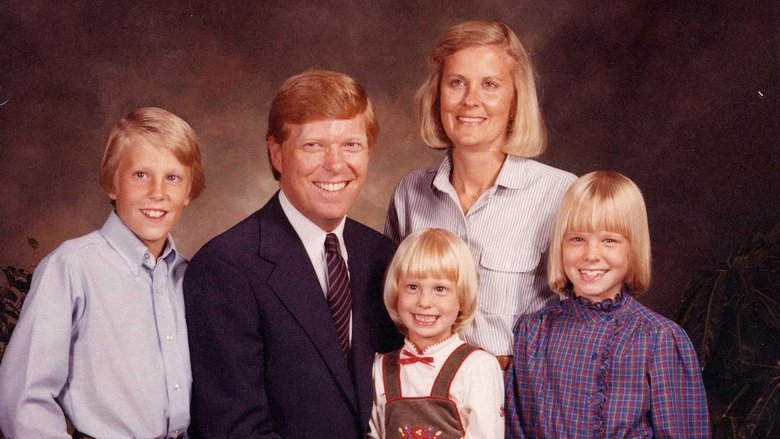
An exploration of the intersection between religion and homosexuality in the U.S. and how the religious right has used its interpretation of the Bible to stigmatize the gay community.
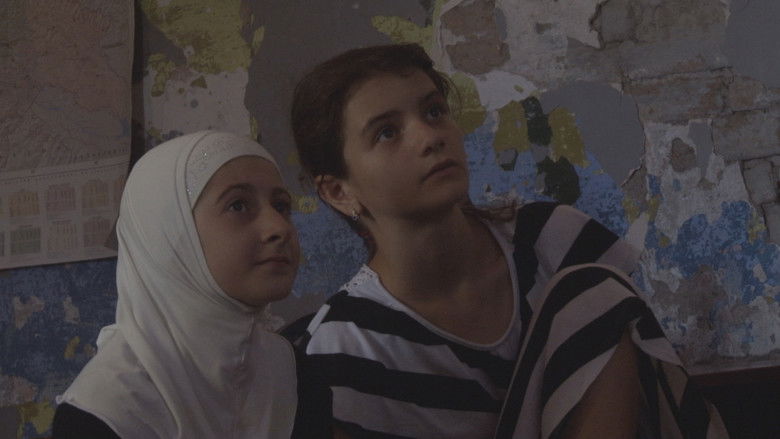
In a darkened classroom, the white cracked walls serve as a movie screen. We are in a remote mountain village in Georgia. The light from the projector breaks the darkness: the children's first cinematic experience is about to begin. Among the kids are Iman and Eva, two Muslim girls, for whom the experience becomes a turning point and inspires them to pick up a camera and start filming their daily lives. The girls are growing up in a valley infested by radicalism, where most people live in constant fear that their relatives will sacrifice their lives in the name of God.