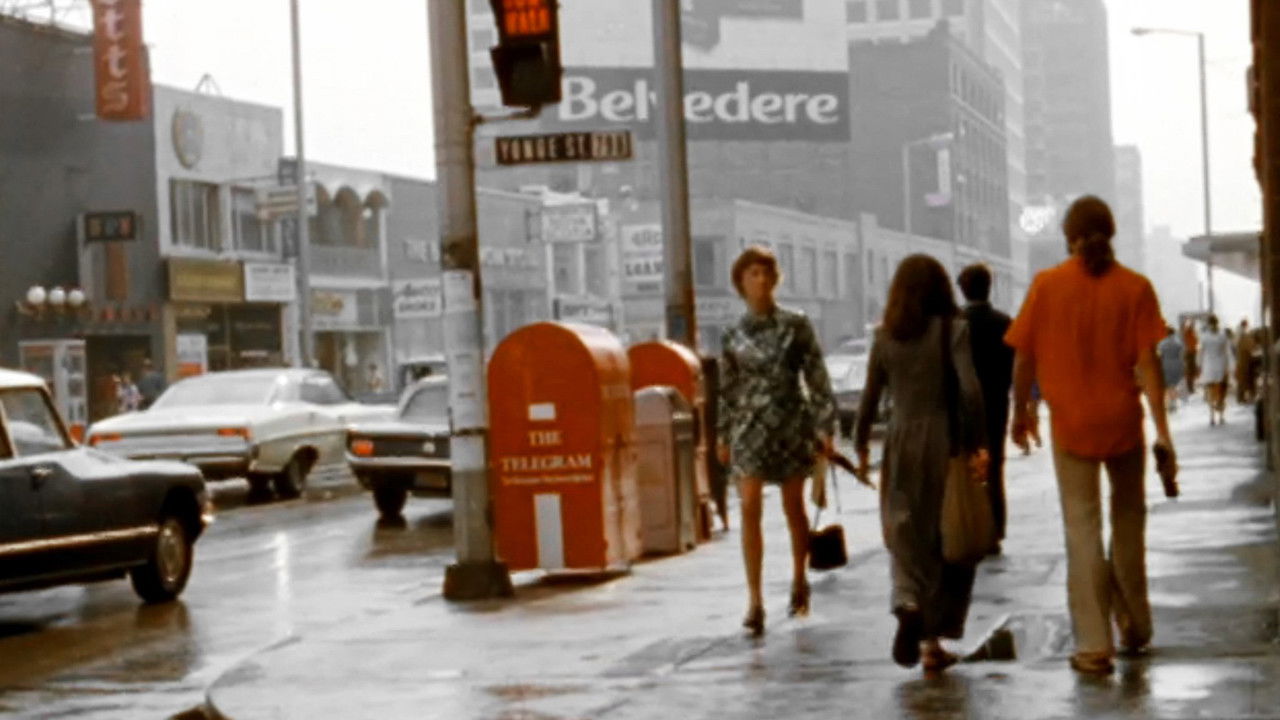
City Limits (1971)
Author and activist Jane Jacobs talks about the problems and virtues of North American cities.
Author and activist Jane Jacobs talks about the problems and virtues of North American cities.
 Jane Jacobsself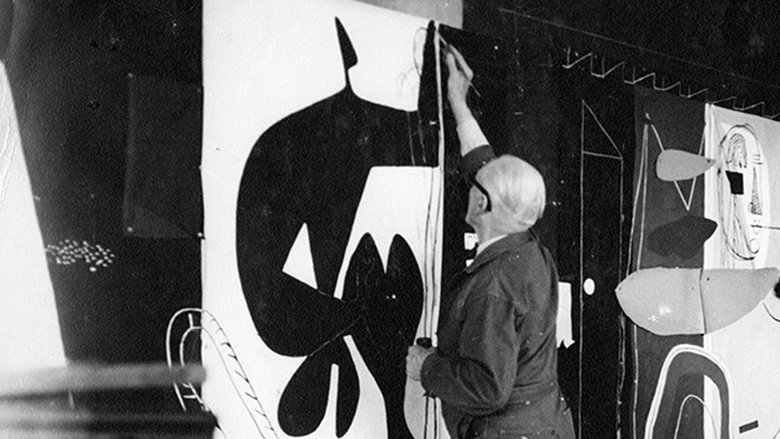
Documentary devoted to the architectural and urban planning designs of Le Corbusier. The architect supports his in-depth reflection on the city and its necessary adaptation to modern life with plans, drawings and images, particularly Paris, whose revolutionary development dreamed of by Le Corbusier is exhibited here. Its first projects will remain at the stage of a model: the modernization plan for the city of Algiers. Some will be created by other architects: Ministry of Education in Rio de Janeiro, UN Palace in New York. From the post-war period in less than 10 years, Le Corbusier created large housing units in Marseille, Nantes, a chapel in Ronchamps, a factory in Saint-Dié, a town in Chandigarh in India. Through diagrams, the architect presents his theory of the "radiant city", the mathematical key modulor of his work as well as his project for reorganizing the countryside, industrial and urban cities into a grouping around a cooperative system.
This feature documentary takes a look at how the Halifax/Dartmouth community in Nova Scotia was stimulated by a week-long session held by a panel of specialists from different fields who met with members of this urban community to consider the future of the area and the responsibility of the citizens and government in planning the future.
This documentary presents a before-and-after picture of people in a large-scale public housing project in Toronto. Due to a housing shortage, they were forced to live in squalid, dingy flats and ramshackle dwellings on a crowded street in Regent Park North; now they have access to new, modern housing developments designed to offer them privacy, light and space.
This short documentary examines the complex range of issues affecting urban transport in developing countries. After examining cost and available technology, as well as the different needs of the industrialized middle class and the urban poor, the film proposes some surprising solutions.

The war zone of a dystopian multiplayer shooting game is used to embark some urban explorers on a winter walk, avoiding the combats whenever possible, as peaceful observers, inhabitants of a digital world, which is a detailed replica of Midtown Manhattan.
A short documentary on the River Ouse, following it downstream from Lewes to Newhaven, meditating on the surrounding area.
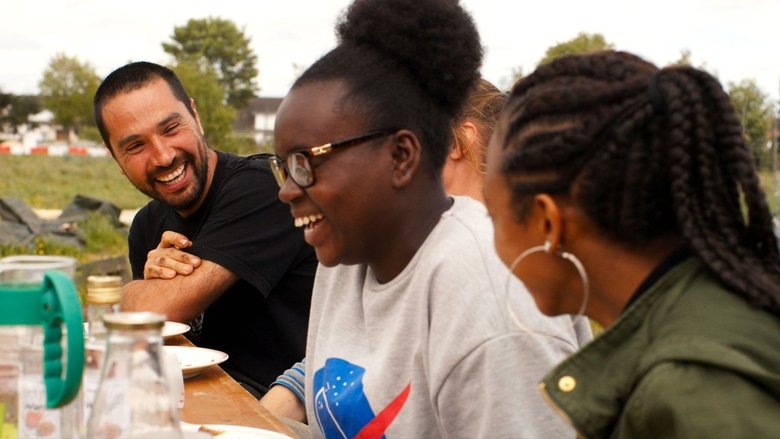
Amina, Sami and Jennyfer are high school students in the Paris suburbs, in 93. At the initiative of 3 of their teachers, they embark on an unexpected investigation into a gigantic leisure park project which involves concreting agricultural land near their homes. But can we have the power to act on a territory when we are 17 years old? Funny and intrepid, these new citizens take us to meet residents of their neighborhood, property developers, farmers and even elected officials of the National Assembly. A joyful quest that challenges conventional wisdom and revives our connection to the land!
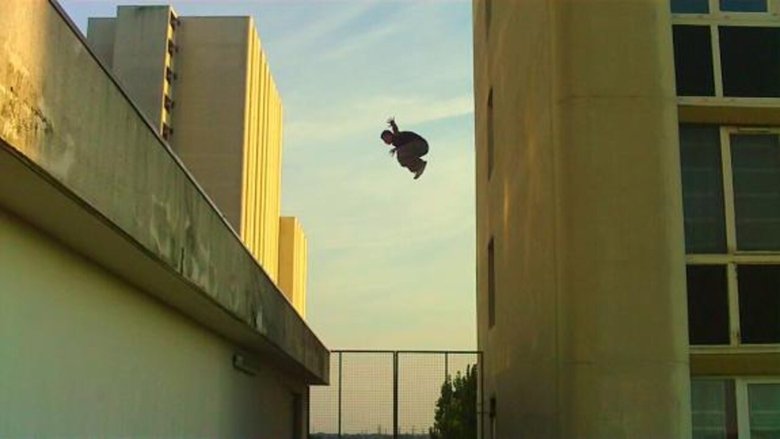
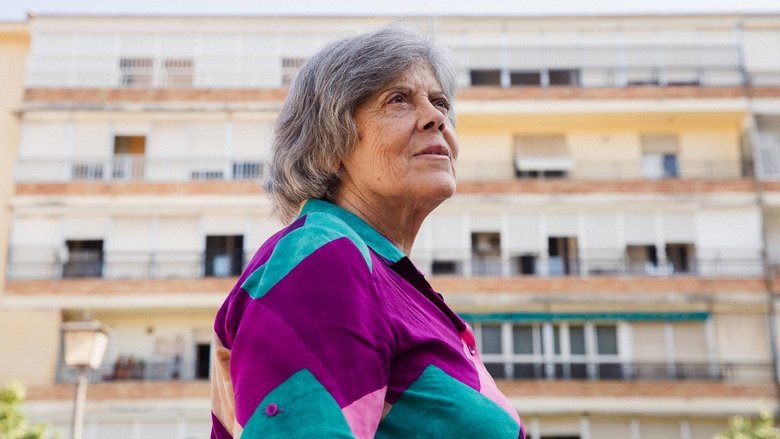
"Ellas en la ciudad" (Them in the City) focuses on the first settlers of the neighborhoods on the outskirts of Seville. Through their stories, we discover that they have been the backbone of a city that has turned its back on them.
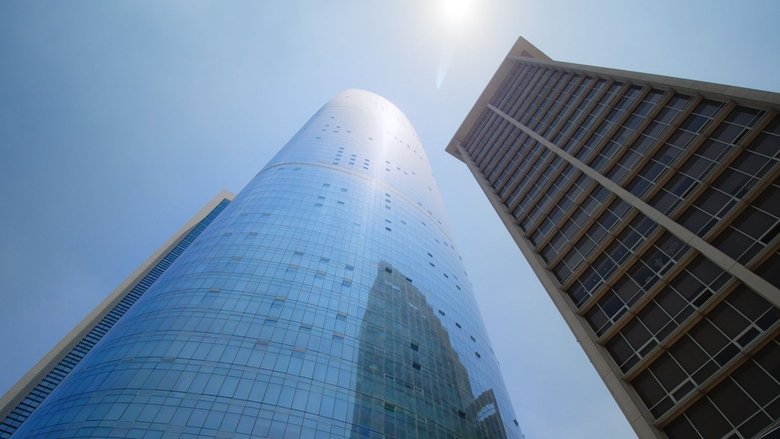
In the town of Xoco, the spirit of an old villager awakens in search of its lost home. Along its journey, the ghost discovers that the town still celebrates its most important festivities, but also learns that the construction of a new commercial complex called Mítikah will threaten the existence of both the traditions and the town itself.
The human side of town planning, as exemplified in Baltimore, Maryland. The Coldspring Project concerned a proposed housing development for lower and upper income levels on a three hundred-acre site adjoining a wildlife sanctuary. The film records the differences aired in meetings of various interest groups that tried to modify the plan according to their views, and the compromise reached, based on plans drawn up by Montréal architect Moshe Safdie.
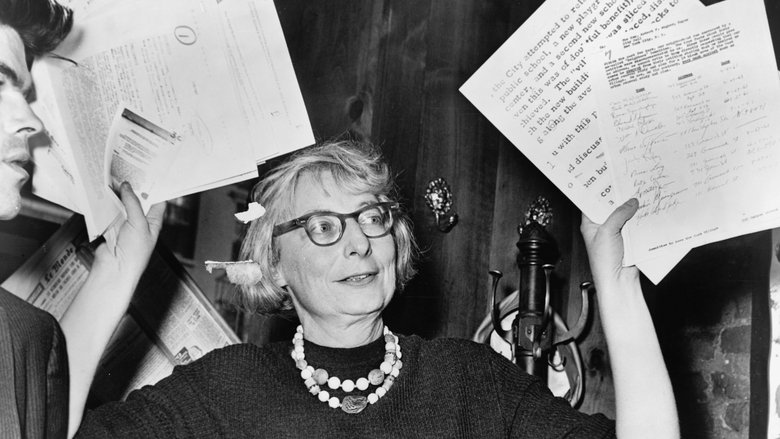
Writer and urban activist Jane Jacobs fights to save historic New York City during the ruthless redevelopment era of urban planner Robert Moses in the 1960s.
This short documentary features a portrait of Ottawa in the mid-20th century, as the nascent Canadian capital grew with force but without direction. Street congestion, air pollution, and rail traffic were all the negative results of a city that had grown without being properly planned. French architect and urban designer Jacques Gréber stepped in to create a far-sighted plan for the future development of Ottawa. With tracks moved, factories relocated, and neighbourhoods redesigned as separate communities, Ottawa became the capital city of true beauty and dignity we know today.
In the city of Saskatoon, Saskatchewan, an effective government policy of controlling land investment prevents speculation, keeps land prices down, and provides a good balance between commercial, residential and public areas.
Exploring the impact of the now defunct Steinberg supermarkets on the urban environment.
Canada is facing a housing crisis, and cooperative housing might be a part of the solution.
Bridgeview, British Columbia is less than 30 kilometres from downtown Vancouver. The residents were promised a sewer system in 1953, but more than 20 years later the sewer system has yet to be built.
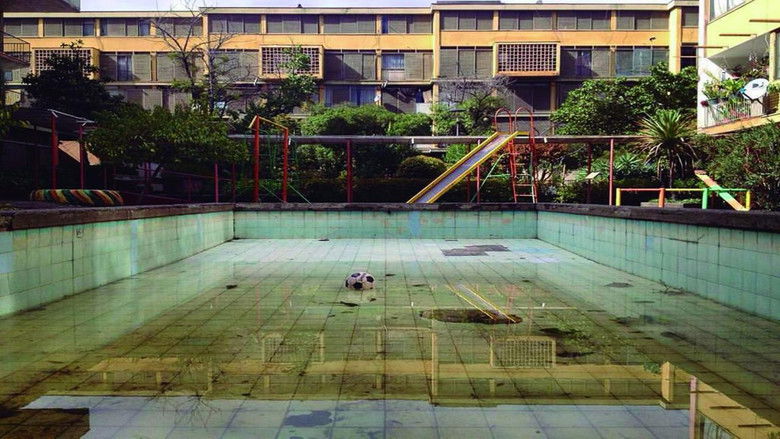
Focusing on the Matta-Viel complex, the immediate environment, the program, the materiality, the community of neighbors and its architects and what they represented in the modern Latin American architectural panorama.
Sundance award-winning director Julia Kwan’s documentary Everything Will Be captures the subtle nuances of a culturally diverse neighbourhood—Vancouver’s once thriving Chinatown—in the midst of transformation. The community’s oldest and newest members offer their intimate perspectives on the shifting landscape as they reflect on change, memory and legacy. Night and day, a neon sign that reads "EVERYTHING IS GOING TO BE ALRIGHT" looms over Chinatown. Everything is going to be alright, indeed, but the big question is for whom?