
Similar to Otázky pana Lásky
Manhattan, Kansas (2006)
Filmmaker Evie Wray travels to rural Kansas in an attempt to reconnect with her mentally unstable mother, Evie, for the first time since Evie’s psychotic breakdown five years earlier. She finds a parent still chasing her demons, both real and imagined, struggling to make a career for herself as an abstract artist and searching for the Geodetic Center of the United States, the finding of which, Evie says, will bring about world peace.
The friendship bench (2024)
In a country ravaged by generational trauma, a psychiatrist trains grandmothers to treat depression within their communities.
Shipbuilder (1985)
This film recreates the true story of Tom Sukanen, an eccentric Finnish immigrant who homesteaded in Saskatchewan in the 1920s and 1930s. Sukanen spent ten years building and moving overland a huge iron ship that was to carry him back to his native Finland. The ship never reached water.
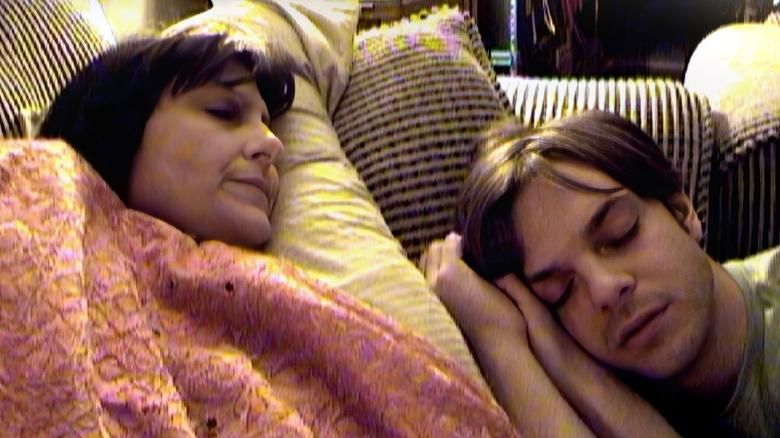
Tarnation (2003)
Filmmaker Jonathan Caouette's documentary on growing up with his schizophrenic mother -- a mixture of snapshots, Super-8, answering machine messages, video diaries, early short films, and more -- culled from 19 years of his life.
Hasil Adkins: The Wild World of Hasil Adkins (1993)
Short subject documentary by Julien Nitzberg about the legendary "psychobilly" musician and infamous wild man Hasil Adkins. Filming takes place in Adkins' own yard, his shack, and at various concerts. Adkins is notable for helping create an entirely new form of rock/rockabilly/country fusion, which he plays entirely by himself (with a guitar and drums simultaneously).
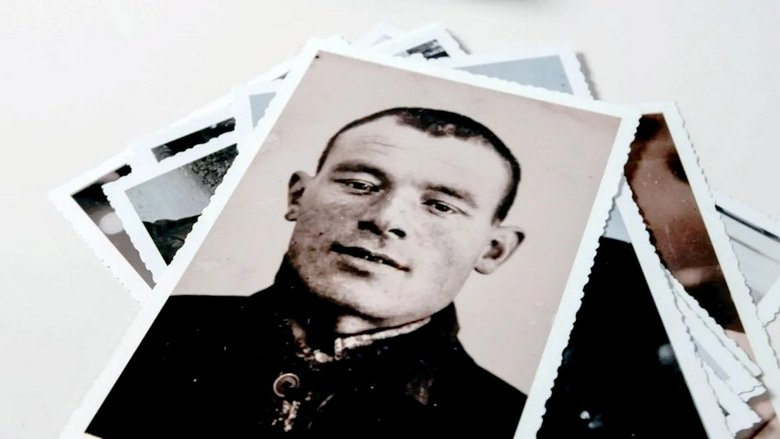
The Case of Bruno Lüdke (2021)
The incredible story of Bruno Lüdke (1908-44), the alleged worst mass murderer in German criminal history; or actually, a story of forged files and fake news that takes place during the darkest years of the Third Reich, when the principles of criminal justice, subjected to the yoke of a totalitarian system that is beginning to collapse, mean absolutely nothing.
Beyond Silence (2017)
The lives of Jeff, Lauren and Lloyd—three very different people who share one common experience—have been transformed by speaking up for mental health. These inspiring stories depict what mental health in America really looks like and highlights just how important it is to speak up and seek help.
Into Madness (1989)
Initially airing on HBO's "America Undercover" series, this riveting documentary focuses on three families shattered by the psychiatric disorder of schizophrenia. Subjects "Bob," "Missy" and "Steven" have lived for over a decade with schizophrenia. The film documents the difficult day-to-day existence of both those afflicted with this order and the families searching for answers to their loved ones' suffering. This film also shows the varied and variably successful treatment methods for each of the subjects—one is placed in a group home, one is placed in an institution, and one is cared for at home. The documentary was critically acclaimed for its compassionate treatment of mental illness.
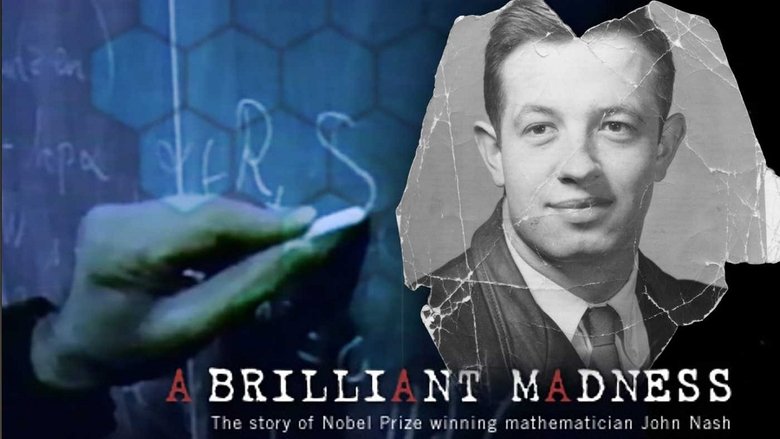
A Brilliant Madness (2002)
The life of the Nobel Prize-winning mathematician and schizophrenic John Nash — the inspiration for the feature film A Beautiful Mind — is a powerful exploration of how genius and madness can become intertwined.
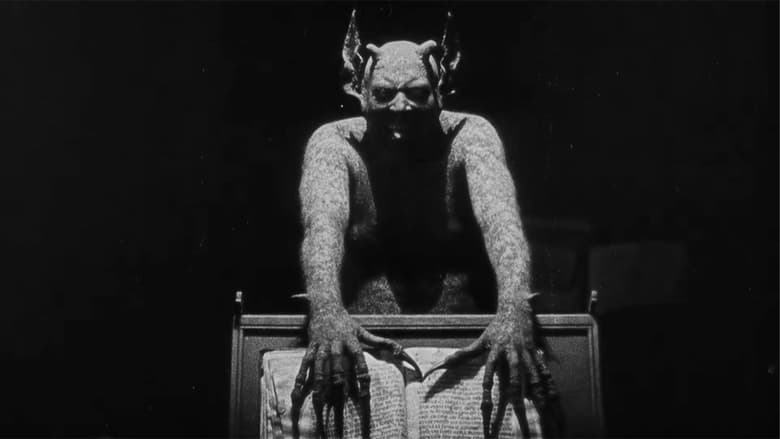
Häxan (1922)
Grave robbing, torture, possessed nuns, and a satanic Sabbath: Benjamin Christensen's legendary film uses a series of dramatic vignettes to explore the scientific hypothesis that the witches of the Middle Ages suffered the same hysteria as turn-of-the-century psychiatric patients. But the film itself is far from serious-- instead it's a witches' brew of the scary, gross, and darkly humorous.

What Should We Have Done? (2023)
In 1983, the director’s 24-year-old sister developed symptoms of schizophrenia. Her parents couldn’t accept it—refusing to seek treatment for their sick child, they confined her to their house, to the point of even fixing a padlock on the front door to lock her in. Her younger brother, suspicious of his parents’ actions, began filming the family in an effort to openly question them. A family conflict that lasted over twenty years.
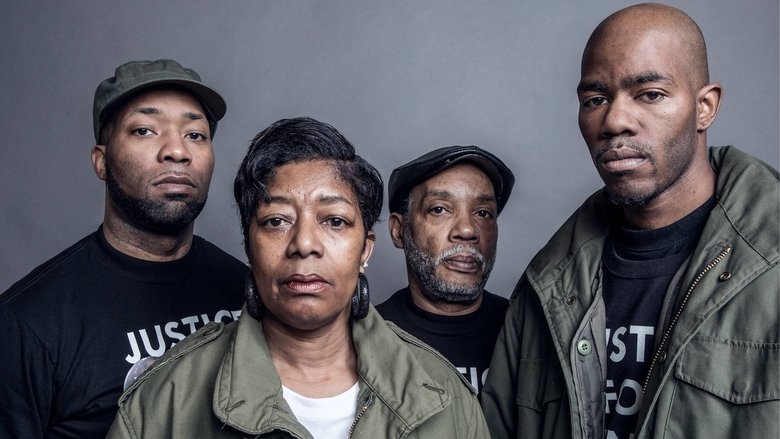
The Blood Is at the Doorstep (2017)
After Dontre Hamilton, a black, unarmed man diagnosed with schizophrenia, was shot 14 times and killed by police in Milwaukee, his family embarks on a quest for answers, justice and reform as the investigation unfolds.
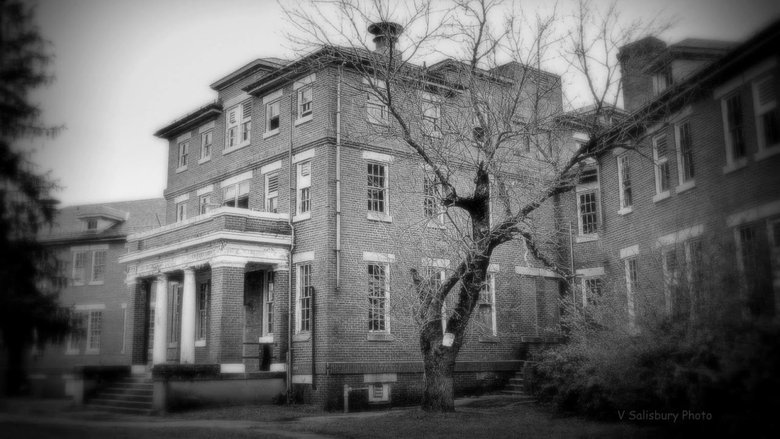
Crownsville Hospital: From Lunacy to Legacy (2018)
Crownsville Hospital: From Lunacy to Legacy is a feature-length documentary film highlighting the history of the Crownsville State Mental Hospital in Crownsville, MD.
Therapy (2018)
The film follows a thirty-year-old man’s efforts to introduce radical changes in his own life: to start visiting a therapist and preparing for the demolition of his bragging childhood home. Story chronicles the troubled relationship between Mārtiņš and his mother, just as he is about to tear down his childhood home.
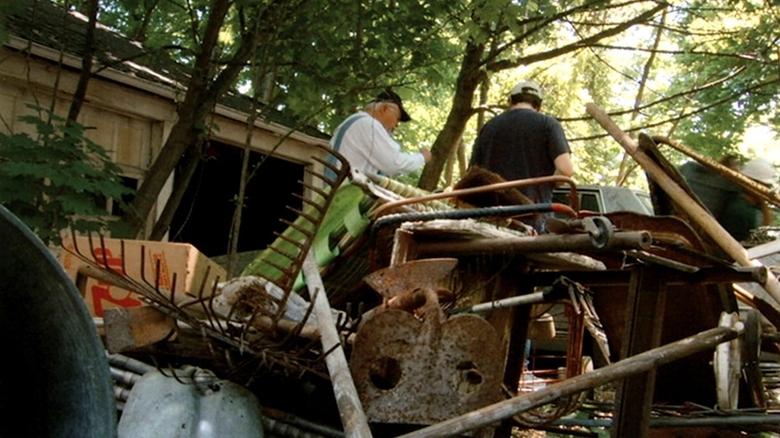
Beyond Hoarding (2019)
"Beyond Hoarding" takes a fresh look at hoarding through the experiences of people afflicted with this compulsion. Mental health experts shed light on this psychiatric disorder which is treatable.

Petrichor (2022)
Marked by childhood trauma, three women from different generations living with an eating disorder try to get back to life.
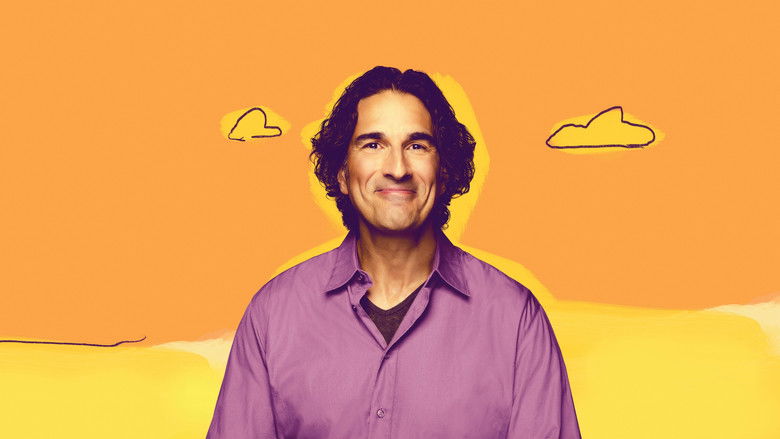
Gary Gulman: The Great Depresh (2019)
In his first HBO comedy special, Gary Gulman offers candid reflections on his struggles with depression through stand-up and short documentary interludes. While speaking to issues of mental health, Gulman also offers his observations on a number of topics, including his admiration for Millennial attitudes toward bullying, the intersection of masculinity and sports, and how his mother's voice is always in his head.
Crazywise (2017)
Western culture treats mental disorders primarily through biomedical psychiatry, but filmmakers Phil Borges and Kevin Tomlinson reveal a growing movement of professionals and survivors who are forging alternative treatments that focus on recovery and turning mental “illness” into a positive transformative experience.